Game review
Slay the Princess
8.5 / 10
- Developer
- Black Tabby Games
- Publisher
- Black Tabby Games, Serenity Forge
- Released
- 23 October 2023
- Platforms
- Windows, macOS, Linux
- Genre
- Visual Novel
- Monetisation
- One-time purchase, no in-game store
- Players
- Single-player only
The short version
Slay the Princess is Black Tabby Games' branching-narrative horror visual novel, published by Black Tabby Games and Serenity Forge, trapping the player in a time loop where a captured princess's nature shifts based on the choices they make about whether to trust her — or slay her. Released 23 October 2023, later expanded into "The Pristine Cut" with full voice acting, it holds 33,413 Steam reviews at Overwhelmingly Positive, roughly 96.7%, with recent sentiment running just as strong at 97%. This review's read of a substantial share of both samples finds a genuine cult favourite whose writing, art and voice performances draw enthusiasm rare even among this library's best-reviewed games, alongside a real, thoughtfully argued minority critique: that the loop structure grows repetitive on repeated cycles, and that its branching choices resolve into fewer genuinely distinct outcomes than the premise implies.
Biggest strengths
- Writing, characterisation and voice performances draw enthusiastic, specific praise across an unusually large and consistent review base, with reviewers describing genuinely funny, horrifying and heartbreaking beats within the same playthrough
- The time-loop premise and the princess's shifting nature based on player choice earn strong credit as genuinely original, giving branching narrative real mechanical purpose rather than existing as a marketing feature
- Art direction and presentation are consistently praised for reinforcing the game's tonal shifts without undercutting its horror or its humour
Biggest weaknesses
- A meaningful, thoughtfully argued share of reviewers describe the loop structure growing repetitive on later cycles, with the same scenery and dialogue beats recurring often enough to feel tedious rather than newly revealing
- Several detailed reviewers argue the marketed sense of consequential choice resolves into a smaller set of story "flavours" than the branching structure implies, describing the feeling of real agency as more illusory than mechanical
- The philosophical themes underpinning the later loops and ending draw specific criticism from a portion of reviewers as overwrought or underdeveloped relative to the strength of the game's earlier character writing
Who it's for: Fans of narrative-first, choice-driven horror who want to go in as blind as possible; less suited to players who want every playthrough to feel mechanically fresh, or a conventional, fully resolved ending.
Our recommendation: One of the most distinctive, well-executed narrative games of its year — go in blind, and treat any lingering repetition in later loops as the cost of a structure that mostly earns its ambition.
8.5 / 10
Introduction
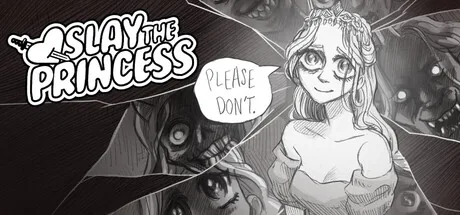
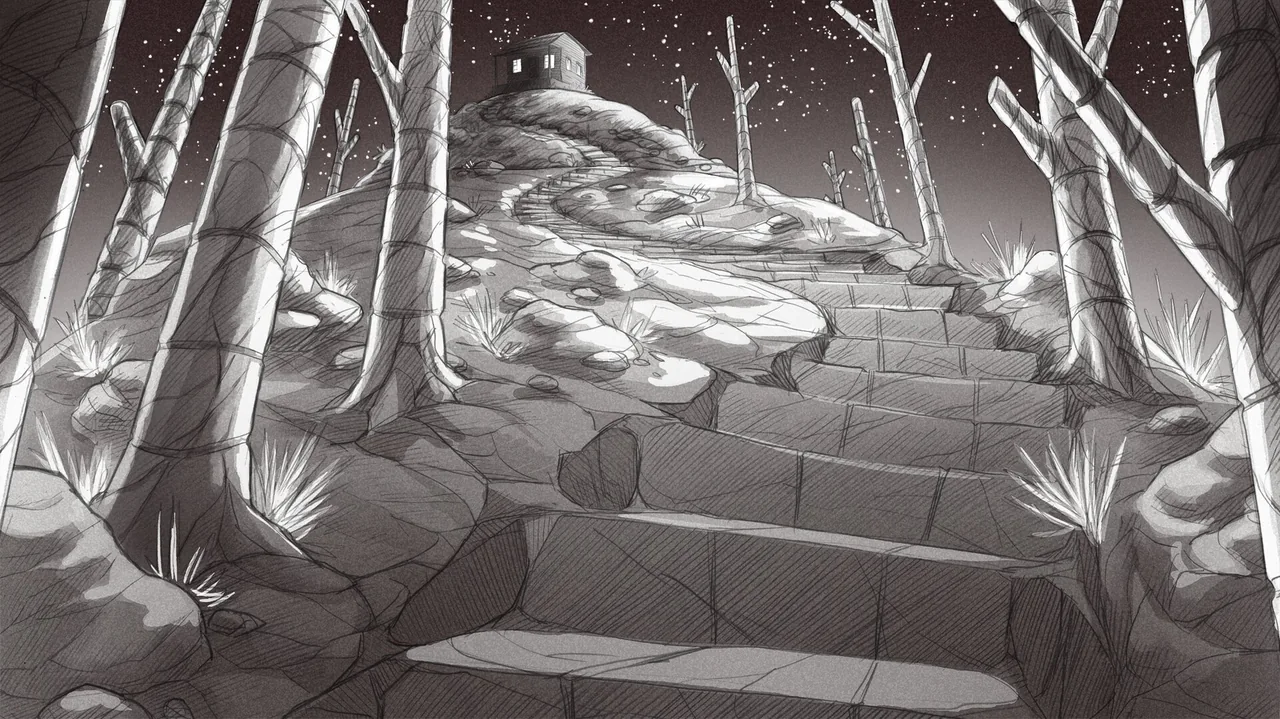
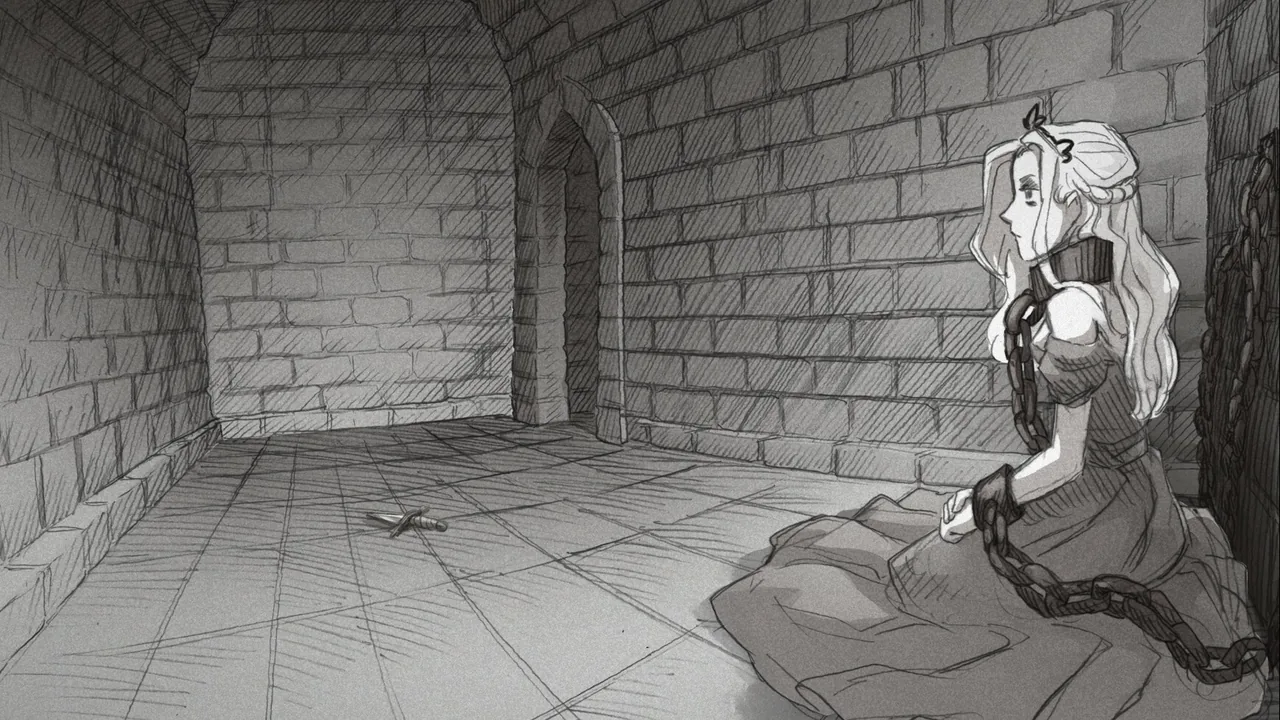
Slay the Princess drops the player into a cabin in the woods with a single, simple instruction: go inside, and slay the princess chained within. What follows is a time loop where the princess's nature — victim, monster, something else entirely — shifts based on the choices made across each cycle, narrated by a voice in the player's own head that argues, cajoles and sometimes lies about what's really happening. Developed by Black Tabby Games and published by Black Tabby Games and Serenity Forge, it released 23 October 2023 for NZ$26.29, and was later expanded into "The Pristine Cut" with full voice acting throughout. Over two years on, it holds 33,413 Steam reviews sitting at Overwhelmingly Positive, roughly 96.7%, with recent sentiment running just as strong at 97%. This review reads a substantial share of both the negative and positive samples, and finds a genuine cult favourite whose reputation is earned on the strength of its writing, wrapped around a real, thoughtfully argued minority critique worth reporting in detail.
Writing and performance that built a genuine cult following
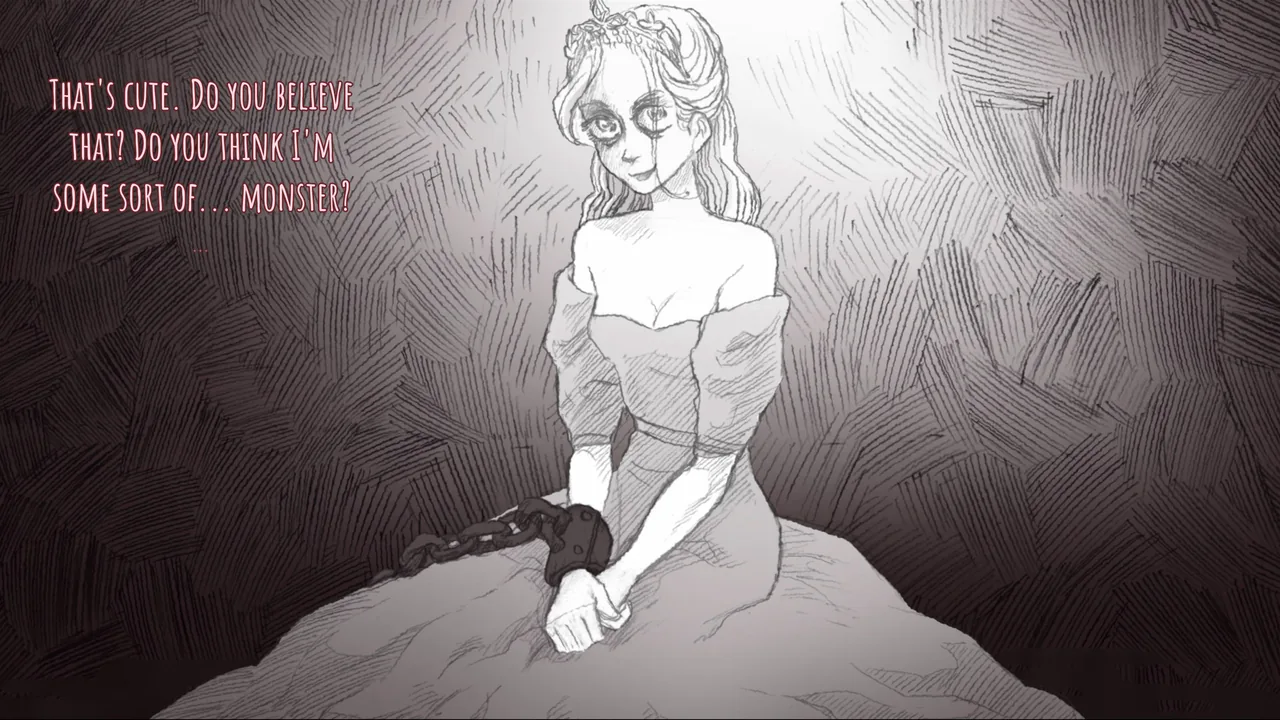
Start with what draws this review's most enthusiastic, highest-vote praise across an enormous sample: the writing and voice work are exceptional, and reviewers describe the tonal range with real specificity — funny, heartbreaking and genuinely horrifying, often within the same playthrough. The premise itself draws consistent credit as a rare case where a branching-choice structure has real mechanical purpose: the princess's nature isn't a cosmetic story flag but a direct, felt consequence of how the player has treated her across the loop, giving choice genuine narrative weight in a genre where it's often decorative. The game has built an unusually devoted following as a result — reviewers repeatedly and specifically urge others to avoid researching the game beforehand and experience it as blind as possible, treating spoiler-avoidance itself as part of the recommendation.
A thoughtful minority making a real structural argument
Set against that acclaim, this review's negative sample is worth taking seriously precisely because it isn't dismissive — it's detailed, specific, and argued by reviewers who clearly engaged deeply with the game rather than bouncing off it early. The most consistent complaint concerns repetition: several reviewers describe the same scenery and dialogue beats recurring across later loops often enough to feel tedious rather than newly revealing, undercutting the sense of discovery the earlier cycles built. A related, more structural complaint concerns choice itself — despite the game's reputation for consequential branching, multiple detailed reviewers argue the paths ultimately resolve into a smaller number of story "flavours" than the premise implies, describing the feeling of agency as more illusory than mechanically real once enough loops have passed. Philosophical themes in the later portions of the story draw their own specific criticism, with a portion of reviewers describing the ending's ideas as overwrought or underdeveloped relative to the strength of the character writing that preceded them — one reviewer's comparison to a J.J. Abrams mystery box, building tension toward an ambiguous payoff, captures the shape of the complaint precisely.
Final Verdict
Slay the Princess earns its Overwhelmingly Positive standing, and its genuinely rare cult following, through writing and voice performance this review's sample credits with real, specific enthusiasm — a branching structure where choice actually shapes character rather than just flavour text, and tonal range few narrative games attempt as confidently. What keeps this from a perfect score is a real, thoughtfully argued minority position: that the loop structure wears thin on repeated cycles, and that the sense of consequential choice is more illusory than the premise suggests once the credits roll. For players willing to go in blind and treat the later-loop repetition as the price of an ambitious structure, this is one of the most distinctive narrative games of its year.
Pros and cons
Pros
- Writing, characterisation and voice performances draw enthusiastic, specific praise across an unusually large and consistent review base, with reviewers describing genuinely funny, horrifying and heartbreaking beats within the same playthrough
- The time-loop premise and the princess's shifting nature based on player choice earn strong credit as genuinely original, giving branching narrative real mechanical purpose rather than existing as a marketing feature
- Art direction and presentation are consistently praised for reinforcing the game's tonal shifts without undercutting its horror or its humour
- The game has built a rare, sustained cult following, with reviewers frequently urging others to avoid spoilers and experience it blind rather than researching beforehand
Cons
- A meaningful, thoughtfully argued share of reviewers describe the loop structure growing repetitive on later cycles, with the same scenery and dialogue beats recurring often enough to feel tedious rather than newly revealing
- Several detailed reviewers argue the marketed sense of consequential choice resolves into a smaller set of story "flavours" than the branching structure implies, describing the feeling of real agency as more illusory than mechanical
- The philosophical themes underpinning the later loops and ending draw specific criticism from a portion of reviewers as overwrought or underdeveloped relative to the strength of the game's earlier character writing
- The game is short, and reviewers who found it underwhelming often note the demo alone reveals a large share of what the full game offers
Screenshots
-
Slay the Princess — The Pristine CutImage: Black Tabby Games via Steam -
Slay the Princess — The Pristine CutImage: Black Tabby Games via Steam -
Slay the Princess — The Pristine CutImage: Black Tabby Games via Steam -
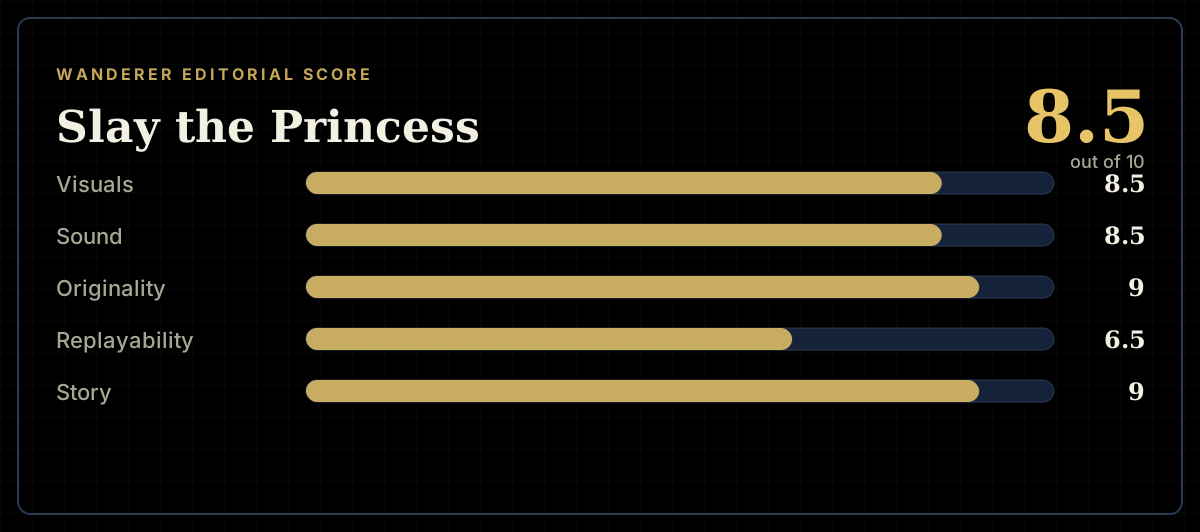
How the review scores each part of the gameWanderer Editorial -
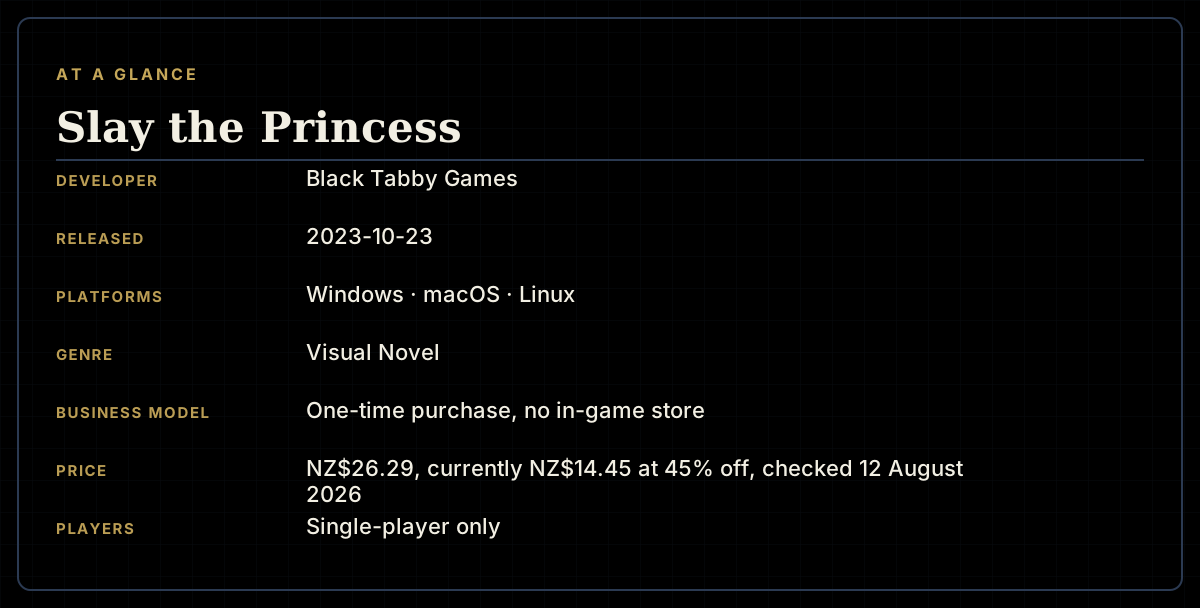
The essentials at a glanceWanderer Editorial -
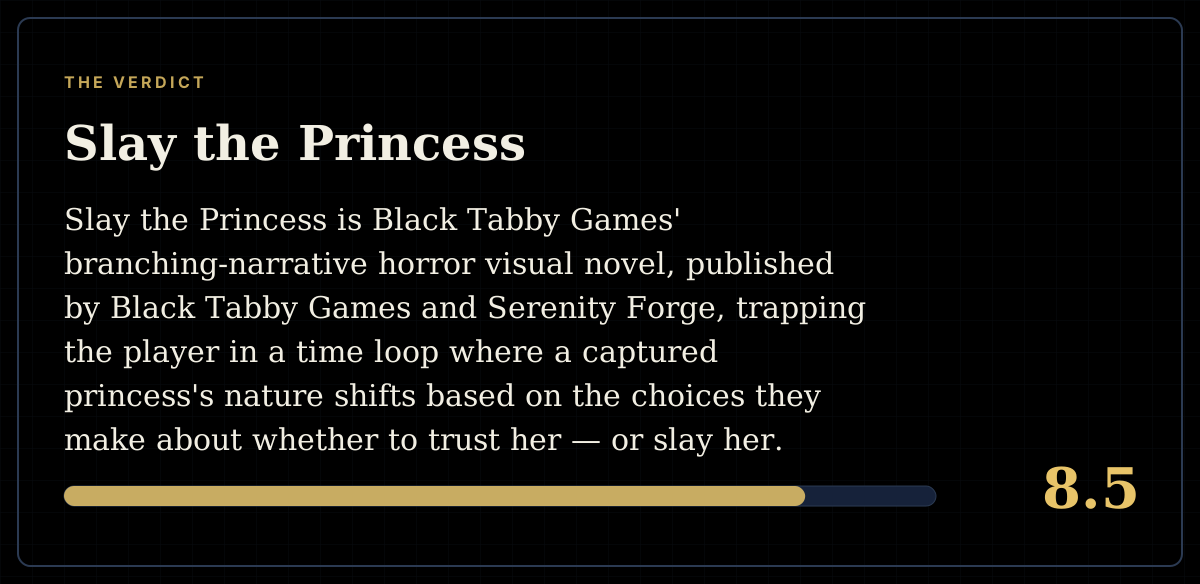
The short versionWanderer Editorial