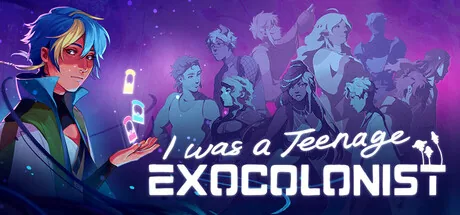
Game review
I Was a Teenage Exocolonist
8 / 10
- Developer
- Northway Games
- Publisher
- Finji
- Released
- 25 August 2022
- Platforms
- Windows, macOS, Linux
- Genre
- Narrative RPG, Life Sim, Card Battler
- Monetisation
- One-time purchase, plus an optional soundtrack and artbook
- Players
- Single-player only
The short version
I Was a Teenage Exocolonist follows a child born on a newly colonised alien world, growing up across ten in-game years through monthly activity choices and card-battle skill checks that shape their stats, relationships and the colony's survival. Developed by Northway Games and published by Finji, it released 25 August 2022 and sits at Overwhelmingly Positive, 96.5% across 4,253 English-language reviews — one of the highest scores this library has recorded, backed by some of the most personally affecting testimonials this session has documented. Set against that is a specific, detailed critique running through a meaningful share of the negative sample: the game explicitly builds itself around replaying multiple lives with carried-over memory, but several reviewers argue the second and later playthroughs become tedious rather than revelatory, and that a much-discussed romance system doesn't deliver on the agency the framing implies.
Biggest strengths
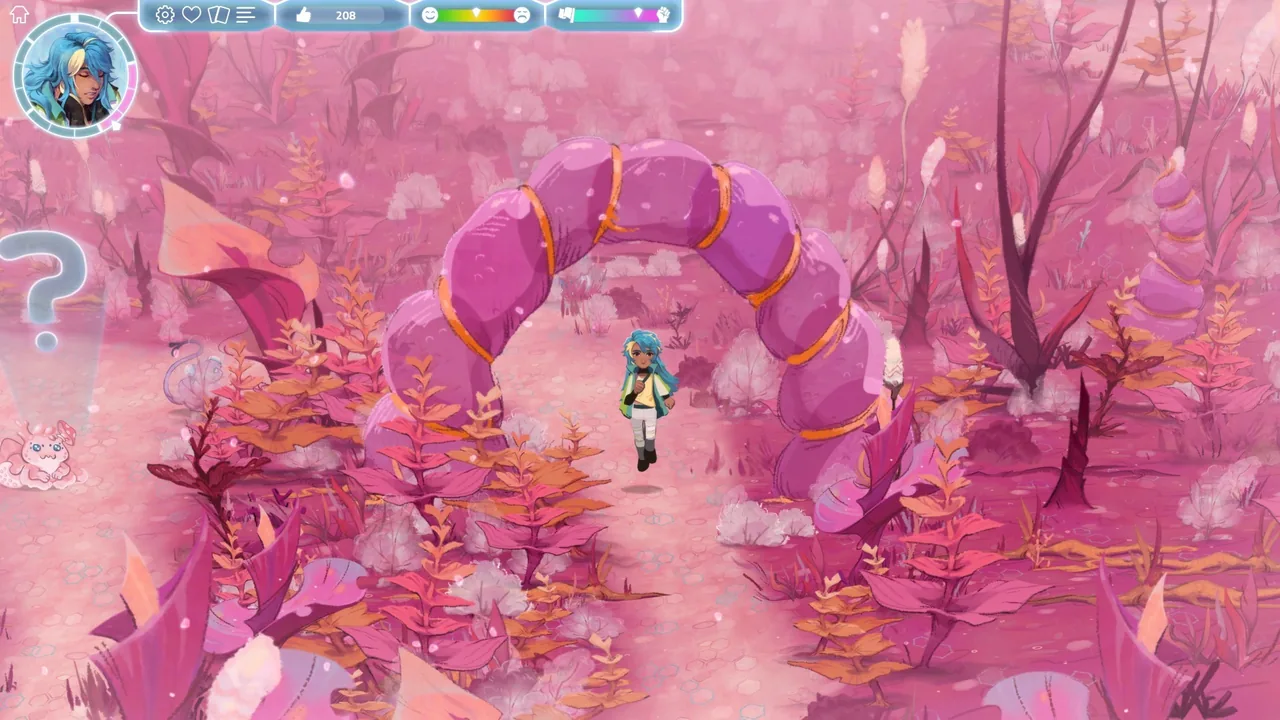
- Art direction, world-building and the alien-planet setting draw near-universal, often superlative praise, with reviewers repeatedly describing the presentation as gorgeous and immersive
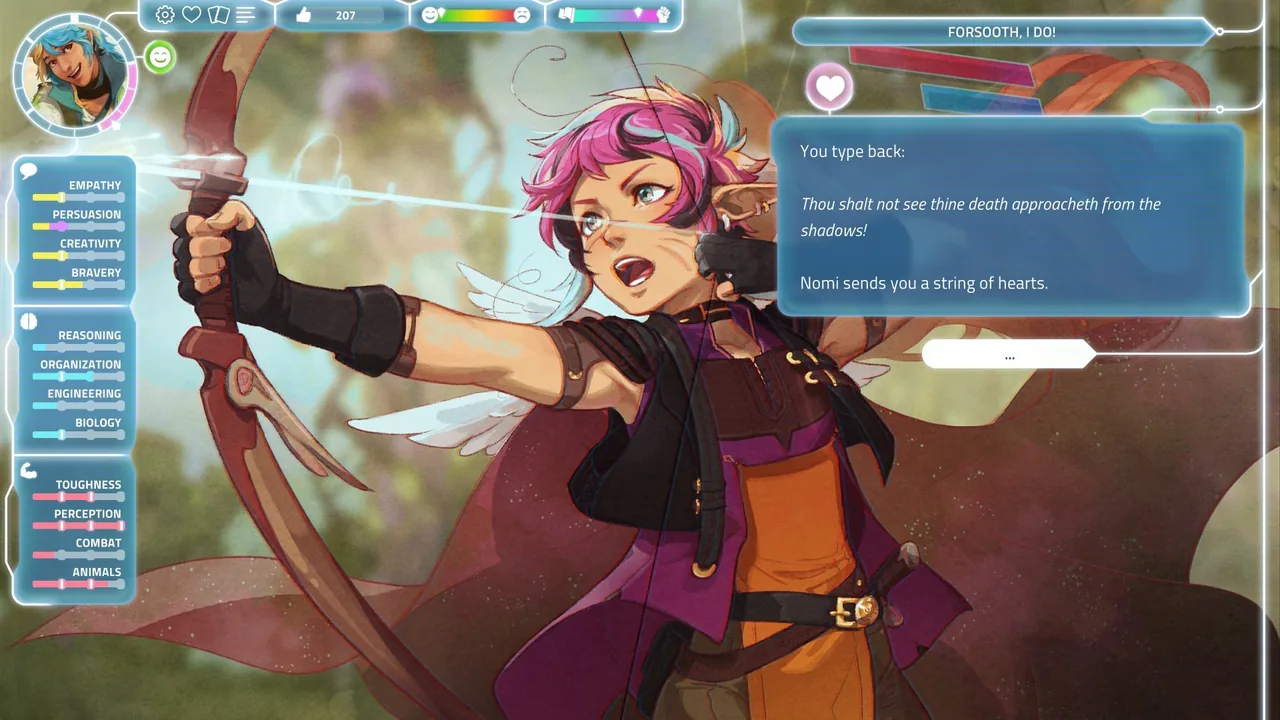
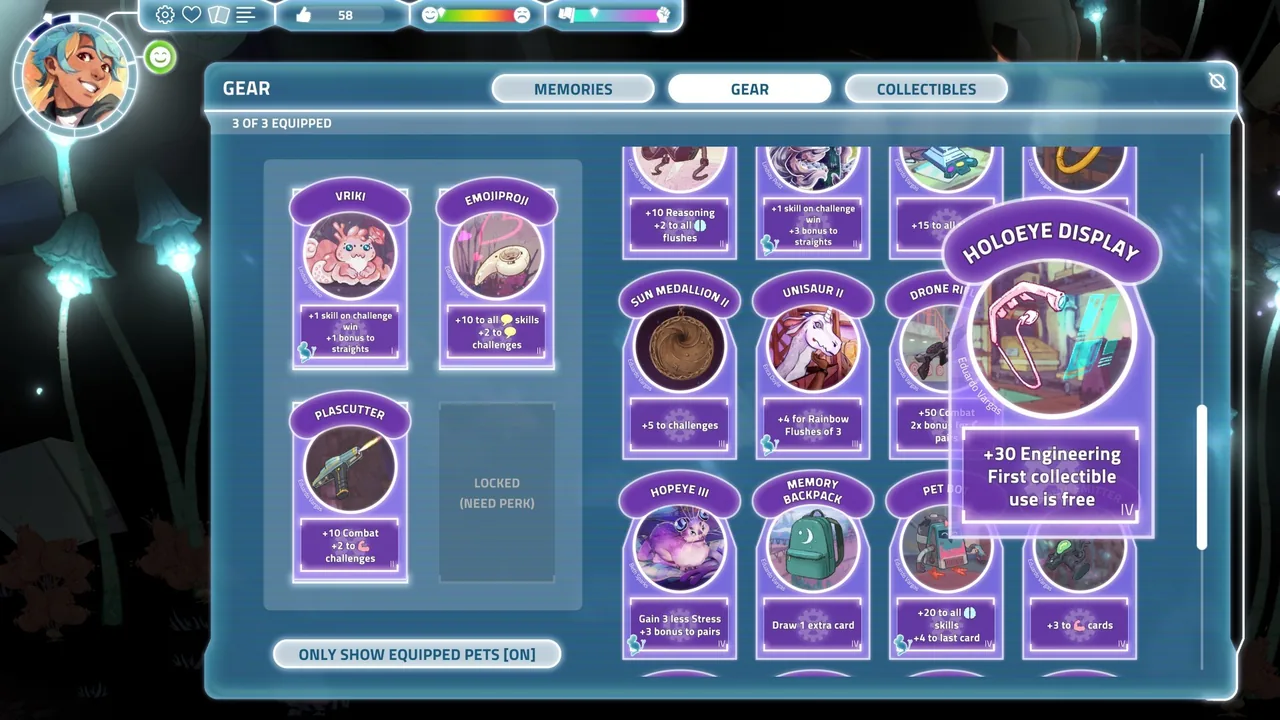
- The card-battle system used for skill checks and challenges is widely credited as a genuinely engaging twist on both deckbuilding and traditional stat-raising life-sim mechanics
- A significant share of reviewers describe the story's ending as genuinely, unusually moving, with several specifically noting it affected them more than any other game they've played
Biggest weaknesses
- A widely repeated, specific complaint concerns the romance system: multiple long-detailed reviews report that nearly every romanceable character starts the game already paired with someone else, meaning pursuing them functionally means breaking up an existing couple regardless of the player's own relationship history with that character
- The game's central structural promise — that memories and choices carry across multiple playthrough "lives" — draws real, specific criticism from reviewers who found later playthroughs tedious and repetitive rather than meaningfully different, undercutting the replay incentive built into its own design
- Several detailed reviewers describe the writing, particularly around its central metaphors for puberty and growing up, as heavy-handed or overly earnest to the point of feeling preachy
Who it's for: Fans of narrative-driven life sims and coming-of-age stories willing to invest in a single, well-savoured playthrough; a mixed fit for players drawn in specifically by the promise of a deeply replayable, choices-matter structure.
Our recommendation: One of the most emotionally powerful narrative RPGs of its year for the audience it's built for, with a replay structure that a meaningful share of its own fans say doesn't reward the repeated playthroughs it explicitly asks for.
8 / 10
Introduction
I Was a Teenage Exocolonist follows a single character from age ten, born among the first human colonists on a newly settled alien world, through ten years of monthly choices — which skills to train, which friendships and romances to pursue, which of the planet's genuine dangers to confront — resolved through a card-battle system that doubles as both combat and skill-check mechanic. Developed by Northway Games and published by Finji, it released 25 August 2022 and sits at Overwhelmingly Positive, 96.5% across the 4,253 English-language reviews sampled for this review — one of the highest scores documented in this library's coverage of 2022. The emotional testimonials in this corpus are genuinely striking, and worth taking seriously as evidence of real craft. What's equally worth taking seriously is a specific, detailed critique that recurs across a meaningful minority of the sample, aimed less at the game's ambitions than at how its central replay structure actually plays out.
A coming-of-age story that reaches people
Start with what the overwhelming majority of this game's reviewers agree on. The presentation — art direction, alien-world building, music — draws consistently superlative praise, and several reviewers describe the game's ending specifically as among the most affecting they've experienced in any medium, not just games. One reviewer, self-identified as a QA tester on the game who noted they weren't asked to write a review, described genuinely adoring it after hundreds of hours across platforms. Another, describing himself as a man in his late thirties who's played a large number of games over the years, wrote that an hour into playing turned him into "a bawling, blubbering mess - like no video game ever has." That's not an isolated reaction in this sample; variations on "finished it at 4am riddled with existential dread" and "one of the best narrative experiences of the last decade" recur across dozens of reviews with genuine specificity rather than generic enthusiasm. The card-battle system used to resolve skill checks and challenges earns its own consistent praise as a genuinely engaging mechanical layer, distinguishing the game from a purely text-driven life sim.
The romance system's specific problem
Here's the first detailed, repeated criticism worth taking on its own terms. A 187-vote review — one of the highest-voted in this game's entire negative sample — lays out a specific structural issue with the romance system: nearly every romanceable character in the game begins already paired with someone else, meaning that pursuing a relationship with them means functionally breaking up an existing couple, regardless of whether the player character was that character's best friend or secret admirer throughout the story. This isn't a complaint about romance content existing or being poorly written — reviewers who raise it specifically object to the mechanical framing implying more agency and variety than the underlying system actually delivers, since the outcome converges on the same shape regardless of the specific relationship path taken.
A replay structure some reviewers say undermines itself
The second, more structurally significant criticism concerns the game's core premise. I Was a Teenage Exocolonist explicitly builds itself around multiple playthroughs, with the player character's memories from past lives carrying forward to inform choices in the next — a deliberate, central design decision, not an optional New Game Plus tacked on afterward. A detailed 31-vote review argued this "actively undermines the potential of the concept it is based on," noting that while the different lives are meant to play out differently as memories accumulate, the groundhog-day structure is "difficult to" actually deliver on in practice. A 70-vote review put it more bluntly: "Don't push for the multi-playthrough thing if your gameplay is this repetitive," arguing the game would work better as a focused single-playthrough experience than as the replay-driven structure it's built to be, and specifically objecting that "this is not how 'your choices matter' works" if replaying feels like retreading the same dialogue rather than meaningfully diverging.
This complaint is corroborated, independently, by Steam's own achievement data: the achievement for seeing every possible ending sits at just 0.8%, an extremely low completion rate that suggests very few of even this game's enthusiastic playerbase actually pursue the full multi-life structure the design is built around, however much they loved a single run through it. That's a useful, independent signal rather than just a handful of reviewers' opinions — the replay structure is there, but the data suggests most players engage with this as a one-and-done emotional experience rather than the iterative, memory-accumulating journey its own systems are designed to reward.
Writing that lands for most, and lands too hard for some
A smaller, more subjective cluster of complaints concerns tone. Several detailed reviewers describe the game's central metaphors — most explicitly, the parallel drawn between adolescence and exploring an unfamiliar alien world — as heavy-handed to the point of feeling preachy, with one comparing the experience to "a young teacher at school trying desperately to connect with students." Others report that despite the game's framing around a large cast of meaningful relationships, the actual dialogue for secondary characters feels thin and repetitive once the novelty wears off, undercutting the emotional investment the story asks players to build. These readings coexist in the same corpus as the overwhelming praise above, and it's worth noting plainly: this is a story that lands with extraordinary force for a large majority of its audience and reads as overwritten or shallow for a smaller, equally sincere minority — a genuine matter of taste rather than a quality defect either side is wrong about.
Final Verdict
I Was a Teenage Exocolonist earns its Overwhelmingly Positive standing honestly — this is a genuinely ambitious, beautifully presented coming-of-age story that a huge share of its players describe in the kind of personal, specific terms usually reserved for a handful of games each year. What keeps this review from scoring it even higher is that its own central structural conceit — a memory-carrying, multi-life replay system explicitly built into the design — draws detailed, independent criticism from reviewers who found the repetition of a second playthrough worked against the emotional payoff of the first, a reading the game's own achievement data quietly supports. A specific complaint about the romance system's limited real agency compounds that. None of this erases what the majority of this game's audience clearly experienced: a story many reviewers describe, without exaggeration, as one of the most affecting things they've played. Go in for that first playthrough, and treat anything beyond it as a bonus rather than the point.
Pros and cons
Pros
- Art direction, world-building and the alien-planet setting draw near-universal, often superlative praise, with reviewers repeatedly describing the presentation as gorgeous and immersive
- The card-battle system used for skill checks and challenges is widely credited as a genuinely engaging twist on both deckbuilding and traditional stat-raising life-sim mechanics
- A significant share of reviewers describe the story's ending as genuinely, unusually moving, with several specifically noting it affected them more than any other game they've played
- Real thematic ambition around growing up, identity and belonging that a large majority of reviewers credit as sincere rather than shallow, even when they have other criticisms
Cons
- A widely repeated, specific complaint concerns the romance system: multiple long-detailed reviews report that nearly every romanceable character starts the game already paired with someone else, meaning pursuing them functionally means breaking up an existing couple regardless of the player's own relationship history with that character
- The game's central structural promise — that memories and choices carry across multiple playthrough "lives" — draws real, specific criticism from reviewers who found later playthroughs tedious and repetitive rather than meaningfully different, undercutting the replay incentive built into its own design
- Several detailed reviewers describe the writing, particularly around its central metaphors for puberty and growing up, as heavy-handed or overly earnest to the point of feeling preachy
- Despite being framed around meaningful relationships with a large supporting cast, multiple reviewers report the actual dialogue and characterisation for secondary characters feels thin and repetitive across multiple interactions
Screenshots
-
I Was a Teenage ExocolonistImage: Finji via Steam -
I Was a Teenage ExocolonistImage: Finji via Steam -
I Was a Teenage ExocolonistImage: Finji via Steam -
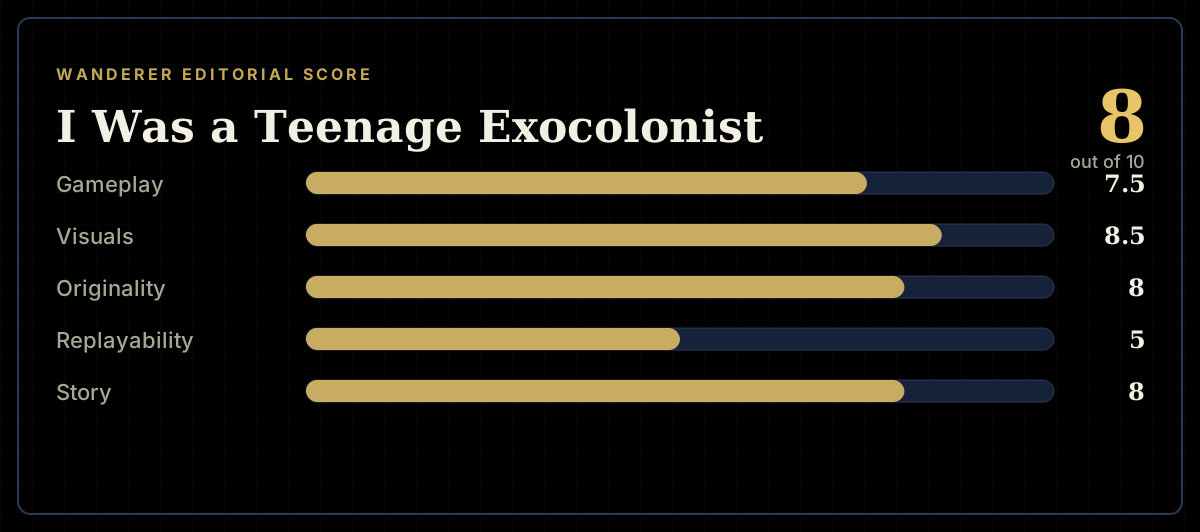
How the review scores each part of the gameWanderer Editorial -
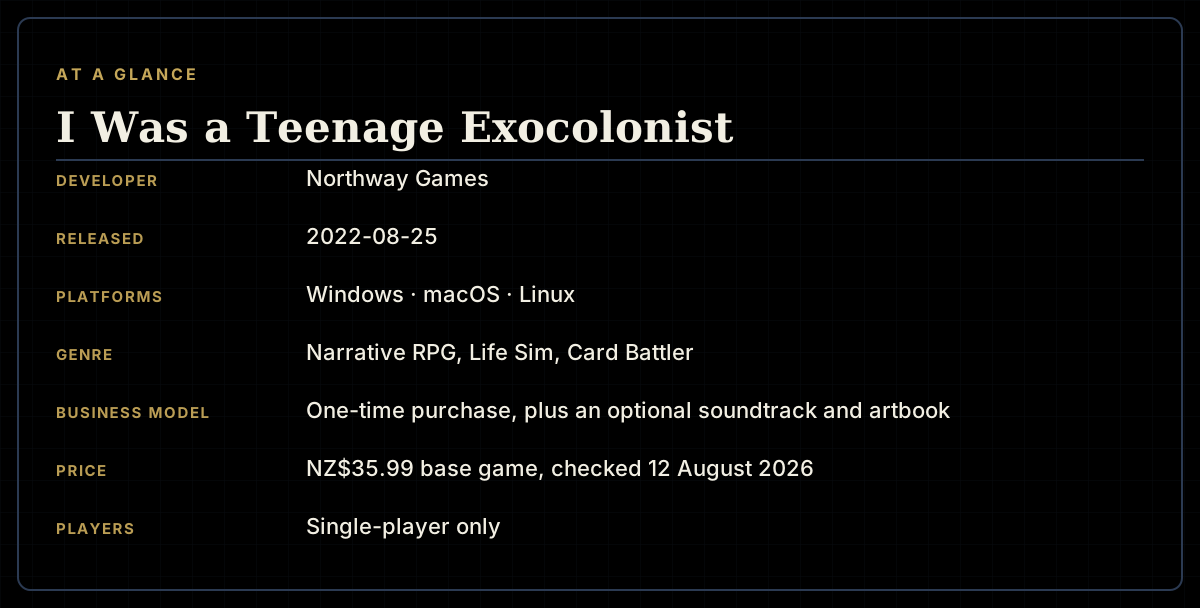
The essentials at a glanceWanderer Editorial -
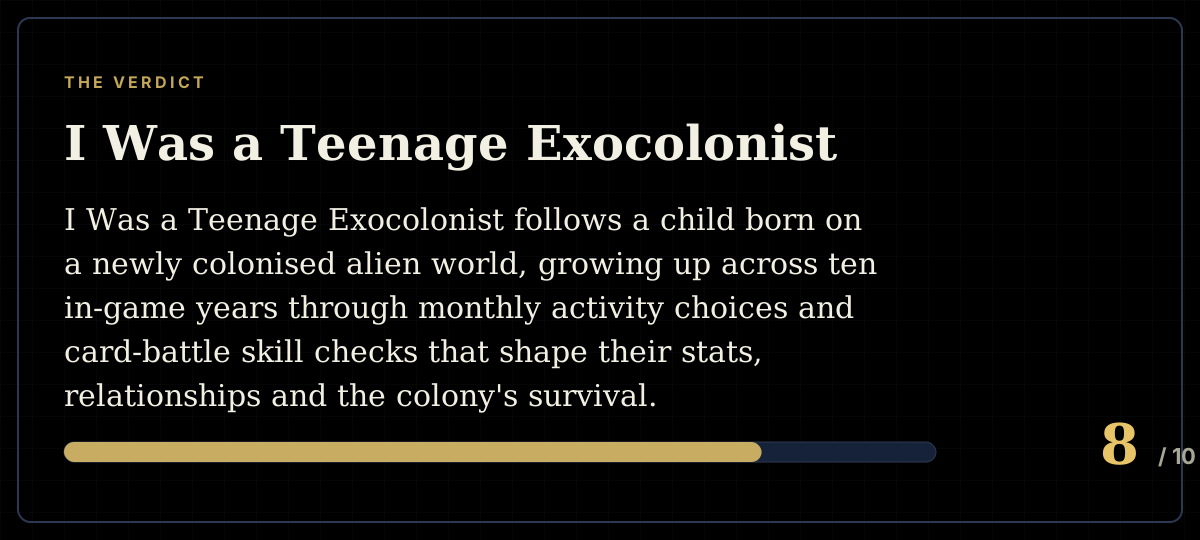
The short versionWanderer Editorial