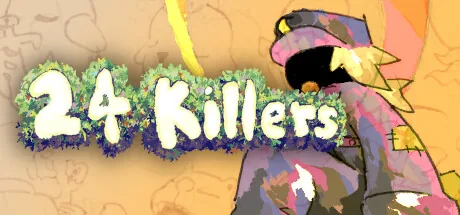
Game review
24 Killers
8 / 10
- Developer
- Happy Shabby Games
- Publisher
- Happy Shabby Games
- Released
- 9 March 2023
- Platforms
- Windows
- Genre
- Surreal Adventure RPG
- Monetisation
- One-time purchase. No in-app purchases, ads or premium currency.
- Players
- Single-player only
The short version
24 Killers casts you as Home, a cursed super-intelligence bound to a soldier's corpse by an alien named Moon, exploring a desert island of misfits, transforming into rescued monsters, and helping the island's residents across a structure explicitly built around 24 separate playthroughs. It draws direct lineage from cult Japanese titles like Moon: Remix RPG Adventure and Chulip -- games about kindness and small-town weirdness rather than combat -- and Steam's audience has responded about as enthusiastically as this review series has recorded: 395 of 400 reviews positive (98.75%), 369 of 373 in English (98.9%).
The negative sample is vanishingly small -- five reviews across every language -- but unusually consistent for its size: three of the five specifically describe a real, late-game grind (hours spent walking the map for small amounts of currency) and puzzle guidance so sparse that several reviewers say they needed to consult community forums to progress. One especially candid review captures the tension well: loved almost everything about it, and still landed on a thumbs-down because the back half left them feeling "completely empty" rather than moved.
Biggest strengths
- An exceptionally rare genre lineage executed with real love and craft -- reviewers who know Moon, Chulip and similar Love-de-Lic titles consistently say 24 Killers earns its place beside them rather than merely imitating them
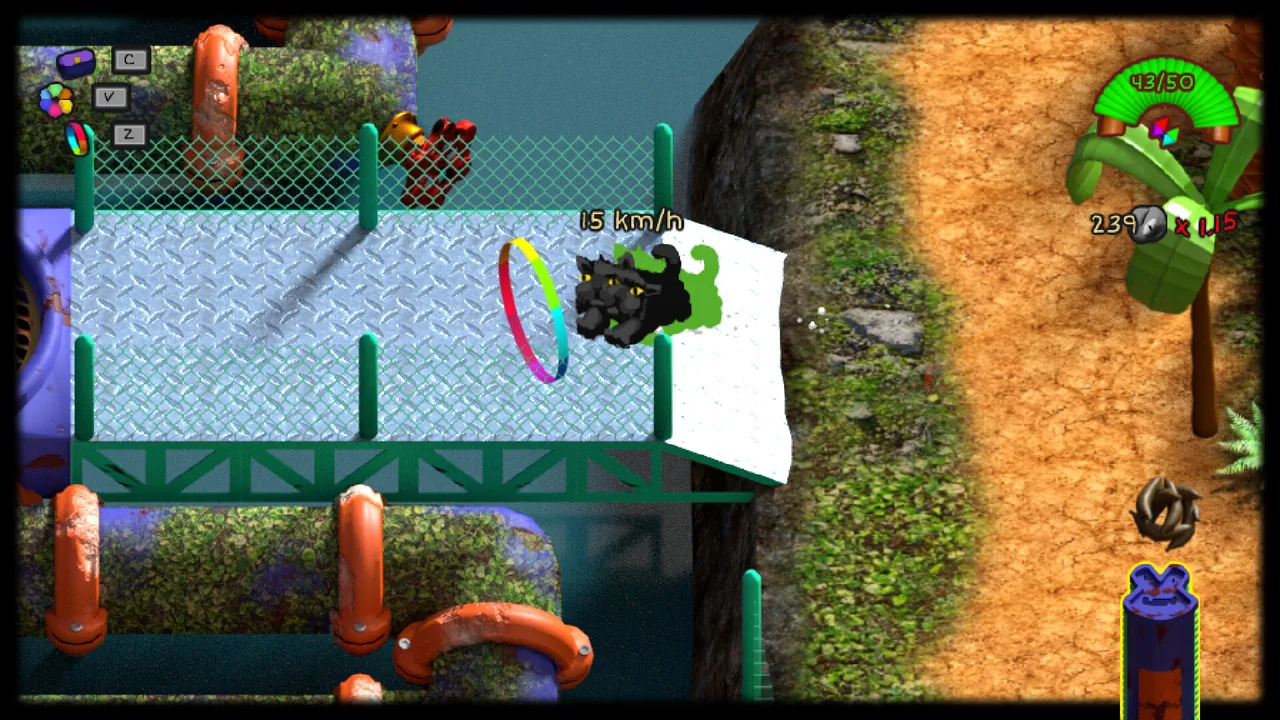
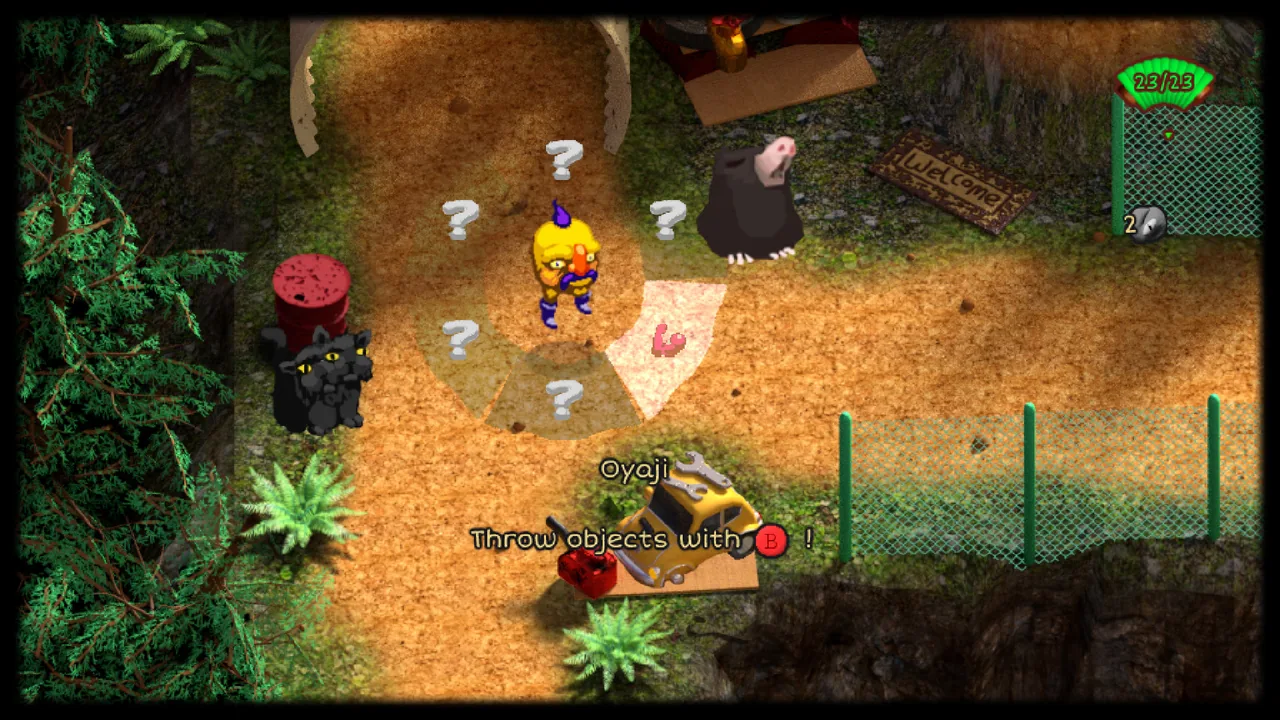
- Widely and specifically praised art direction (a distinctive clay-like, pre-rendered look) and soundtrack, repeated across nearly the entire review sample regardless of length or detail
- Genuine structural ambition: a 24-playthrough design built around unlockable "Blessings" that carry across save files, giving repeat runs real mechanical purpose rather than just narrative variety
Biggest weaknesses
- A real, specific late-game grind: several reviewers describe hours spent simply walking across the map to earn small amounts of in-game currency needed to progress, with one comparing it to "waking up in-game, running across the entire map... for money and going back to bed" on repeat
- Puzzle and objective guidance is sparse enough that multiple reviewers, including several positive ones, say they needed to consult community forums to figure out what to do next
- Some key animations are unskippable and slow, which compounds the grind complaint for reviewers who otherwise wanted to move faster through familiar content on repeat playthroughs
Who it's for: Fans of Love-de-Lic and Skip Ltd. games (Moon, Chulip, Rule of Rose), and anyone drawn to slow, kindness-first adventure games built on atmosphere and character over combat or challenge. A poor fit for anyone who wants clear objective markers or bristles at unskippable slow animations and backtracking.
Our recommendation: A strong recommendation for the specific, small audience it's built for -- if "Love-de-Lic-inspired" means anything to you, this earns the comparison. Newcomers to the style should expect a deliberately slow, cryptic game and be ready to look up a guide if a puzzle stalls progress for too long.
8 / 10
A rare lineage, handled with real care
24 Killers belongs to a genre so small it barely has a name outside fan circles: the Love-de-Lic lineage, after the Japanese studio behind cult titles like Moon: Remix RPG Adventure and, via spiritual successor Skip Ltd., Chulip — slow, surreal, kindness-first adventure games where combat is absent or beside the point and the actual goal is understanding a strange world by talking to its inhabitants and helping them with small, odd requests. It's a genre with a passionate but tiny following, and the review sample for 24 Killers reflects that directly: reviewer after reviewer identifies themselves specifically as a fan of that lineage and says the game earns the comparison rather than merely borrowing its aesthetic. "Essential material for anyone who is passionate about Luv-De-Lic titles such as Moon and Chulip. The developer of this game knows exactly what goes into a game of this style," reads one; "As a huge Love-de-lic fan, i highly recommend 24 Killers," reads another, noting the game streamlines some of the genre's historically punishing systems to be more accessible without losing what makes it distinct.
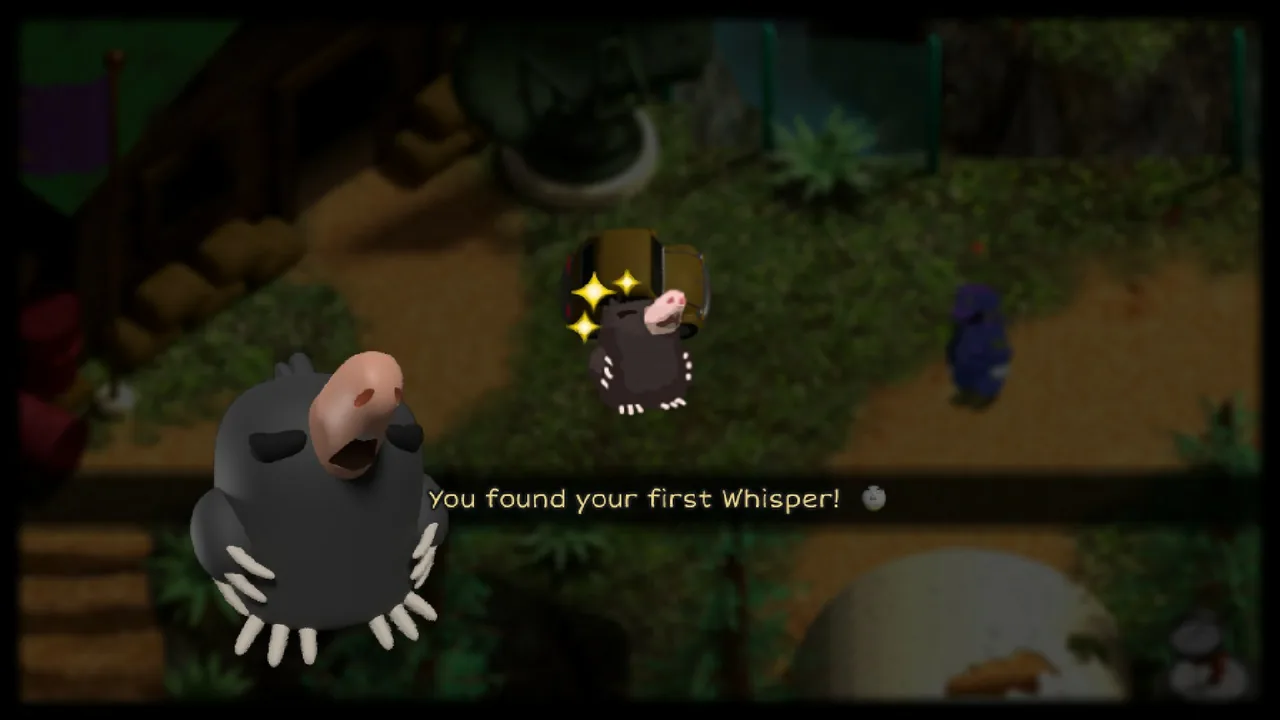
The premise itself is genuinely strange in the way this genre trades in: you play Home, a cursed super-intelligence bound to a dead soldier's body by an alien named Moon, exploring a desert island by transforming into monsters you rescue — gaining abilities like super strength or stealth — while helping the island's misfit residents and collecting currency-like "Whispers." Reviewers describe the tone as warm and strange in roughly equal measure, and the presentation draws close to unanimous praise: a distinctive clay-like, pre-rendered visual style and a soundtrack multiple reviewers single out by name ("the MUSIC!!" reads one enthusiastic capitalised aside) recur across nearly every review in the sample, positive or negative.
Built to be played 24 times — and the real cost of that ambition
The title isn't decorative: 24 Killers is structurally built around the idea of 24 separate playthroughs, each one unlocking a permanent "Blessing" — an optional rule modification that carries forward into every future run, some adding challenge, others streamlining future playthroughs or altering the story. It's a genuinely ambitious structural idea, and reviewers who engage with it deeply describe real satisfaction in seeing how the Blessings reshape later runs. But it's also the source of the one substantive criticism that shows up repeatedly even in this overwhelmingly positive review base: getting through a single playthrough, let alone many of them, involves real grind. "Even if you're playing efficiently, expect to spend hour after hour waking up in-game, running across the entire map — no combat, just running — for money and going back to bed," reads one detailed negative review; another independently describes "a big grind towards the end, unless you abuse the game's item system... but nothing hints to that." A third flags puzzle guidance specifically: "several puzzles definitely need more explanation in-game so you don't have to rely on the forums."
These aren't isolated complaints dressed up as a pattern — with only five negative reviews across every language sampled, three independently converge on the same specific late-game pacing problem, which is a meaningfully strong signal for how small the sample is. It's also echoed, more gently, inside positive reviews: several reviewers who ultimately recommend the game still mention slow, unskippable key animations and sparse objective hints as friction points, just not enough to override everything else they loved.
Achievement data backs up how demanding the full 24-playthrough structure actually is in practice: only 7.7% of players have reached the milestone tied to completing all two dozen loops, and under 1% have unlocked every Blessing — meaning the game's central structural ambition, whatever else it achieves, is fully experienced by only its most dedicated fans. That's not necessarily a criticism; plenty of well-loved games have long tails few players finish. But it is useful context for anyone weighing whether to chase the full structure versus simply enjoying a single run.
A candid dissent worth reading in full
The most valuable of the five negative reviews isn't the harshest — it's the most conflicted, and it's worth engaging with directly rather than just citing. One reviewer opens by praising nearly everything: "beautiful visuals, lovely soundtrack, good characters and writing," before landing on a thumbs-down anyway, because for them the pieces never came together into something that stuck. "It doesn't mesh well, making 24K a beautiful mess that made me feel completely empty by the end of it, that, despite how weird it was, was completely unmemorable... it pains me to give it a negative review as it has its heart in the right place, and we definitely need more games like it, but I can't bring myself to [recommend it]." That review is a useful corrective to reading the 98.75% score as uncomplicated consensus: even among the tiny minority who don't recommend the game, the disagreement is often about whether individually strong pieces add up to a cohesive whole, not about whether those pieces are well made in isolation. It's a genuinely different kind of criticism than "this is bad," and worth knowing about before going in with maximum expectations set by the score alone.
Verdict
24 Killers is a rare, lovingly-made entry in a genre that barely exists anymore outside its own niche following, and it earns the strong comparisons its most devoted reviewers make to Moon and Chulip. Its presentation and warmth are close to uncontested strengths across virtually the entire review sample; its real cost is a late-game grind and sparse guidance that even some of its biggest fans acknowledge, concentrated specifically around the ambitious 24-playthrough structure the game is named for. For the niche audience this is built for, it's an easy, enthusiastic recommendation; for anyone newer to the style, go in prepared for deliberate slowness and the occasional need to consult a guide.
Pros and cons
Pros
- An exceptionally rare genre lineage executed with real love and craft -- reviewers who know Moon, Chulip and similar Love-de-Lic titles consistently say 24 Killers earns its place beside them rather than merely imitating them
- Widely and specifically praised art direction (a distinctive clay-like, pre-rendered look) and soundtrack, repeated across nearly the entire review sample regardless of length or detail
- Genuine structural ambition: a 24-playthrough design built around unlockable "Blessings" that carry across save files, giving repeat runs real mechanical purpose rather than just narrative variety
- A kindness-first design philosophy -- no combat, progress made by helping the island's residents -- that reviewers say is a genuinely rare and welcome alternative to combat-driven adventure games
Cons
- A real, specific late-game grind: several reviewers describe hours spent simply walking across the map to earn small amounts of in-game currency needed to progress, with one comparing it to "waking up in-game, running across the entire map... for money and going back to bed" on repeat
- Puzzle and objective guidance is sparse enough that multiple reviewers, including several positive ones, say they needed to consult community forums to figure out what to do next
- Some key animations are unskippable and slow, which compounds the grind complaint for reviewers who otherwise wanted to move faster through familiar content on repeat playthroughs
- The negative review sample is extremely small (five reviews across all languages by the time of this piece), so the complaints above, while specific and independently corroborated, rest on a genuinely thin base
- Achievement data shows very few players reach the game's full 24-playthrough structure (7.7% for two dozen loops, under 1% for full Blessing completion), suggesting the format's central ambition is experienced by only its most dedicated fans
Screenshots
-
24 KillersImage: Happy Shabby Games via Steam -
24 KillersImage: Happy Shabby Games via Steam -
24 KillersImage: Happy Shabby Games via Steam -
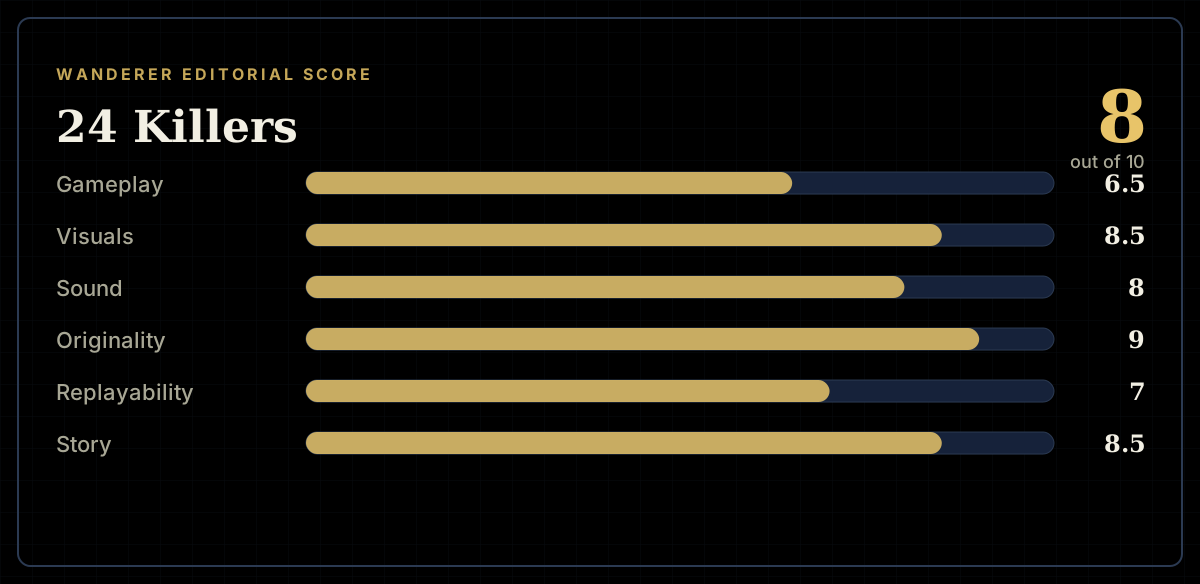
How the review scores each part of the gameWanderer Editorial -
The short versionWanderer Editorial