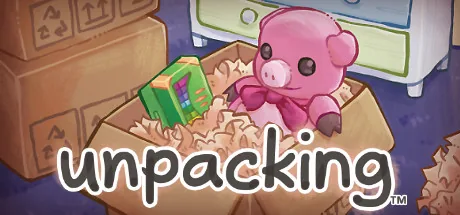
Game review
Unpacking
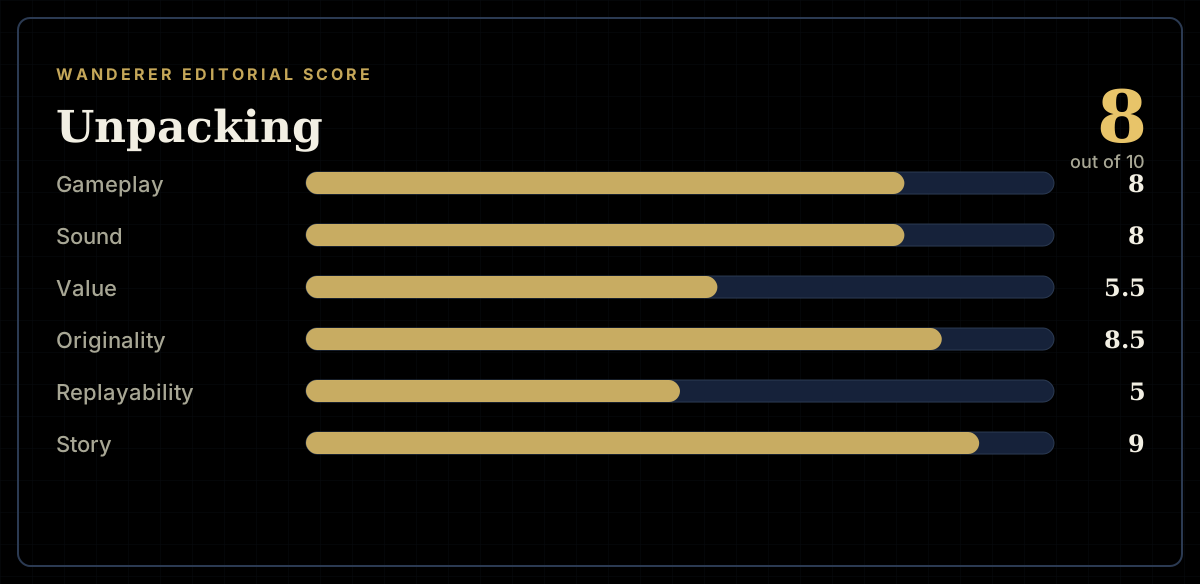
8 / 10
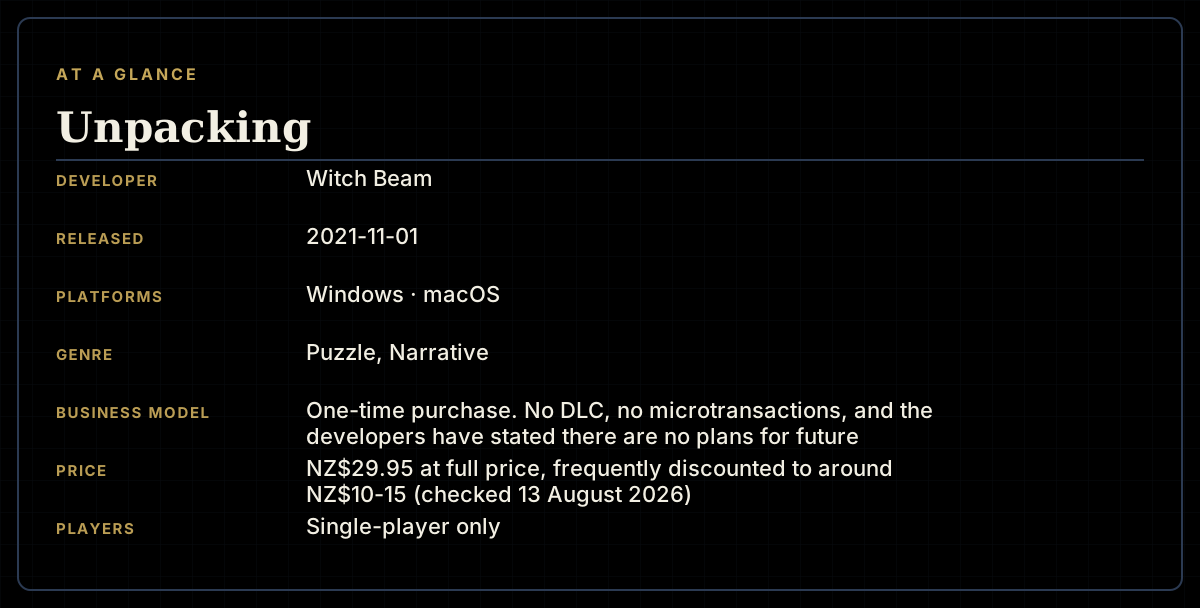
- Developer
- Witch Beam
- Publisher
- Balor Games
- Released
- 1 November 2021
- Platforms
- Windows, macOS
- Genre
- Puzzle, Narrative
- Monetisation
- One-time purchase. No DLC, no microtransactions, and the developers have stated there are no plans for future content updates.
- Players
- Single-player only
The short version
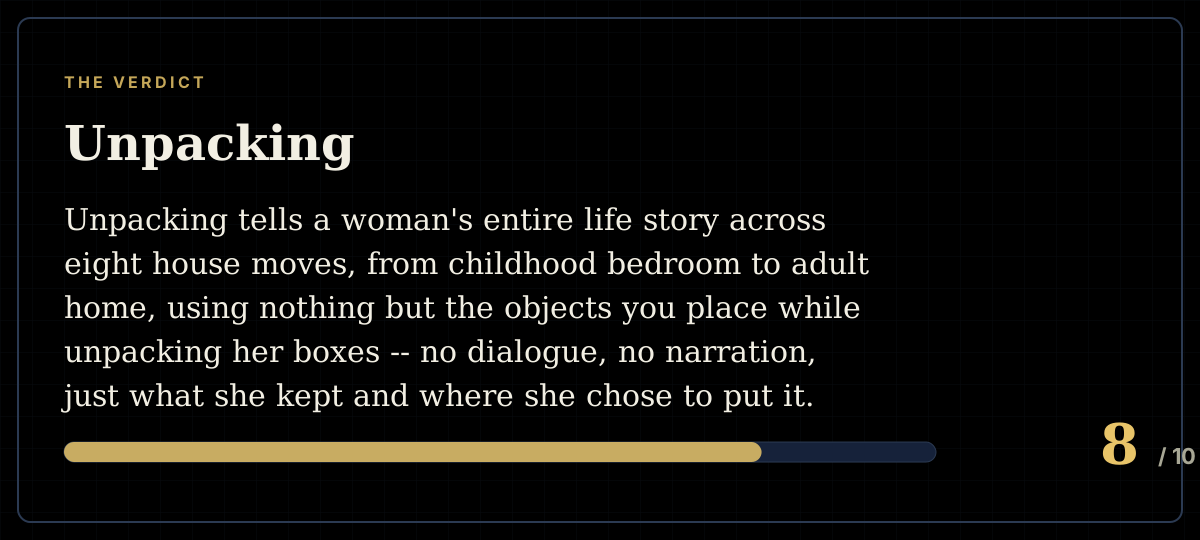
Unpacking tells a woman's entire life story across eight house moves, from childhood bedroom to adult home, using nothing but the objects you place while unpacking her boxes -- no dialogue, no narration, just what she kept and where she chose to put it. It launched on 1 November 2021 and went on to win Best Narrative and the audience-voted Game of the Year at the 2022 BAFTA Games Awards, sitting today at Overwhelmingly Positive on Steam, roughly 93% of 40,591 total reviews.
The one complaint that appears with unusual, near-total consistency across the negative sample -- and inside a large share of positive reviews too -- is length and price: a 3-5 hour experience many reviewers feel doesn't match its NZ$29.95 asking price, made sharper by the developers' confirmed position that no further content updates are planned. It's a remarkably clean, singular criticism sitting inside an otherwise near-universally loved game.
Biggest strengths
- A genuinely inventive wordless narrative -- an entire character's life story, career, and relationships told purely through the objects she owns and where she places them -- that earned a BAFTA for Best Narrative and the public-voted Game of the Year in 2022
- Satisfying, tactile puzzle mechanics with real sound design craft, consistently singled out by reviewers as more engaging than the premise alone would suggest
- A distinctive, low-pressure design -- no timer, no scoring, no failure state -- that lets players move through the story at their own pace
Biggest weaknesses
- An unusually consistent complaint, spanning launch week through 2026, that the roughly 3-5 hour campaign doesn't match its NZ$29.95 asking price -- raised even by reviewers who otherwise loved the game and gave it a thumbs up
- The developers have confirmed there are no plans for further content updates or additional character stories, closing off the most obvious fix reviewers repeatedly suggest
- Effectively no replayability once the story is complete -- several reviewers explicitly note there's little reason to return once you've seen the full arc
Who it's for: Anyone drawn to quiet, low-pressure narrative games told through environmental detail rather than dialogue or cutscenes -- fans of Coffee Talk, A Short Hike or Gris for their atmosphere over their length. Less suited to players who weigh cost primarily against hours of playtime, or who want a game with real replay value.
Our recommendation: A genuine must-play for what it does with such a simple premise, best bought on sale given how consistently reviewers -- fans included -- flag the length-to-price ratio. Go in expecting a complete, polished, three-to-five-hour experience rather than an ongoing game, and you'll get exactly what the BAFTA win promised.
8 / 10
Unpacking's premise is disarmingly simple: across eight house moves spanning roughly two decades of one woman's life, you unpack boxes and arrange her possessions in her new home. There's no dialogue, no narration, no on-screen text beyond the year printed at the start of each move — the entire story of who this person is, what she does, who she loves and what she loses along the way is told entirely through what she owns and where you're able to place it. Developed by the small Australian studio Witch Beam and released on 1 November 2021, it went on to win Best Narrative and the audience-voted Game of the Year at the 2022 BAFTA Games Awards — a remarkable showing for a small studio's debut against much bigger releases that year. Five years on, it sits at Overwhelmingly Positive on Steam, roughly 93% of 40,591 total reviews, with one specific complaint recurring with unusual consistency across virtually the entire review history.
A story told entirely through boxes
What Unpacking does with its central conceit draws close to universal admiration. Reviewers repeatedly describe piecing together the protagonist's life — a graduation, a breakup, a new job, a child — purely from the objects that appear, disappear, or change across each move, without a single line of dialogue explaining any of it. "An absolute joy of a puzzle game that manages to tell a touching, wordless story entirely through moving boxes and arranging room decor," reads a representative 2026 review. The puzzle mechanics themselves earn real, specific praise beyond the narrative concept — tactile sound design, satisfying item placement, and a deliberately low-pressure structure with no timer, scoring or failure state that lets the story unfold at whatever pace a player wants. The BAFTA wins reflect a genuine critical consensus that this is a rare case of a narrative mechanic and a puzzle mechanic being the literal same thing, rather than a story bolted onto gameplay or vice versa.
The complaint nearly everyone makes, fans included
Set against that acclaim, one criticism appears with a consistency rare in this section's coverage: length relative to price. It shows up in the overwhelming majority of the negative sample, and strikingly often inside reviews that ultimately recommend the game too. "A lovely game made by lovely people. The gameplay is relaxing, the music is great, and the art style is adorable," reads a 2,116-vote review — one of the most-upvoted in the entire sample — before landing on a thumbs-down: "There is however, one very large problem with the game. Its length." Reviewers consistently estimate the full experience at somewhere between two and five hours, and price complaints cluster specifically around the NZ$29.95-equivalent full price rather than the game itself: "you pay too much for too little," reads a 745-vote review, "the devs also said there are no plans for future updates with new content or mod support so I really wouldn't recommend, it's overpriced." That detail — a confirmed developer statement ruling out future content — comes up independently across multiple reviews and sharpens the complaint considerably: this isn't reviewers hoping for more that might still arrive, it's reviewers reacting to a stated, permanent ceiling on what the game will ever contain.
It's worth being precise about what this complaint is and isn't. It is not, in the review sample, a complaint about quality — reviewers raising it are often simultaneously praising the game in detail, and several explicitly say they'd recommend it without hesitation at a lower price point or on sale. "Very sweet game, but completely overpriced for a five hour game," reads one representative 2023 review, going on to suggest multiple character stories per purchase would resolve the issue. The achievement data supports how tight and finishable the experience is: a first-achievement completion rate around 98% and a median across 25 achievements of 53.3% — both unusually high for this section's coverage, consistent with a short, complete, well-paced game that the overwhelming majority of buyers who start do finish, rather than one padded or left unresolved.
How it has aged
Unpacking's reputation has settled into something unusually stable for an indie this size: still winning new fans five years on, still drawing the same specific value complaint from a meaningful share of them, and never having addressed that complaint because the developers made an early, public decision not to expand it. That's arguably the right call artistically — a game built around one specific, complete life story doesn't obviously improve by having a second one bolted on — but it does mean the value complaint that appeared in week one is exactly the same complaint appearing in 2026 reviews, unresolved and unlikely to ever be. For a buyer, that's genuinely useful information: the price-to-length ratio you see in reviews today is the permanent state of the game, not a gap that future content will close.
8 out of 10. Unpacking remains a genuinely inventive, beautifully executed piece of design that earned its BAFTA wins honestly — a wordless narrative told through puzzle mechanics that few games have managed as gracefully before or since. Its price-to-length ratio is a real, near-universally flagged issue rather than a quality complaint, and the smart way to experience it is exactly how a large share of its own fans recommend: wait for a sale, then give it the unhurried few hours it was built for.
Pros and cons
Pros
- A genuinely inventive wordless narrative -- an entire character's life story, career, and relationships told purely through the objects she owns and where she places them -- that earned a BAFTA for Best Narrative and the public-voted Game of the Year in 2022
- Satisfying, tactile puzzle mechanics with real sound design craft, consistently singled out by reviewers as more engaging than the premise alone would suggest
- A distinctive, low-pressure design -- no timer, no scoring, no failure state -- that lets players move through the story at their own pace
- A healthy completion curve; the achievement data shows the vast majority of buyers finish it, consistent with a tight, well-paced, fully realised experience rather than an unfinished one
Cons
- An unusually consistent complaint, spanning launch week through 2026, that the roughly 3-5 hour campaign doesn't match its NZ$29.95 asking price -- raised even by reviewers who otherwise loved the game and gave it a thumbs up
- The developers have confirmed there are no plans for further content updates or additional character stories, closing off the most obvious fix reviewers repeatedly suggest
- Effectively no replayability once the story is complete -- several reviewers explicitly note there's little reason to return once you've seen the full arc
- A small, specific frustration from some players around item-placement rules -- certain objects only accept placement in very particular spots, which a handful of reviewers found more fiddly than meditative
Screenshots
-
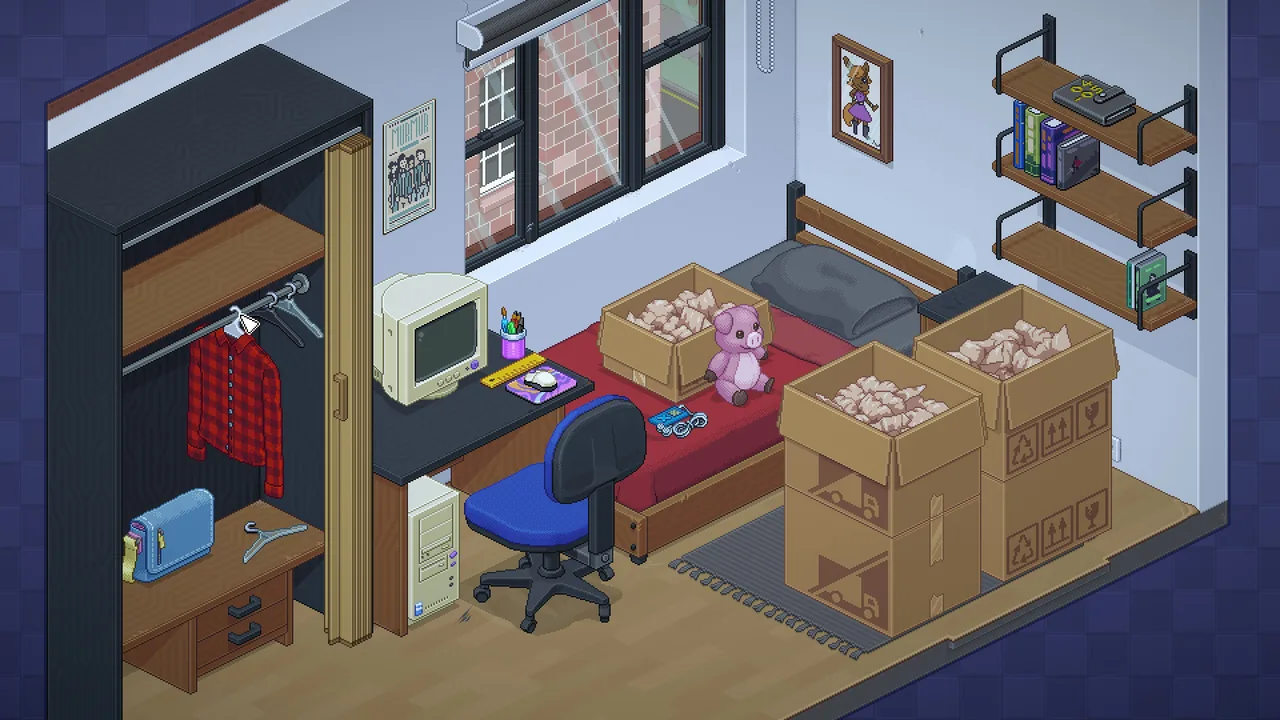
UnpackingImage: Balor Games via Steam -
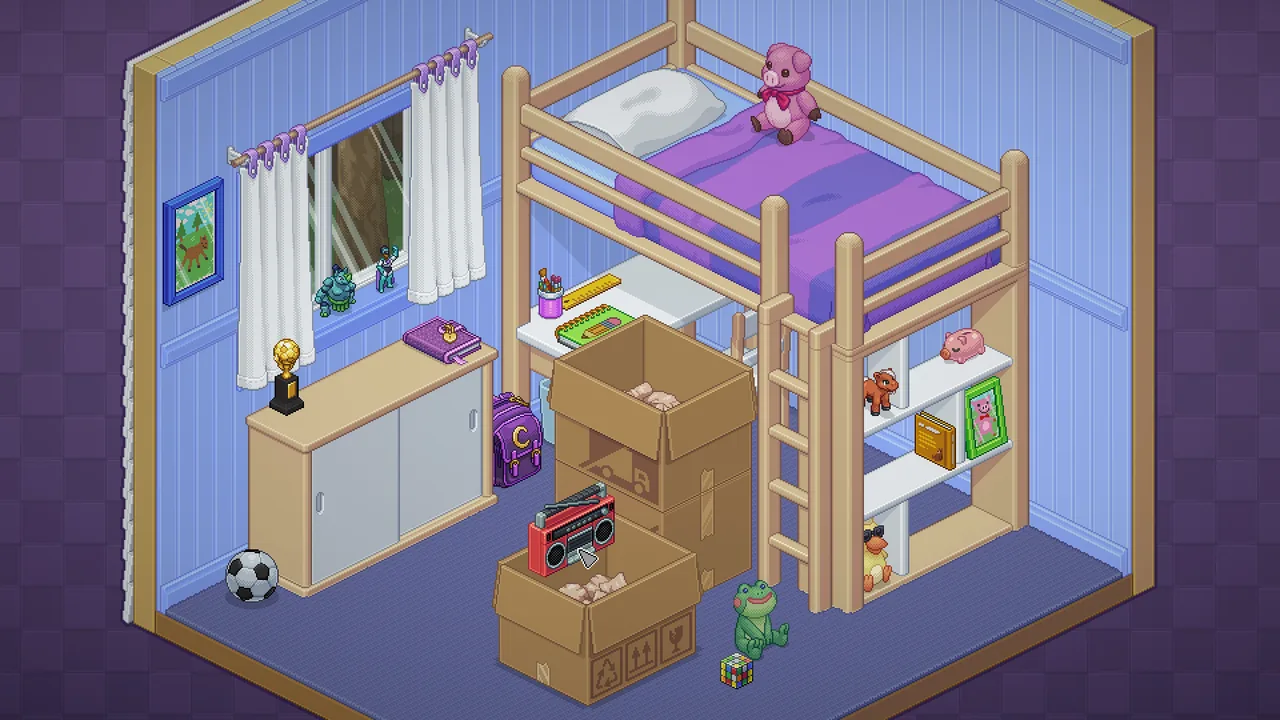
UnpackingImage: Balor Games via Steam -
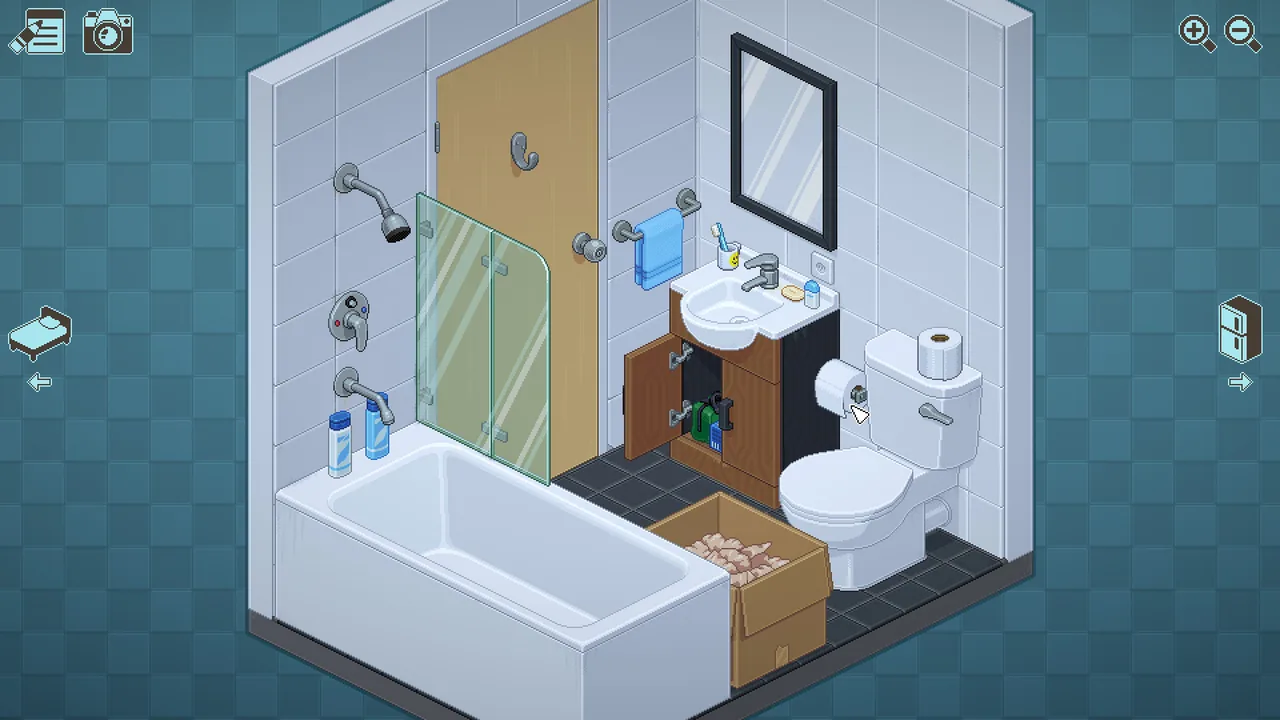
UnpackingImage: Balor Games via Steam -
How the review scores each part of the gameWanderer Editorial -
The essentialsWanderer Editorial -
The short versionWanderer Editorial