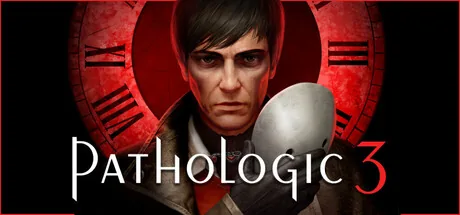
Game review
Pathologic 3
7 / 10
- Developer
- Ice-Pick Lodge
- Publisher
- HypeTrain Digital
- Released
- 9 January 2026
- Platforms
- Windows
- Genre
- Psychological Horror RPG
- Monetisation
- One-off premium purchase, with a separate paid soundtrack; no in-app purchases and no premium currency
- Players
- None. Single-player only, with no leaderboard, co-op or shared-progress feature
The short version
Pathologic 3 sends physician Daniil Dankovsky back to the plague-stricken steppe town at the centre of Ice-Pick Lodge's cult series, this time armed with the ability to travel back in time and undo his own mistakes across a fixed twelve-day outbreak. Very Positive across nearly 2,500 Steam reviews, it's a striking, purposefully uncomfortable piece of interactive fiction that several reviewers compare favourably to Disco Elysium for its dense, literary dialogue. What this review can't gloss over is how consistently, and in how much specific and thoughtful detail, a meaningful share of the series' own longtime fanbase describes real disappointment with the choice to strip out much of the open-world survival management — hunger, thirst, infection, freeform exploration — that defined Pathologic 2, replacing it with fast travel, a Mania/Apathy mental-state system several reviewers call poorly balanced, and a time-loop structure that some argue undermines the series' signature sense of irreversible consequence. Checking the developer's own, unusually candid post-launch communications confirms the game shipped with a real volume of bugs, met head-on with an aggressive hotfix cadence — five hotfixes in the first week alone — and a June 2026 update in which the studio directly, personally addressed both bug-fixing progress and community difficulty feedback.
Biggest strengths
- Dense, literary, unusually intelligent dialogue draws sustained praise across nearly the entire review sample, with several reviewers explicitly comparing the writing favourably to Disco Elysium
- A genuinely bold structural experiment — a fixed twelve-day outbreak explored and re-explored via time travel — gives the series a new, distinctive shape rather than simply repeating Pathologic 2's formula
- The developer's post-launch communication is unusually candid and personal, directly addressing both bugs and difficulty feedback from the community with real specificity rather than generic patch notes
Biggest weaknesses
- A substantial, detailed thread of criticism from longtime fans argues the shift away from Pathologic 2's open-world survival mechanics — hunger, thirst, infection management, freeform exploration — removes what made the series distinctive as a game rather than a visual novel
- The time-loop structure that lets players redo failed days draws a specific, recurring complaint that it undermines the series' signature sense of irreversible, weighty consequence
- The new Mania/Apathy mental-state system draws pointed criticism as a mechanic that sounds interesting on paper but plays out as punishing and poorly balanced in practice
Who it's for: Existing Pathologic and Disco Elysium fans comfortable with a dense, deliberately difficult-to-parse narrative, and newcomers curious about one of the medium's most distinctive ongoing experiments — with a real caveat for players specifically attached to Pathologic 2's survival-sim mechanics.
Our recommendation: A genuinely bold, distinctive piece of narrative game design that newcomers and Disco Elysium fans are likely to find enthralling, and a much more divisive proposition for existing series fans who loved Pathologic 2's punishing open-world survival specifically.
7 / 10
Few ongoing series have a reputation quite like Pathologic's. Ice-Pick Lodge's original 2005 release and its 2019 remake, Pathologic 2, are frequently described by their admirers in terms usually reserved for difficult, essential literature — "the most important games you have never played" is a phrase that recurs, only half-jokingly, across this review's own sample. Pathologic 3, released 9 January 2026, retells the same twelve-day plague outbreak in the same steppe town from the perspective of a new protagonist, physician Daniil Dankovsky — and does so with a fundamentally different set of tools than either prior version. Very Positive across nearly 2,500 Steam reviews, it's a genuine, ambitious piece of narrative design. It's also the site of a real, detailed, good-faith disagreement among the series' own most devoted fans about whether that reinvention was the right call, and understanding both sides of that argument honestly is what this review sets out to do.
A bold structural experiment, told through unusually intelligent writing
Almost nobody in the review sample disputes the quality of the writing itself. "The writing is outstanding, I have never seen a script respect my intelligence so much," one review states, a sentiment echoed constantly across the sample by reviewers who otherwise disagree sharply about the game's mechanics. Multiple reviewers reach for the same specific comparison point: "This game is not Pathologic, but rather Disco Elysium wrapped in a pathologic game world," one writes — not entirely approvingly, but capturing a genuine structural shift toward dense, branching dialogue and internal monologue that recurs across positive reviews as well. "There's drugs, time travel, weird creatures, eccentric characters, plenty of mysteries to solve, and conversations that literally make you shoot yourself," another review states, referencing a mechanic — Dankovsky's mental state deteriorating into self-destructive Mania under sufficiently disturbing dialogue choices — that's blackly comic in description and, as later sections cover, genuinely divisive in practice.
The time-loop premise itself draws real, specific credit as a structural achievement distinct from either prior version of the game. Rather than exploring the twelve-day outbreak once, in one irreversible playthrough, Dankovsky can return to earlier days armed with knowledge from later ones — "you must return to the beginning, fix your mistakes, save the town," as the game's own description puts it. One long-time fan, several playthroughs deep across all three versions of the story, frames the achievement carefully: "I'm still amazed how they managed to tell the same story — with the same characters, the same locations, and the same motives — three times, and somehow make it just as convoluted, intense, and intriguing as it was 20 years ago." That's a meaningful accomplishment specifically because it comes from a series famous enough that Ice-Pick Lodge could have simply repeated Pathologic 2's structure with a new coat of paint, and chose a genuinely different design instead.
The disagreement longtime fans are having with each other
What makes Pathologic 3's reception more interesting than a simple positive score is how openly, and in how much technical detail, the series' own fanbase disagrees about that choice. The core of the complaint concerns what's been removed rather than what's been added. "In Pathologic 2 you had to manage — at minimum — your hunger, thirst, infection level," one detailed review states, describing systems central to that game's identity as a punishing open-world survival experience. "This game throws out survival and time management mechanics without" replacing them with something of comparable depth, another argues, while a third puts it more sharply: "They removed so many things I don't understand why they don't make a visual novel at this point." A further specific complaint targets fast travel replacing Pathologic 2's fully walkable open world: "The dumbest decision ever was to change open-world gameplay to fast travel, even just to walk a few steps between districts," one review states, arguing that the friction of physically traversing the town was itself load-bearing to the series' sense of dread and scarcity.
The time-loop structure draws its own, separate and equally specific complaint: that being able to redo a failed day undercuts the series' reputation for consequences that stick. "Before this game, Pathologic franchise was about STRUGGLE, SURVIVAL AGAINST ALL ODDS, FACING CONSEQUENCES OF YOUR CHOICES — WHICH MATTERED," one review states. "Now, with this game, none of my choices matter. In the end I get to and I have to replay the day I messed up." That's a coherent, specific design critique rather than a vague sense of disappointment, and it's worth taking seriously as a real trade-off the developer made rather than an oversight.
The new Mania/Apathy mental-state system draws its own pointed, mechanical criticism. "Mania/Apathy sounds like a cool mechanic on paper but was a major miss," one review states, describing a system where certain dialogue choices can trigger extreme, punishing swings in Dankovsky's mental state — "you either shoot yourself after a single conversation if you tell a little girl dinosaurs were real, or your heart explodes because you suggested setting up a hospital" — that some reviewers find genuinely funny in concept and frustrating in execution, since Apathy specifically slows movement to a crawl for an extended stretch.
Crucially, none of this reads as reviewers dismissing the game outright — several of the sharpest, most detailed critiques explicitly note they wanted to love it. "As a huge fan of Pathologic 2 I really REALLY wanted to enjoy this game but there are some design choices that keep me from being able to love this game like I did that last one," one such review states, going on to describe requesting a refund out of genuine disappointment rather than indifference. That's a meaningfully different, more painful kind of criticism than simple dislike, and it recurs often enough across the sample to treat as a real, load-bearing finding about this specific game rather than reflexive "the sequel isn't as good" grumbling.
Newcomers, by contrast, describe a strong entry point
Reviewers approaching the series for the first time through Pathologic 3 consistently describe a markedly more positive, less conflicted experience. "I think the sooner players realize this is a Noir Detective Mystery Thriller with time travel and mental health themes and not another Hobo-Survival-Simulator or 'Horror Game' the more fun they will have," one review argues, framing the mechanical changes as a genuine reorientation of what kind of game this is meant to be rather than a lesser version of Pathologic 2. Another, more directly: "If you haven't played Pathologic 2, play Pathologic 3! You will probably enjoy it. If you have played and loved 2, I'm not sure you'll enjoy 3" — a candid, specific acknowledgment from within the review sample itself that prior history with the series is the single best predictor of how a given player will react.
A genuinely rough launch, met with an unusually candid response
Separate from the mechanical debate, launch was real and specifically marred by bugs. "Releasing a game with this many game breaking bugs is... a choice," one review states bluntly, while another describes quest logic breaking down entirely: "characters will calmly reveal major deaths which the player wasn't supposed to know about yet." Checking the developer's own communications directly confirms this wasn't an exaggeration. In a post published one week after launch, Ice-Pick Lodge stated plainly: "It's been a week since launch... over the past week we shipped 5 hotfixes." A further eleven numbered hotfixes and three major updates followed over the next two months, and the studio's own account in a detailed June 2026 dev update — written personally by producer Alexander Souslov — states directly: "There were quite a lot of bugs. Quite a lot... I'd dare say most of them had already been fixed by the March update, but we've continued polishing the game." That same post directly addresses the difficulty complaints raised by players, acknowledging the game had been tuned too punishingly in late testing and describing specific rebalancing work undertaken in response — a level of direct, personal, dated engagement with community feedback this review found unusually candid for a studio of Ice-Pick Lodge's size.
Where this leaves a buyer
At NZ$34.99 discounted from NZ$49.99, Pathologic 3 delivers a genuinely bold, distinctively written piece of narrative game design — the writing itself is close to unanimously praised, and the time-loop structure is a real, thoughtful evolution of a series that could easily have coasted on repeating its prior formula. The honest, necessary caveat concerns exactly what's been traded away to make room for that evolution: a substantial, detailed thread of the series' own longtime fanbase found the loss of Pathologic 2's open-world survival mechanics, combined with a time-loop structure that softens the weight of failure, a real diminishment of what made the series distinctive as a game rather than simply as a story. Newcomers and Disco Elysium fans drawn to dense, literary interactive fiction are likely to find this an outstanding, accessible entry point into one of the medium's most singular ongoing experiments. Existing fans specifically attached to Pathologic 2's punishing survival systems should go in with realistic expectations about how much of that specific experience has been left behind — and can take some comfort in a developer that has spent the better part of a year, transparently and in its own words, still trying to get this right.
Pros and cons
Pros
- Dense, literary, unusually intelligent dialogue draws sustained praise across nearly the entire review sample, with several reviewers explicitly comparing the writing favourably to Disco Elysium
- A genuinely bold structural experiment — a fixed twelve-day outbreak explored and re-explored via time travel — gives the series a new, distinctive shape rather than simply repeating Pathologic 2's formula
- The developer's post-launch communication is unusually candid and personal, directly addressing both bugs and difficulty feedback from the community with real specificity rather than generic patch notes
- A markedly more accessible entry point than Pathologic 2 for players intimidated by that game's infamous survival-management difficulty, while still preserving the series' bleak, singular tone
Cons
- A substantial, detailed thread of criticism from longtime fans argues the shift away from Pathologic 2's open-world survival mechanics — hunger, thirst, infection management, freeform exploration — removes what made the series distinctive as a game rather than a visual novel
- The time-loop structure that lets players redo failed days draws a specific, recurring complaint that it undermines the series' signature sense of irreversible, weighty consequence
- The new Mania/Apathy mental-state system draws pointed criticism as a mechanic that sounds interesting on paper but plays out as punishing and poorly balanced in practice
- Launch was genuinely marred by a high volume of bugs, including quest-logic issues where characters reference events the player hasn't experienced yet; the developer's own account confirms this was a real problem, addressed through months of sustained patching rather than a quick fix
Screenshots
-
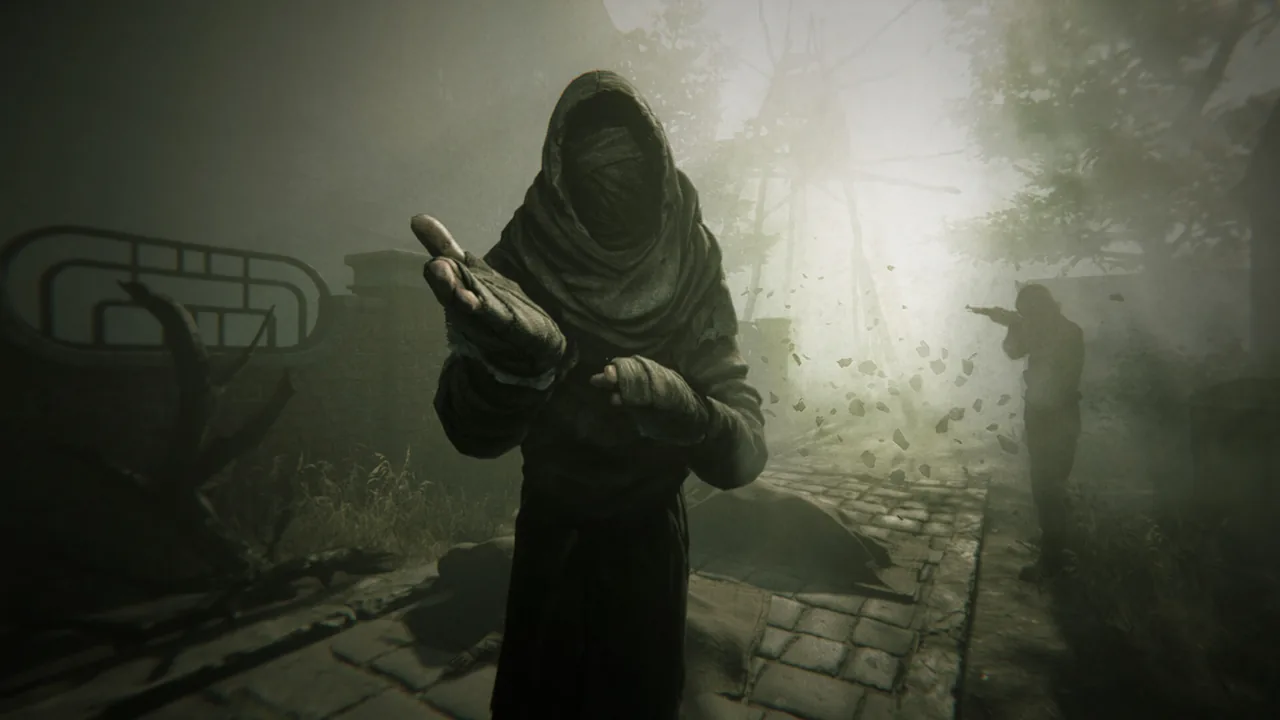
Pathologic 3Image: HypeTrain Digital via Steam -
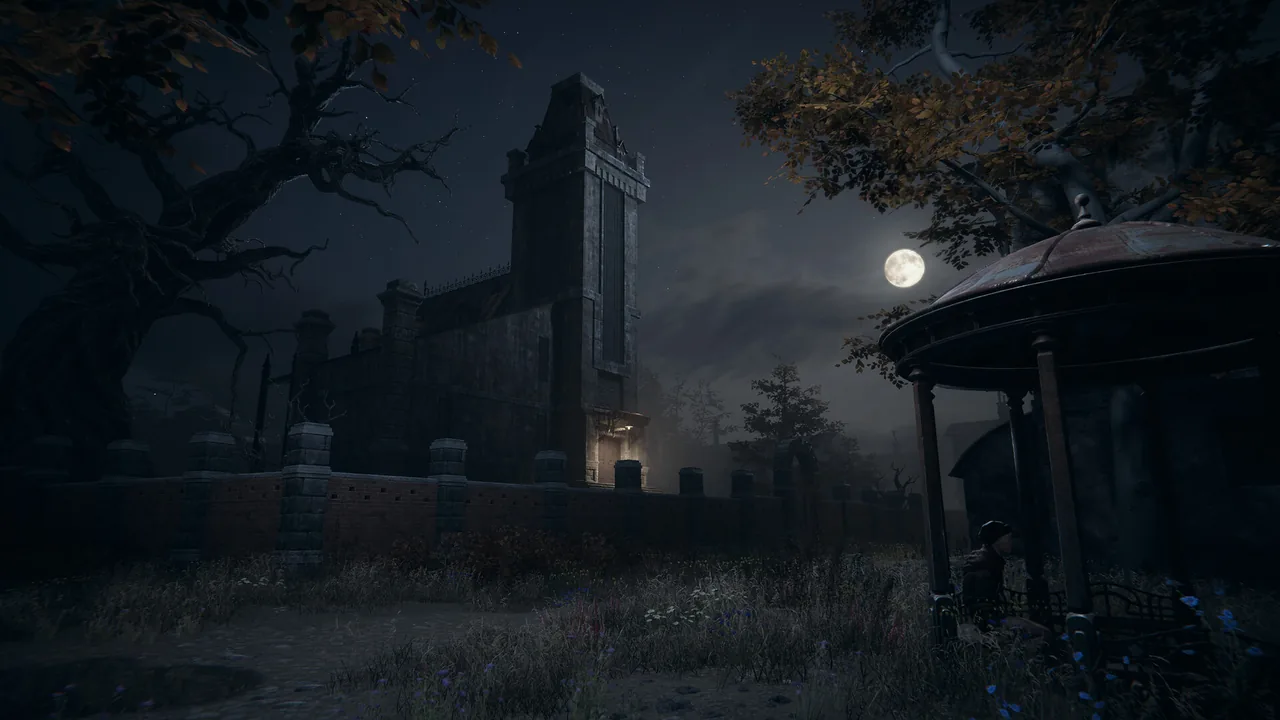
Pathologic 3Image: HypeTrain Digital via Steam -
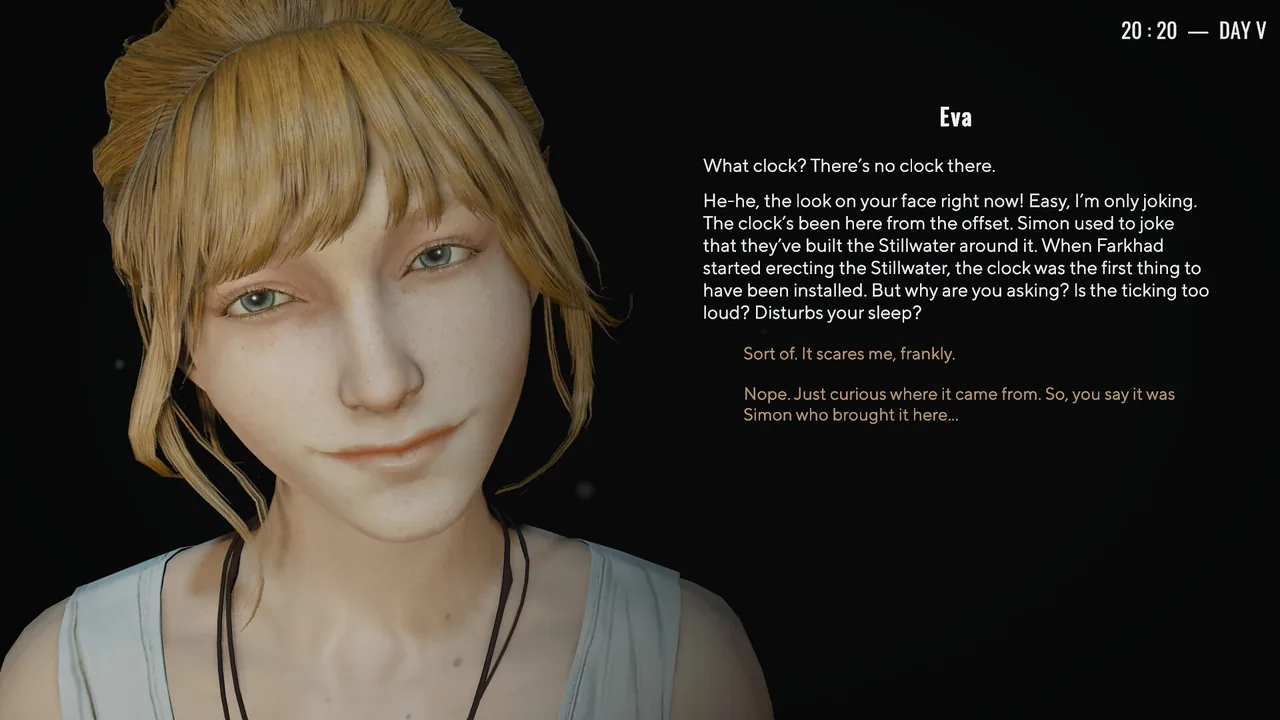
Pathologic 3Image: HypeTrain Digital via Steam -
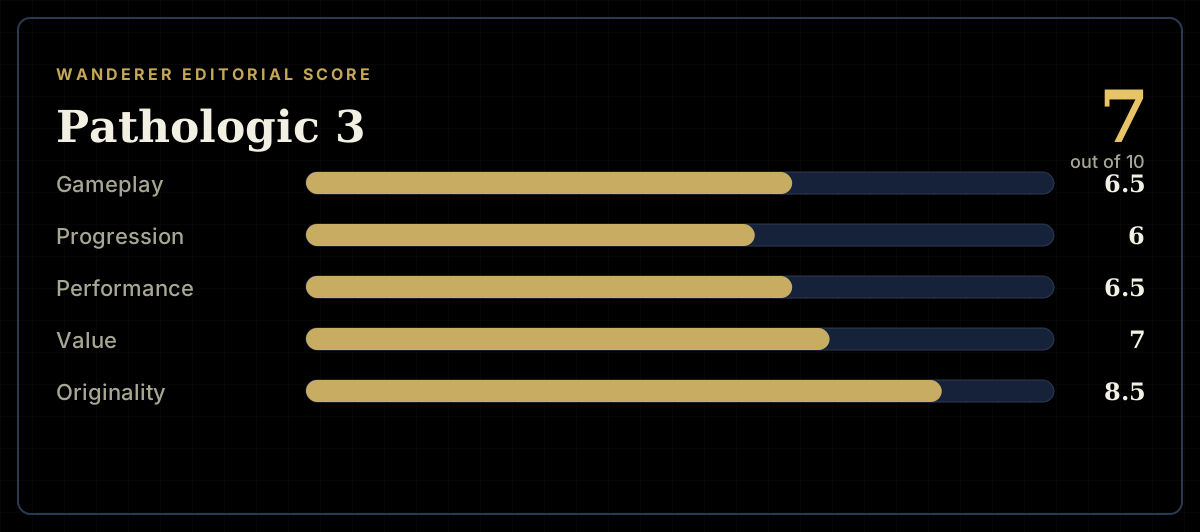
How the review scores each part of the gameWanderer Editorial -
The short versionWanderer Editorial