Game review
Look Outside
8 / 10
- Developer
- Francis Coulombe
- Publisher
- Devolver Digital
- Released
- 21 March 2025
- Platforms
- Windows
- Genre
- Survival Horror RPG
- Monetisation
- One-time purchase, no in-game store
- Players
- Single-player only
The short version
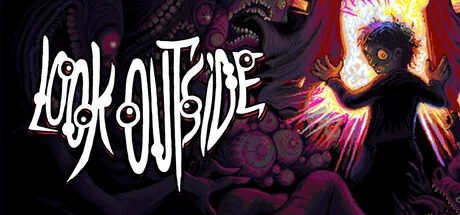
Look Outside is a pixel-art survival horror RPG from solo developer Francis Coulombe, published by Devolver Digital, trapping the player inside a single apartment building after a mysterious event turns anyone who glances out a window into a grotesque monster. Released 21 March 2025 for NZ$14.99, it has become a genuine cult phenomenon — 98.3% positive across a massive 14,102-review all-language corpus and an identical 98.3% across 9,907 English-language reviews, figures this outlet rarely sees at this scale. This review reads the 100 most-relevant English negative reviews and finds a corpus that mostly agrees with the game's own fans on presentation while documenting a real, specific mechanical complaint cluster: 32 of the 100 raise a punishing, limited save system, 30 raise combat and general gameplay execution, and 25 describe a trial-and-error, RNG-dependent design that all but requires a guide to navigate without repeated, punishing setbacks. One especially sharp negative review captures the split precisely: "you'll notice that most of the positive reviews mention everything but the gameplay, and that's not a coincidence."
Biggest strengths
- Writing, atmosphere and worldbuilding draw extraordinarily consistent, passionate praise, with reviewers repeatedly calling it one of the best horror or RPG experiences they've had in years, one comparing it to "Earthbound if it was made by David Cronenberg"
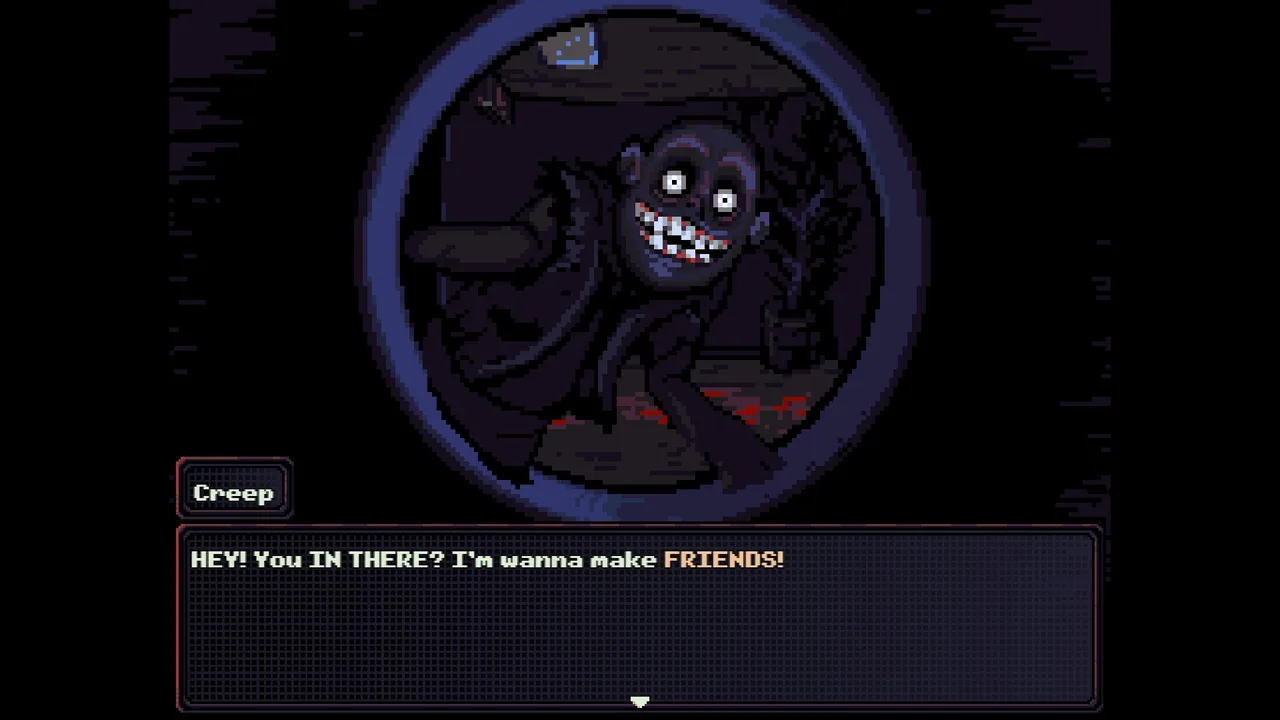
- Sprite work and creature design earn specific, detailed credit as some of the best pixel art this reviewer base has seen, with monster designs praised for genuine horror without leaning on shock value alone
- The game's emotional register draws unusually thoughtful praise — several reviewers describe it as fundamentally humane rather than nihilistic, crediting it with treating its horrific creatures with unexpected empathy rather than using them purely as threats
Biggest weaknesses
- A punishing, limited save system is this review's most-repeated specific complaint — 32 of the 100 negative reviews raise it, describing meaningful progress lost to death or forced unexpected save triggers, with one reviewer losing 40 minutes after inadvertently overwriting a save before intending to
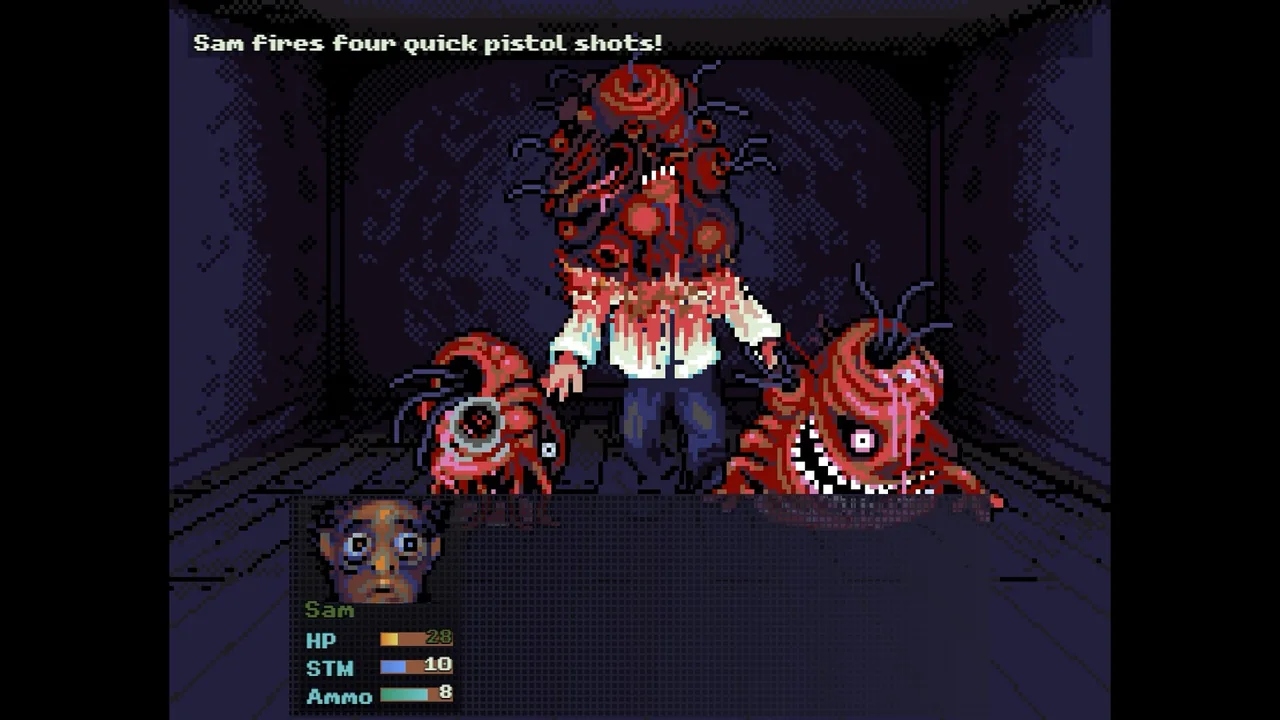
- Combat and general gameplay execution draw real, specific criticism in 30 of the 100 negatives, with several reviewers describing fights as imbalanced, poorly telegraphed, or simply not fun relative to the strength of the writing surrounding them
- Twenty-five of the 100 negatives describe a trial-and-error, RNG-dependent structure that effectively requires a walkthrough to avoid repeated punishing setbacks, undercutting the "played blind" experience several positive reviews specifically recommend
Who it's for: Fans of atmospheric, story-driven horror RPGs who can tolerate real mechanical friction and punishing failure states; a tougher sell for anyone who wants smooth, well-balanced combat to match the game's storytelling.
Our recommendation: A genuinely exceptional piece of horror storytelling and pixel art that has earned its cult following honestly — but go in prepared for real mechanical roughness, and consider playing with a guide open if repeated punishing setbacks would sour the experience for you.
8 / 10
Introduction
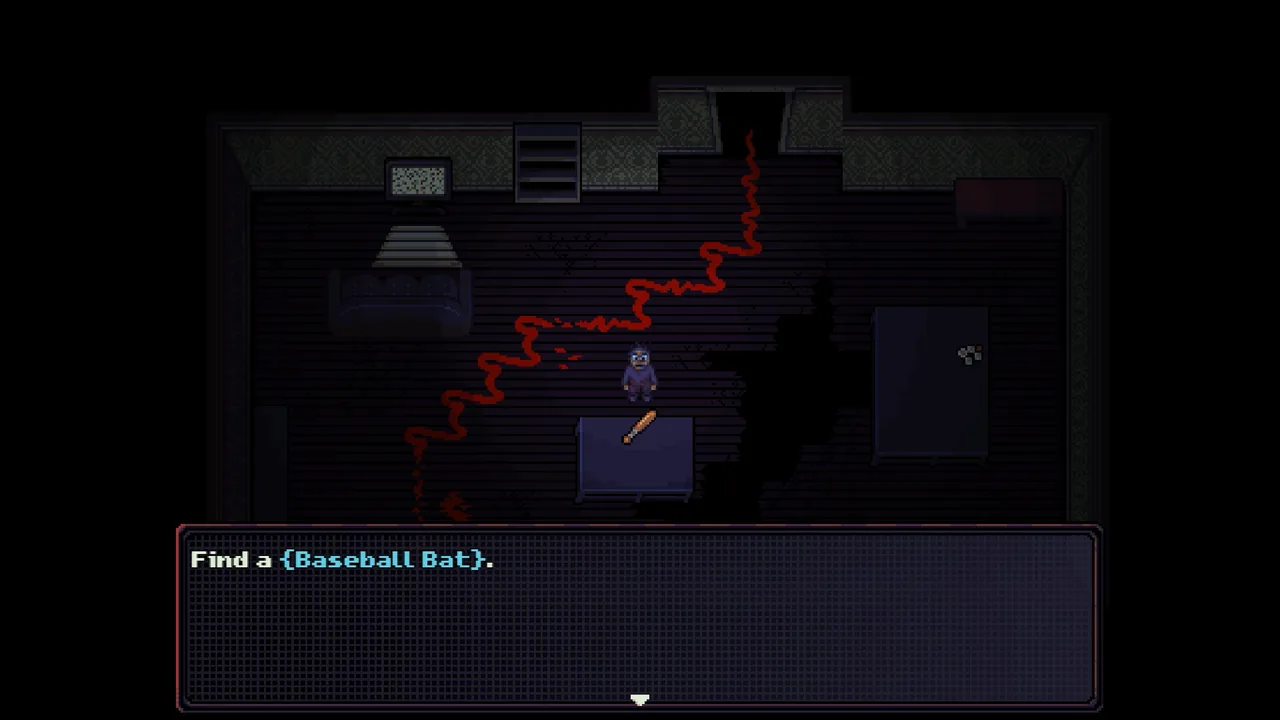
Look Outside strands the player inside a single apartment building after a mysterious event turns anyone who looks directly out a window into a grotesque monster, blending survival horror with RPG systems across a story about isolation, transformation and unexpected humanity. Developed solo by Francis Coulombe and published by Devolver Digital, it released 21 March 2025 for NZ$14.99 and has become a genuine cult phenomenon since — 98.3% positive across both its 14,102-review all-language corpus and its 9,907-review English-language sample, figures this outlet rarely encounters at this scale. This review reads the 100 most-relevant English negative reviews in full, and finds a corpus whose criticism, where it exists, is specific and mechanical rather than a challenge to the game's enormous reputation for atmosphere and storytelling.
A genuine cult favourite, and it's earned
It's worth stating plainly how strong the enthusiasm in this review's positive sample is, because it shapes how the criticism below should be read. "Definitely the indie goty of 2025," reads a 293-vote review, comparing the game to "Earthbound if it was made by David Cronenberg." Another, 376 votes, calls it "the best" horror-adjacent experience they'd found in years of searching, specifically praising it for being "potentially horrific but not sexual." What's notable across this praise is how often it centres on the game's emotional register rather than pure scares — several reviewers describe the game as fundamentally humane, one noting they came in "expecting scary monsters to kill" and "ended up adopting a wholesome family of weirdos," crediting the writing with treating its transformed creatures with genuine empathy rather than using them purely as threats. Sprite work and creature design draw their own specific, detailed praise as some of the best pixel art this reviewer base has encountered, credited with genuine horror atmosphere without leaning on shock value alone.
The specific complaint the fans mostly don't share
Read the negative sample closely and one line captures the split precisely: "you'll notice that most of the positive reviews mention everything but the gameplay, and that's not a coincidence." That's the thesis running through this review's negative sample, and it's specific rather than vague. Thirty-two of the 100 negative reviews raise a punishing, limited save system as their central complaint — meaningful progress lost to death, or, in one specific and frustrating case, a reviewer accidentally overwriting a save before they meant to and losing 40 minutes of progress as a result. Thirty of the 100 criticise combat and gameplay execution directly, describing fights as imbalanced or poorly telegraphed relative to the sophistication of the writing around them. And 25 of the 100 describe a trial-and-error structure dependent on randomness, effectively requiring a guide to avoid repeated punishing setbacks — a real tension with the several positive reviews that specifically recommend playing "blind" for the best experience, since going in without a guide is exactly what this cluster of reviewers found painful rather than rewarding.
A second-half decline, for some
A smaller but real thread in this review's sample describes the game's quality slipping as it progresses. "What started out as an interactive horror mystery turned in[to]..." reads one representative review, describing the back half leaning more heavily into the mechanical elements several reviewers found weakest. Another, 43 hours in, calls the first half "very fine-tuned and well made" before describing a drop-off "until the second half." This is a distinct complaint from the save-system and RNG issues above — it's about pacing and structural balance across the whole runtime rather than any single mechanic — and it's worth separating for readers weighing how much the back half might test their patience even if the opening hours win them over completely.
What the numbers suggest
Steam's achievement data offers a useful counterpoint to the difficulty complaints: across 152 tracked achievements, the median completion rate is 12.0%, with the easiest at 94.6%. That's a real drop-off consistent with a genuinely punishing game, but it also reflects a large, dedicated achievement-chasing playerbase still pushing through that difficulty in meaningful numbers — not a game people are simply bouncing off early and abandoning.
Final Verdict
Look Outside has earned its status as one of 2025's most talked-about indie releases through genuinely exceptional storytelling, art and emotional intelligence — this review's read of its overwhelming positive sample finds specific, detailed, repeated praise rather than vague hype, and the raw scale of its 98%-plus rating across nearly ten thousand English-language reviews alone is rare in this library's coverage. What its own small negative sample adds, worth taking seriously precisely because it doesn't try to argue with the presentation, is a specific, three-part mechanical critique: a save system some players find genuinely punishing rather than tense, combat that several reviewers say doesn't match the writing's polish, and a difficulty curve dependent enough on trial-and-error that the "play it blind" recommendation several fans give may cost other players real frustration rather than discovery. This is still an easy recommendation for horror and RPG fans who can tolerate that friction — just go in with clear eyes about where it comes from.
Pros and cons
Pros
- Writing, atmosphere and worldbuilding draw extraordinarily consistent, passionate praise, with reviewers repeatedly calling it one of the best horror or RPG experiences they've had in years, one comparing it to "Earthbound if it was made by David Cronenberg"
- Sprite work and creature design earn specific, detailed credit as some of the best pixel art this reviewer base has seen, with monster designs praised for genuine horror without leaning on shock value alone
- The game's emotional register draws unusually thoughtful praise — several reviewers describe it as fundamentally humane rather than nihilistic, crediting it with treating its horrific creatures with unexpected empathy rather than using them purely as threats
- A large, dedicated achievement-chasing playerbase exists despite the game's difficulty, with 152 tracked achievements and a reasonable median completion of 12.0%, indicating real sustained engagement from committed players
Cons
- A punishing, limited save system is this review's most-repeated specific complaint — 32 of the 100 negative reviews raise it, describing meaningful progress lost to death or forced unexpected save triggers, with one reviewer losing 40 minutes after inadvertently overwriting a save before intending to
- Combat and general gameplay execution draw real, specific criticism in 30 of the 100 negatives, with several reviewers describing fights as imbalanced, poorly telegraphed, or simply not fun relative to the strength of the writing surrounding them
- Twenty-five of the 100 negatives describe a trial-and-error, RNG-dependent structure that effectively requires a walkthrough to avoid repeated punishing setbacks, undercutting the "played blind" experience several positive reviews specifically recommend
- A smaller but real cluster of reviews describe the game's quality declining in its second half, with pacing and mechanical missteps becoming more frequent as the story progresses past its strong opening hours
Screenshots
-
Look OutsideImage: Devolver Digital via Steam -
Look OutsideImage: Devolver Digital via Steam -
Look OutsideImage: Devolver Digital via Steam -
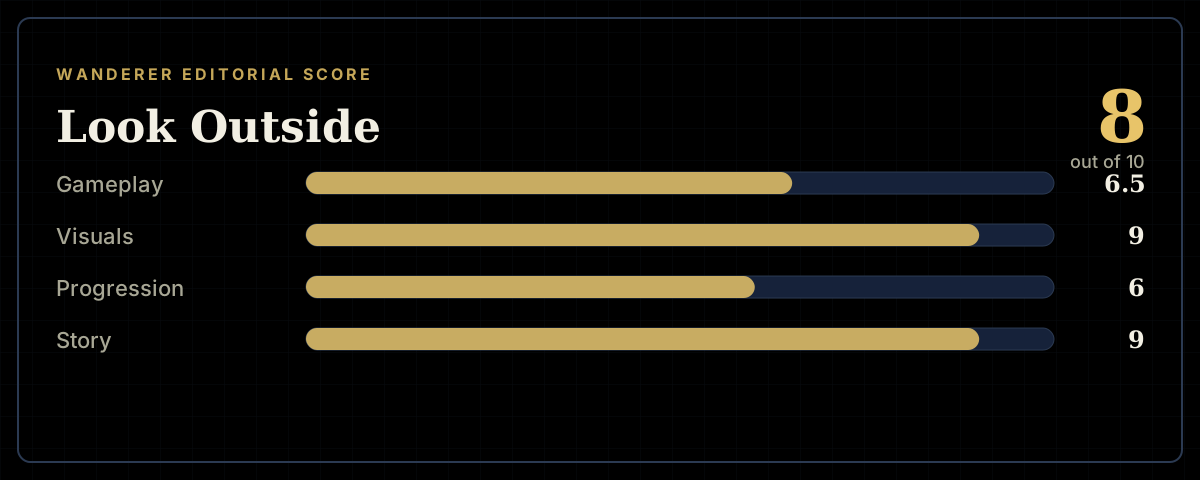
How the review scores each part of the gameWanderer Editorial -
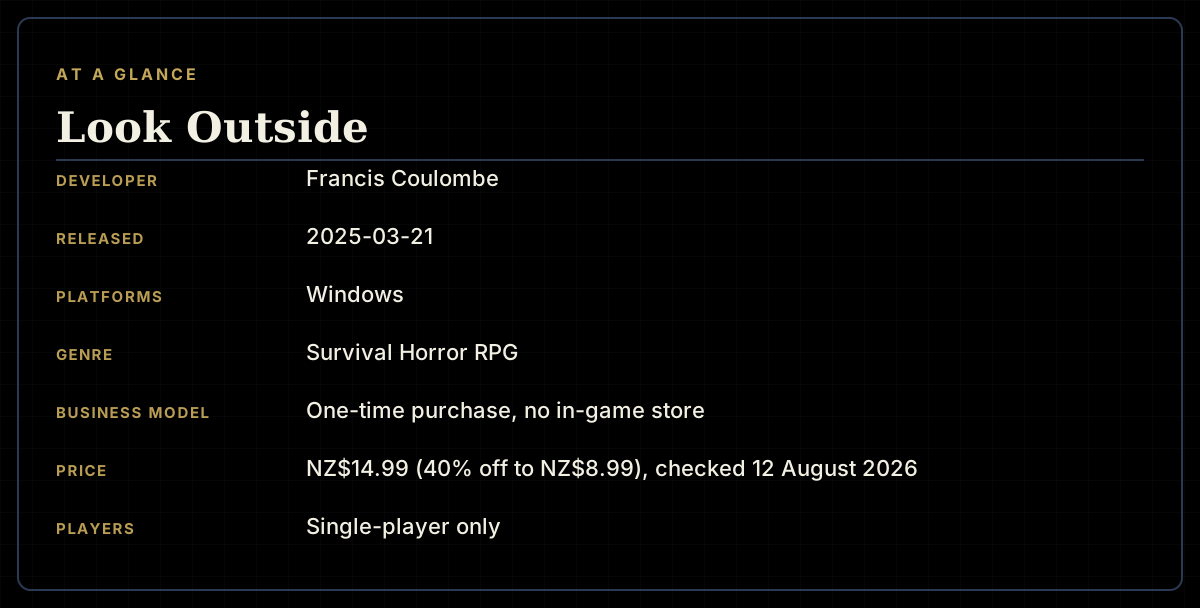
The essentials at a glanceWanderer Editorial -
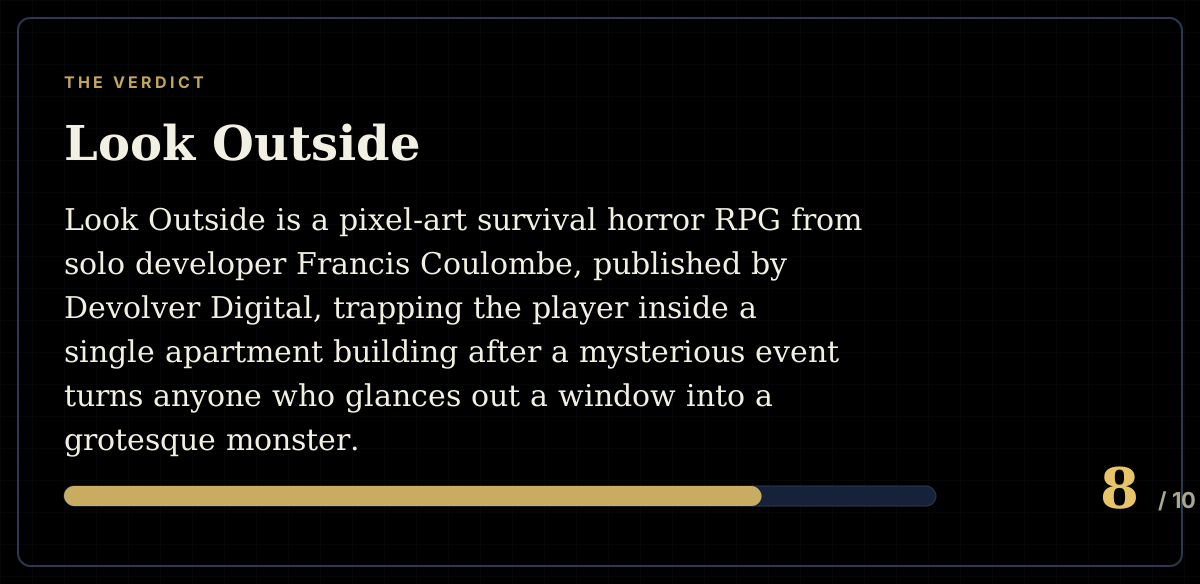
The short versionWanderer Editorial