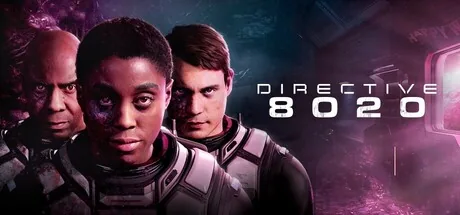
Game review
Directive 8020
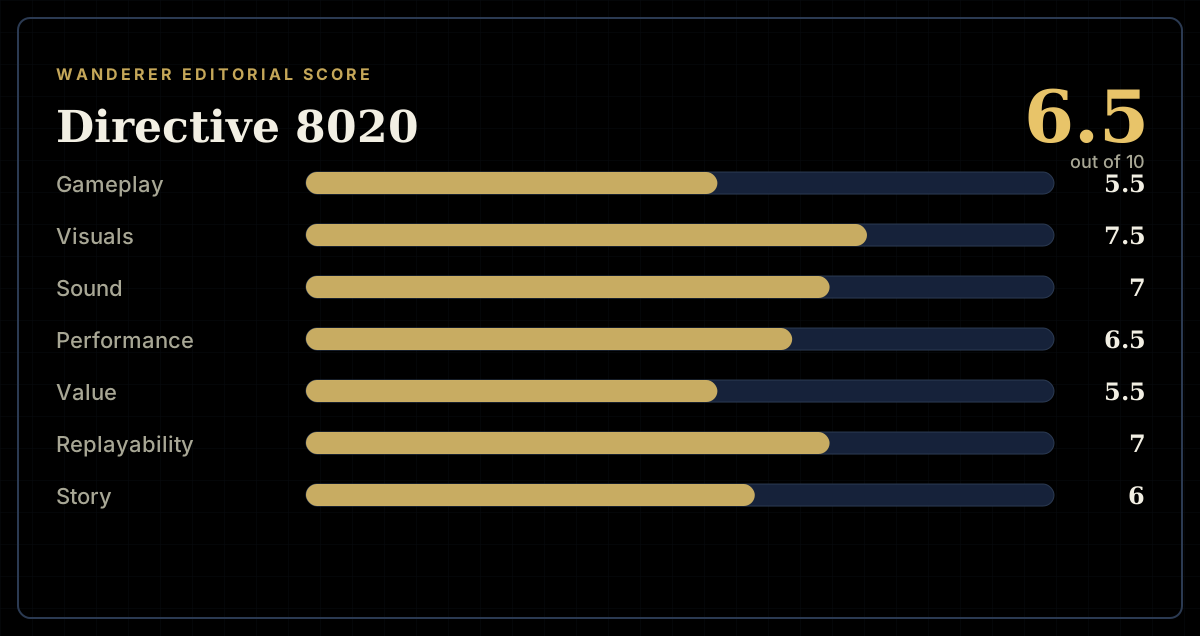
6.5 / 10
- Developer
- Supermassive Games
- Publisher
- Supermassive Games
- Released
- 12 May 2026
- Platforms
- Windows, PlayStation 5, Xbox Series X|S
- Genre
- Narrative Horror
- Monetisation
- One-time purchase plus a Digital Deluxe upgrade. No in-game purchases.
- Players
- Single-player only
The short version
For about four hours Directive 8020 is the best thing Supermassive have made. You're aboard a crashed colony ship twelve light years from Earth with something that copies people, and the tension comes from radioing crewmates and listening to how they answer. That's a genuinely frightening idea, and the early chapters play it properly.
Then it becomes a stealth game about a monster. Reviewers describe the mimic concept being effectively abandoned, the second half fumbling its own setup, and eight hours of sneaking that one player calls "a never-ending stealth tutorial." The branching Turning Points system is a real step forward for the studio, and it's attached to a story that stops being about the thing that made it interesting.
Biggest strengths
- An outstanding premise, and an opening act that plays the paranoia properly
- The Turning Points branching system gives choices more visible weight than the studio's earlier games managed
- Genuinely replayable — divergent paths and endings reward a second run, which is rare in the genre
Biggest weaknesses
- The mimic-alien concept is largely dropped after the opening act, which reviewers raise repeatedly and specifically
- Stealth dominates the moment-to-moment play and rarely varies across roughly eight hours
- Writing draws heavy criticism — described as simultaneously predictable and hard to follow
Who it's for: Supermassive regulars and players who want a cinematic sci-fi horror with meaningful branching, and who'll forgive slack moment-to-moment play. Not for anyone who wants the paranoia thriller the opening promises to sustain itself.
Our recommendation: Wait for a discount. The first half is genuinely good and the branching gives it real replay value, but NZ$79.99 for roughly nine hours of a game that squanders its own premise is a hard ask at full price.
6.5 / 10
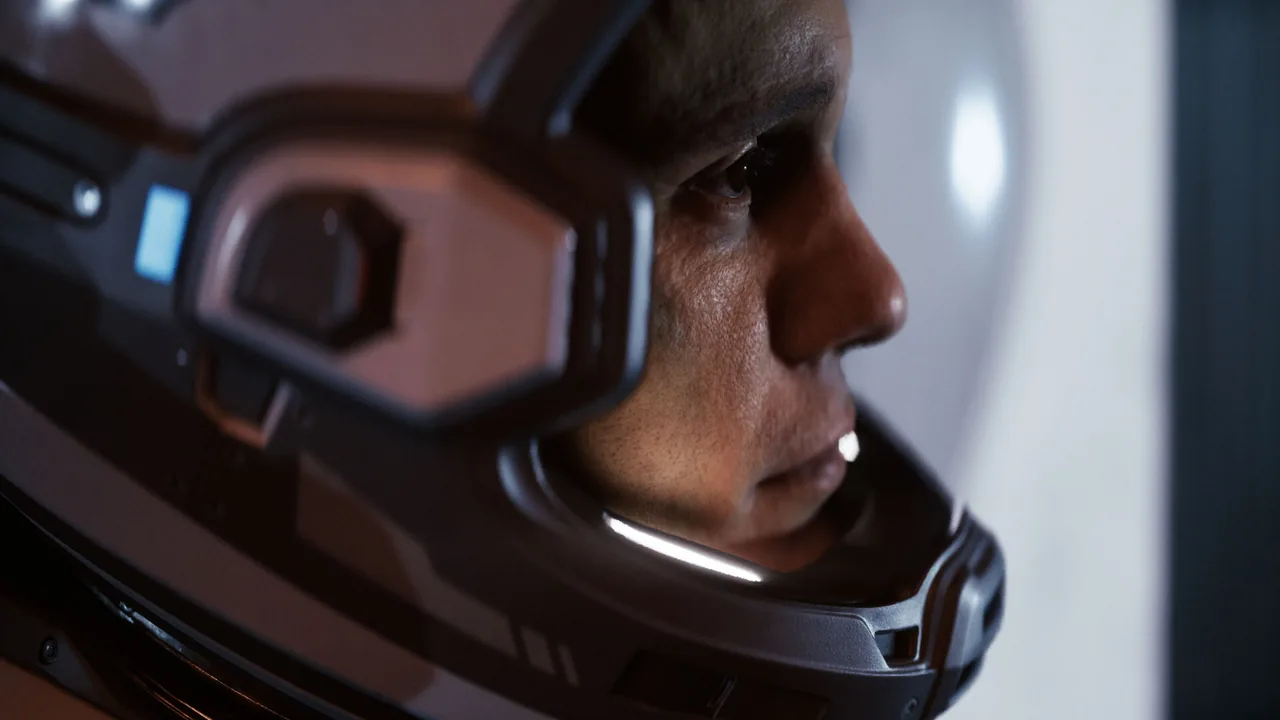
The best sequences in Directive 8020 involve a radio. You're alone somewhere on the colony ship Cassiopeia, you contact a crewmate, and you listen — not to what they say, but to how they say it. Because something aboard copies people, and you have no reliable way of knowing who you're talking to.
That is a superb horror premise, and for the opening act Supermassive play it exactly right. A reviewer who ultimately gave the game a thumbs down describes it better than any marketing did: "I wanted a paranoia-driven social horror mystery, but the game gradually pivots into more conventional monster horror, and that's where it lost what made it interesting for me."
That pivot is the review.
What goes wrong, according to the people it went wrong for
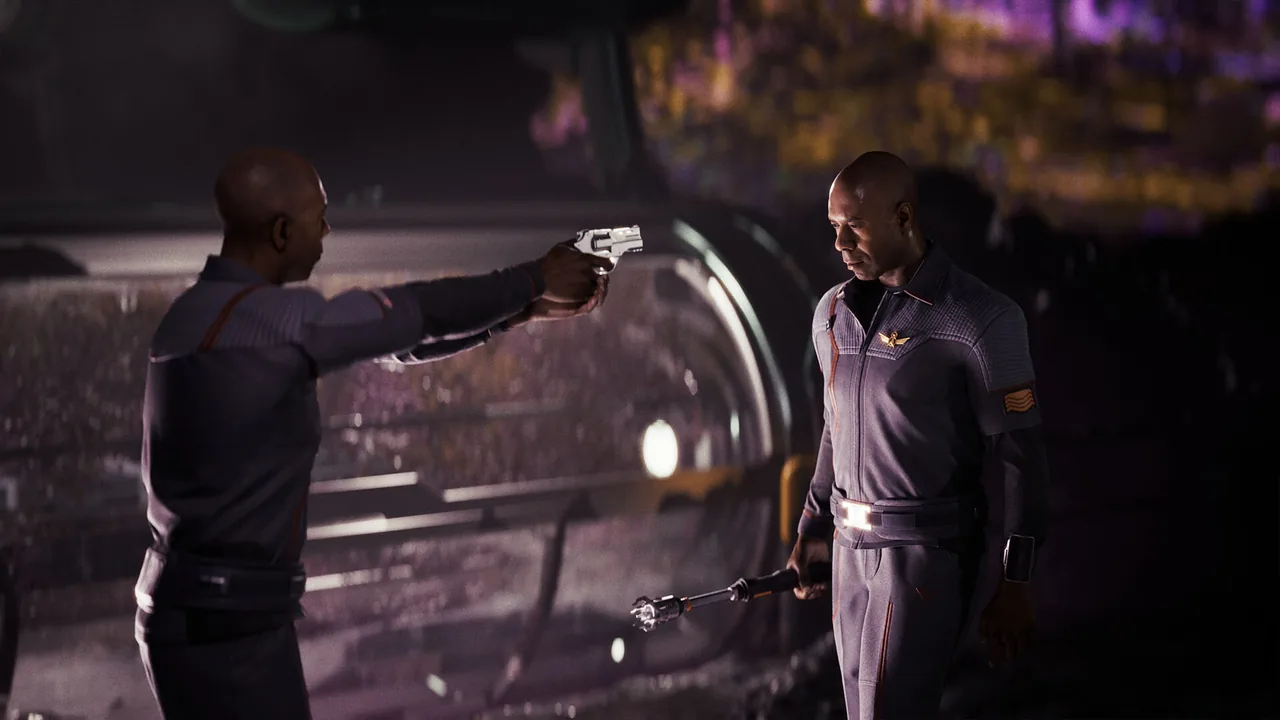
The complaint is unusually specific and it recurs. The mimic — the shapeshifter, the reason you're frightened — gets set up and then largely shelved. "Having the mimic aliens almost felt entirely pointless," writes a 9-hour reviewer. "Outside of a few short scenes with barely any build up or tension there is almost nothing done with this concept." Another summarises the arc as loving the first half and then losing their mind "over how hard they fumbled the setup."
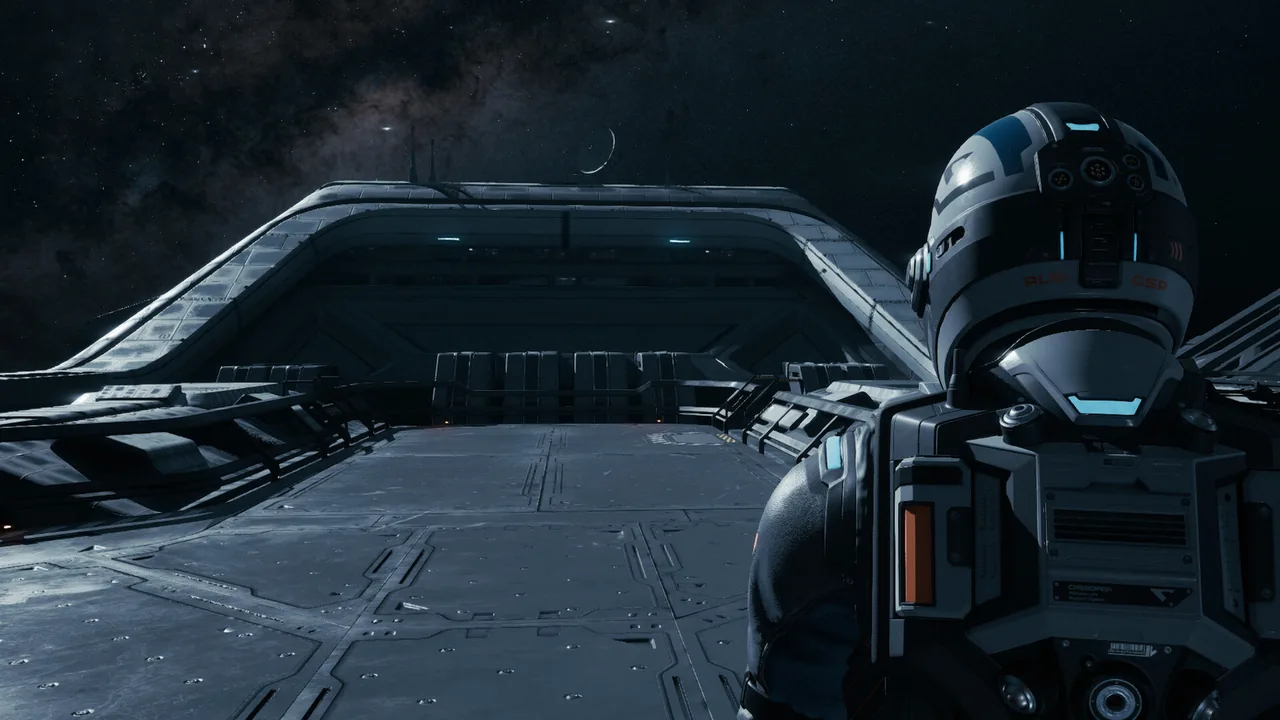
What replaces it is stealth. Fifty of the hundred most-helpful English negatives mention it, and the sharpest version is from an 11-hour player: "8 hours of the same sneak and stealth event. They didn't add any breathing and aiming sections, so every level feels like a never-ending stealth tutorial."
The writing takes the third hit. Fifty-nine negatives mention the story, and the recurring charge is a strange one — that it's "both painfully predictable and completely incomprehensible at the same time," with a time-jumping structure that several reviewers say destroys urgency. If you know when you end up, the danger between here and there stops mattering.
What's genuinely good
It would be unfair to leave it there, because the reception is more split than the badge implies, and some of the loudest critics are complimentary in passing.
One 605-vote negative review opens by saying the story was "pretty good" and that the game is better for having played the rest of the series — its objection lies elsewhere. Another 605-vote review calls it "mostly a return-to-form" for the studio after their weaker recent output. That's not faint praise from a critical corpus.
The Turning Points branching system is the real advance. Supermassive have always sold "choices matter," and this is the first time the machinery is visible enough for players to feel it — divergent paths, meaningfully different outcomes, and a structure that rewards a second run. The achievement data supports it: 86.2% of players clear the opening beats, around half reach the mid-game markers, and the rarest entries — full-completion and specific outcome achievements — sit between 1.6% and 3.4%, which is what a genuinely branching game's curve should look like.
Support has been solid too. A patch on 26 May added ray tracing, DLSS and UI fixes; another followed on 15 June; and the game was Steam Deck Verified within three weeks of launch. For an eight-hour narrative horror, that's more attention than the genre usually gets.
The context around it
One piece of industry news belongs in the record because readers weighing a purchase may have seen it. In late June 2026, less than two months after release and following reporting on the game's reception, Supermassive's studio head departed, after a period that had included two rounds of layoffs at the studio. I'm not going to draw a causal line from a Mixed Steam rating to anybody's job, and the fuller picture belongs to business reporting rather than a game review. But the studio is in a visibly difficult period, and a teaser for their next horror project was shown to players within days of this one launching.
The numbers, with a caveat
Directive 8020 sits at 65.7% positive across 1,116 English reviews, 62.7% across 2,177 in all languages. That's a small corpus by the standards of most games in this library, so treat the decimal places lightly.
The shape is more informative than the percentage. Of the hundred most-helpful English negatives, 86 were posted in May 2026 — the launch month — falling to nine in June, three in July and two in August. Current sentiment sits at 66 of the last 100 English reviews positive, essentially unchanged from lifetime. This is a game that got its verdict quickly and hasn't been re-litigated since.
Median playtime among critical reviewers is 8.3 hours, and among recent reviewers 9.6, which puts the length beyond dispute: this is a one-evening-and-a-bit game, twice if you branch.
The verdict
Directive 8020 earns a 6.5. The premise deserved a better second half, and I suspect most people who played it would tell you the same thing in almost those words — the corpus is full of reviewers grieving the game they thought they were getting rather than dismissing the one they got.
What's here is a competently made, handsome, well-supported cinematic horror with the studio's best branching system to date, an opening act that genuinely works, and roughly nine hours of runtime at NZ$79.99. What isn't here is follow-through: the shapeshifter stops mattering, the stealth stops varying, and the story arrives somewhere less interesting than where it started.
Buy it discounted, play it in two sittings, and enjoy the first half without expecting the second to build on it. If you want horror that sustains its idea all the way down, Silent Hill f and Dead Space are both better uses of the same money — and if it's the branching rather than the frights you're here for, Dispatch does more with choice for half the price.
Pros and cons
Pros
- An outstanding premise, and an opening act that plays the paranoia properly
- The Turning Points branching system gives choices more visible weight than the studio's earlier games managed
- Genuinely replayable — divergent paths and endings reward a second run, which is rare in the genre
- Well supported since launch, with ray tracing, DLSS and UI patches and a Steam Deck Verified rating within three weeks
- The ship itself is a strong setting, and the crew-contact sequences are the best thing in it
Cons
- The mimic-alien concept is largely dropped after the opening act, which reviewers raise repeatedly and specifically
- Stealth dominates the moment-to-moment play and rarely varies across roughly eight hours
- Writing draws heavy criticism — described as simultaneously predictable and hard to follow
- A time-jumping narrative structure that several reviewers say drains the tension it needs
- NZ$79.99 for a nine-hour game, discounted 20% within six weeks of release
Screenshots
-
Directive 8020Image: Supermassive Games via Steam -
Directive 8020Image: Supermassive Games via Steam -
Directive 8020Image: Supermassive Games via Steam -
How the review scores each part of the gameWanderer Editorial -
The short versionWanderer Editorial