
Game review
OMORI
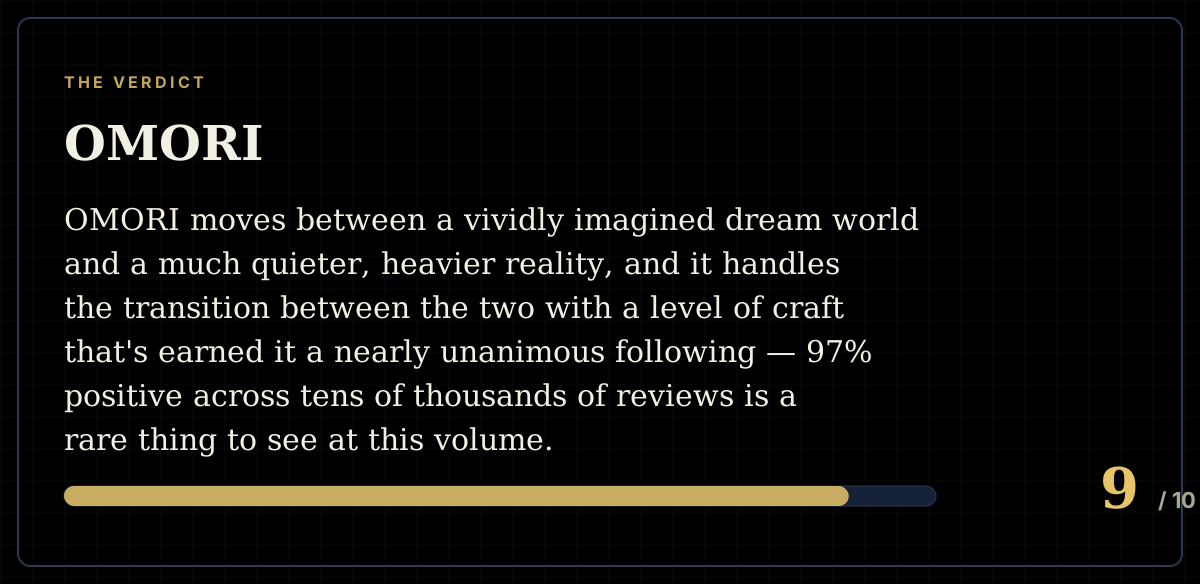
9 / 10
- Developer
- OMOCAT
- Publisher
- OMOCAT, LLC
- Released
- 25 December 2020
- Platforms
- Windows, macOS
- Genre
- RPG
- Monetisation
- Premium, one-off purchase — no in-game purchases
- Players
- Single-player
The short version
OMORI moves between a vividly imagined dream world and a much quieter, heavier reality, and it handles the transition between the two with a level of craft that's earned it a nearly unanimous following — 97% positive across tens of thousands of reviews is a rare thing to see at this volume. Content warnings genuinely matter here: this is a game built explicitly around grief, trauma and mental health, treated with care rather than for shock value, and readers sensitive to those themes should know that going in.
The rare, honest criticism worth repeating is about pacing — a minority of players, even among those who finished and loved the game, describe a significant stretch of side content and filler that dilutes the concentrated emotional weight of the main story. That's a real, specific critique rather than a rejection of what the game is trying to do.
Biggest strengths
- A genuinely inventive dual-world structure, alternating between a vivid dream world and a much quieter, heavier reality, executed with real narrative craft
- Turn-based combat systems, including an emotion-based mechanic layered on top of standard RPG stats, give battles more texture than the genre's usual formula
- Handles serious themes of grief, trauma and mental health with evident care rather than for shock value, which is a significant part of why it's earned such a devoted following
Biggest weaknesses
- A meaningful minority of players, including some who ultimately loved the game, describe a stretch of side content and filler that dilutes the pacing of the main story
- Content is genuinely heavy — themes of depression, grief and trauma are treated with care but are still real and substantial, and this isn't a game for everyone regardless of its acclaim
- Best experienced blind, which means this review, like most of the game's own top reviews, can't go into meaningful story specifics without undermining the experience it's praising
Who it's for: RPG fans drawn to Earthbound-style turn-based combat wrapped around genuinely serious, carefully handled themes of grief and mental health — best experienced with as little advance knowledge of the story as possible.
Our recommendation: Buy it, and go in as blind as the game's own most devoted fans consistently recommend. Be aware of its subject matter beforehand if themes of depression, grief or trauma are difficult for you, and expect a slower middle stretch before the story's full weight lands.
9 / 10
Very few games sustain 97% approval across sixty thousand reviews, and OMORI's own community tends to respond to that statistic the same way, over and over: stop reading, avoid spoilers, and play it. That advice is worth taking seriously, and it shapes how this review has to be written — carefully, around the edges of a story its most devoted fans specifically don't want described.
A structure that earns its ambition
OMORI splits its time between a vividly imagined dream world, full of colour and invention, and a much quieter, heavier version of reality, and the way it moves between the two is the game's central achievement. Turn-based combat layers an emotion-based system on top of familiar RPG stats, giving fights more texture than a straightforward damage race, and the tonal contrast between the two worlds does real narrative work rather than existing purely for visual variety. It's a genuinely inventive structure, executed with a level of craft that a lot of similarly styled indie RPGs reach for without landing as cleanly.
Serious themes, handled seriously
Content warnings matter here in a way this review wants to be direct about without spoiling anything: OMORI is built explicitly around grief, trauma and mental health, and it doesn't treat those themes lightly or use them for cheap shock value. That care is a significant part of why the game has earned the following it has — reviewers who connect with it describe the experience in genuinely personal terms, and it's clear the game means something real to a large number of the people who've played it. It's also, for exactly that reason, not a game for everyone, and readers for whom those subjects are difficult should know that going in rather than discovering it unprepared.
The one honest complaint worth repeating
Among an overwhelmingly positive reception, the rare substantive criticism concerns pacing. A minority of players, including some who ultimately finished and loved the game, describe a significant stretch of side content and filler — extended detours, repeated fetch-quest structures, optional characters and areas — that dilutes the concentrated emotional weight the main story is built around. One detailed review estimates the bulk of playtime goes to content only loosely connected to the central plot, with the story's most significant moments concentrated and, by this account, somewhat rushed near the end. That's a fair, specific critique rather than a rejection of what the game is trying to do, and it's worth knowing that the middle stretch asks for patience before the story's full weight arrives.
Final verdict
OMORI earns its exceptional reception through genuine craft: a distinctive dual-world structure, combat with real texture, and a level of care around serious themes that's rare even among games explicitly built to address them. It settles at 9 rather than a perfect score only because of the real, specific pacing complaint several thoughtful reviewers raise about the game's middle stretch — a minor cost against what the story ultimately delivers. Go in as blind as its own community recommends, be aware of what it's about beforehand if those themes are difficult for you, and give the slower sections the patience the ending is built to reward.
Price and review data checked 5 August 2026.
If you're looking for a persistent world to return to after an emotionally heavy story like this one, Wanderer offers a gentler, more open-ended kind of progression.
Pros and cons
Pros
- A genuinely inventive dual-world structure, alternating between a vivid dream world and a much quieter, heavier reality, executed with real narrative craft
- Turn-based combat systems, including an emotion-based mechanic layered on top of standard RPG stats, give battles more texture than the genre's usual formula
- Handles serious themes of grief, trauma and mental health with evident care rather than for shock value, which is a significant part of why it's earned such a devoted following
- Distinctive, memorable art and music that shift tone completely between the game's two worlds
Cons
- A meaningful minority of players, including some who ultimately loved the game, describe a stretch of side content and filler that dilutes the pacing of the main story
- Content is genuinely heavy — themes of depression, grief and trauma are treated with care but are still real and substantial, and this isn't a game for everyone regardless of its acclaim
- Best experienced blind, which means this review, like most of the game's own top reviews, can't go into meaningful story specifics without undermining the experience it's praising
Screenshots
-
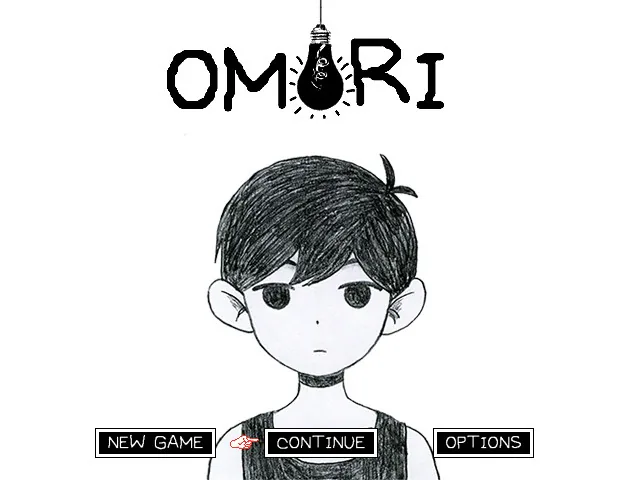
OMORIImage: OMOCAT, LLC via Steam -
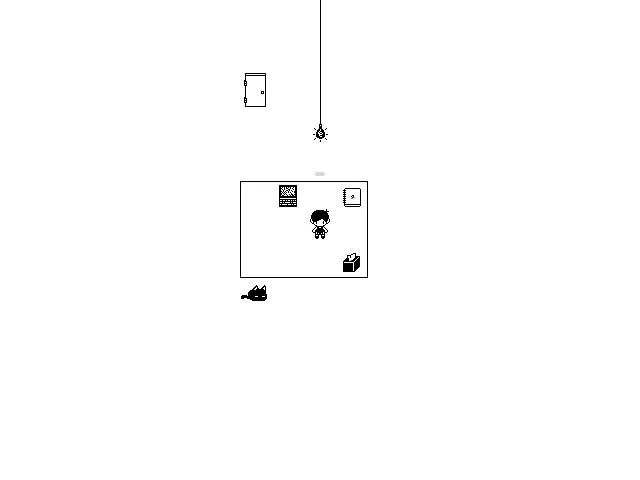
OMORIImage: OMOCAT, LLC via Steam -
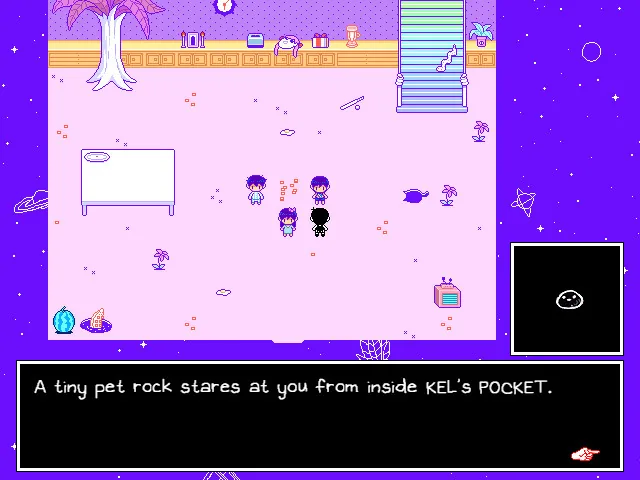
OMORIImage: OMOCAT, LLC via Steam -
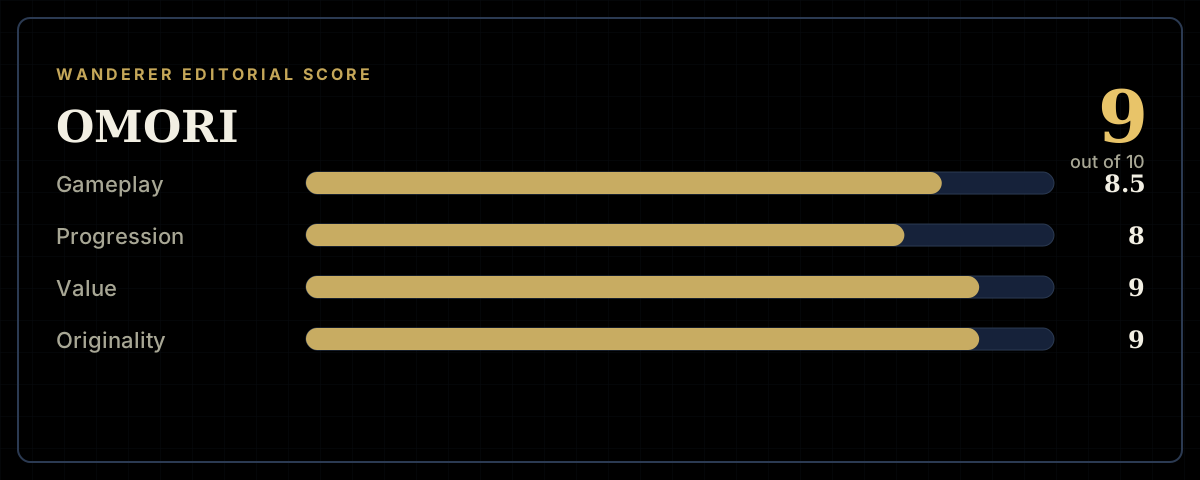
How the review scores each part of the gameWanderer Editorial -
The short versionWanderer Editorial