Game review
Patrick's Parabox
8.5 / 10
- Developer
- Patrick Traynor
- Publisher
- Patrick Traynor
- Released
- 29 March 2022
- Platforms
- Windows, macOS, Linux
- Genre
- Puzzle
- Monetisation
- One-time purchase, plus a separate soundtrack. No in-game purchases.
- Players
- Single-player
The short version
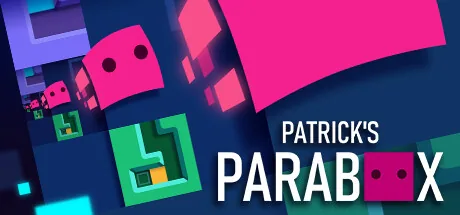
It's Sokoban, except the boxes contain rooms, and the rooms contain the boxes, and eventually a box contains itself. Patrick's Parabox takes one genuinely new idea and spends 350 puzzles unfolding it, teaching each new rule wordlessly. It sits at **99.0% positive across 2,731 English reviews** — the highest figure I've recorded for a corpus this size.
It has 27 English negatives in total and I read every one. Their complaint isn't the concept but the execution: **level design appears in 16 of the 27**, with reviewers saying too many puzzles are easy, similar, or solvable by accident. And a separate, concrete accessibility problem: the automatic camera zoom makes some levels unplayable for people prone to motion sickness, with no option to turn it off.
Biggest strengths
- A genuinely original mechanic, executed with elegance and total confidence
- Teaches every rule wordlessly, in the tradition of the best puzzle design
- 350-plus puzzles with a long optional tail beyond the main path
Biggest weaknesses
- Automatic camera zoom causes motion sickness and cannot be disabled
- Level design draws consistent criticism for easy or interchangeable puzzles
- Some solutions can be stumbled into without understanding the mechanic
Who it's for: Anyone who likes hard logic puzzles and wants to see a mechanic they genuinely haven't seen before. Skip it if screen zooming makes you queasy — that isn't a minor caveat here.
Our recommendation: Buy it if recursive logic sounds delightful rather than exhausting; the central idea is worth the money on its own. Wait for a sale if NZ$28.99 for roughly eight hours gives you pause, and check the motion-sickness note before committing.
8.5 / 10
At 99.0% positive across 2,731 English reviews, Patrick's Parabox is the highest-rated game of its size I've assessed. It has 27 negative reviews in English. I read all 27, which means what follows is the complete case against it rather than a sample.
Two things came out of that, and one of them matters more than its four upvotes suggest.
The accessibility problem
A player with 122.8 hours — the most invested critic in the entire corpus — wrote this in April 2022:
Put in a setting to turn off the constant [...] zooming in or out on the levels that do that. This game is un[...]playable on those levels if someone is even moderately prone to motion sickness.
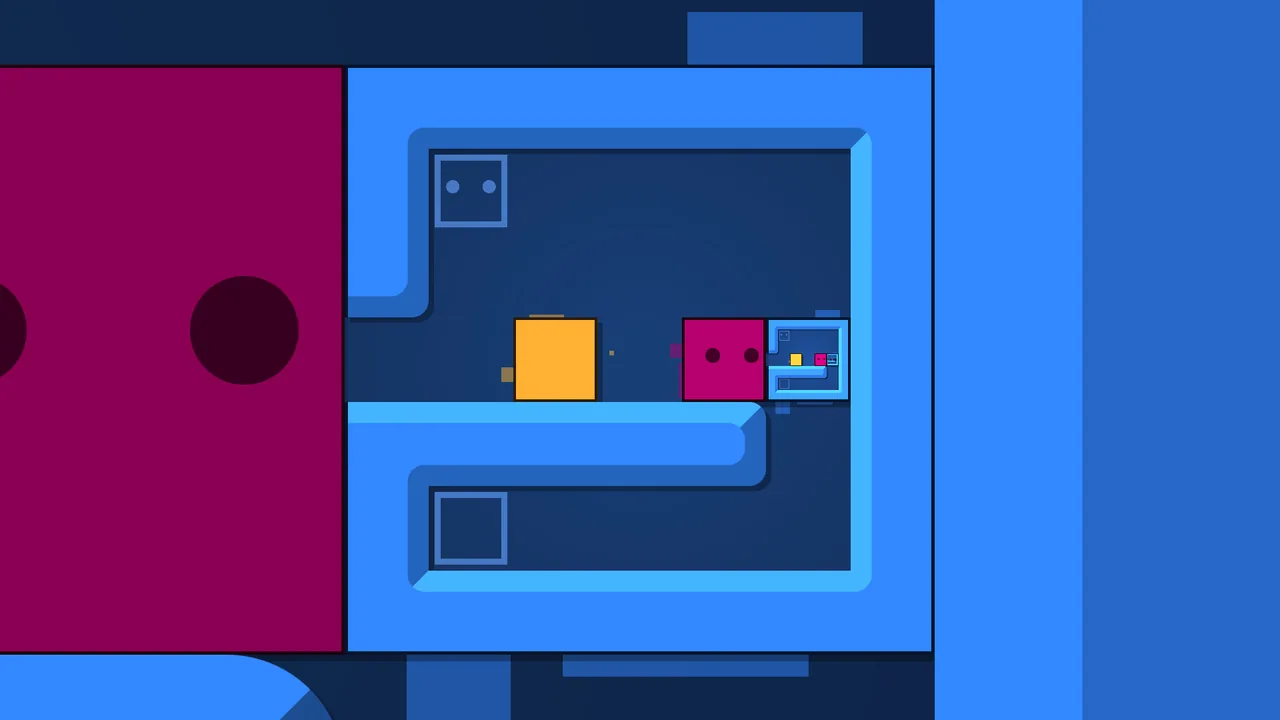
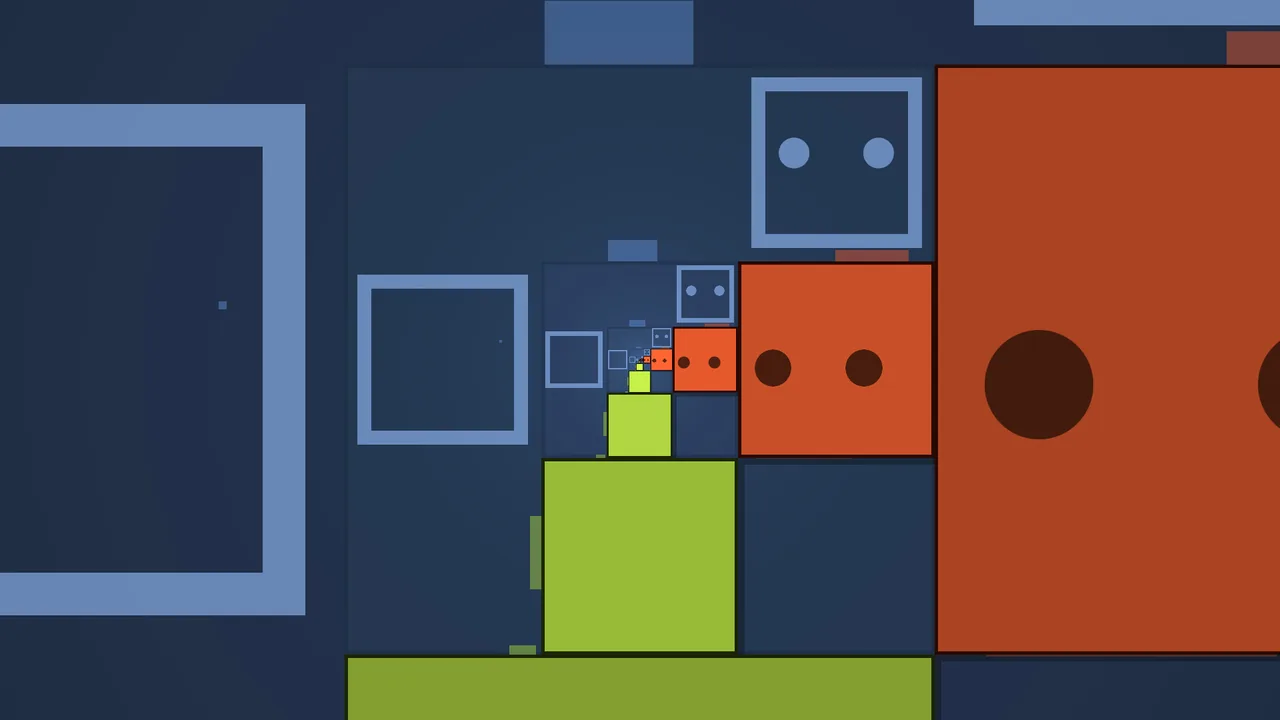
The game's signature visual move is the camera pushing into a box, which becomes the room you're now standing in, then pulling back out. It's how the recursion is communicated, and it's beautiful. It also means the screen is frequently scaling, and for a subset of players that's genuinely nauseating.
There's still no toggle. The developer's announcement feed stops at a minor bugfix in April 2022, and nothing since suggests the option was added.
That's why accessibility scores a 5.5 on a game that otherwise deserves high marks. If screen motion affects you, this is a real risk rather than a footnote — and it's exactly the kind of thing a 99% badge will never tell you, because 99% of players aren't affected.
The design complaint
Level design appears in 16 of the 27 negatives, and it's consistent enough to take seriously.
A 39-vote reviewer: the game "does present some interesting ideas, but doesn't flesh them out enough to create a true sense of increasing difficulty. It took me only 5 hours to beat the game and almost every world to completion." An 18-vote reviewer is sharper: "quantity over quality in terms of puzzle design. A lot of solutions are either too similar to each other or don't feel 'elegant' but forced. I also had several levels I solved by chance without fully understanding the mechanic. That's like a deadly sin in puzzle design."
That last point is the real one. A puzzle you solve without understanding teaches you nothing, and several reviewers independently report it happening.
Comparisons are inevitable and reviewers make them freely — Sokoban in 6, Baba Is You in 4, Stephen's Sausage Roll in 2. That's the eleventh game today whose critics reach for a specific rival, and here the charge is that Parabox is gentler than the genre's hardest examples. A 28-vote review: "I was expecting this to be another mind-blowing Sokoban game like Baba is You or Stephen's Sausage Roll… this game just has far too much fluff."
I'd read that as a compliment reversed. Parabox is more accessible than those games by design, with a wordless teaching structure closer to Portal. Whether "easier than the hardest puzzle games ever made" is a flaw depends entirely on what you wanted.
What's not in dispute
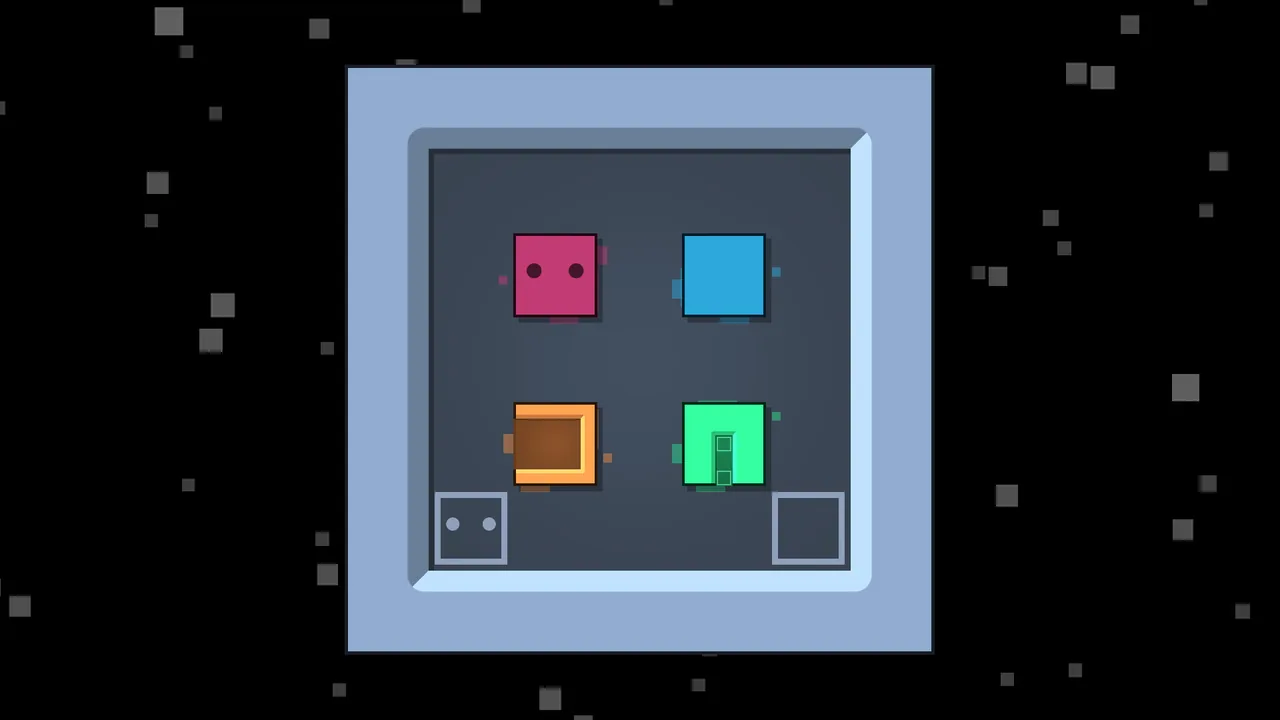
The idea. You push a box into a room; the room is inside a box; you push that box into itself. It sounds like nonsense and resolves into rules that are completely coherent once you've internalised them — and the moment where the mechanic clicks is genuinely one of the better feelings in puzzle gaming.
The execution around it is disciplined: no text, no hand-holding, clean visuals that keep the logic readable, and roughly 350 puzzles with a long optional tail. The achievement curve suggests people get through it — 22 achievements, the most common at 93.7%, the median still at 35.9%.
Originality scores a 9.5 and I'd defend it against anything in this library except Portal 2, which shares its instincts about teaching.
The price question
NZ$28.99, never discounted at time of writing, against a main path most reviewers finish in five to ten hours. Price and expense appear in 7 of the 27 negatives — a small number, but the objection is reasonable, and the game has run sales historically.
The verdict
Patrick's Parabox earns an 8.5. It's an elegant, original, confidently made puzzle game built on a mechanic nobody had used this way before, and 99% of the people who played it agree.
It doesn't reach a 9 because the level design doesn't consistently live up to the idea — too many puzzles are easy, similar, or accidentally solvable — and because a beautiful visual choice makes parts of the game unplayable for motion-sensitive players with no way to turn it off.
Buy it for the idea, which is worth the money. But if screen zoom is a problem for you, believe the person with 122 hours who asked for a setting and never got one.
Pros and cons
Pros
- A genuinely original mechanic, executed with elegance and total confidence
- Teaches every rule wordlessly, in the tradition of the best puzzle design
- 350-plus puzzles with a long optional tail beyond the main path
- Clean minimalist presentation that keeps the logic legible
- Cross-platform on Windows, macOS and Linux, and complete with no DLC
Cons
- Automatic camera zoom causes motion sickness and cannot be disabled
- Level design draws consistent criticism for easy or interchangeable puzzles
- Some solutions can be stumbled into without understanding the mechanic
- NZ$28.99 against roughly five to ten hours for most players
- No updates since 2022 beyond console ports
Screenshots
-
Patrick's ParaboxImage: Patrick Traynor via Steam -
Patrick's ParaboxImage: Patrick Traynor via Steam -
Patrick's ParaboxImage: Patrick Traynor via Steam -
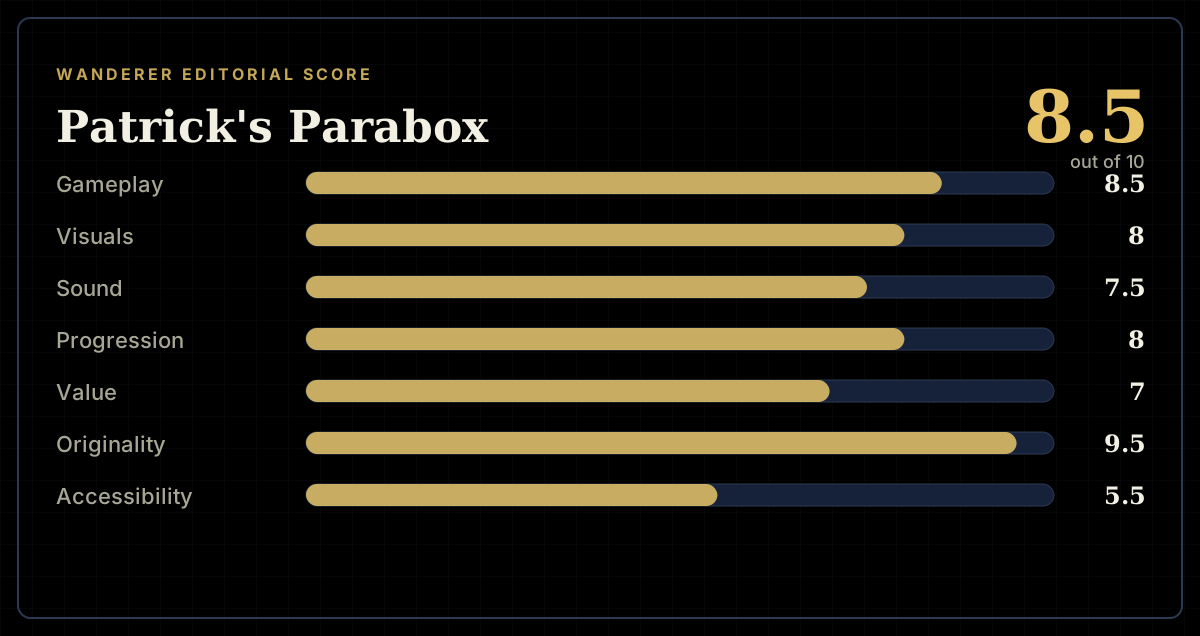
How the review scores each part of the gameWanderer Editorial -
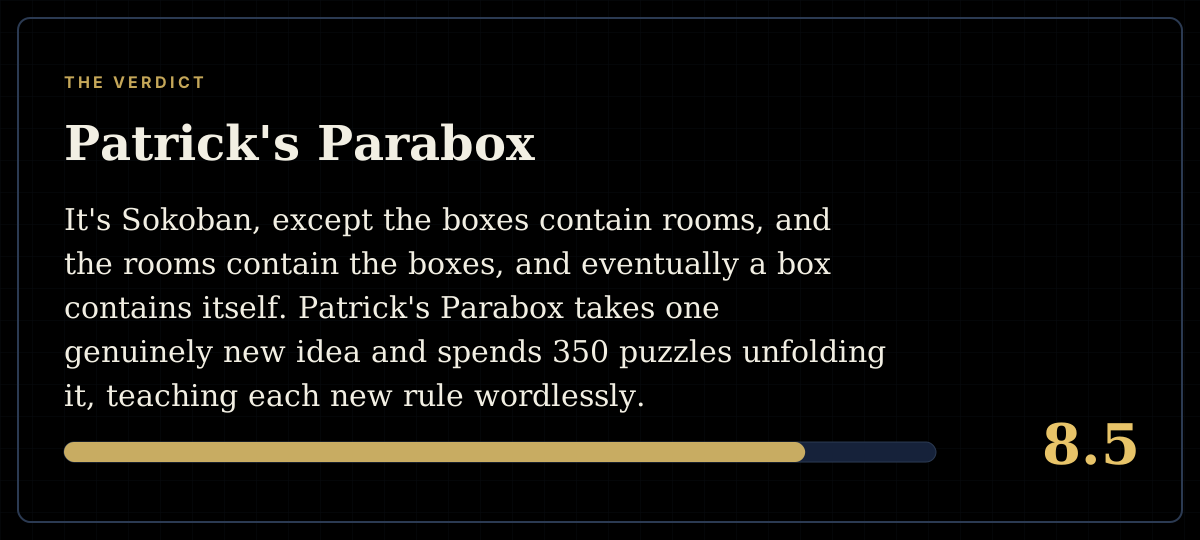
The short versionWanderer Editorial