Game review
INSIDE
9 / 10
- Developer
- Playdead
- Publisher
- Playdead
- Released
- 7 July 2016
- Platforms
- Windows, macOS, Linux
- Genre
- Puzzle Platformer
- Monetisation
- One-time purchase, currently NZ$3.49 at 90% off (NZ$34.99 full price). No microtransactions.
- Players
- Single-player only
The short version
INSIDE follows a boy moving through a monochrome, dystopian world full of things trying to kill or control him, told entirely without dialogue or explanation. It's routinely cited as one of the finest atmospheric games ever made, and the numbers agree — 97% positive across 75,260 reviews, a rating that's barely moved in the nine years since launch.
The honest dissent is remarkably narrow and consistent: some players find the game's short length, roughly three to five hours, hard to justify at full price, and a meaningful share are frustrated rather than moved by its deliberately unexplained, much-discussed ending. Both complaints have appeared at a steady, low rate every year since 2016 rather than fading or spiking — this is a game whose reception settled almost immediately and simply hasn't changed since.
Biggest strengths
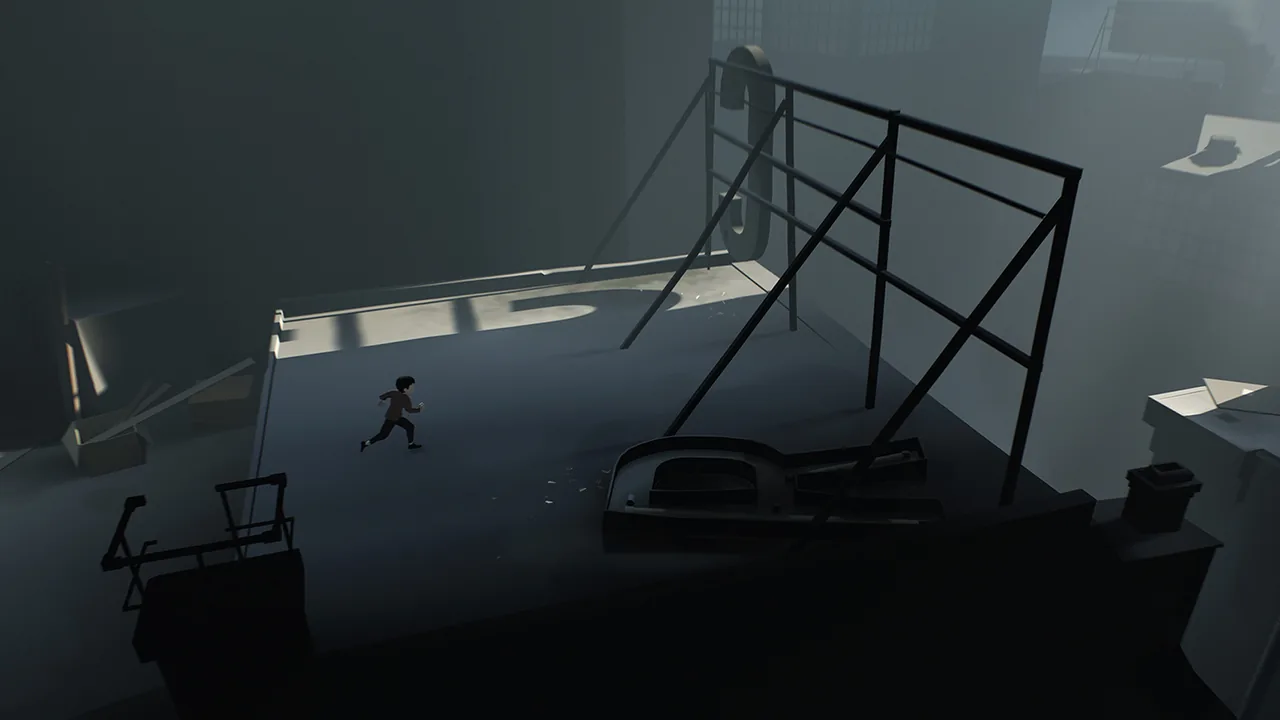
- A genuinely singular audiovisual identity — muted colour, precise sound design and lighting that reviewers consistently call unmatched nearly a decade later
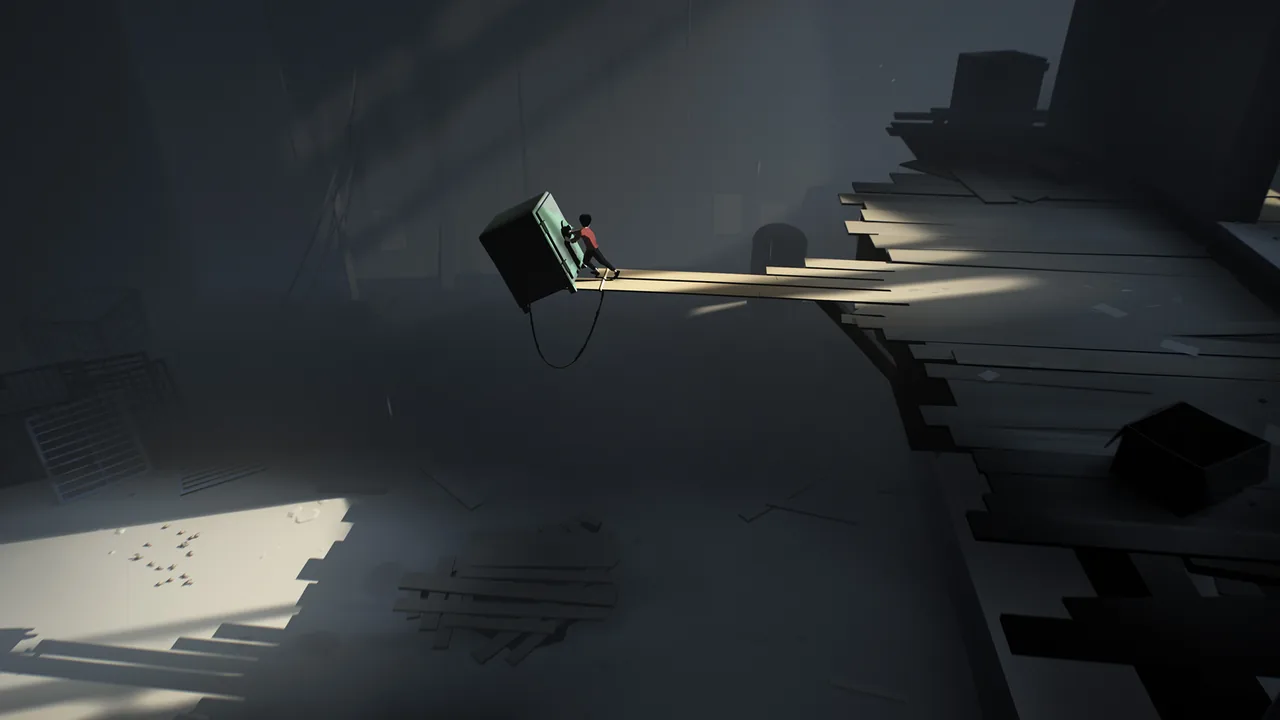
- Environmental puzzle design that escalates cleanly without ever needing text or tutorials to explain itself
- A tense, propulsive pace that reviewers describe as closer to a thriller than a typical puzzle-platformer
Biggest weaknesses
- The ending is deliberately unexplained, and this is the single most consistent source of negative reviews across every year since launch — some players find it profound, others find it an unsatisfying non-answer
- A short runtime, typically three to five hours, draws value complaints at full price from players who wanted a longer campaign
- Limited replayability once the puzzles and story beats are known, beyond hunting for hidden collectibles and an alternate ending
Who it's for: Players who want a short, atmospheric, puzzle-driven experience closer to interactive cinema than a conventional game — minimal instructions, no dialogue, and a story told entirely through environment and implication. Less suited to anyone who wants a lengthy campaign or a tidy, explained conclusion.
Our recommendation: Buy it, especially at a deep discount — even critics of the ending generally agree the atmosphere and moment-to-moment design are worth the few hours it takes. Go in accepting that the ending won't explain itself, since expecting a clear resolution is the single most common source of disappointment in the reviews that don't recommend it.
9 / 10
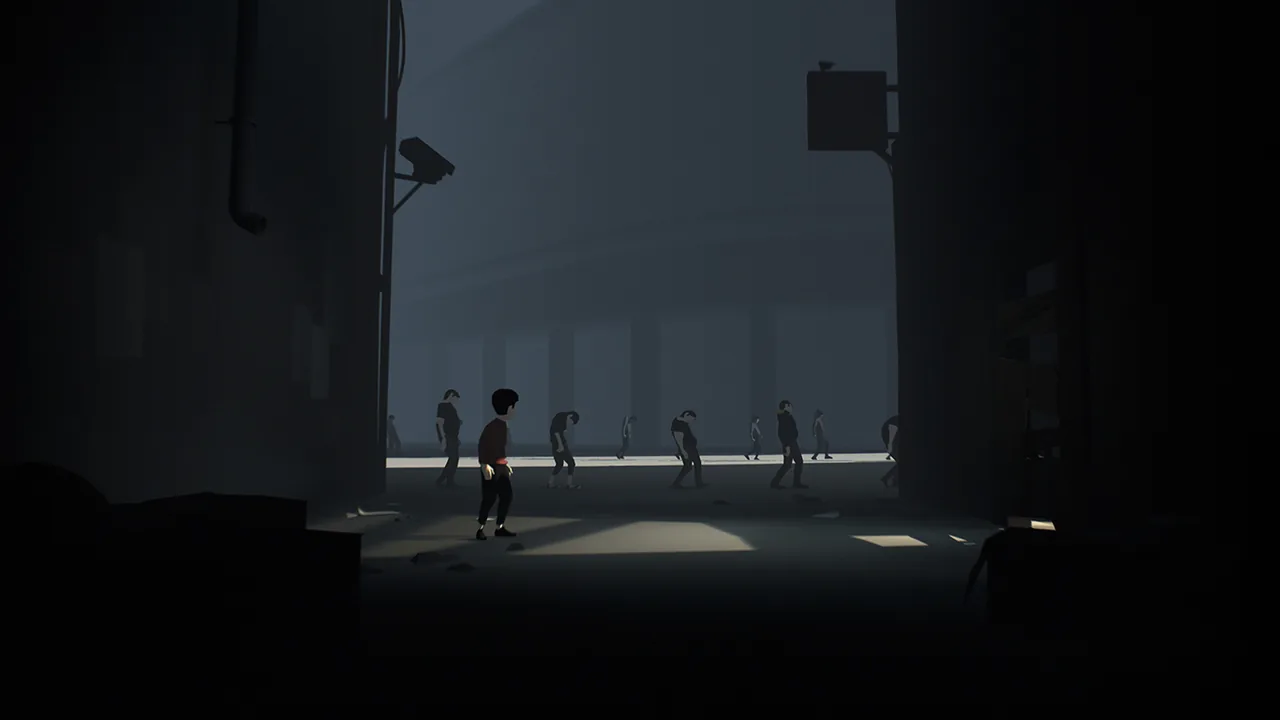
INSIDE tells you almost nothing directly. No dialogue, no text boxes, no explanation for why a boy is running through a grey, hostile world full of mind-controlled crowds and things that want him dead. Nine years after release, the reviews are still arguing productively about what it all meant — which is, more than anything else in the corpus, the clearest sign of how well it worked.
A game that trusts you completely
Playdead's follow-up to Limbo keeps that game's monochrome side-scrolling structure and pushes the craft further: precise, weighted movement, environmental puzzles that escalate without ever stopping to explain themselves, and sound design multiple reviewers single out as doing as much storytelling work as anything visual. One of the most-upvoted reviews in the game's history — over 4,400 votes — simply calls it "amazing," praising the atmosphere, graphics and soundtrack together as inseparable parts of the same achievement. Another, written with a review copy disclosed upfront, places it alongside Super Meat Boy and Braid as one of the indie games that defined a generation of the medium.
The debate that's followed it since day one
Here's what's notable about INSIDE's negative-review corpus: it hasn't really changed shape in nine years. The complaint present in 2016 is the same complaint present in 2026, at roughly the same low, steady rate — this is a game whose reception settled almost immediately rather than shifting over time. The dominant thread is the ending, which resists straightforward interpretation by design. "There is no denying the art, style and overall flow of the game are great," reads the most-upvoted negative review, "however, after completion I was left... an overwhelming feeling of 'that's it?'" Another reviewer, more pointed, calls the ambiguity "a frustrating mystery with no satisfying answer" rather than the thoughtful open question its fans describe. Both readings sit inside the same corpus, describing the same ending, and neither is unreasonable — this is a genuine matter of taste rather than a flaw either side is wrong about.
The secondary complaint is value: at full price, three to five hours strikes some reviewers as a short ask for a $35 game, though this softens considerably given how frequently it's discounted — at 90% off, as it often is, the value calculus most critics raised largely evaporates.
Reading the completion data
The achievement curve is gentle and consistent with a linear, story-driven game meant to be experienced start to finish. The most common milestone sits at 73.5%, reflecting how many players simply progress through the main story, while achievements tied to the game's hidden alternate ending and secret collectibles fall to the high teens — a modest, not extreme, drop-off consistent with a short game where most buyers see the credits.
9 out of 10. INSIDE remains one of the most tightly crafted atmospheric games available, and its 97% score across nearly a decade shows a reception that arrived fully formed and never really moved. It loses a fraction of a point to what it always openly risked: an ending built to be argued about rather than resolved, which a genuine minority of players experience as a letdown rather than a gift. Go in accepting that the mystery is the point, not a withheld answer, and this remains one of the strongest few hours available on Steam for the price.
Pros and cons
Pros
- A genuinely singular audiovisual identity — muted colour, precise sound design and lighting that reviewers consistently call unmatched nearly a decade later
- Environmental puzzle design that escalates cleanly without ever needing text or tutorials to explain itself
- A tense, propulsive pace that reviewers describe as closer to a thriller than a typical puzzle-platformer
- Builds meaningfully on what made the studio's previous game, Limbo, well regarded, without simply repeating it
- Frequently available at steep discounts, making it exceptional value for a short but dense experience
Cons
- The ending is deliberately unexplained, and this is the single most consistent source of negative reviews across every year since launch — some players find it profound, others find it an unsatisfying non-answer
- A short runtime, typically three to five hours, draws value complaints at full price from players who wanted a longer campaign
- Limited replayability once the puzzles and story beats are known, beyond hunting for hidden collectibles and an alternate ending
- A minority of reviewers who enjoyed Limbo describe the puzzles here as similarly simple once the atmosphere is set aside
Screenshots
-
INSIDEImage: Playdead via Steam -
INSIDEImage: Playdead via Steam -
INSIDEImage: Playdead via Steam -
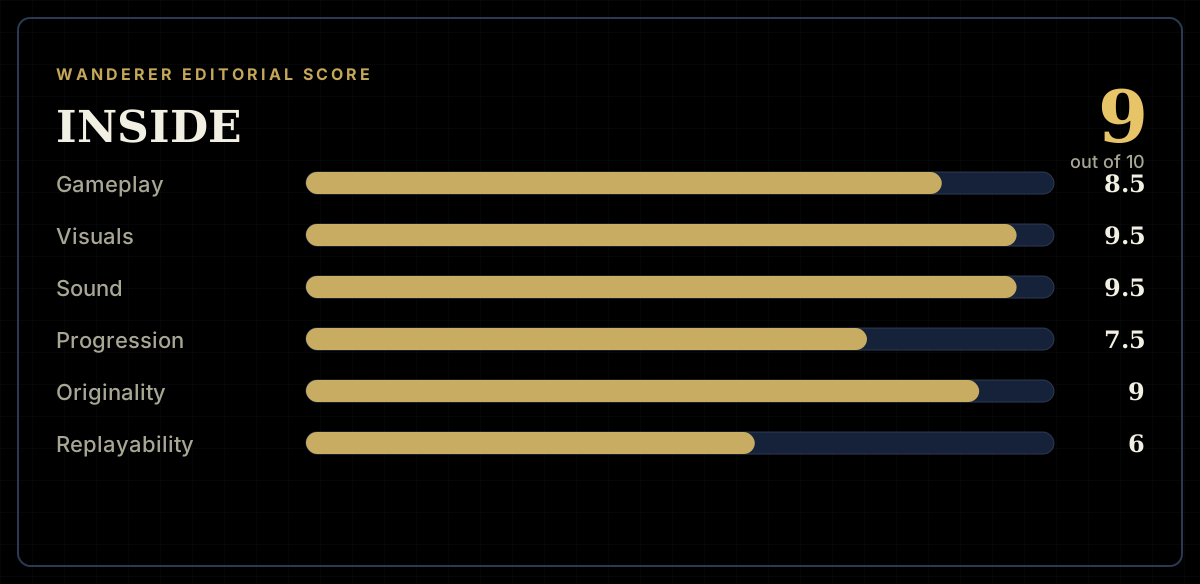
How the review scores each part of the gameWanderer Editorial -
The short versionWanderer Editorial