
Game review
Somerville
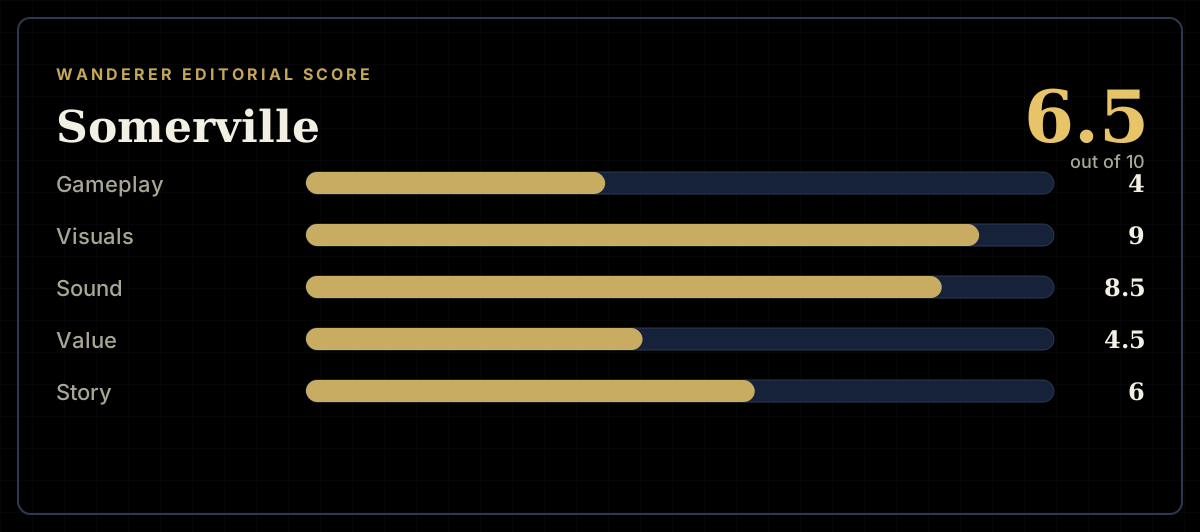
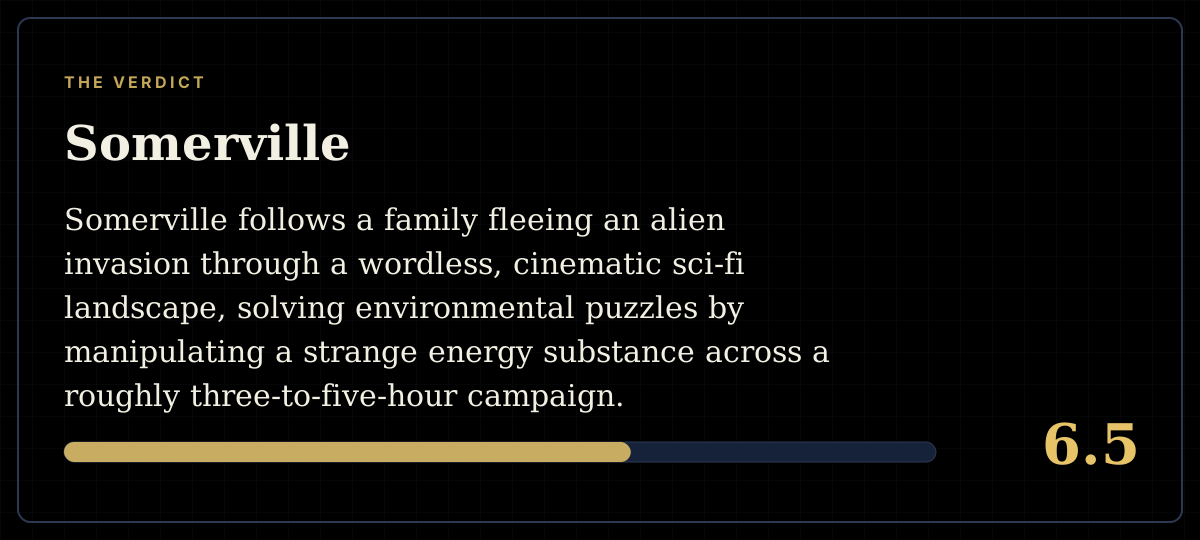
6.5 / 10
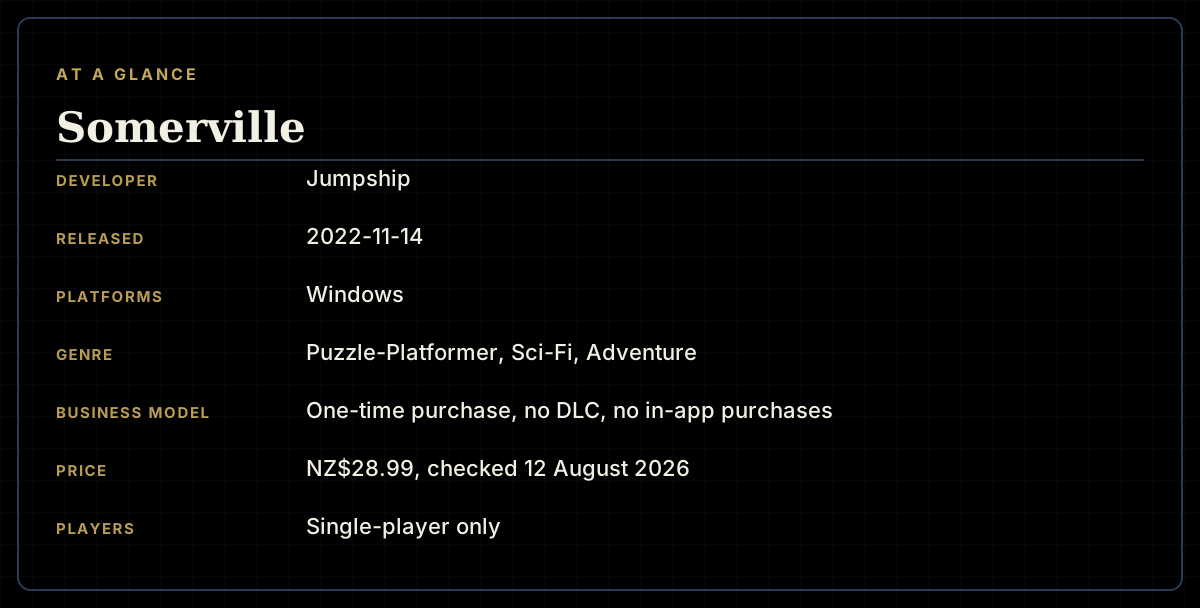
- Developer
- Jumpship
- Publisher
- Jumpship
- Released
- 14 November 2022
- Platforms
- Windows
- Genre
- Puzzle-Platformer, Sci-Fi, Adventure
- Monetisation
- One-time purchase, no DLC, no in-app purchases
- Players
- Single-player only
The short version
Somerville follows a family fleeing an alien invasion through a wordless, cinematic sci-fi landscape, solving environmental puzzles by manipulating a strange energy substance across a roughly three-to-five-hour campaign. Developed and self-published by Jumpship, a studio founded by former Playdead developers who worked on Limbo and Inside, it released 14 November 2022 and sits at Mixed, 69.3% across 929 English-language reviews. The visual and sound design draw consistently superlative, near-universal praise across both sides of the split. What divides this game's reception is everything else: controls, collision detection and puzzle clarity draw detailed, specific criticism from a large share of reviewers, who repeatedly measure Somerville against its creators' own pedigree and find it falling short — a comparison this review's own sample argues about at real length, on both sides.
Biggest strengths
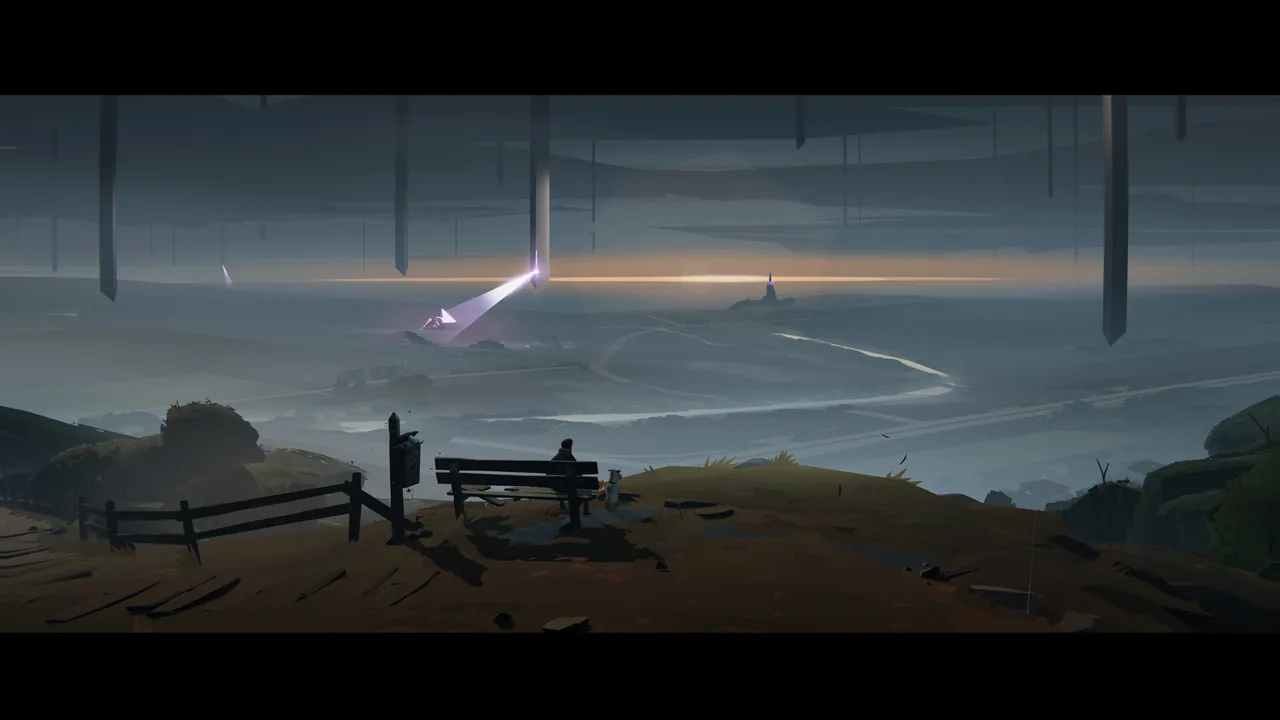
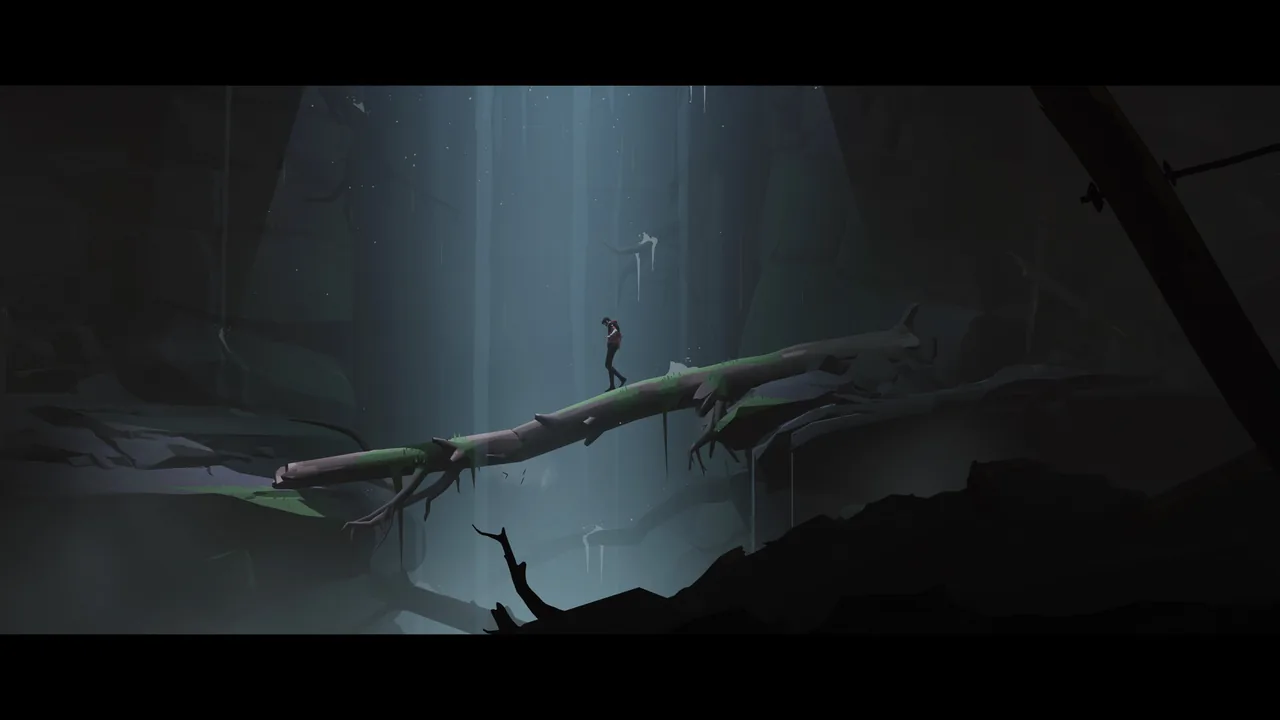
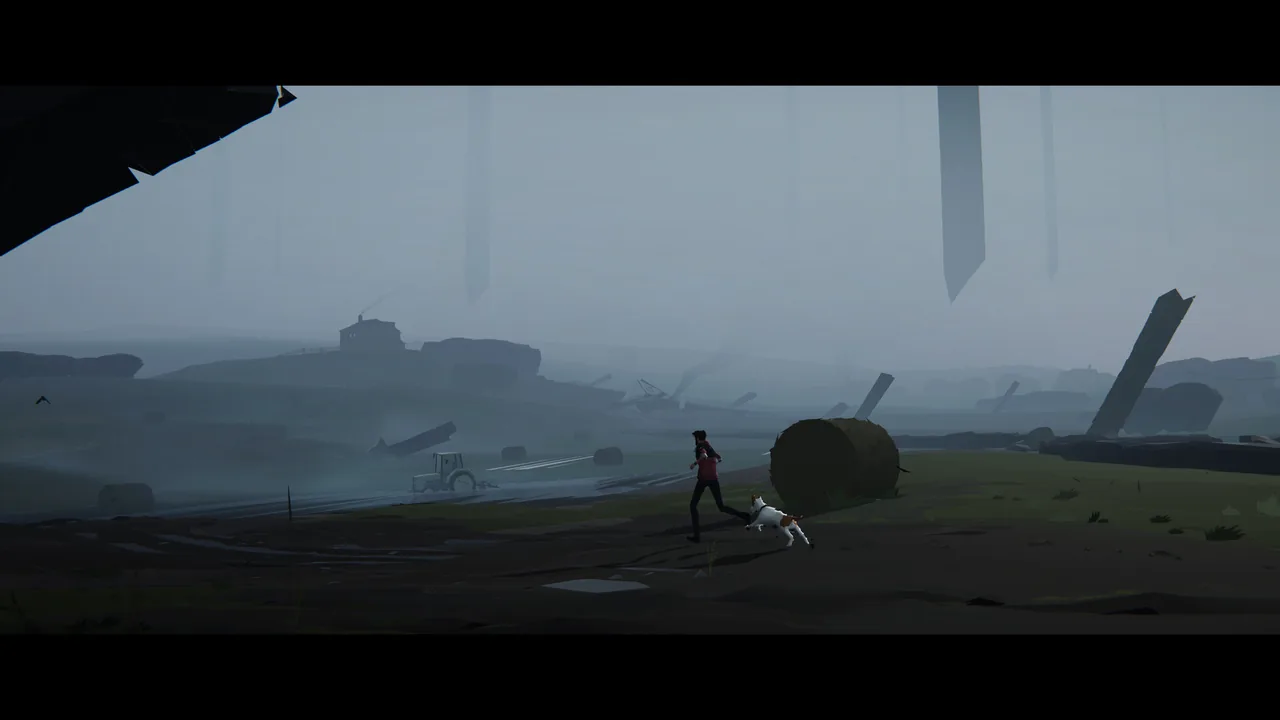
- Art direction and atmosphere draw near-universal, often superlative praise, described repeatedly as breathtaking and captivating throughout even by reviewers who dislike the gameplay underneath it
- Sound design earns equally consistent praise, with several reviewers specifically describing individual moments as giving them goosebumps
- A wordless, ambiguous storytelling approach that a real share of reviewers credit as genuinely thematic and open to interpretation, defending it directly against complaints that it fails to explain itself
Biggest weaknesses
- Controls and collision detection draw widespread, specific criticism as janky, with multiple reviewers describing invisible walls and oversized collision meshes that make simple movement feel imprecise throughout
- Puzzle clarity is a recurring complaint, with several reviewers describing sections as a "pixel hunt" for the correct interactable object rather than a genuinely solvable puzzle
- A specific, borderline game-breaking physics bug tied to high frame rates is reported as present as recently as 2025, years after release, with the only reliable workaround being to manually cap the frame rate
Who it's for: Fans of slow, atmospheric, cinematic puzzle-platformers who can tolerate real technical rough edges; a poor fit for anyone expecting Inside or Limbo's tight, responsive controls specifically because of who made this game.
Our recommendation: A visually and aurally extraordinary short experience whose mechanics don't match its presentation — worth it for the atmosphere on a sale, best approached without the specific expectation that this plays like its creators' earlier work.
6.5 / 10
Introduction
Somerville follows an unnamed family fleeing across a devastated, alien-occupied English countryside, solving environmental puzzles by manipulating a strange, shifting energy substance while never speaking a word of dialogue. Developed and self-published by Jumpship — a studio founded by former Playdead developers who worked on the acclaimed Limbo and Inside — it released 14 November 2022 and sits at Mixed, 69.3% across the 929 English-language reviews this review reads a substantial share of. What makes this corpus genuinely interesting to read closely, rather than simply reporting the split, is how consistently both sides agree on what the game looks and sounds like, and how sharply they disagree on everything else.
Presentation nearly nobody disputes
Start with the closest thing to unanimous consensus in this sample. Somerville's art direction and atmosphere draw superlative, specific praise from reviewers on both sides of the recommend line — one 417-vote review, itself ultimately negative overall, still called the visuals "superb" and credited them with sustaining "a somber, gray-scaled atmosphere that feels captivating at all times." Sound design earns equally consistent, specific praise, with multiple reviewers using the word "goosebumps" independently to describe individual moments. The game's commitment to wordless, ambiguous storytelling — no dialogue, no text, everything left to environmental interpretation — draws genuine defenders who argue it's a deliberate strength rather than an omission: one positive review pushed back directly against complaints that the game "never explains what's happening," arguing the whole point is for the player to interpret events themselves rather than have them spelled out.
The comparison the studio can't escape
Here's the central tension running through this review's negative sample, and it's one the reviewers themselves name directly and repeatedly. Jumpship's pedigree — key creative talent from Playdead, the studio behind Limbo and Inside — sets an unusually high, specific bar, and a large share of reviewers measure Somerville against it explicitly rather than judging it as a standalone work. One 96-vote review put it plainly: "While this game comes from some of the creators behind the game INSIDE, it does not share the same qualities that made INSIDE such a great game." A 76-vote review acknowledged the unfairness of the comparison directly while still making it: "I know it's not entirely fair to criticise a newly formed studio and their first release but Jumpship took enough top brass and creative talent from Playdead to have been able to make something better." That's a genuinely difficult needle for any review to thread — the pedigree comparison is simultaneously unfair to a debut studio and also the exact reason many players bought the game in the first place, and this corpus argues about that tension with real specificity rather than resolving it cleanly either way.
What the comparison is actually about
It's worth being precise about what falls short of the Limbo/Inside standard, because the complaints are specific rather than vague disappointment. Controls and collision detection draw the most consistent technical criticism: one 124-vote review described "invisible walls everywhere, not just off the beaten path either," comparing it to every object having a collision mesh "150% larger than its visual size," making basic movement feel imprecise in a genre that depends on precision. Puzzle design draws its own specific complaint, with multiple reviewers describing sections as a "pixel hunt" — searching the screen for the one correct interactable object rather than solving a genuinely legible puzzle, a criticism distinct from and compounding the control issues above. A separate, more technical bug deserves particular note for how long it's persisted: a review posted in September 2025, nearly three years after release, describes a borderline game-breaking physics issue tied to high frame rates that prevents crossing a specific early river, with the only reliable fix being to manually lock the frame rate to its lowest setting — a launch-era bug still affecting new players years later.
Defenders who argue the criticism misreads the game
It would be unfair to this review's own sample to stop at the criticism, because a real and articulate defence runs alongside it. Several positive reviewers argue directly that much of the negative reception stems from mismatched expectations rather than genuine design failure — one 74-vote review put it bluntly: "I can't quite understand why Somerville is reviewed this negatively, though I assume it's people going into it with the wrong expectations," arguing that assuming a Playdead pedigree guarantees an Inside-identical experience sets buyers up to be disappointed by a game that was always aiming for something more deliberately slow and meditative, closer in spirit to Another World than to Limbo's precision platforming. That's a genuinely fair point about expectation-setting, and it's worth weighing seriously alongside the technical criticism above rather than dismissing it as simple fan defensiveness — several of these reviewers are explicit that they understand and even share some of the technical complaints, while still arguing the overall experience earns a recommendation on its own terms.
Where players actually get to
Steam's achievement data shows a reasonably healthy engagement curve given a short runtime: the top achievement sits at 72.3%, tapering through a real midgame before the hardest, more easily-missed achievements drop to around 7-12% — consistent with a short game that most buyers who start it actually finish, with completionist-tier content reserved for a smaller, more dedicated minority.
Final Verdict
Somerville is a genuinely gorgeous, aurally striking short experience whose reception splits sharply not on its presentation, which nearly everyone agrees is excellent, but on whether its controls, puzzle design and technical execution live up to the specific pedigree its creators carry with them. The criticism here is detailed and consistent enough — invisible collision, pixel-hunt puzzles, a persistent physics bug — to take seriously rather than dismiss, and the defence is equally serious in arguing much of that criticism stems from expecting Inside rather than judging Somerville as its own, more meditative thing. At full price and with high expectations set by its studio's history, this is likely to disappoint the way a meaningful share of this game's reviewers describe. Approached as a short, atmospheric curiosity on its own terms, ideally on a sale, there's a genuinely beautiful few hours here.
Pros and cons
Pros
- Art direction and atmosphere draw near-universal, often superlative praise, described repeatedly as breathtaking and captivating throughout even by reviewers who dislike the gameplay underneath it
- Sound design earns equally consistent praise, with several reviewers specifically describing individual moments as giving them goosebumps
- A wordless, ambiguous storytelling approach that a real share of reviewers credit as genuinely thematic and open to interpretation, defending it directly against complaints that it fails to explain itself
- A short, tightly focused runtime that several reviewers specifically praise as respecting their time rather than padding for length
Cons
- Controls and collision detection draw widespread, specific criticism as janky, with multiple reviewers describing invisible walls and oversized collision meshes that make simple movement feel imprecise throughout
- Puzzle clarity is a recurring complaint, with several reviewers describing sections as a "pixel hunt" for the correct interactable object rather than a genuinely solvable puzzle
- A specific, borderline game-breaking physics bug tied to high frame rates is reported as present as recently as 2025, years after release, with the only reliable workaround being to manually cap the frame rate
- The roughly three-to-five-hour runtime draws value complaints at the asking price from several reviewers, compounding frustration for those who also found the gameplay itself disappointing
Screenshots
-
SomervilleImage: Jumpship via Steam -
SomervilleImage: Jumpship via Steam -
SomervilleImage: Jumpship via Steam -
How the review scores each part of the gameWanderer Editorial -
The essentials at a glanceWanderer Editorial -
The short versionWanderer Editorial