Game review
Röki
7 / 10
- Developer
- Polygon Treehouse
- Publisher
- United Label
- Released
- 23 July 2020
- Platforms
- Windows, macOS, PlayStation 4, PlayStation 5, Xbox One, Nintendo Switch
- Genre
- Puzzle Adventure
- Monetisation
- One-time purchase, plus a soundtrack DLC and an art book DLC. No in-game store
- Players
- Single-player only
The short version
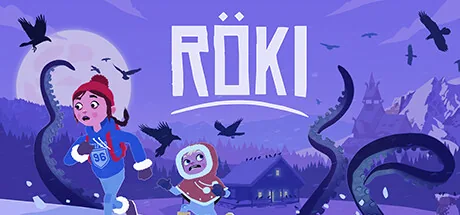
Röki follows Tove, a young girl searching a snowbound Scandinavian wilderness for her missing brother, guided by folklore creatures — trolls, ravens, a Tomte — through a point-and-click puzzle adventure about grief and redemption. It's the debut project from Polygon Treehouse, a Dundee studio founded by PlayStation and Guerrilla Games veterans, and critics rewarded that debut generously: 78 on OpenCritic, "Strong," in the genre's top 25%. Steam's player base agrees closely — Very Positive, 91.5% of 1,395 reviews (checked 13 August 2026).
The consistent minority complaint, recurring in similar language every year since launch, is pacing rather than content: repetitive backtracking across the same handful of areas, puzzle logic some reviewers found genuinely obscure, and dialogue and animations several reviews specifically describe as too slow with no way to skip or speed them up. "Röki is a beautiful game. That, sadly, is all the praise I can give it," reads a representative early review — a sentiment echoed almost word-for-word by others posted years apart.
Biggest strengths
- Genuinely striking, hand-crafted art direction and a Scandinavian-folklore setting critics and players consistently call the game's strongest asset
- A well-told, emotionally grounded story about loss and family that both critics (78 OpenCritic, "Strong") and Steam's player base (91.5% positive) rate highly
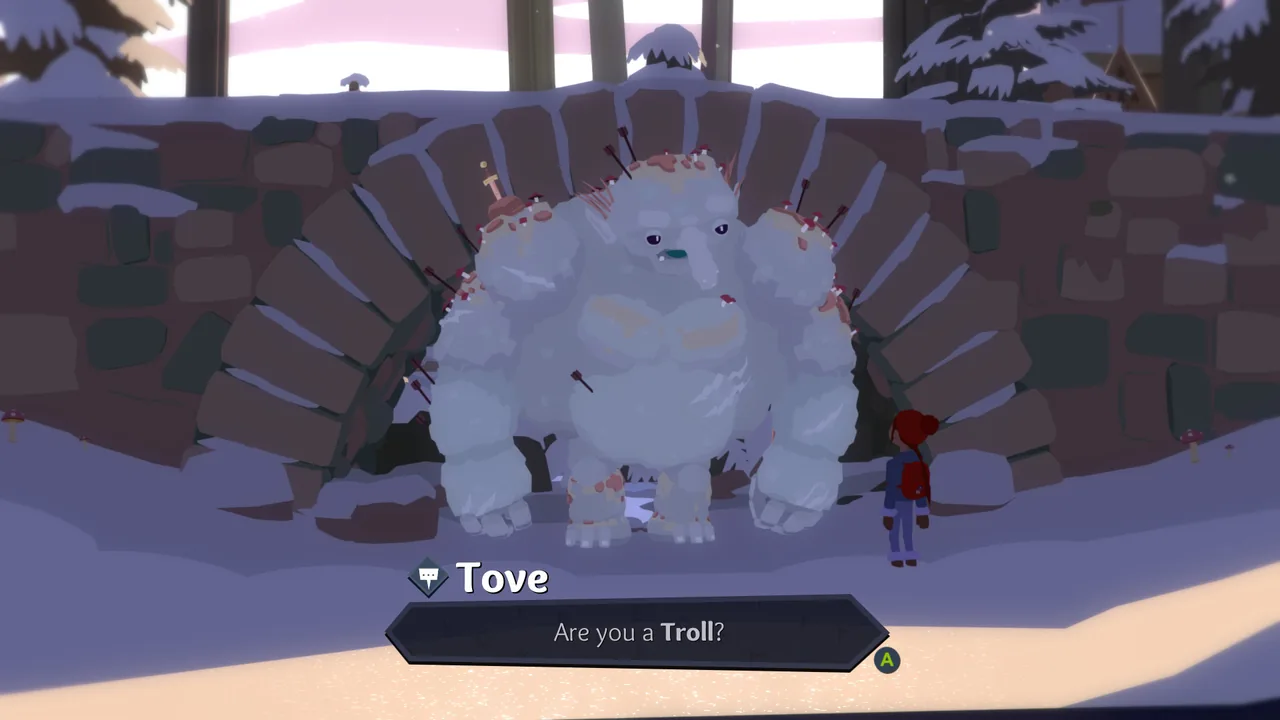
- Distinctive, well-realised folklore characters and creature designs that set it apart from more generic fairy-tale adventures
Biggest weaknesses
- A recurring, consistent complaint across six years of reviews: repetitive backtracking across a small number of connected areas that wears thin well before the story concludes
- Puzzle logic that a meaningful share of reviewers describe as genuinely obscure rather than fairly clued, particularly around item combination
- Slow, unskippable dialogue and animation sequences that several detailed reviews single out as actively working against the story's pacing rather than supporting it
Who it's for: Fans of narrative-forward point-and-click adventures — Fran Bow, Broken Age, Oxenfree players — who prioritise atmosphere and story over puzzle-solving speed, and who don't mind a slower, more deliberate pace. A weaker fit for players who bounce off backtracking or want snappy, skippable dialogue.
Our recommendation: Recommended for the story, art and folklore setting, which land for the large majority of players and critics — go in expecting a slower, more meditative pace than most adventure games, since that specific quality is the one recurring, legitimate complaint.
7 / 10
A debut built on Scandinavian folklore
Röki is Polygon Treehouse's first release, and it's an unusually confident debut. Founded by Alex Kanaris-Sotiriou, a PlayStation and Guerrilla Games alumnus, the Dundee-based studio built a point-and-click adventure around Tove, a young girl venturing into a snowbound wilderness in search of her missing brother, guided and hindered in turn by trolls, ravens, a Tomte and other figures drawn from Scandinavian folklore. It's a fairy tale in the classical sense — dark, melancholic, ultimately about grief and redemption rather than whimsy — and both critics and players responded to that tone as much as to any individual puzzle or mechanic.
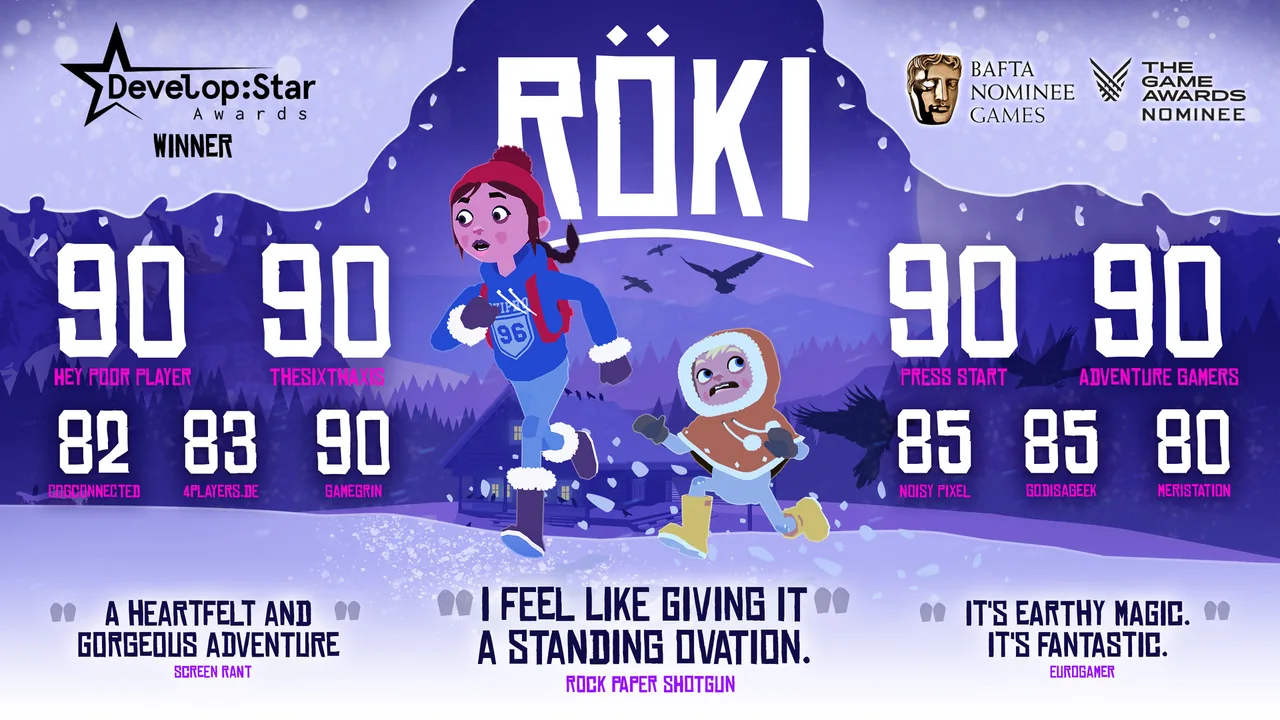
The critical reception backs that up clearly: 78 on OpenCritic, its "Strong" tier, placing Röki in the top 25% of reviewed games with 78% of 65 critics recommending it. Steam's player base lands in almost the same place independently — Very Positive, 91.5% of 1,395 reviews as of this writing. For a debut studio's first game, that's a genuinely strong showing, and the reasons given are consistent: striking, hand-crafted art direction, a well-realised folklore world, and a story critics and players alike describe as emotionally grounded rather than a generic fantasy quest.
What holds it back, said the same way for six years
The 8.5% of Steam reviewers who don't recommend Röki, and a meaningful share of critics even within otherwise positive reviews, converge on a specific, consistent complaint that shows up in nearly identical language across the entire six-year review history: pacing. "Röki is a beautiful game. That, sadly, is all the praise I can give it," reads a review from three weeks after launch, going on to describe the puzzle structure as repetitive item-gathering with too much backtracking across a limited handful of connected areas. A review from 2023, nearly three years later, makes almost the identical point in different words: "it was really slow, there is a lot of backtracking, character interactions unnecessary that stopped the flow of the game."
Several detailed reviews get more specific about where that slowness lives: dialogue and animation sequences with no option to skip or speed up, which compounds the backtracking problem rather than offsetting it. One review from 2025 singles out a boss-style encounter — the Spider sequence — as a concrete example: "locking you in to incredibly slow animations in what should be a fast-paced fight." Puzzle logic comes in for related criticism; multiple reviewers describe item combinations that made sense only in retrospect, a common adventure-game failure mode but one raised often enough here to be worth flagging rather than dismissing as individual frustration. Voice acting is a smaller, but also repeated, complaint — several reviews contrast it unfavourably with the strength of the writing and visual presentation around it, including one player who specifically bought the soundtrack DLC and rated the music far above the voice work in the base game.
Verdict
Röki is a genuinely strong debut — a well-told, well-designed folklore story from a studio that clearly understood atmosphere and art direction from its first release, and both critics and the large majority of its Steam audience rate it accordingly. The recurring complaint about pacing, backtracking and slow, unskippable sequences isn't noise — it's the same specific critique, made in similar terms, across six years of reviews from people who otherwise liked the game a great deal. That's worth taking as a genuine design trade-off rather than a flaw that got fixed and forgotten: if a slower, more deliberate adventure-game pace is something you enjoy, Röki's story and world are very much worth the time; if repetitive backtracking is a dealbreaker for you specifically, this review's own sources say you're not alone in finding it one.
Pros and cons
Pros
- Genuinely striking, hand-crafted art direction and a Scandinavian-folklore setting critics and players consistently call the game's strongest asset
- A well-told, emotionally grounded story about loss and family that both critics (78 OpenCritic, "Strong") and Steam's player base (91.5% positive) rate highly
- Distinctive, well-realised folklore characters and creature designs that set it apart from more generic fairy-tale adventures
- Full controller support alongside keyboard and mouse, a genuine rarity done well in this genre
Cons
- A recurring, consistent complaint across six years of reviews: repetitive backtracking across a small number of connected areas that wears thin well before the story concludes
- Puzzle logic that a meaningful share of reviewers describe as genuinely obscure rather than fairly clued, particularly around item combination
- Slow, unskippable dialogue and animation sequences that several detailed reviews single out as actively working against the story's pacing rather than supporting it
- Voice acting draws specific, repeated criticism as a weak point relative to the strength of the writing and visual presentation
Screenshots
-
RökiImage: United Label via Steam -
RökiImage: United Label via Steam -
RökiImage: United Label via Steam -
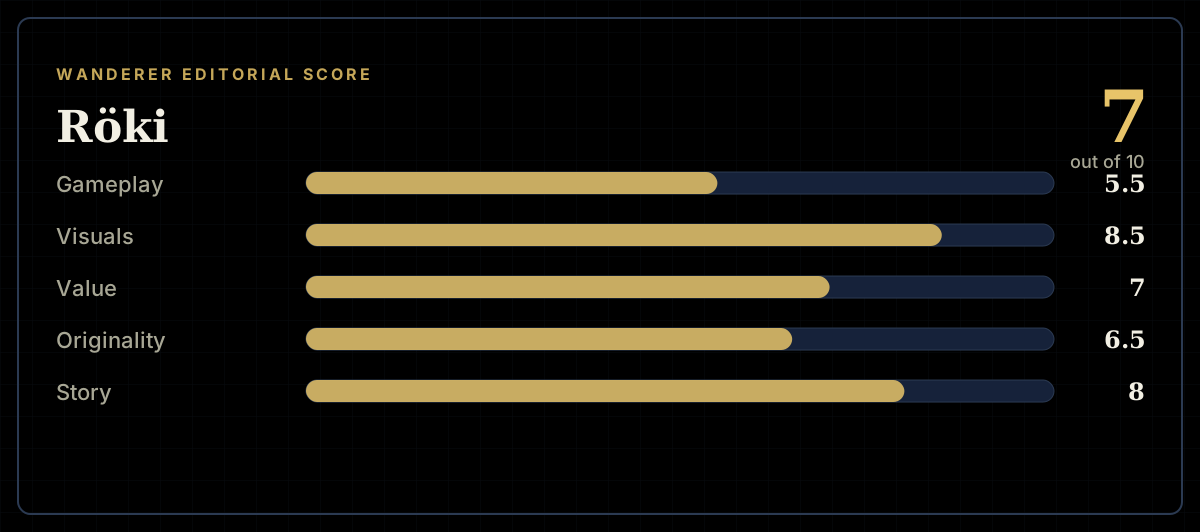
How the review scores each part of the gameWanderer Editorial -
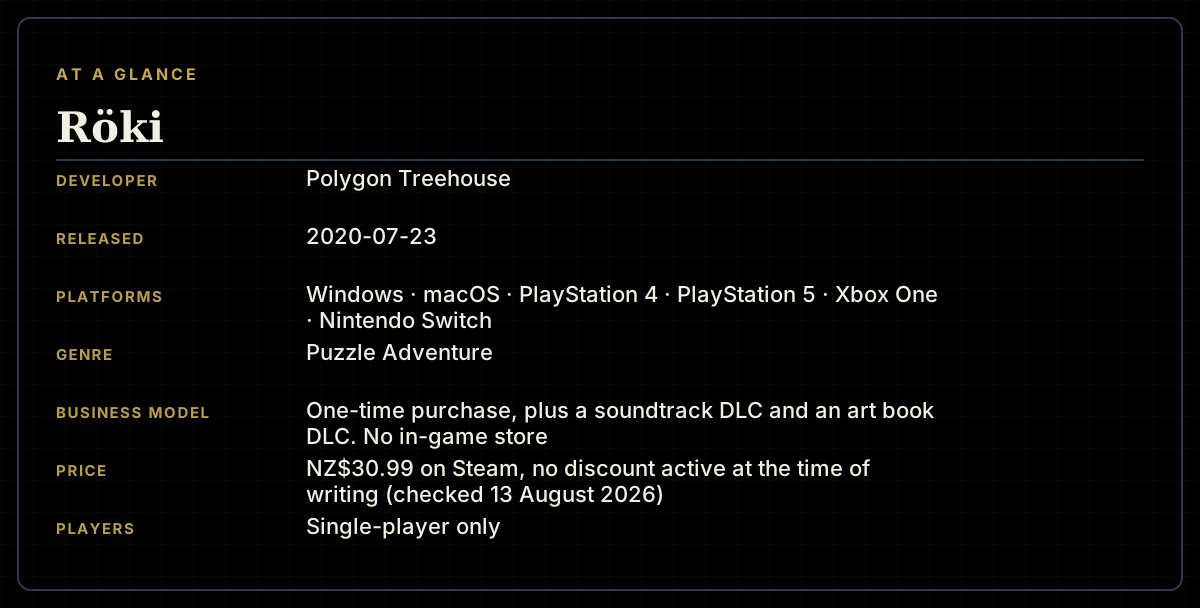
The essentials at a glanceWanderer Editorial -
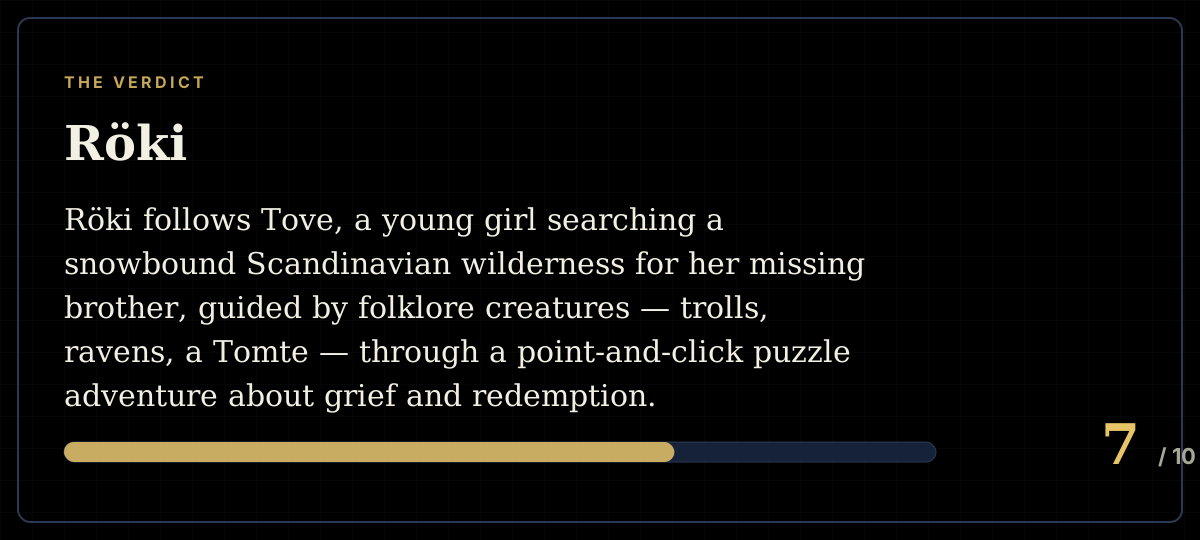
The short versionWanderer Editorial