Game review
LIMBO
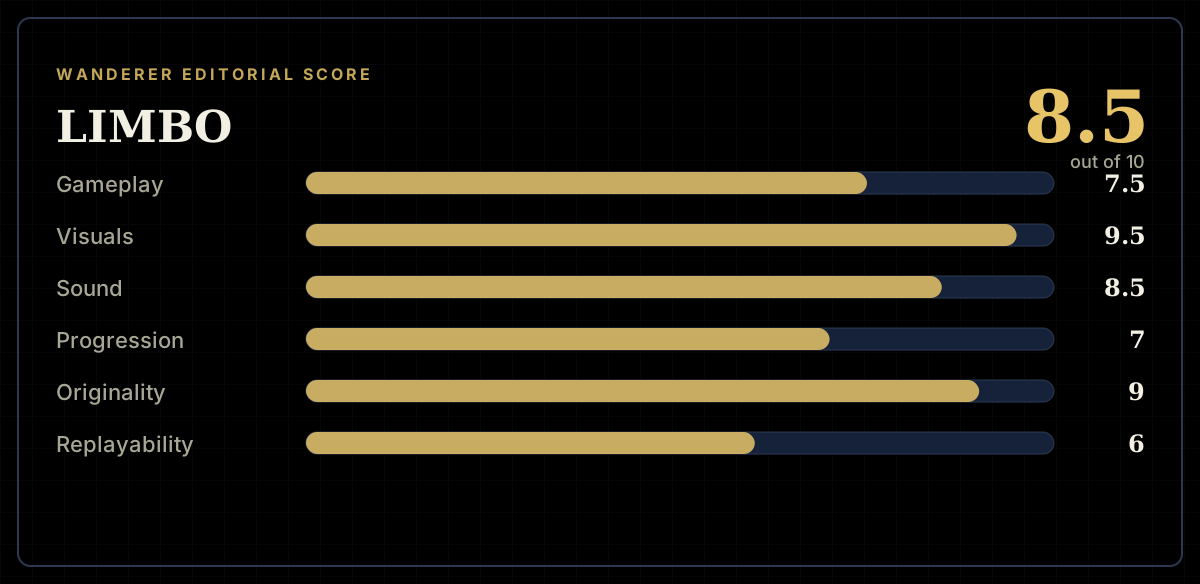
8.5 / 10
- Developer
- Playdead
- Publisher
- Playdead
- Released
- 2 August 2011
- Platforms
- Windows, macOS, Linux
- Genre
- Puzzle Platformer
- Monetisation
- One-time purchase, currently NZ$1.74 at 90% off (NZ$17.49 full price). No microtransactions.
- Players
- Single-player only
The short version
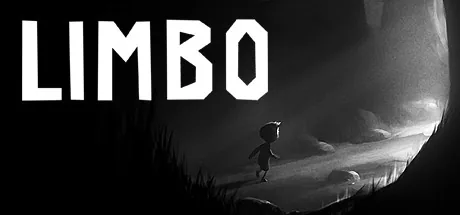
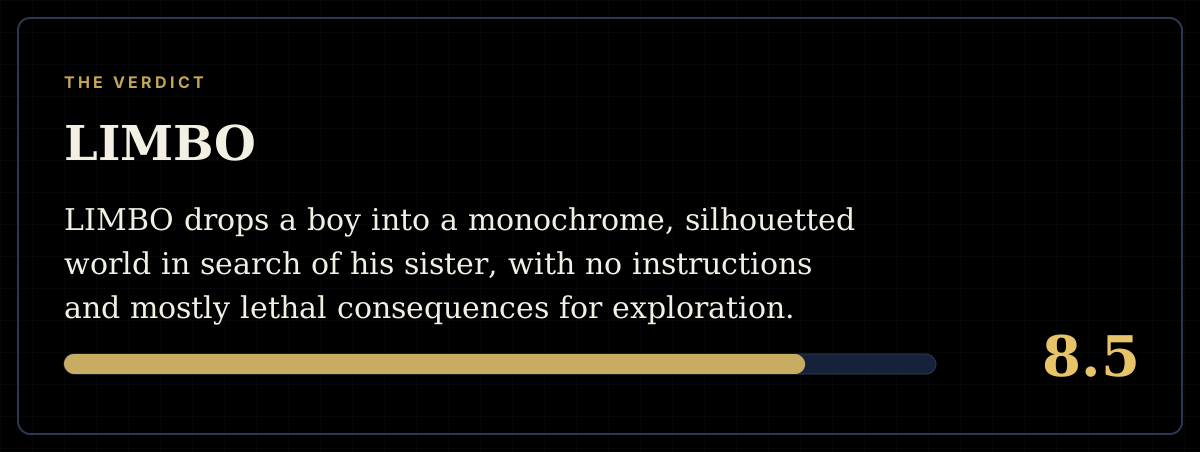
LIMBO drops a boy into a monochrome, silhouetted world in search of his sister, with no instructions and mostly lethal consequences for exploration. It's widely credited with helping establish the atmospheric-indie-platformer genre that games like Inside — Playdead's own later work — would go on to refine, and 92.2% positive across 61,690 reviews confirms it still holds up as a complete, distinctive experience fifteen years on.
What's genuinely unusual is how stable the dissent has stayed. The most-upvoted negative review, written in 2012, criticizes the game's trial-and-error puzzle design and the way many deaths arrive with no fair warning; a 2023 review makes almost the identical argument in nearly the same words. That's not coincidence so much as evidence of a real, durable design critique that's never gone away, sitting alongside equally durable praise for the atmosphere that makes people put up with it.
Biggest strengths
- A genuinely influential monochrome, silhouette-based art style that still looks distinctive fifteen years later
- Tight, atmospheric sound design that carries much of the game's mood with almost no dialogue or exposition
- A short, focused runtime that respects the amount of idea the game actually has to offer
Biggest weaknesses
- Trial-and-error puzzle design is the single most consistent, longest-running criticism in the game's history — some deaths arrive with no reasonable way to anticipate them on a first attempt, a complaint written almost identically in 2012 and again in 2023
- The back half of the game shifts toward physics and timing-based puzzles that several reviewers say favour precision over the atmospheric tension that defined the first half
- Very light on story, which some reviewers find adds to the mystery and others find simply thin
Who it's for: Puzzle-platformer fans who want a short, moody, story-light experience and don't mind learning some of its puzzles through repeated death. Less suited to players who find trial-and-error puzzle design frustrating rather than atmospheric, or anyone expecting the refined fairness of Playdead's own later game, Inside.
Our recommendation: Buy it, especially at its frequent deep discounts — even critics of its puzzle design generally agree the atmosphere and presentation are worth the two to four hours it takes. Go in expecting some deaths to feel unfair on a first attempt; that's a real, long-documented part of how this specific game teaches its puzzles, not a bug.
8.5 / 10
Fifteen years is long enough for a game's reputation to shift several times over. LIMBO's hasn't, and reading its review history in order is the clearest way to see why: this is a game whose strongest praise and sharpest criticism were both fully formed within the first year of release, and neither has really moved since.
The game that helped define a genre
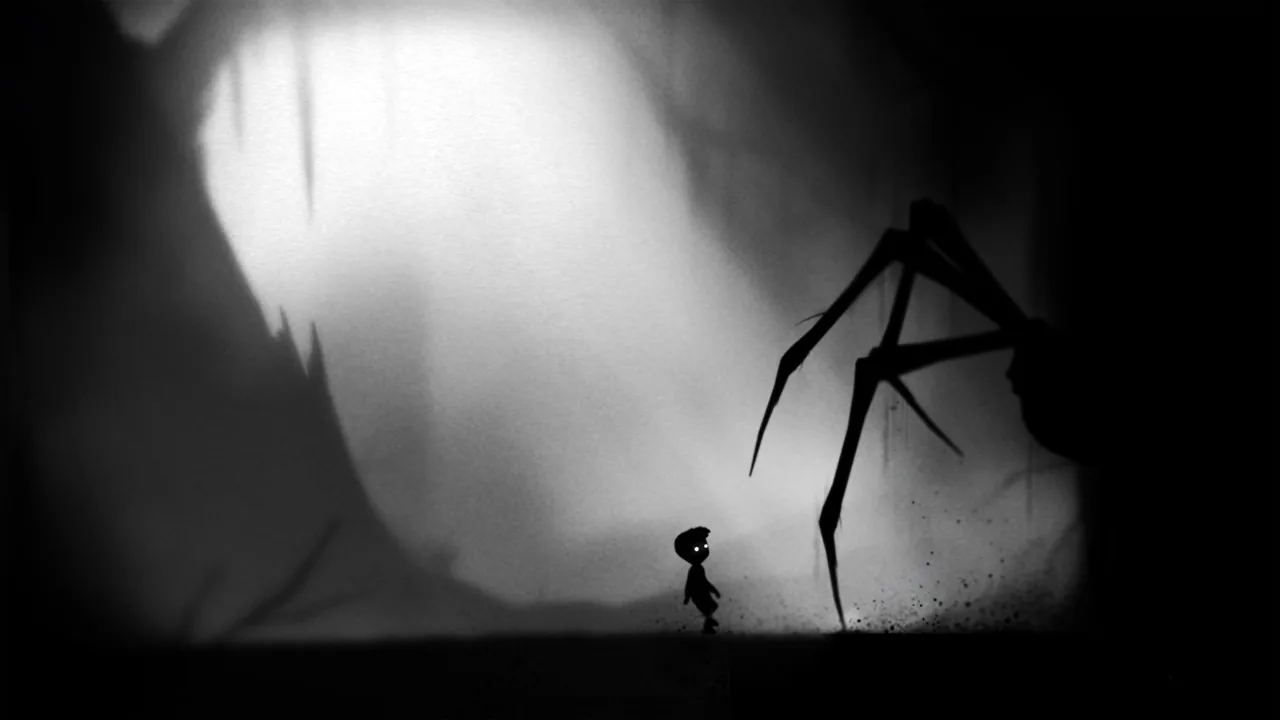
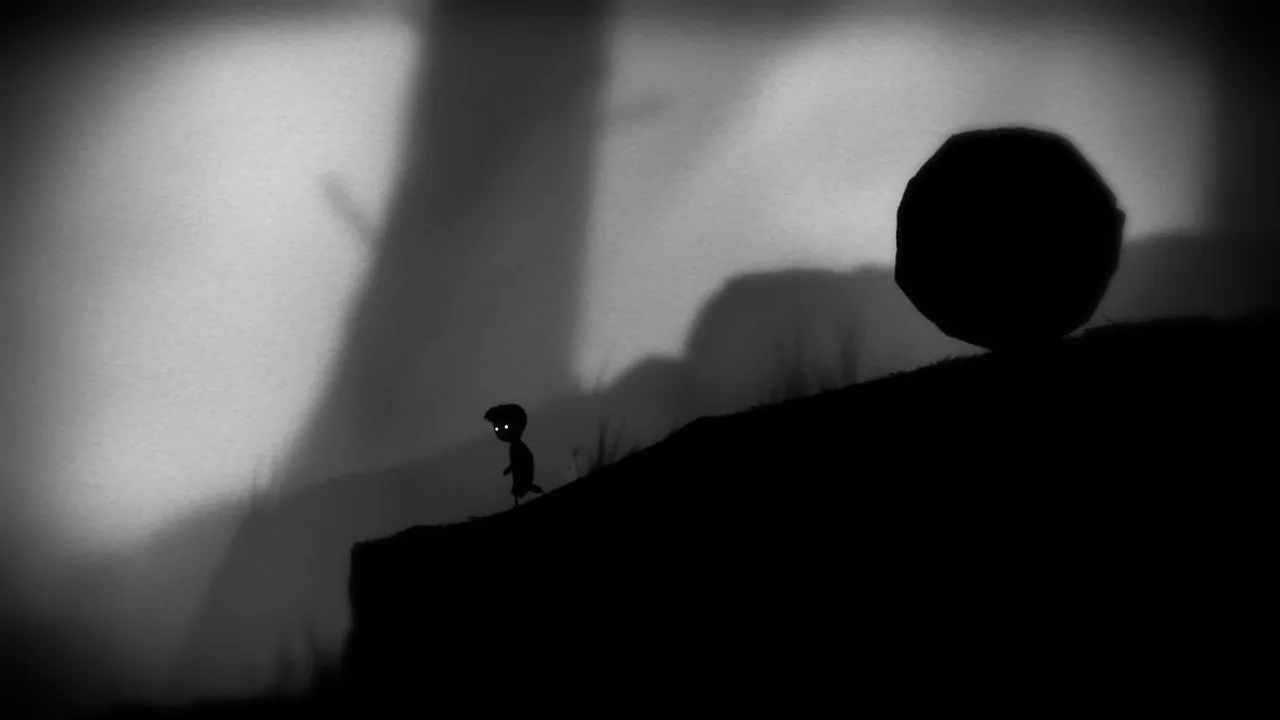
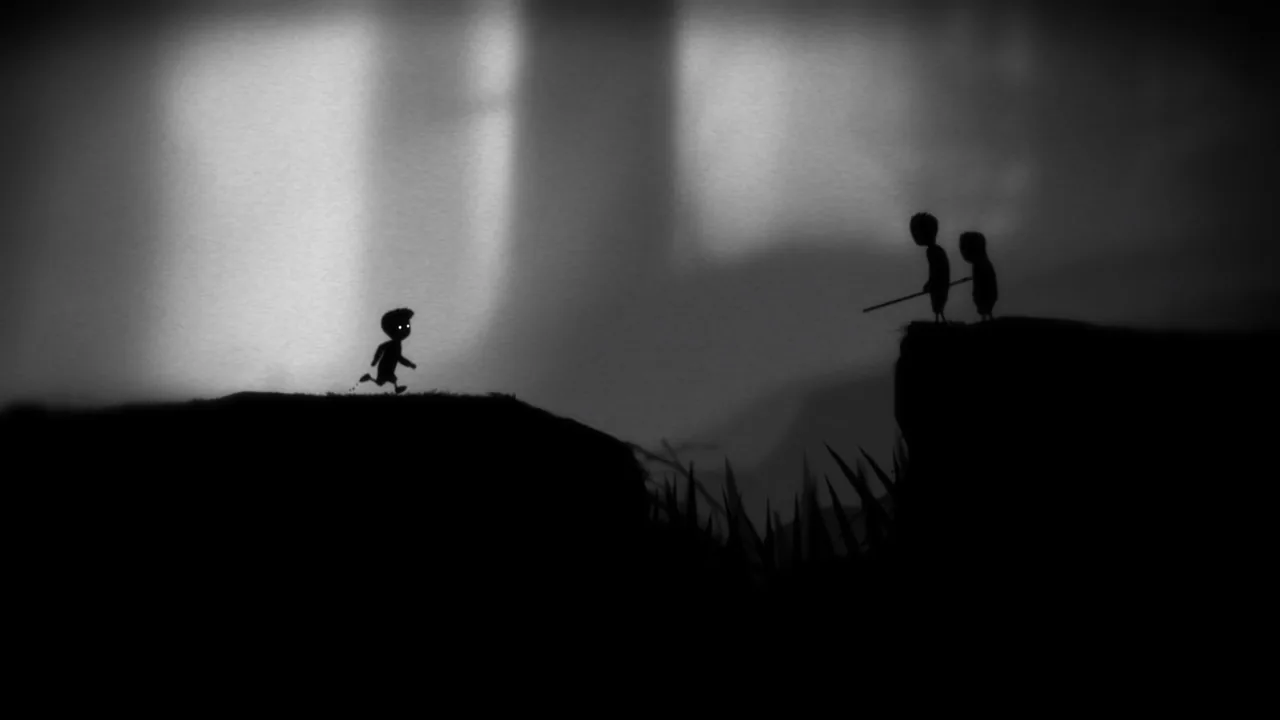
Playdead's debut sent a nameless boy through a silent, black-and-white forest full of traps, predatory spiders and other children, in search of a sister the game never explains or shows clearly. It was, on release, a genuinely distinctive presentation — reviewers still call the silhouette art style influential fifteen years later, and its DNA is visible in a long line of atmospheric indie platformers that followed, including Playdead's own later game, Inside. One reviewer with nearly 120 hours logged, evidently having replayed it many times, sums it up in one line: "dark, creepy, and atmospheric... a great indie platformer with gorgeous visuals." Another, writing years after launch, calls it "hard to classify" — part platformer without demanding precise timing, part puzzle game without conventional puzzle logic — and still counts it among the greatest indie games made.
A criticism that's stayed exactly the same
Here's what's unusual about this game's negative-review corpus specifically: it hasn't drifted. The single most-upvoted negative review, written in September 2012, criticizes LIMBO's "illogical way to present puzzles," arguing the player is rarely given a fair opportunity to recognize danger before dying to it. Look at a 2023 review, written more than a decade later, and the same specific complaint appears in strikingly similar language — whether directly influenced by the earlier review or simply arriving independently at the same conclusion, it's evidence of a genuine, durable critique rather than a passing complaint. The shape of it is consistent throughout: many of the game's deaths are, on a first encounter, effectively impossible to avoid, and the game teaches its puzzles through dying rather than through fair signaling. A separate, equally persistent thread argues the game's second half leans harder into precise timing and physics puzzles than the moodier, more atmospheric first half, trading some of what made the opening hour distinctive for mechanical challenge instead.
None of this reads as review-bombing or a shifting reputation — it's the same honest disagreement about design philosophy that's been present since week one, made by reviewers who, in the same breath, usually credit the atmosphere and presentation as worth enduring it for.
Reading the completion data
The achievement curve is steep and consistent with a short, front-loaded game. The two most common milestones sit at 47.3% and 32.9%, and completion drops quickly from there, with the rarest achievements under 5%. That's a normal shape for a two-to-four-hour game where a meaningful share of buyers experience the opening but don't push through every optional challenge along the way.
8.5 out of 10. LIMBO remains a genuinely influential, atmospheric puzzle-platformer whose presentation still holds up against everything it inspired. It's held below the top tier by a real, long-documented design critique that has never gone away in fifteen years: some of its puzzles teach through unfair-feeling deaths rather than fair warning, a complaint written almost identically by reviewers a decade apart. That's worth knowing before you start, but it hasn't stopped the overwhelming majority of players from calling the atmosphere worth the frustration.
Pros and cons
Pros
- A genuinely influential monochrome, silhouette-based art style that still looks distinctive fifteen years later
- Tight, atmospheric sound design that carries much of the game's mood with almost no dialogue or exposition
- A short, focused runtime that respects the amount of idea the game actually has to offer
- Historically significant as one of the games that helped define the modern atmospheric indie platformer, a lineage Playdead's own later work, Inside, continued
- Frequently available at very steep discounts, making it exceptional value even for a short experience
Cons
- Trial-and-error puzzle design is the single most consistent, longest-running criticism in the game's history — some deaths arrive with no reasonable way to anticipate them on a first attempt, a complaint written almost identically in 2012 and again in 2023
- The back half of the game shifts toward physics and timing-based puzzles that several reviewers say favour precision over the atmospheric tension that defined the first half
- Very light on story, which some reviewers find adds to the mystery and others find simply thin
- Minimal replayability once the puzzles are known, since most of the challenge is one-time problem-solving rather than skill-based execution
Screenshots
-
LIMBOImage: Playdead via Steam -
LIMBOImage: Playdead via Steam -
LIMBOImage: Playdead via Steam -
How the review scores each part of the gameWanderer Editorial -
The short versionWanderer Editorial