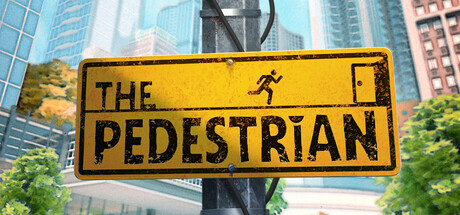
Game review
The Pedestrian
7 / 10
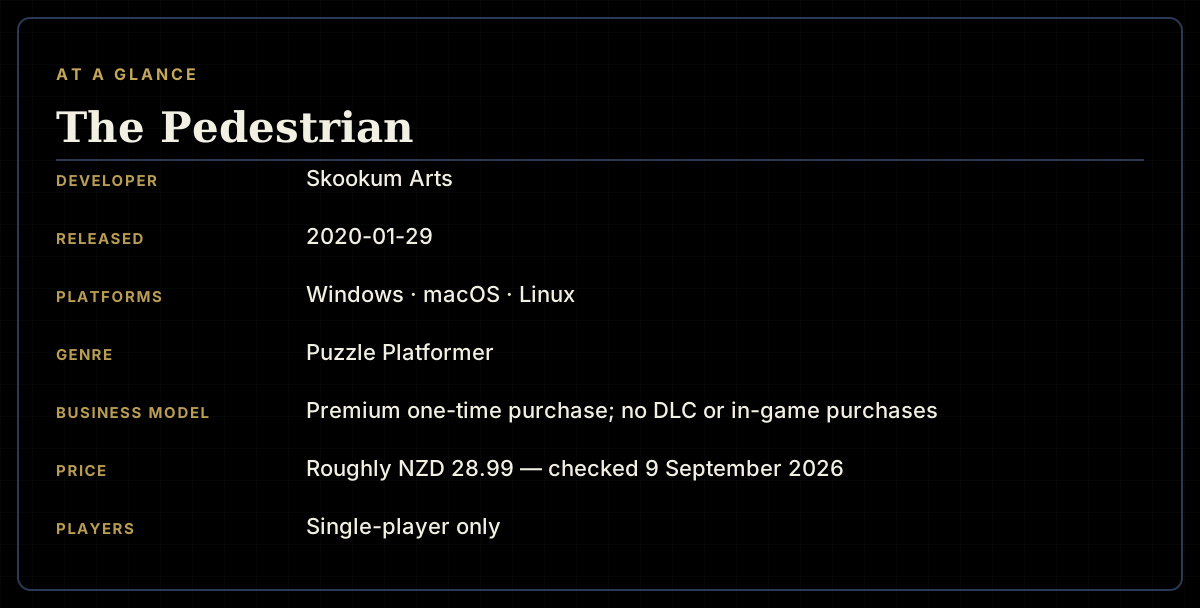
- Developer
- Skookum Arts
- Publisher
- Skookum Arts
- Released
- 29 January 2020
- Platforms
- Windows, macOS, Linux
- Genre
- Puzzle Platformer
- Monetisation
- Premium one-time purchase; no DLC or in-game purchases
- Players
- Single-player only
The short version
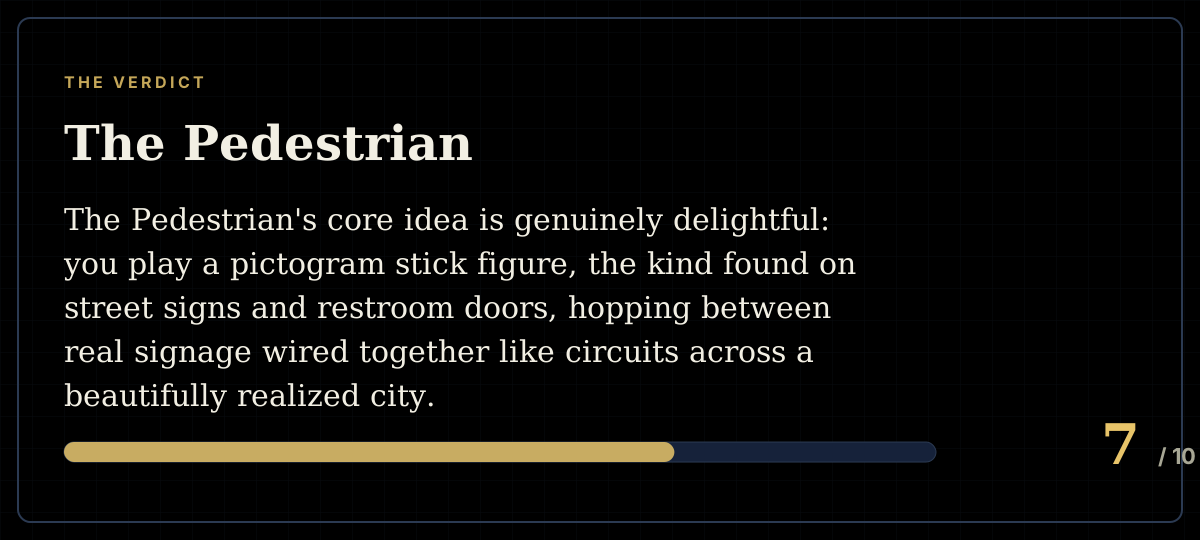
The Pedestrian's core idea is genuinely delightful: you play a pictogram stick figure, the kind found on street signs and restroom doors, hopping between real signage wired together like circuits across a beautifully realized city. Five years of development clearly went into the presentation, and it shows in an aggregate score that puts it near the top of this list. What keeps it from a higher score is a real, specific minority complaint — that the puzzles themselves stay too simple for what the premise promises — layered on top of a genuinely surprising quality-of-life gap and a length that a meaningful share of buyers say doesn't match the price.
Biggest strengths
- The central concept, navigating a pictogram figure between street signs treated as a connected circuit board across a living city, is repeatedly praised as one of the most original puzzle-platformer hooks in years
- Art direction earns close to unanimous praise, with dynamic backgrounds that react to the player's progress adding a level of polish and detail well beyond what the price tag might suggest
- The game continually introduces new mechanics and environments rather than repeating the same puzzle type, which multiple reviewers specifically credit with keeping the experience from going stale across its runtime
Biggest weaknesses
- A real, detailed minority of reviewers argues the puzzles themselves stay too simple for a game marketed on puzzle-solving, describing solutions as often reducible to "the only available move" rather than genuine problem-solving
- There is no option to mute or independently adjust the music's volume separately from other audio, a specific and surprising quality-of-life gap that multiple reviewers call out in unusually strong terms for an otherwise polished release
- Length draws sustained complaints, with most reviewers finishing in two-and-a-half to seven hours depending on how much they linger, and several explicitly say the content doesn't match the roughly NZD 29 asking price
Who it's for: Puzzle-platformer fans who prioritize a strong, original concept and beautiful presentation over deep mechanical difficulty, more than players specifically seeking a challenging puzzle game to test themselves against.
Our recommendation: Worth playing for the concept and art alone, ideally on a sale given the consistent length-versus-price complaints; go in expecting a relaxed, creative experience rather than a brain-bending one, and keep your speakers at a comfortable volume before starting since there's no way to mute the music separately.
7 / 10
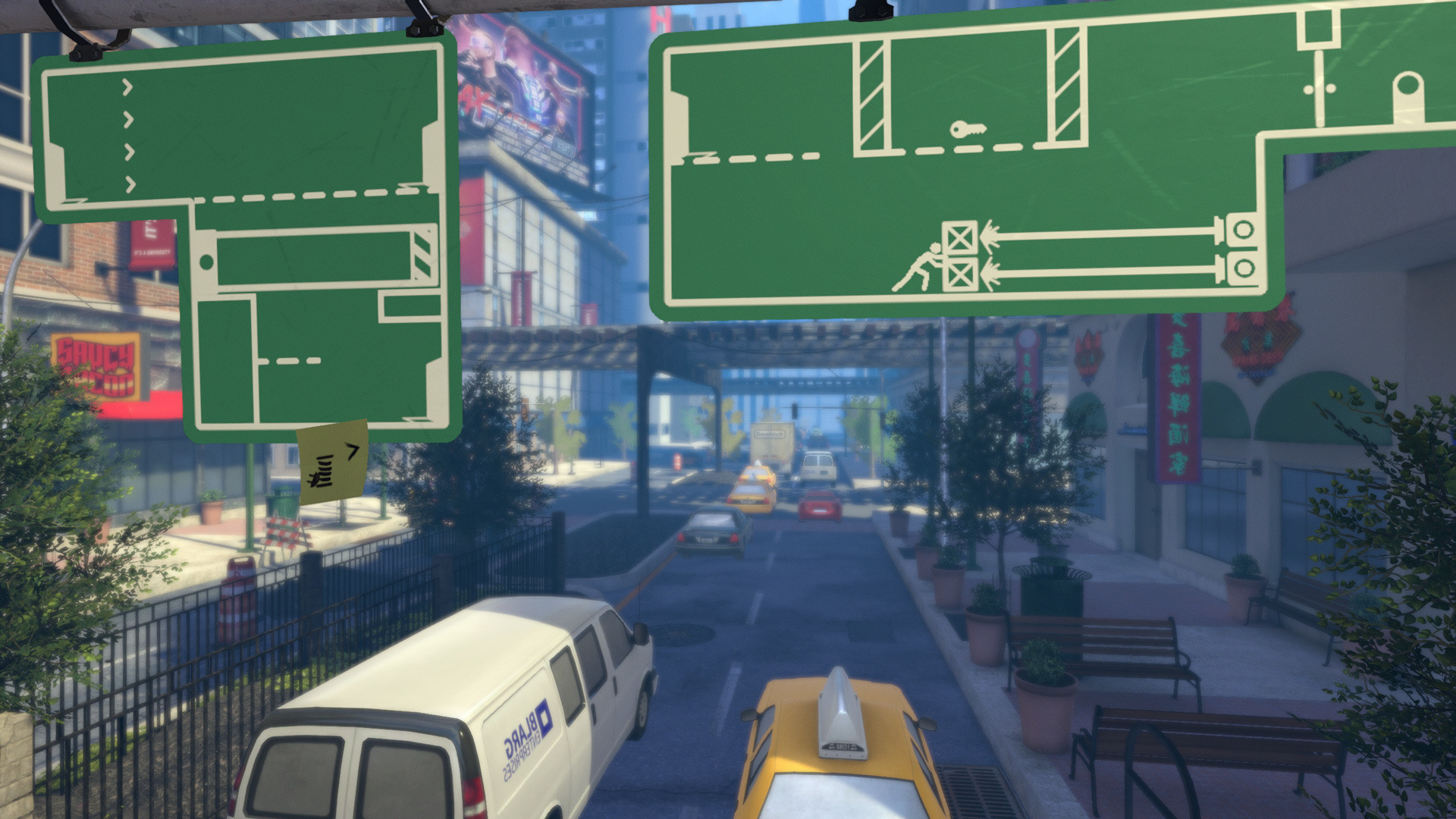
Every pictogram figure on every street sign, restroom door and warning label in a city has, presumably, somewhere to be. The Pedestrian takes that idea completely literally: you control one such figure, hopping between signs by wiring them together into paths, ladders and conveyor systems across a beautifully rendered urban backdrop that reacts to your progress in real time. Five full years in development, the game eventually landed to a reception that puts it near the very top of this entire list — 97% Overwhelmingly Positive across 6,100 reviews — and the reasons for that reception are as easy to see as the reasons a smaller, detailed minority pushes back.
A hook few games have tried, executed with real care
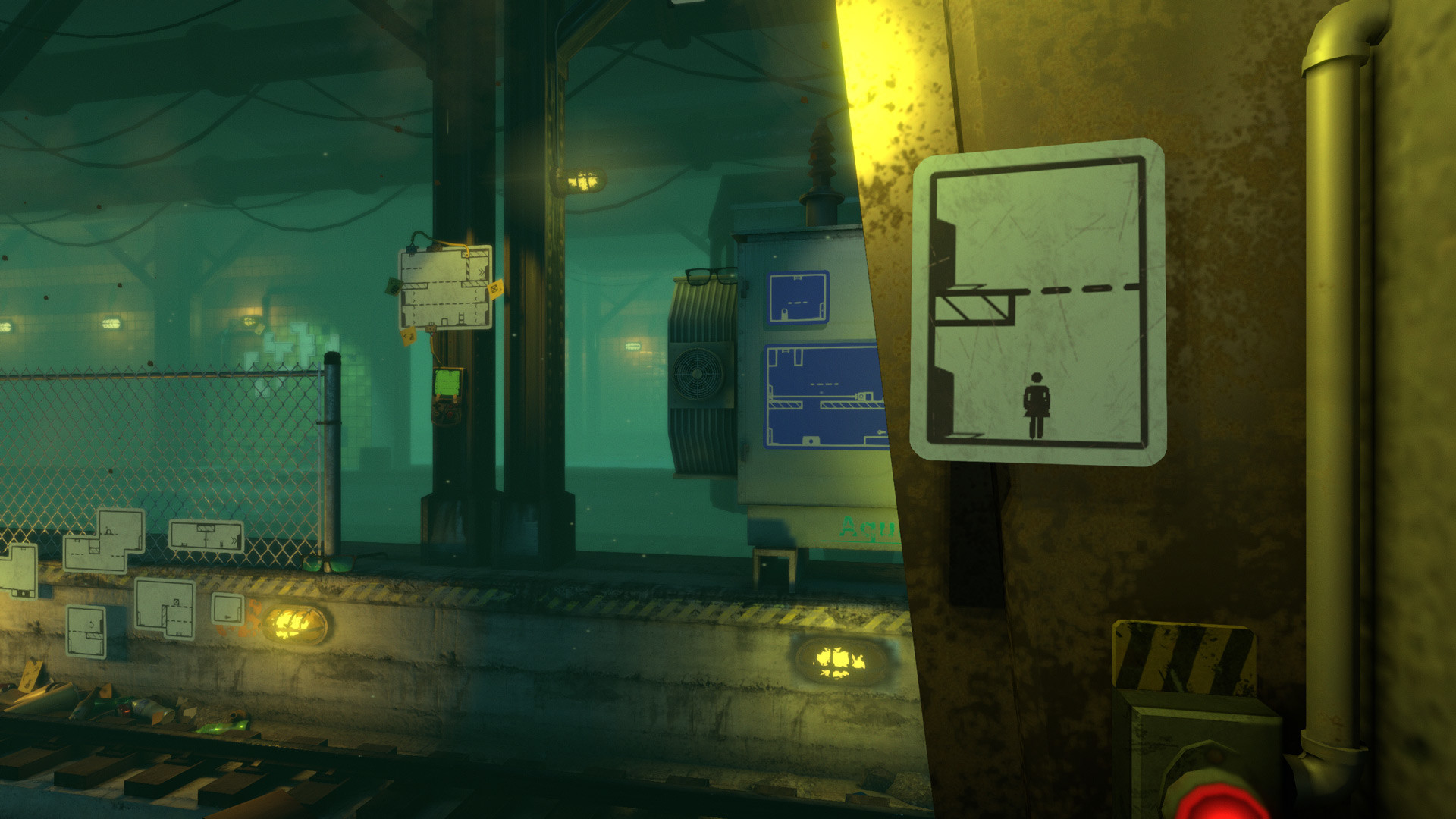
The premise alone earns The Pedestrian a lot of goodwill, and the review sample treats that goodwill as fully deserved. Multiple reviewers call it one of the most original puzzle-platformer concepts in years, and the game backs that originality with genuine variety — new mechanics and environments arrive regularly enough that reviewers consistently say it never settles into repetition across its runtime. Art direction is close to a universal point of praise, with dynamic, detailed backgrounds that respond to what's happening inside the signs themselves, a level of polish reviewers repeatedly describe as punching well above what an indie budget usually delivers.
The puzzle-depth complaint worth taking genuinely seriously
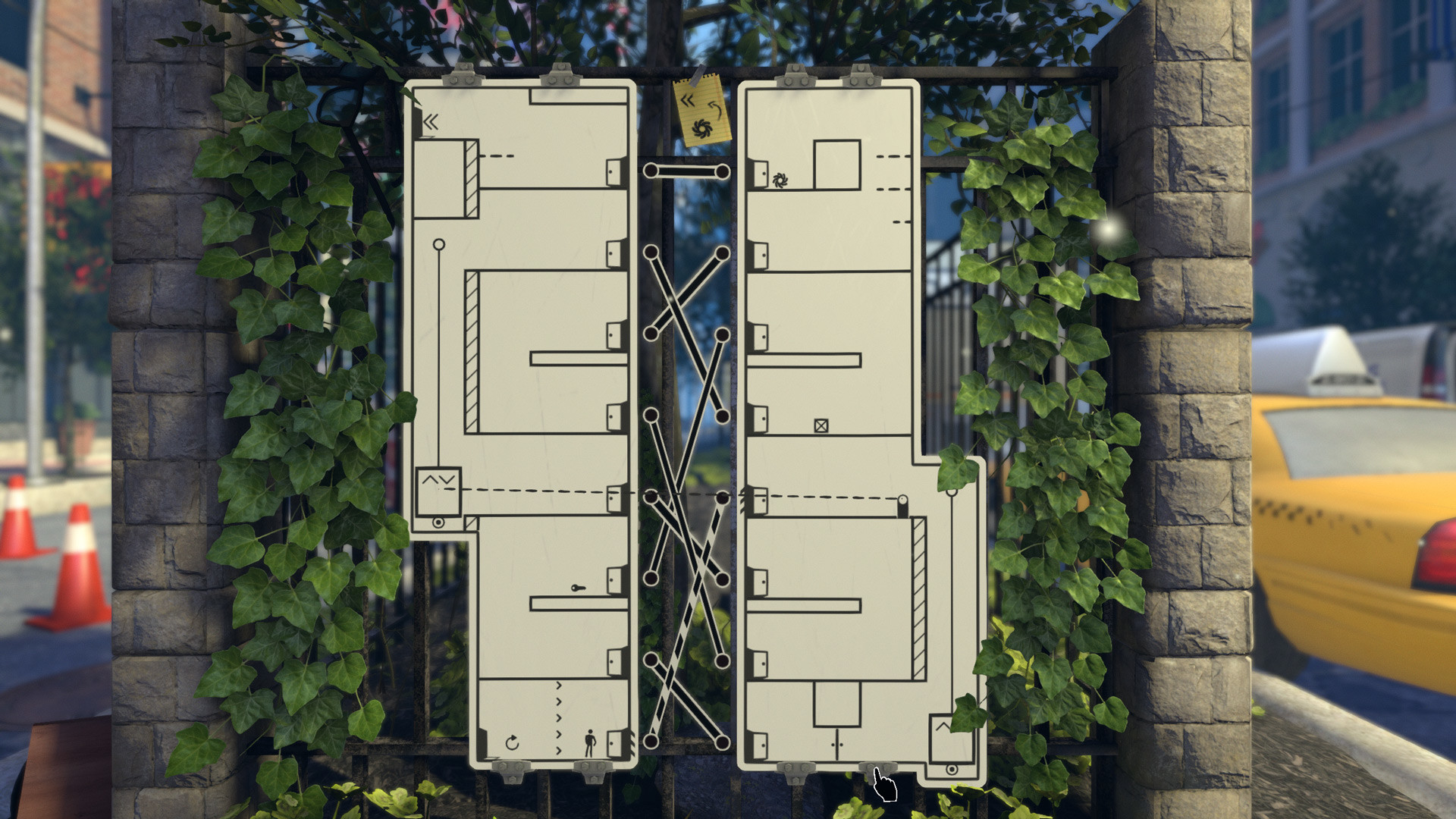
Where the review sample genuinely splits, it splits over one specific, well-defined question: does a clever premise automatically produce clever puzzles? A real, detailed minority says no. Multiple reviewers describe solutions reducible to simply trying the one available move that hasn't been tried yet, rather than genuine deduction, and several explicitly contrast this with harder puzzle games like Stephen's Sausage Roll or Baba Is You that ask more of players willing to engage that deeply. This isn't a complaint about the game being too hard — if anything it's closer to the opposite — and it's worth taking seriously precisely because it comes from reviewers who clearly understand and appreciate the puzzle genre rather than players simply bouncing off difficulty.
A specific, surprising audio gap and a genuine length debate
Two more concrete issues recur often enough to name directly. First, there is no way to mute or independently adjust the music's volume, a gap multiple reviewers call out in unusually sharp terms given how otherwise polished the release is — a five-years-in-development game shipping without basic audio mixing options is a genuinely surprising oversight rather than a nitpick. Second, length draws sustained, specific complaints: most players finish in two-and-a-half to seven hours, and several reviewers explicitly say that runtime doesn't match the roughly NZD 29 asking price, recommending a sale instead. Global achievement data shows a healthy, gradual completion curve rather than a steep wall — around 30% of all owners reach the finale — a shape consistent with an accessible, approachable game most players who start eventually do finish, rather than one meaningfully gatekept by real difficulty at any specific point along the whole journey from start to finish.
Five years, and still going
The Pedestrian's own development history is worth knowing before weighing the value complaint. Skookum Arts posted regularly about "surviving five years of game development" in the lead-up to launch, and that investment didn't stop once the game shipped. The studio has continued supporting it well beyond a typical indie release window: a soundtrack release, a digital artbook, community showcase inclusions, a Webby Award nomination the following year, and even a physical retail release and a further quality-of-life and engine upgrade years after the original launch. That's a meaningfully longer tail of investment than most games this size receive, and it's fair context for readers weighing whether the asking price reflects a one-and-done release or a project the studio has kept caring about.
Where it sits next to harder puzzle games
The comparisons reviewers reach for say a lot about how to calibrate expectations. Reviewers who find the puzzles too simple specifically invoke Stephen's Sausage Roll, The Witness and Baba Is You — three of the most demanding, mechanically rigorous puzzle games of the last decade — as the bar The Pedestrian doesn't clear. That's a meaningful signal: if those specific titles are your personal benchmark for what a "puzzle game" should demand, the complaints above are likely to resonate. If your favorite puzzle-platformers prioritize atmosphere, creativity and steady forward momentum over grueling difficulty, the same design choices read as a feature rather than a shortfall, and the overwhelming majority of the review sample falls into that second camp.
Verdict
The Pedestrian earns its high aggregate score through a genuinely original idea executed with real craft and care, and the vast majority of its audience clearly agrees the puzzles and presentation deliver on that idea's promise. A smaller, detailed, genre-literate minority makes a fair case that the puzzle-solving itself stays simpler than the premise suggests, and a real quality-of-life gap around audio controls compounds a length-versus-price debate that shows up across almost the whole review sample regardless of overall sentiment. Play it for the concept and the art, both of which fully earn the acclaim this review's own scoring reflects; just adjust your expectations for the puzzles themselves accordingly, and go in knowing the audio mixing and the price-to-length ratio are the two places this otherwise carefully crafted game falls noticeably short of its own ambition.
Pros and cons
Pros
- The central concept, navigating a pictogram figure between street signs treated as a connected circuit board across a living city, is repeatedly praised as one of the most original puzzle-platformer hooks in years
- Art direction earns close to unanimous praise, with dynamic backgrounds that react to the player's progress adding a level of polish and detail well beyond what the price tag might suggest
- The game continually introduces new mechanics and environments rather than repeating the same puzzle type, which multiple reviewers specifically credit with keeping the experience from going stale across its runtime
- Five years of development clearly shows in overall production quality, and the developer has continued supporting the game with updates, a soundtrack release, a digital artbook and even a physical release years after launch
- The Webby Awards nominated the game for Best Puzzle Game the year after release, external validation consistent with the game's own overwhelmingly positive reception
Cons
- A real, detailed minority of reviewers argues the puzzles themselves stay too simple for a game marketed on puzzle-solving, describing solutions as often reducible to "the only available move" rather than genuine problem-solving
- There is no option to mute or independently adjust the music's volume separately from other audio, a specific and surprising quality-of-life gap that multiple reviewers call out in unusually strong terms for an otherwise polished release
- Length draws sustained complaints, with most reviewers finishing in two-and-a-half to seven hours depending on how much they linger, and several explicitly say the content doesn't match the roughly NZD 29 asking price
- Several reviewers report the difficulty curve is uneven rather than gradual, with confusion spiking in the middle of the game before settling again, making the pacing feel less deliberate than the rest of the design
- At least one reviewer flags a late-game perspective shift from 2D to 3D as a meaningful mechanical change that arrives after Steam's standard refund window would typically have already closed for most buyers
Screenshots
-
The PedestrianImage: Skookum Arts via Steam -
The PedestrianImage: Skookum Arts via Steam -
The PedestrianImage: Skookum Arts via Steam -
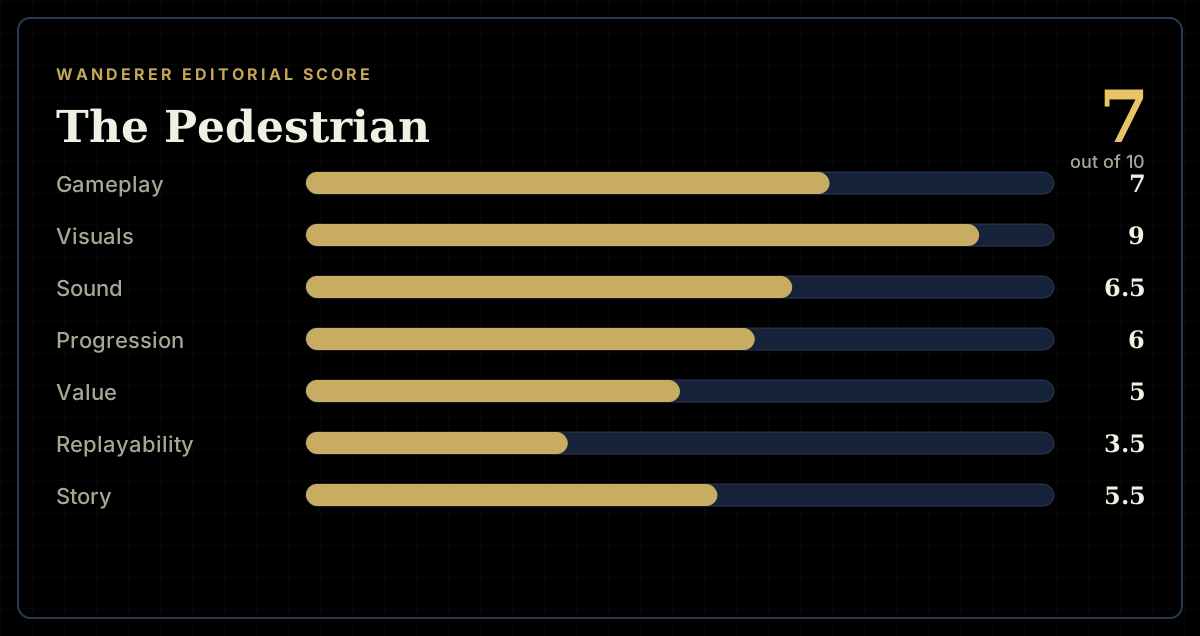
How the review scores each part of the gameWanderer Editorial -
At a glanceWanderer Editorial -
The short versionWanderer Editorial