
Game review
FAR: Lone Sails
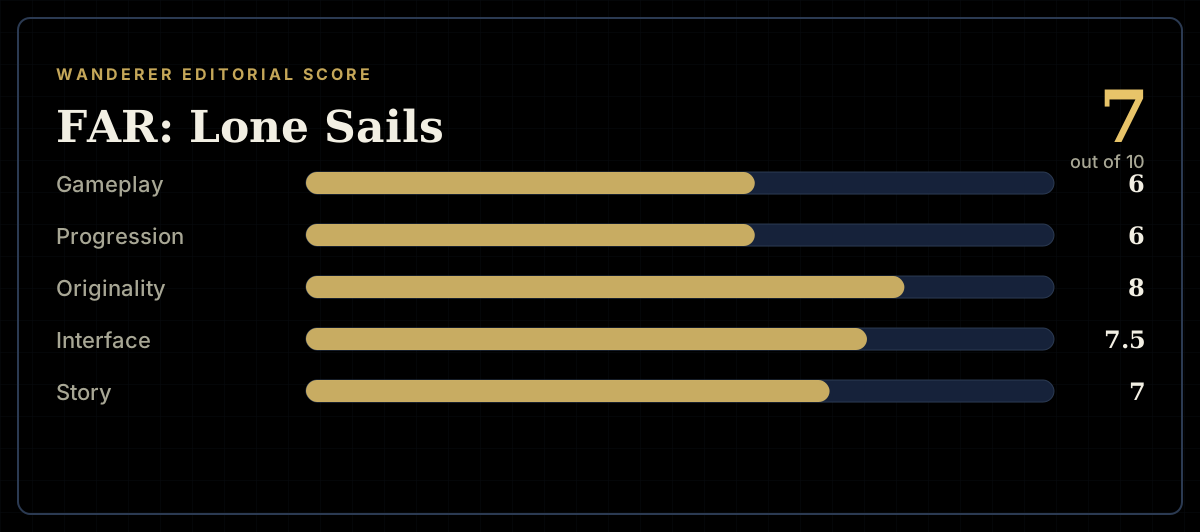
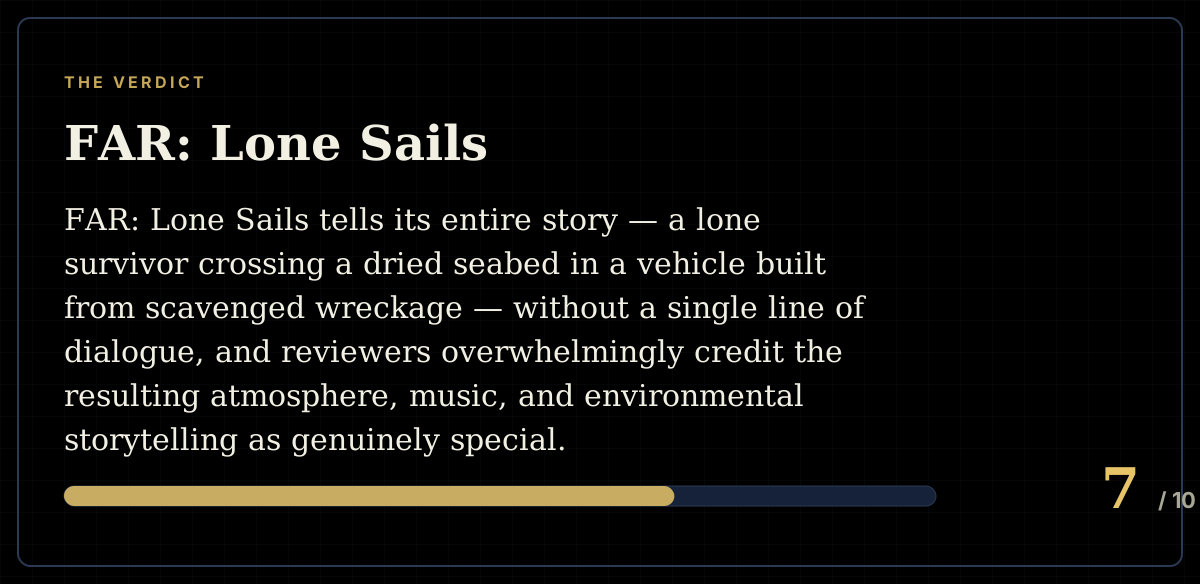
7 / 10
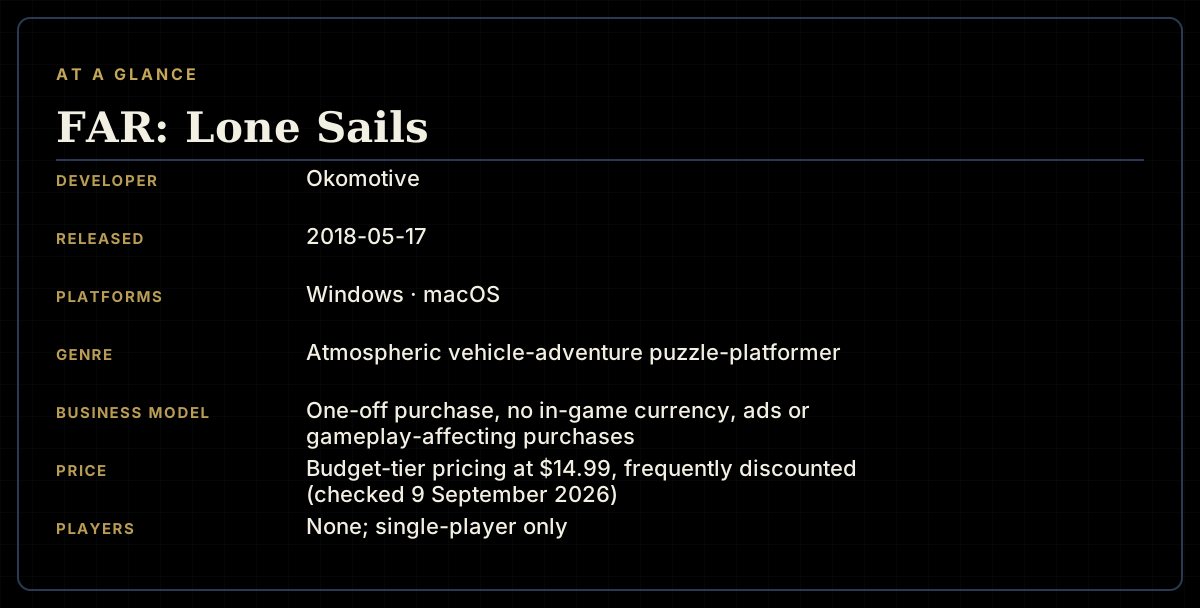
- Developer
- Okomotive
- Publisher
- Okomotive
- Released
- 17 May 2018
- Platforms
- Windows, macOS
- Genre
- Atmospheric vehicle-adventure puzzle-platformer
- Monetisation
- One-off purchase, no in-game currency, ads or gameplay-affecting purchases
- Players
- None; single-player only
The short version
FAR: Lone Sails tells its entire story — a lone survivor crossing a dried seabed in a vehicle built from scavenged wreckage — without a single line of dialogue, and reviewers overwhelmingly credit the resulting atmosphere, music, and environmental storytelling as genuinely special. That praise sits alongside a real, specific thread of pushback: several reviewers describe the actual playtime as short (three to four hours), the vehicle-maintenance loop as repetitive rather than meditative, and the puzzles as too simple to carry the experience on gameplay terms alone. One particularly detailed, heavily-upvoted account complicates the "relaxing road trip" framing directly, describing the moment-to-moment pacing as "WAY too frenetic" — constant running between systems to keep the vehicle alive rather than the calm the promotional tone suggests. Achievement data backs up the length complaint concretely: roughly half the playerbase completes the entire story, an unusually high finish rate that confirms just how short a commitment this actually is, for better or worse depending on what a given buyer wants from it.
Biggest strengths
- A genuinely distinctive, wordless storytelling approach that reviewers consistently and specifically credit as one of the strongest environmental narratives in its genre
- A memorable, atmospheric musical score that multiple reviewers single out as elevating the experience beyond its simple mechanics
- Achievement data confirms an unusually high, nearly 50% story-completion rate, meaning the game reliably delivers its full experience rather than losing most players partway through
Biggest weaknesses
- A substantial share of reviewers describe the total playtime as short, typically three to four hours, and argue the $14.99 asking price doesn't match that length at full price
- A specific, heavily-upvoted account pushes back directly on the game's "relaxing" reputation, describing the actual pacing as frenetic and constantly demanding attention rather than meditative
- The onboard puzzles are repeatedly described as too simple and repetitive to sustain the experience on gameplay terms alone, separate from the atmosphere
Who it's for: Players drawn to atmospheric, wordless storytelling and short, focused experiences over substantial systems or puzzle depth. Less suited to anyone expecting the promotional "cozy, relaxing journey" framing to match a calmer pace in practice, or players who want their $15 to buy more than a three-to-four-hour experience.
Our recommendation: Worth its budget price for the atmosphere and a genuinely memorable wordless journey; buy on sale if a short runtime with limited replay value is a dealbreaker.
7 / 10
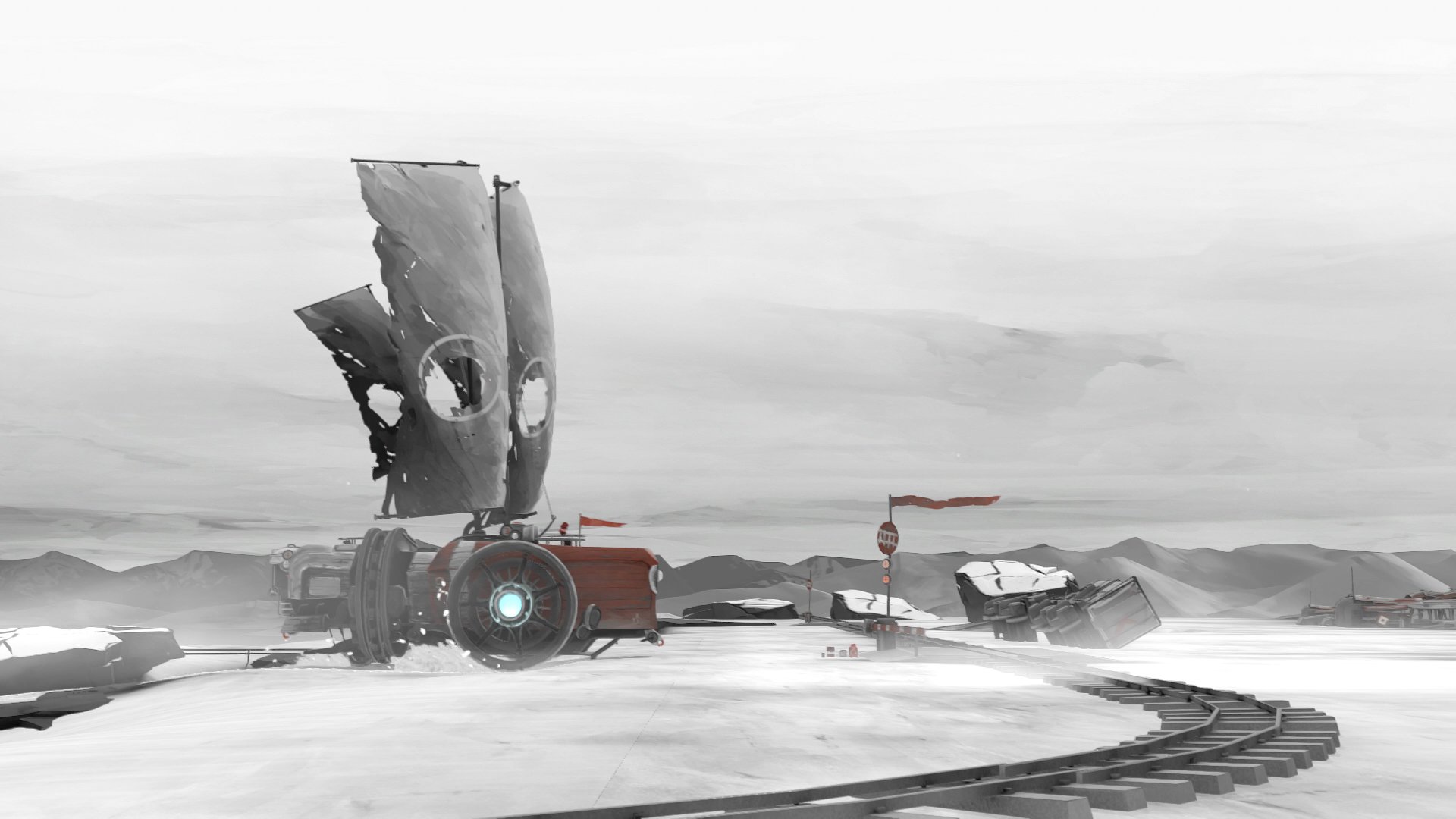
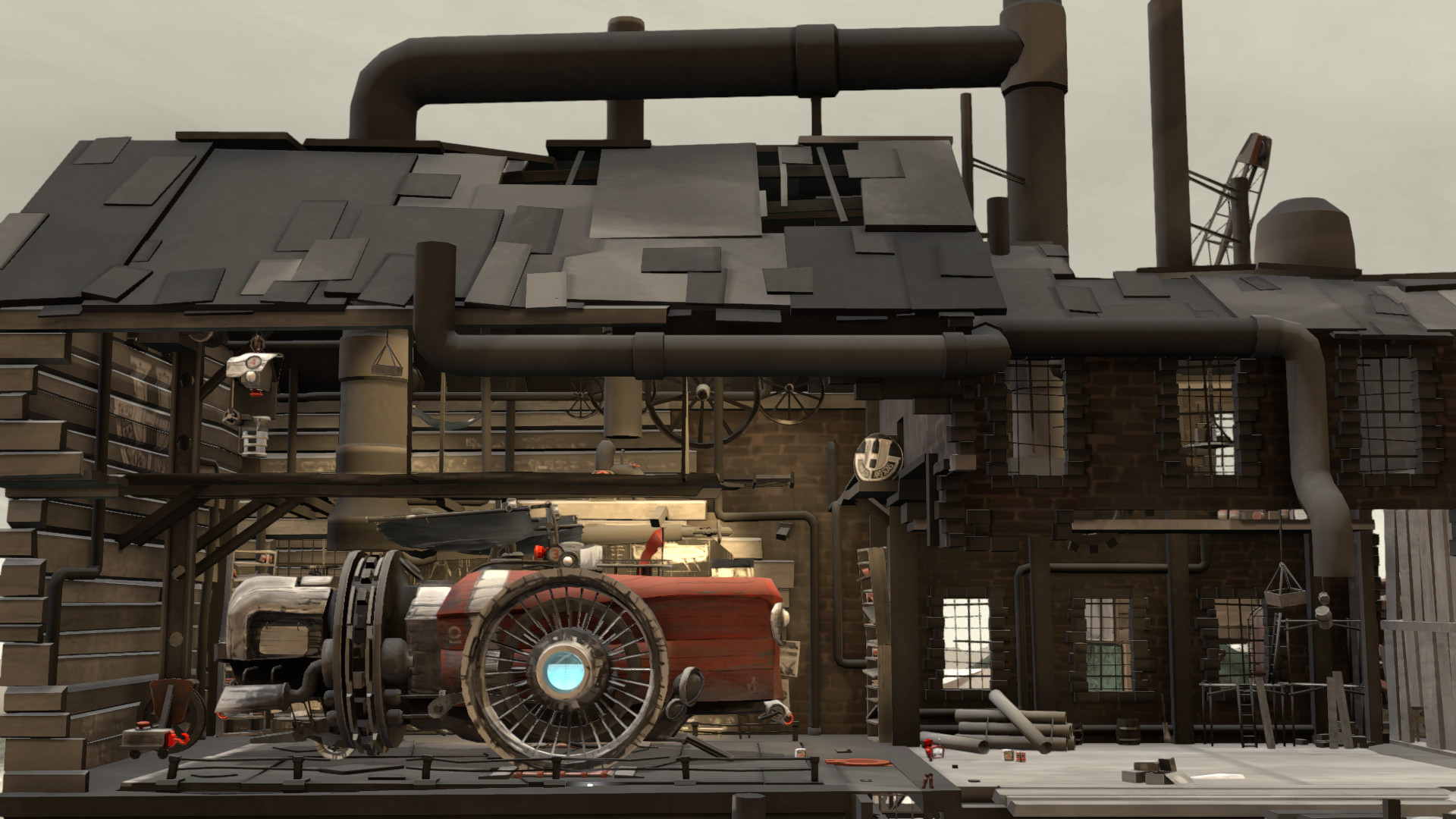
FAR: Lone Sails puts players at the controls of a strange, cobbled-together vessel — half ship, half locomotive — crossing a dried-out ocean bed littered with the remains of a civilization that came before, its entire story told through the landscape, the machinery, and a soundtrack rather than a single line of spoken or written dialogue. Released in May 2018, it built a large, devoted following — 94% Very Positive across 8,986 English reviews — on the strength of that unusual, wordless approach to storytelling. Reading closely through the sample confirms the atmosphere lands for the overwhelming majority of players, alongside a real, specific, and worth-taking- seriously thread of criticism about what the actual playtime feels like once the initial mood sets in.
An atmosphere reviewers describe as genuinely special
The praise for FAR's mood and presentation is consistent and specific. One reviewer captures it in a single line: "A quiet journey through a broken world that somehow feels beautiful instead of hopeless. There's almost no dialogue, yet the game says so much through its music, atmosphere, and lonely landscapes." Another writes: "The game teaches you everything you need to know without saying a word. The way gaming used to be." A third specifically credits the sound design: "the sounddesign is as fantastic as the art, the whole machine spits, creaks and bangs." That's real, detailed agreement across independent reviewers on exactly what the game is trying to do and succeeding at — environmental storytelling and atmosphere carrying weight that dialogue would normally provide.
A specific complaint that upends the "relaxing" reputation
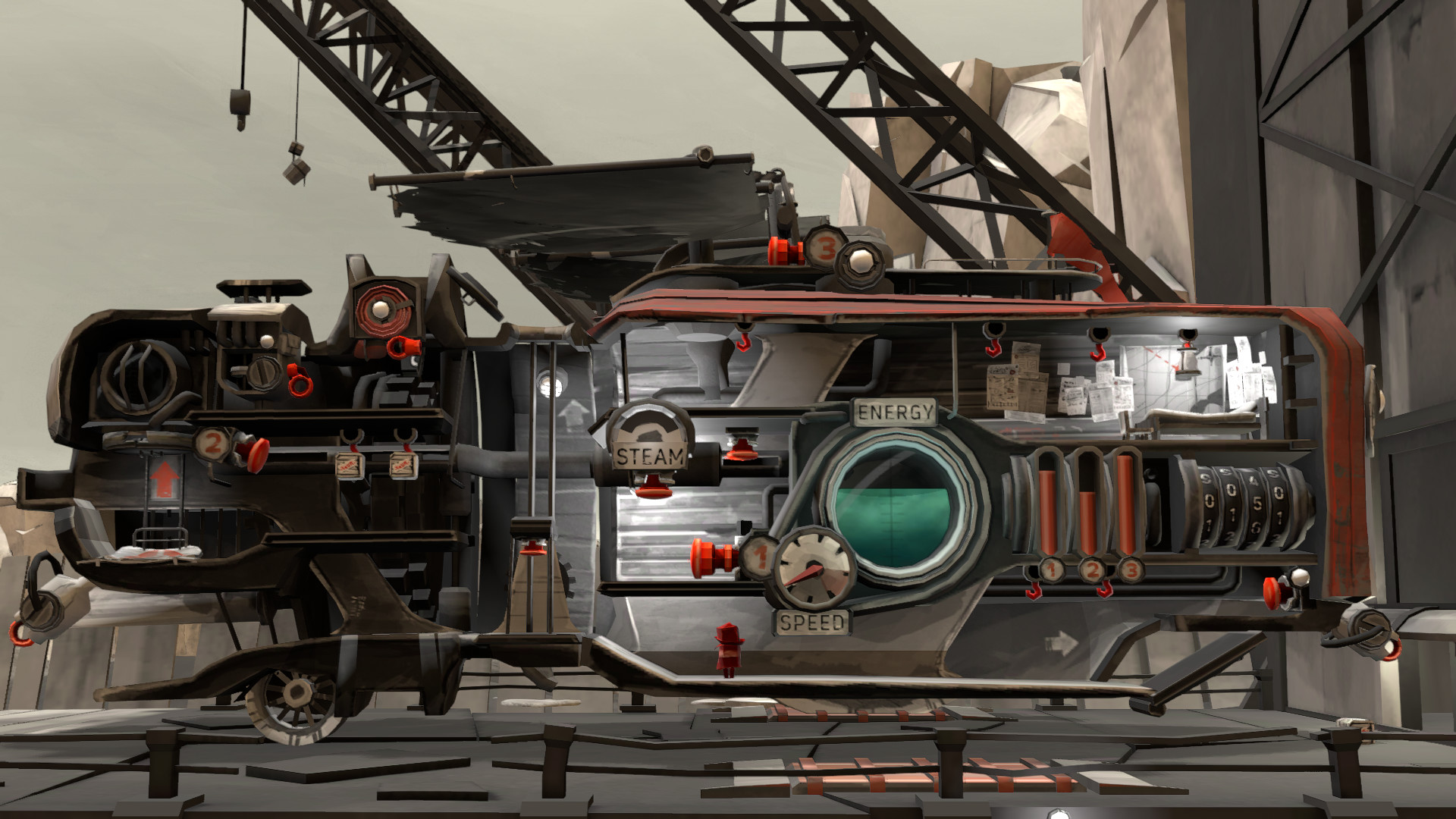
The most surprising, most detailed pushback in the sample directly challenges how the game is usually described. One 23-vote reviewer explains at length: "This will sound bizarre, but I almost wish this game was slower... It's WAY too frenetic. You are constantly running from one thing to the next, constantly fixing things, constantly feeding the furnace, etc. I just want to start the engine and then hang out on top of the Okomotive." That's a meaningfully different read from the "cozy road trip" framing most positive reviews imply, and it's detailed and specific enough — not just "this was hard" but a precise account of the pacing feeling mismatched with the game's own promotional tone — to treat as a genuine, worthwhile counterpoint rather than a minority overreaction.
Length and value complaints reviewers raise repeatedly
A separate, more common thread concerns runtime and price. One reviewer states it plainly: "The game is quite short. It lasts about 4 hours, or even less... I'm not expecting Portal level puzzles, but its just underwhel[ming]." Another, more pointed: "This will sound bizarre... 15 EuroDollars for 3.5 h game is too much... Get it when it is extremely discounted." A third, 19-vote reviewer frames the overall assessment carefully: "It's not a bad game. It's not broken or horribly tedious... I would just say it's hugely overrated and there's not much more to it than vibes." These aren't harsh pans — they're measured, specific concessions that the atmosphere works while the actual amount and depth of gameplay content may not justify full price for every buyer.
Puzzles and maintenance loop reviewers call thin
Beyond length, several reviewers specifically critique the depth of the moment-to-moment systems. One writes: "The puzzles are not that beautifully designed, and are sometimes quite blunt." Another, more blunt still: "there's no plot, no story, no real tension, the 'puzzles' are a joke and nothing happens." A third frames the vehicle upkeep itself as the issue: "maintaining the vessel feels like a chore." These complaints target the mechanical side specifically, distinct from the atmosphere praise above, and describe a game whose systems are intentionally minimal in a way that works beautifully for some players and reads as underdeveloped to others.
What the completion rate confirms
Global achievement data offers a useful, concrete data point on the length question specifically: 49.8% of players who own the game complete its full story, an unusually high finish rate compared to most single-player narrative games, where completion often sits well under 20%. That number directly corroborates the reviewer consensus that this is a short, tightly scoped experience rather than a sprawling one — whether that reads as a strength or a weakness depends entirely on what a given player wants from their $14.99.
A studio that kept building on the same idea
Okomotive's own partner-events history shows a small team that stuck with this design philosophy well beyond this single release: a 2025 security patch for the long-shipped 1.3 update confirms the game still receives basic maintenance, and the studio has gone on to release further titles — most recently HERDLING in 2025 and an upcoming PinKeep — that reviewers of those games describe in similarly atmospheric, minimal-dialogue terms. That continuity suggests the specific design choices reviewers debate here, particularly the short runtime and stripped-down systems, aren't oversights but a deliberate house style the studio has continued to refine rather than walk back, for anyone weighing whether this is a one-off experiment or a genre they might want to follow further.
Verdict
FAR: Lone Sails delivers a genuinely distinctive, wordless atmosphere that lands for the large majority of its audience, backed by real, specific praise for its music and environmental storytelling. Its short runtime, thin puzzle depth, and — for at least some players — a pacing that runs counter to its own relaxing reputation are real, specific limitations worth weighing against that atmosphere rather than dismissing as minority complaints. Worth its budget price for players drawn to short, mood-driven experiences; wait for a discount if three to four hours of light puzzle-solving needs to stretch further to feel worth it.
Sources: Steam store page and appdetails API (release date, pricing, platform data); Steam's aggregate review data (query_summary totals, English-language sample); individually read user reviews, both positive and negative, sorted by helpfulness and recency; Steam's global achievement statistics API; Okomotive's own partner-events history from 2017 through 2026.
Pros and cons
Pros
- A genuinely distinctive, wordless storytelling approach that reviewers consistently and specifically credit as one of the strongest environmental narratives in its genre
- A memorable, atmospheric musical score that multiple reviewers single out as elevating the experience beyond its simple mechanics
- Achievement data confirms an unusually high, nearly 50% story-completion rate, meaning the game reliably delivers its full experience rather than losing most players partway through
- A visually striking, painterly art style that lands even for reviewers who otherwise found the gameplay underwhelming
- A developer that has remained active well past this game's release, including a 2025 security patch and continued new releases from the same small studio
Cons
- A substantial share of reviewers describe the total playtime as short, typically three to four hours, and argue the $14.99 asking price doesn't match that length at full price
- A specific, heavily-upvoted account pushes back directly on the game's "relaxing" reputation, describing the actual pacing as frenetic and constantly demanding attention rather than meditative
- The onboard puzzles are repeatedly described as too simple and repetitive to sustain the experience on gameplay terms alone, separate from the atmosphere
- Some reviewers describe the vehicle-maintenance loop as tedious busywork rather than engaging systems management once the novelty wears off
- Limited replay incentive beyond a handful of achievements, given the short runtime and modest mechanical depth once the story concludes
Screenshots
-
FAR: Lone SailsImage: Okomotive via Steam -
FAR: Lone SailsImage: Okomotive via Steam -
FAR: Lone SailsImage: Okomotive via Steam -
How the review scores each part of the gameWanderer Editorial -
The specsWanderer Editorial -
The short versionWanderer Editorial