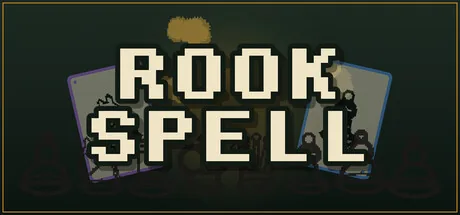
Real chess, played with real rules, where every piece you capture hands you a spell card that can freeze a bishop, rotate a corner of the board, or turn a rook into a decoy king. A tactical roguelite built for players who already know how a knight moves.
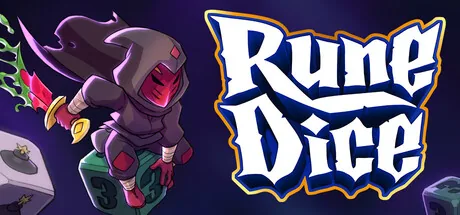
A physics-based dice-fusion roguelite that nails its central hook — launching dice across a battlefield to trigger magical merge chains — then shipped with runs so short that the loudest launch complaint was "where's the rest of the game," a criticism the developer answered directly with a free Classic Mode update a month later.
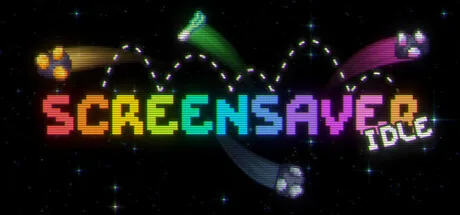
A DVD-logo corner-hit clicker that grows into a three-mode idle RPG — mining, farming and fishing all feed the same currency as the bouncing logo — but it is a windowed Steam game, not an actual screensaver, and its store page never claims to earn a cent while it isn't open.
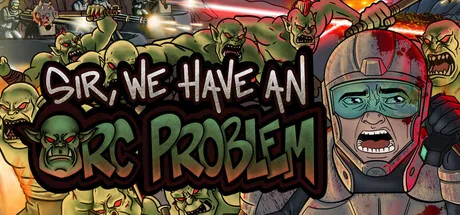
A tower defense game that treats its orc horde as a fluid rather than a queue of sprites, wrapped in a tight play-lose-upgrade loop that runs out of levels well before it runs out of ideas.
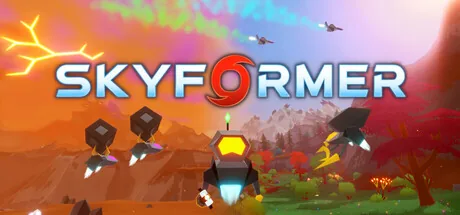
A factory game with one iron deposit. Skyformer caps how fast you can extract anything, so you can't solve problems by building another mine — and then it makes the weather you terraformed into existence come back and destroy your factories. Half a gigabyte, genuinely novel, and rough where it counts.
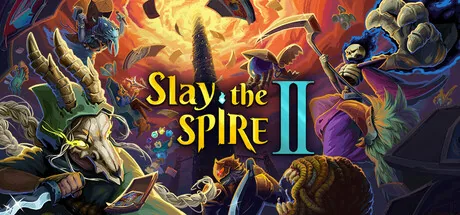
Mega Crit's sequel to one of the most acclaimed deckbuilders ever made adds co-op, two new classes and a rebuilt Ascension ladder, then spends its first five months in Early Access getting hammered by its own veteran players over balance whiplash, a boss nobody could agree on, and a genuine RNG bug a fan had to prove existed.
A roguelite auto-battler where you draft slimes wave by wave, decide which ones hold the line and which roam free, and defend a King who's surrounded on every side rather than tucked behind a lane — a solo debut from Softkeep Studio, reviewed the day after launch.
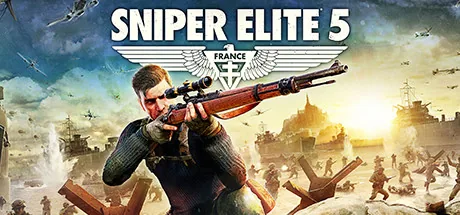
A well-loved return to WWII stealth-sniping that launched into the single most-upvoted negative review this library has recorded -- over a forced PvP mechanic penalizing single-player progress -- and has spent the years since accumulating a second, ongoing complaint about DLC pricing that now spans 16 separate add-ons.
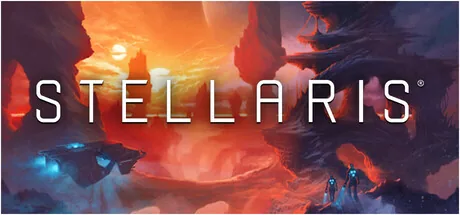
A decade-old 4X space strategy game beloved enough to produce reviewers with 2,000+ hours logged — and, since 2024, a wave of those exact same veteran players turning against Paradox over DLC pricing, a specific performance regression, and player-reported AI-generated content.
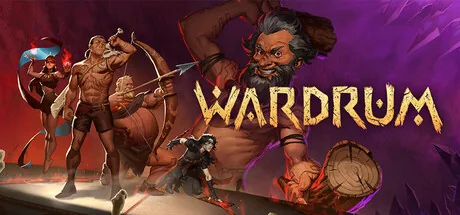
A Fire Emblem-inspired SRPG built around shoving enemies off cliffs and into lava rather than around RNG-driven misses, backed by a genuinely powerful campaign editor and a developer reviewers repeatedly praise for responding to years-old posts — wrapped in a UI multiple high-playtime fans call the worst they've ever used.
A genuinely inventive "reverse city builder" about restoring wastelands to life, praised almost universally for its concept and art, undercut from launch by a length-and-price complaint even its fans echo, and more recently by a major free content update that split longtime players over how "chill" the game is supposed to feel.
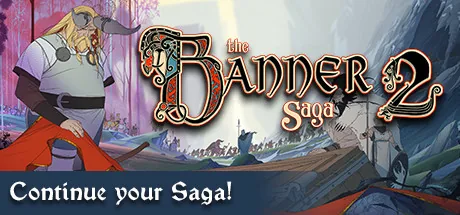
The trilogy's middle chapter, widely framed by reviewers as a "sophomore slump" that carries over the same combat-design critique this outlet found in the original game — plus a new complaint that its own attempt at a new mechanic (barricades) adds tedium rather than depth, and an ending several reviewers call less satisfying than the first game's.
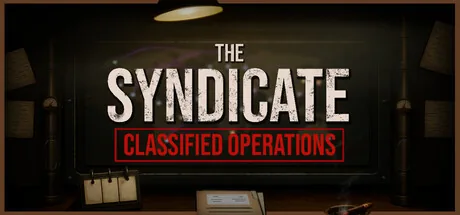
A solo-developed Cold War incremental game that puts assets and agents on a physical command board instead of a spreadsheet, backed by a fully voiced campaign, an original score, and nearly four months of public demo iteration before launch — checked two days after release, with a review sample of three.
A cyberpunk retelling of the Three Kingdoms crossed with a bishoujo gal game, turn-based combat and a bar-management sim — reviewed on its complete, tiny 29-review Day 1 sample, which already contains a real localization complaint and a genuinely detailed combat critique worth reading before the hype settles.
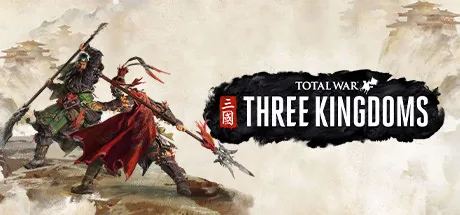
One of the best-regarded entries in the Total War series on release, built around a genuinely deep diplomacy system and two distinct ways to play — undercut by a 2019 modding censorship controversy tied to a Chinese-market publishing deal, a DLC roadmap reviewers say Creative Assembly abandoned before finishing the story it promised, and persistent crash bugs still reported years later.
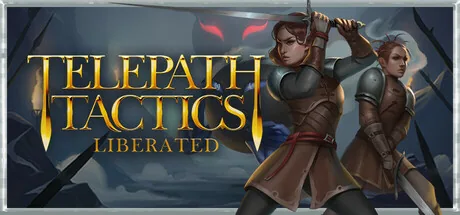
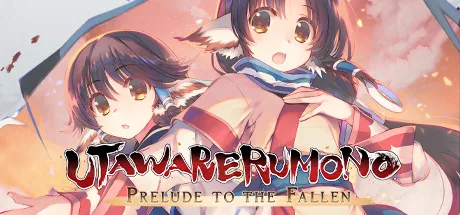
A visual-novel-first tactical RPG that opens a respected trilogy, where reviewers overwhelmingly praise the emotional storytelling and world-building and just as consistently admit the tactical battles are the least interesting part of the package.
A tactical turn-based roguelite that fuses combat with rhythm-game input timing, where debuffs literally complicate your button presses — a genuinely novel hook reviewers praise strongly, wrapped around a progression and balance layer several of the same reviewers find shallower than the concept deserves.
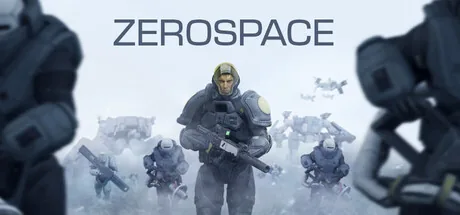
A Kickstarter-backed, pro-player-built sci-fi RTS that arrives in Early Access as the most credible StarCraft successor in years, welded to a commander RPG layer that mostly earns its place — if you're still willing to relearn macro from scratch.
A solo Roman-themed deckbuilder that plays less like an evolving campaign and more like ten separate puzzles built from the same box of cards — with a Cats reskin thrown in for a second look at the same missions.
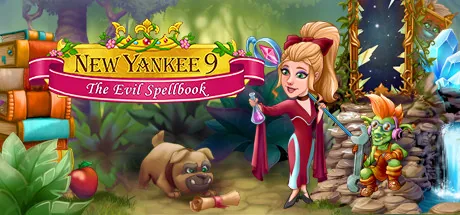
A solid, well-liked ninth entry in a long-running time-management series, reviewed by an unusually small but uniformly positive sample this review read in full — a real signal of franchise reliability rather than an aggregate worth fully trusting on its own.
A four-player co-op deckbuilder that solves the genre's most obvious gap — playing Slay the Spire-style card combat as an actual shared party instead of a shared seed — and then spends the years after its Paradox acquisition undermining that achievement with DLC pricing its own community calls predatory.
A faithful, deeply strategic digital port of Fantasy Flight's landmark diplomacy board game, undercut by a five-year-old AFK problem that can freeze an entire multiplayer match and a thin, hard-to-find player base.
Ubisoft Blue Byte's Industrial Revolution city-builder remains Very Positive across more than 32,000 Steam reviews, widely regarded as one of the genre's most visually accomplished and addictive entries — undercut by a real, remarkably severe and still-current complaint about Ubisoft Connect, the mandatory third-party launcher that multiple independent reviewers describe locking them out of a game they purchased entirely, in incidents dated as recently as June 2026.
The same demonstrate-it-once robot scripting that made Autonauts click, now defending a base against raiders with automated squads — a genuinely fun idea that never quite justifies asking for a second full-price purchase.