Game review
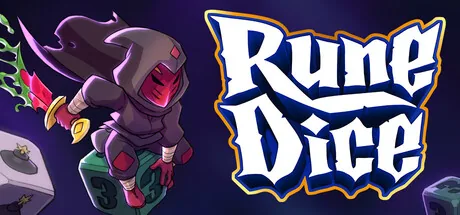
Rune Dice
7 / 10
- Developer
- Smart Raven Studio
- Publisher
- Kwalee
- Released
- 19 May 2026
- Platforms
- Windows
- Genre
- Roguelite Deckbuilder RPG
- Monetisation
- One-off premium purchase, with an optional bundled edition; no in-app purchases and no premium currency
- Players
- None. Single-player only, with no leaderboard, co-op or shared-progress feature
The short version
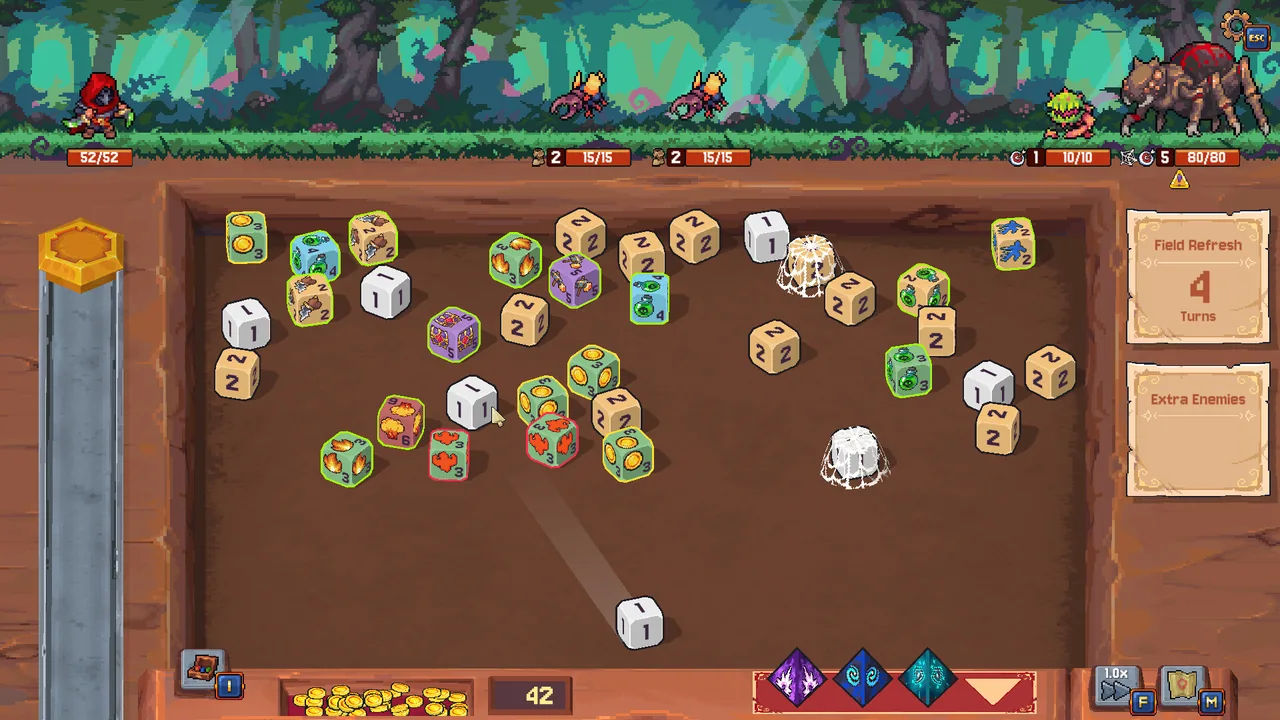
Rune Dice replaces the usual roguelite deckbuilder's card grid with something more physical: dice launched across an enchanted battlefield, matching pairs fusing into stronger ones, triggering chain reactions across eight distinct hero classes. The mechanical hook is genuinely good, and 79% of a substantial review base recommends it. What almost every critical review converges on is length — a single-run, single-location structure that many players describe as ending just as their build was starting to feel strong, closer to "60% of a game" than a finished roguelite. Smart Raven Studio's response is the most encouraging part of this review: a free Classic Mode update, shipped a month after launch, that runs players through all three of the game's locations in one continuous session — a direct answer to the exact complaint dominating the negative reviews.
Biggest strengths
- The dice-merge mechanic is a genuinely fresh twist on the physics-roguelite formula, with matching dice fusing into stronger ones to trigger real chain-reaction combos
- Eight distinct hero classes each play differently enough to keep runs feeling varied, at least across a player's first several attempts
- The developer directly addressed the game's single biggest launch complaint — runs ending before players reached the strength curve's payoff — with a free Classic Mode update that strings all three locations into one longer session, rather than selling it as paid DLC
Biggest weaknesses
- At launch, runs covered only a single location and were widely described as ending just as a build started to come together — "it's like 60% of a game" is a near-verbatim complaint across multiple reviews
- Some players report inconsistent dice-physics behaviour, including collision and merge accuracy issues, though several were specifically addressed in the v1.1.1 and v1.2.0 patches
- Several classes lean heavily on ranged enemy damage the player has limited ability to mitigate, a complaint reviewers specifically compare to a similar frustration in Peglin
Who it's for: Fans of physics-driven roguelites like Peglin who want a fresh mechanical spin, and players comfortable trusting a young game's post-launch trajectory rather than judging it purely on its day-one shape.
Our recommendation: A strong mechanical core let down at launch by thin content, since meaningfully improved by a free update that directly answers the biggest complaint; worth it now for genre fans, more so than it would have been in May.
7 / 10
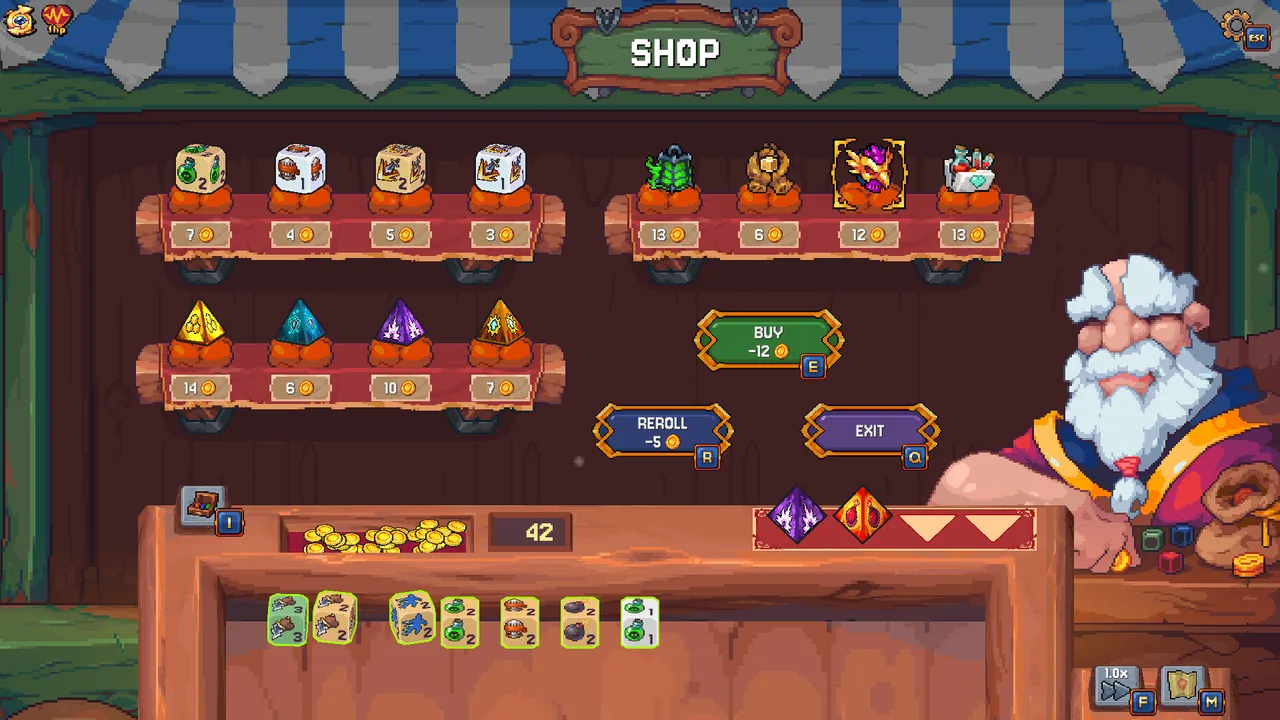
Peglin proved there was real appeal in swapping a roguelite deckbuilder's usual card grid for something with actual physics behind it, and Rune Dice is one of the more interesting takes on that idea since. Instead of launching a ball at pegs, players launch dice across an enchanted battlefield; matching dice fuse into a stronger one on contact, and those fusions cascade into chain reactions that can swing a fight in a single throw. Add eight distinct hero classes, a relic and rune system for building synergies between runs, and a genuinely satisfying tactile feel to the whole loop, and it's easy to see why Smart Raven Studio's launch found an audience — 1,143-plus reviews and counting, with a comfortable Mostly Positive score behind it.
A mechanic worth building a game around
The dice-fusion hook is the reason to play, and it holds up under scrutiny. Watching two matching dice merge into something bigger, then watching that trigger a cascade across the board, has the same kind of satisfying inevitability that made Peglin's ball-bounce chains so compelling — players specifically describe the loop as "super addictive" and the merge mechanic as "really engaging" even in reviews that land on an overall negative verdict. Eight hero classes give that core loop real variety, each reportedly playing distinctly enough that switching between them feels like a genuine change in approach rather than a reskin.
The complaint that dominated launch
Almost every critical review from May converges on the same underlying issue, phrased a dozen different ways: the game ends too soon. Runs covered a single location, and reviewer after reviewer describes reaching real strength — unlocking the build they wanted, hitting their stride with a class — right as the credits rolled. "It's like 60% of a Game," one review states bluntly. Another: "where's the actual end game... the full game honestly feels like a demo." A third specifically contrasts the loop's quality with its length: "the gameplay loop is fairly satisfying... [but] every single run I've done so far feels completely identical." None of these reviewers are describing a badly made game — the recurring frustration is specifically that a good idea didn't get the room to develop before the credits arrived.
The response that matters most
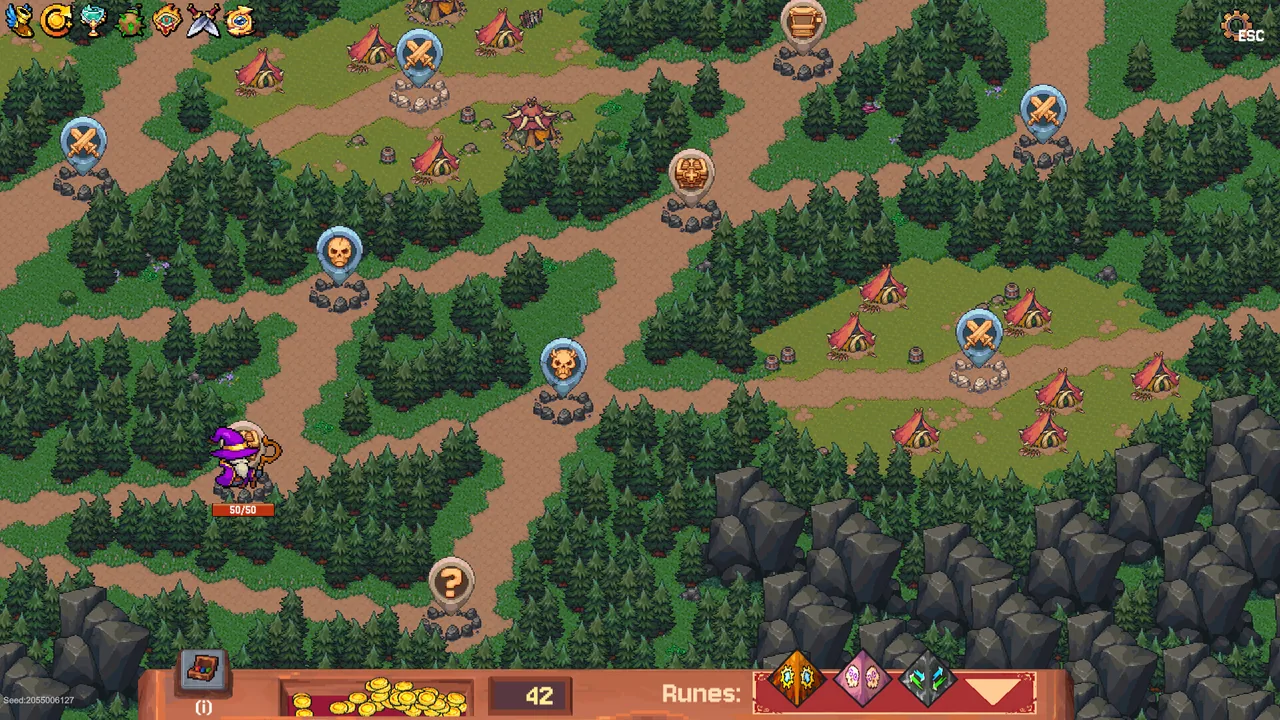
What separates Rune Dice from a lot of games that draw this exact complaint is what happened next. A month after launch, Smart Raven Studio shipped Classic Mode as a free update: instead of a single location, it strings all three of the game's areas into one continuous run, with a randomised boss from each and a Hardcore option for players who want the longer format to hit harder. It's not a paid DLC upsell dressed as a fix — it's a direct, free answer to the single loudest launch-week complaint, unlocked by clearing six of the game's bosses rather than gated behind a purchase. Two further patches since (v1.1.1 in June, v1.2.0 in July) have continued addressing smaller issues, including specific fixes to dice collision behaviour and merge accuracy that some players flagged as inconsistent.
That doesn't erase the fact that Rune Dice launched thinner than its mechanics deserved. But it does mean the game reviewed today is meaningfully more complete than the game reviewed in its first week, and that trajectory is worth factoring into a purchase decision — this looks like a developer actively listening and building rather than one who shipped 1.0 and walked away.
A couple of rougher edges worth knowing
Beyond length, the most specific recurring gameplay complaint concerns ranged enemy damage: several reviewers, echoing a similar frustration from Peglin, describe certain fights as a one-sided stream of incoming damage with limited player agency to mitigate it — a real tension in a game whose core appeal is supposed to be tactical positioning. And there's a fair, slightly wry observation worth repeating on its own merits: for a game called Rune Dice, the dice themselves don't function like dice in any traditional sense — every face is functionally identical, so "physics ball with a die's shape" is a more accurate description than "dice game" in the way most players would expect that phrase to mean. It doesn't undercut the mechanic, but it's a fair note for anyone expecting genuine dice-rolling randomness rather than physics-driven positioning.
Where this leaves a buyer today
At NZ$21.99, Rune Dice sits at a reasonable mid-tier indie price, and the calculus around it has genuinely shifted since launch. A player buying in during May was buying a strong mechanic wrapped around a run that many felt ended too early. A player buying in now gets that same mechanic plus a free mode built specifically to address that exact shortfall, backed by a developer that's kept shipping fixes for two months running. For fans of physics-based roguelites looking for something that plays differently from the Peglin formula while still scratching the same itch, that combination — a genuinely good idea, and a studio still actively finishing it — makes Rune Dice worth recommending now in a way it wasn't quite yet at launch.
Pros and cons
Pros
- The dice-merge mechanic is a genuinely fresh twist on the physics-roguelite formula, with matching dice fusing into stronger ones to trigger real chain-reaction combos
- Eight distinct hero classes each play differently enough to keep runs feeling varied, at least across a player's first several attempts
- The developer directly addressed the game's single biggest launch complaint — runs ending before players reached the strength curve's payoff — with a free Classic Mode update that strings all three locations into one longer session, rather than selling it as paid DLC
- Active post-launch patching (three named updates in two months) suggests a studio still committed to the game rather than one that shipped and moved on
Cons
- At launch, runs covered only a single location and were widely described as ending just as a build started to come together — "it's like 60% of a game" is a near-verbatim complaint across multiple reviews
- Some players report inconsistent dice-physics behaviour, including collision and merge accuracy issues, though several were specifically addressed in the v1.1.1 and v1.2.0 patches
- Several classes lean heavily on ranged enemy damage the player has limited ability to mitigate, a complaint reviewers specifically compare to a similar frustration in Peglin
- One reviewer's blunt but fair observation: despite the name, the dice themselves don't function like traditional dice — all faces are functionally identical, so the "dice" framing is closer to physics-ball terminology than an actual dice game
Screenshots
-
Rune DiceImage: Kwalee via Steam -
Rune DiceImage: Kwalee via Steam -
Rune DiceImage: Kwalee via Steam -
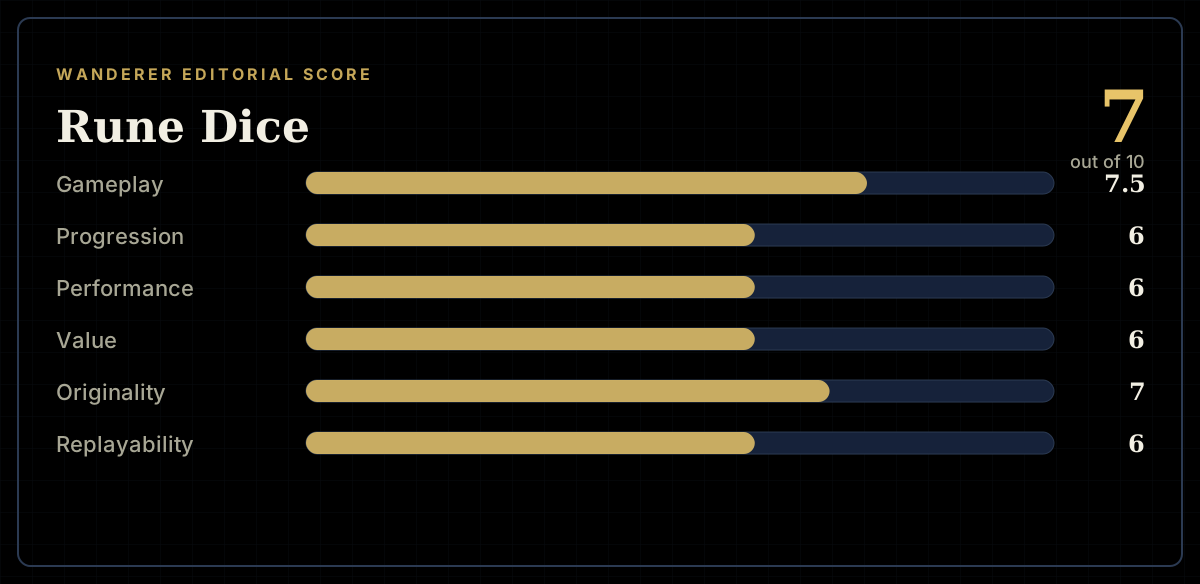
How the review scores each part of the gameWanderer Editorial -
The short versionWanderer Editorial