Game review
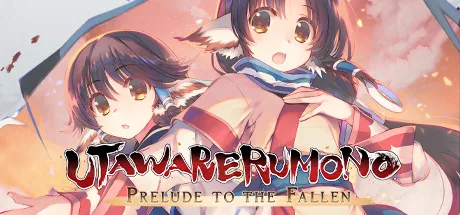
Utawarerumono: Prelude to the Fallen
7 / 10
- Developer
- AQUAPLUS
- Publisher
- DMM GAMES, Shiravune
- Released
- 22 January 2021
- Platforms
- Windows
- Genre
- Tactical RPG
- Monetisation
- One-time purchase, optional character DLC available separately
- Players
- Single-player only
The short version
Utawarerumono: Prelude to the Fallen is the Western Steam release, via DMM GAMES and Shiravune, of AQUAPLUS's visual-novel/tactical-RPG hybrid, the opening entry of a respected trilogy following an amnesiac man named Hakuowlo who wakes in a fantasy world populated by fox- and rabbit-eared people. Released on Steam 22 January 2021, it holds 495 English-language reviews at Very Positive, roughly 93%. This review's read of both sides of that sample finds a genuinely unusual consensus for an SRPG: reviewers overwhelmingly praise the story, character writing and emotional weight as the game's real reason to exist, while independently — and just as consistently — describing the tactical combat as simplistic and secondary to the narrative it interrupts. Reviewers aren't divided on this point so much as they largely agree on it from both sides of the score, which is a distinctive finding for a game filed under the tactics genre.
Biggest strengths
- Story and character writing draw overwhelming, specific praise, with multiple reviewers describing genuinely emotional, tearful reactions to key story beats
- World-building earns real credit for depth and a distinctive Ainu-inspired aesthetic, giving the setting a specific identity rather than generic fantasy dressing
- Music and voice acting are consistently singled out for quality, described as well-timed and memorable rather than merely competent
Biggest weaknesses
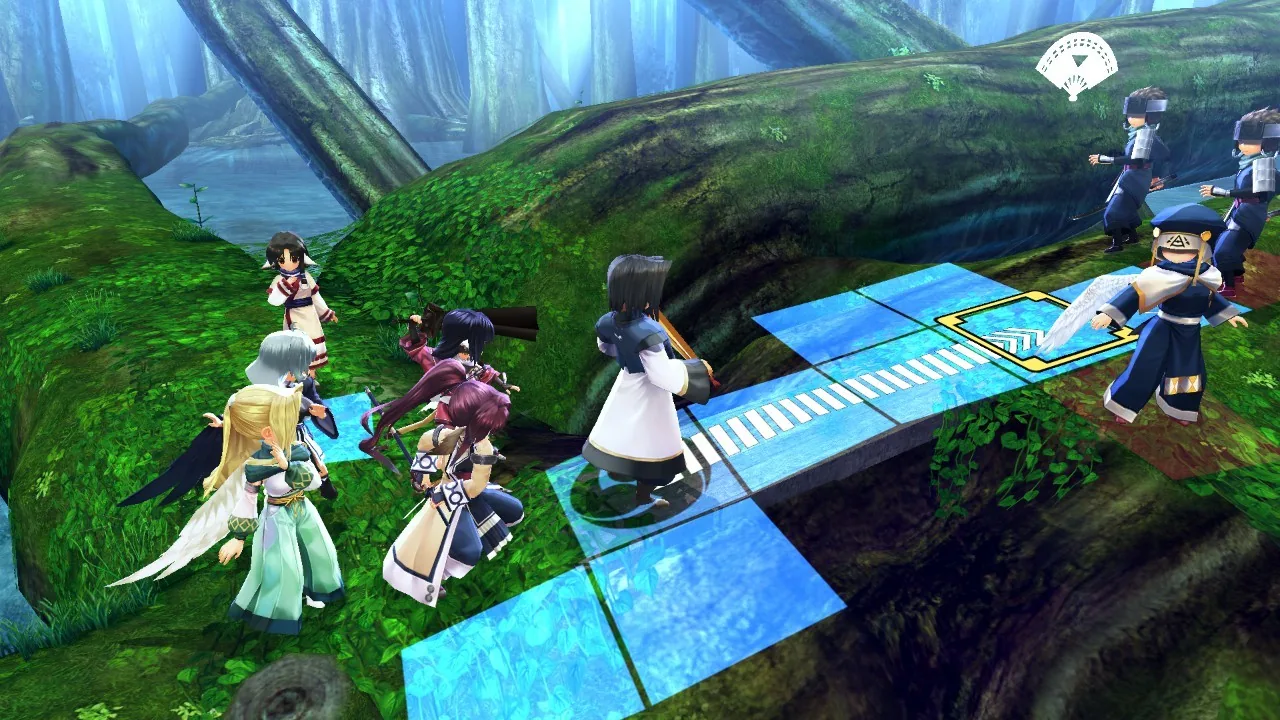
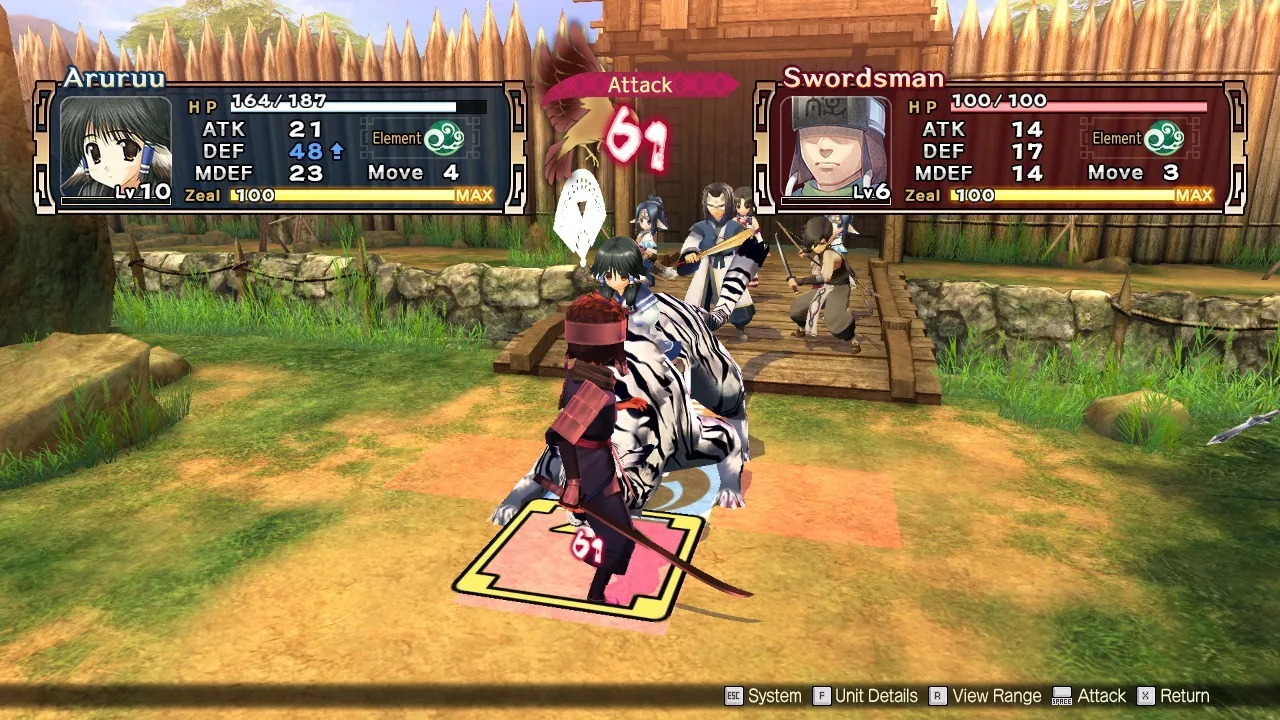
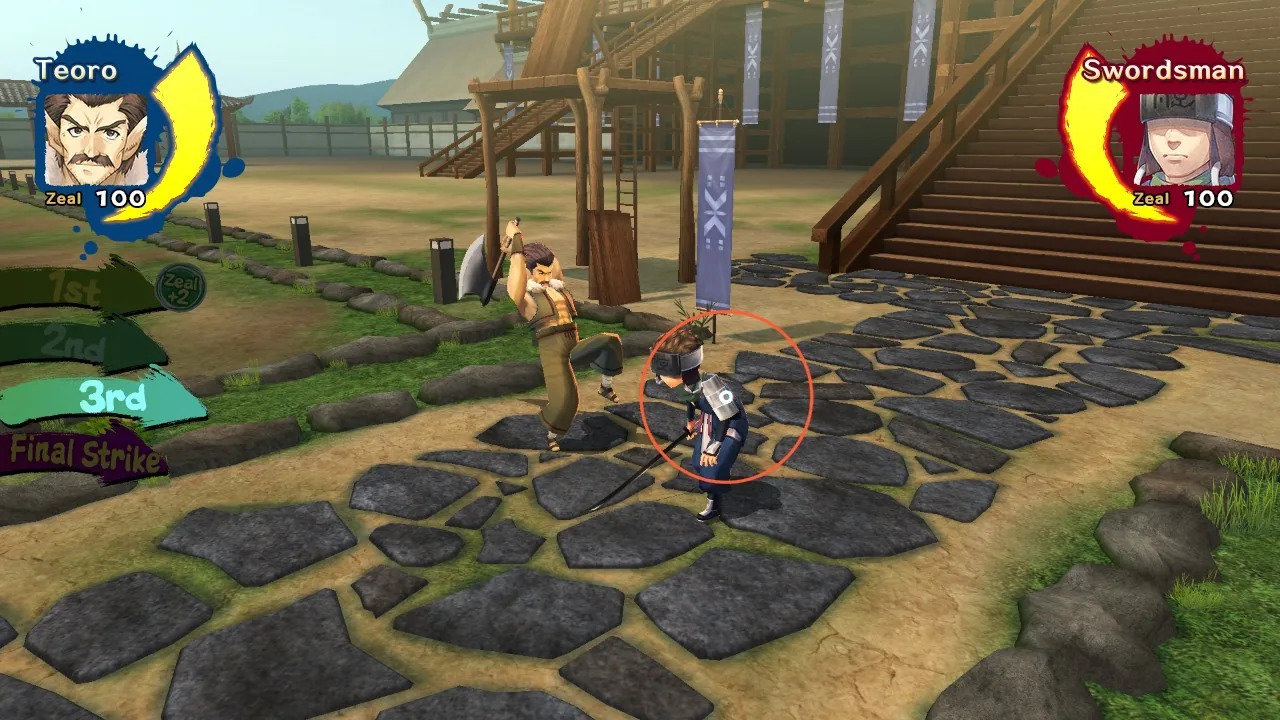
- Combat is widely and consistently described as too easy and repetitive even on higher difficulties, with reviewers reporting missions that amount to attacking identical targets until they die rather than presenting genuine tactical puzzles
- Pacing draws real criticism, with one detailed reviewer estimating roughly 80% of the text is filler without meaningful narrative weight, encouraging skipping dialogue rather than reading it
- Harem-adjacent content and tonal whiplash between serious dramatic beats and lighter comedic scenes draw specific complaints from reviewers who feel it undercuts the story's more serious political and emotional themes
Who it's for: Visual novel fans and story-first players who want genuinely deep, emotional writing and can treat the combat as a pleasant break between chapters; not recommended for players seeking tactically demanding SRPG combat as the main draw.
Our recommendation: One of the strongest visual-novel narratives wrapped in a tactics-RPG shell, best approached with the expectation that the story is the whole point and the battles are a well-executed but secondary system.
7 / 10
Introduction
Utawarerumono: Prelude to the Fallen opens with amnesia and a mystery: Hakuowlo wakes with no memory of who he is in a fantasy world populated by fox- and rabbit-eared people, rescued and slowly drawn into the community and politics around him. Developed by AQUAPLUS and brought West via DMM GAMES and Shiravune, it's the first entry of a trilogy with a genuine following, released on Steam 22 January 2021 for NZ$76.49. It holds 495 English-language reviews, Very Positive at roughly 93%. This review reads a substantial share of both the negative and positive samples, and finds an unusual pattern for a game classified as a tactical RPG: the reviewers who love it and the reviewers who criticise it largely agree on what the game actually is — a visual novel first, with tactics second — and mostly diverge on how much that trade-off bothers them.
Storytelling that draws genuinely rare praise
The clearest and most consistent theme across this review's entire sample, positive and negative alike, is the strength of the writing. Reviewers describe the story in terms rarely seen even in a genre known for narrative ambition — one, with 3,444 hours logged, wrote: "I've never cried this much during anything ever. I had to stop multiple times during my journey to cry and think." Another, with an extraordinary 11,389 hours across their history with the franchise, described the story still cutting through them emotionally "12 years after I first played this game" — a striking testament to the original Japanese release's lasting impact carrying through to this Western version. Reviewers specifically credit the protagonist as a meaningful departure from genre convention: one noted Hakuowlo is written as "an adult man who is level-headed, reliable, and intelligent," rather than a typical inexperienced lead, and that he "genuinely earns the trust and affection" of the people around him rather than simply receiving it. World-building draws its own specific credit, with reviewers pointing to a distinctive Ainu-inspired aesthetic that gives the setting real identity rather than generic fantasy dressing, and music and voice acting are singled out repeatedly as well-timed and memorable.
Combat that even fans describe as secondary
Set against that acclaim, this review's sample shows an unusually consistent agreement — from both positive and negative reviewers — that the tactical combat is the least interesting part of the package. One reviewer with 3,085 hours logged, clearly deeply invested in the game overall, still described much of the combat as "asinine," citing missions that amount to "hit this one thing/these ten identical things for half an hour until they eventually die" rather than presenting genuine tactical decisions. This isn't a complaint unique to critics of the game; it's a description that shows up inside otherwise glowing reviews too, which is the more informative signal — reviewers aren't disagreeing about whether the combat is simple, they're disagreeing about how much that matters next to the story wrapped around it.
Pacing and tone, the real points of disagreement
Where this review's sample does genuinely split is pacing and tone. A detailed critical review, from a reviewer with 4,804 hours logged, argued roughly 80% of the game's text is filler without real narrative weight, describing the temptation to start skipping dialogue rather than reading all of it — a serious complaint for a game whose entire value proposition rests on its writing. Tone draws a related complaint: several reviewers describe jarring whiplash between genuinely serious dramatic material and lighter, harem-adjacent comedic scenes, arguing the tonal shift undercuts the story's more serious political and emotional stakes rather than providing welcome relief. This is a real, recurring criticism in the negative sample rather than an isolated complaint, and it's worth a prospective buyer weighing directly: the same anime-genre conventions that some reviewers find charming and true to the source material, others find genuinely tonally inconsistent with the story's heavier moments.
Technical limitations of the PC port
Separate from questions of writing and pacing, this review's sample raises real technical concerns specific to the Steam release: a 720p resolution lock reviewers describe as dated for a 2021 Western PC launch, alongside scattered reports of crashes and keyboard-and-mouse controls that feel adapted from console rather than designed for PC from the start. None of this rises to a dealbreaker level in the sample, but it's a real, specific limitation worth setting expectations around before purchase.
Final Verdict
Utawarerumono: Prelude to the Fallen earns its Very Positive standing almost entirely on the strength of its writing — genuinely rare, specific praise for emotional storytelling, character depth and world-building from a review base that includes players with well over a decade invested in the franchise. What keeps this from an easy blanket recommendation for tactics fans specifically is that the same review base largely agrees the combat itself is simple and secondary, a system to enjoy in service of the story rather than a reason to buy on its own. For visual novel fans and story-first players, this is a strong, well-earned recommendation. For SRPG players specifically chasing tactical depth, this reads as a beautifully written game wearing a tactics-genre label more loosely than the classification suggests.
Pros and cons
Pros
- Story and character writing draw overwhelming, specific praise, with multiple reviewers describing genuinely emotional, tearful reactions to key story beats
- World-building earns real credit for depth and a distinctive Ainu-inspired aesthetic, giving the setting a specific identity rather than generic fantasy dressing
- Music and voice acting are consistently singled out for quality, described as well-timed and memorable rather than merely competent
- The visual novel and SRPG structures are credited with complementing rather than competing with each other — battles arrive as a change of pace rather than an interruption most reviewers resent
Cons
- Combat is widely and consistently described as too easy and repetitive even on higher difficulties, with reviewers reporting missions that amount to attacking identical targets until they die rather than presenting genuine tactical puzzles
- Pacing draws real criticism, with one detailed reviewer estimating roughly 80% of the text is filler without meaningful narrative weight, encouraging skipping dialogue rather than reading it
- Harem-adjacent content and tonal whiplash between serious dramatic beats and lighter comedic scenes draw specific complaints from reviewers who feel it undercuts the story's more serious political and emotional themes
- The PC port carries real technical limitations, including a 720p resolution lock reviewers describe as dated, alongside reports of crashes and awkward keyboard-and-mouse controls
Screenshots
-
Utawarerumono: Prelude to the FallenImage: DMM GAMES via Steam -
Utawarerumono: Prelude to the FallenImage: DMM GAMES via Steam -
Utawarerumono: Prelude to the FallenImage: DMM GAMES via Steam -
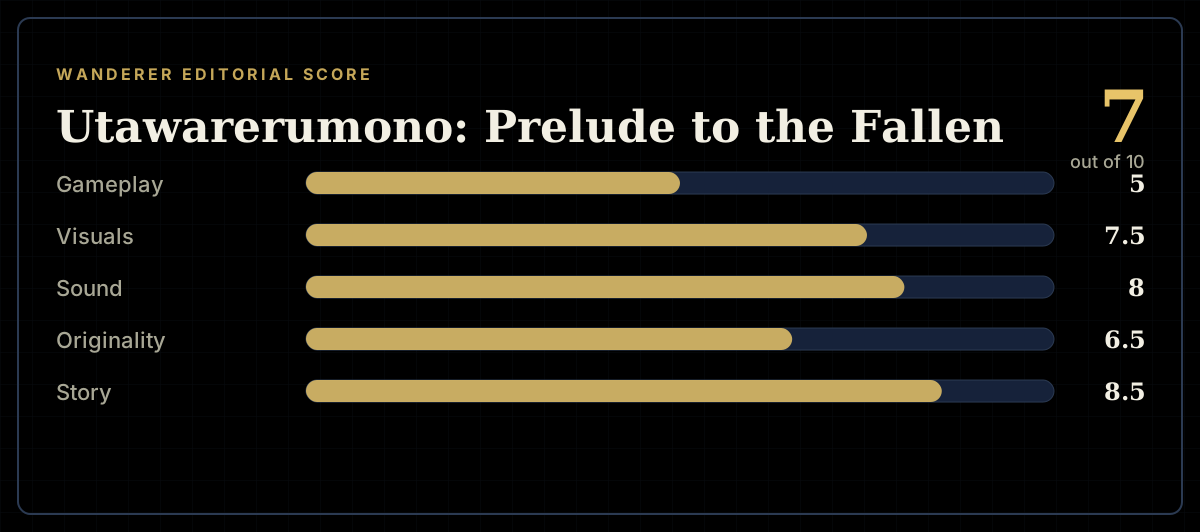
How the review scores each part of the gameWanderer Editorial -
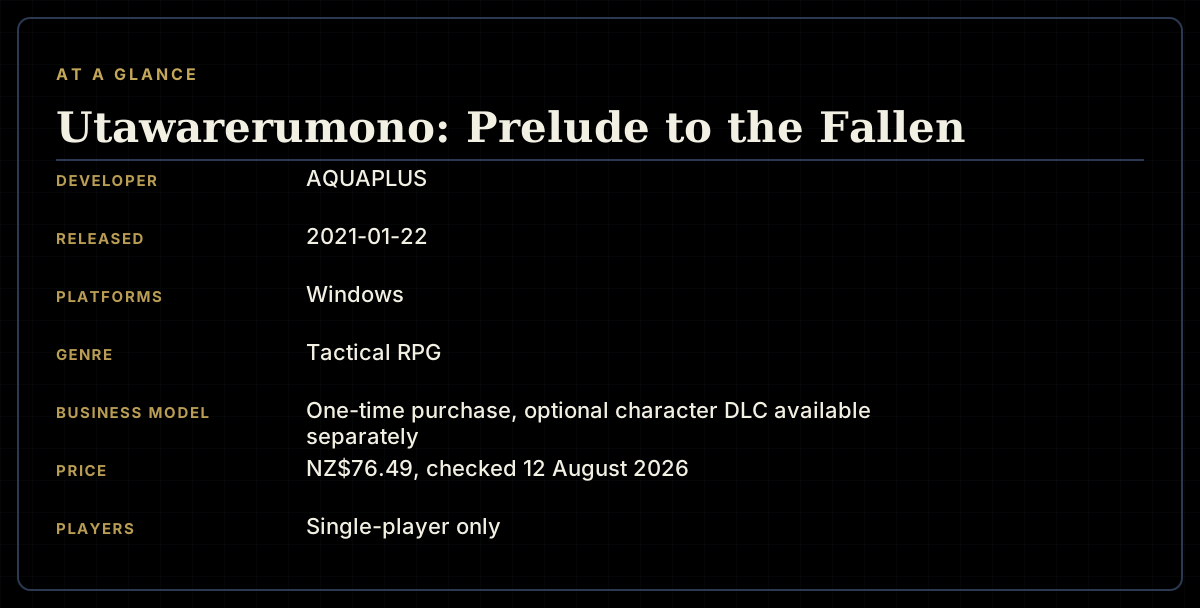
The essentials at a glanceWanderer Editorial -
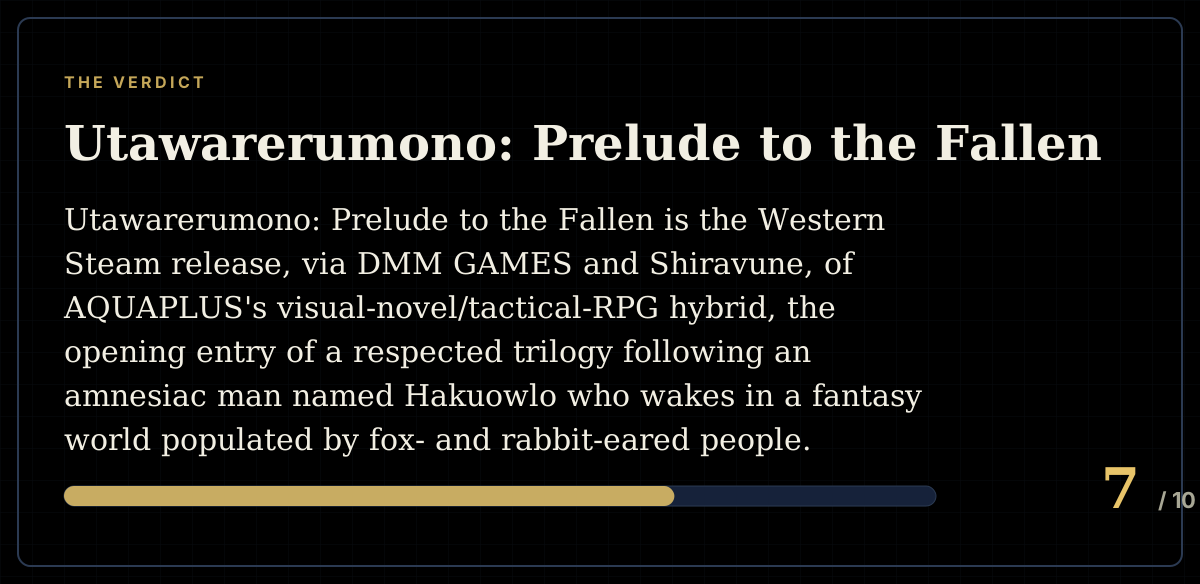
The short versionWanderer Editorial