Game review
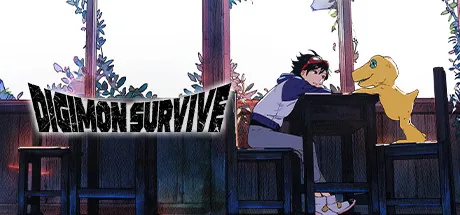
Digimon Survive
6.5 / 10
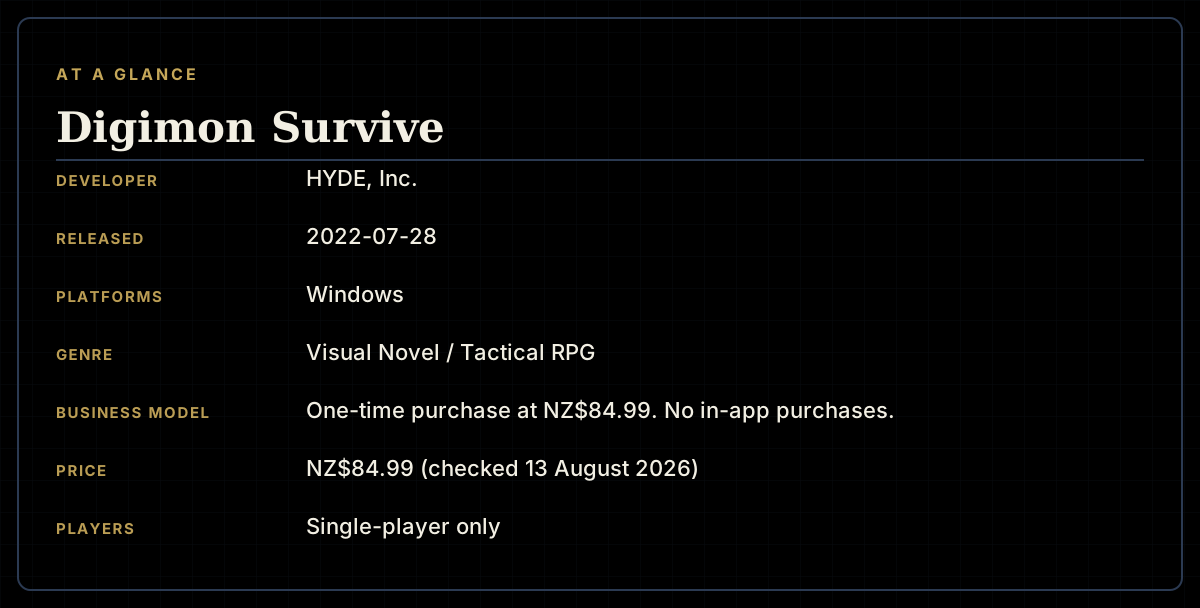
- Developer
- HYDE, Inc.
- Publisher
- Bandai Namco Entertainment Inc.
- Released
- 28 July 2022
- Platforms
- Windows
- Genre
- Visual Novel / Tactical RPG
- Monetisation
- One-time purchase at NZ$84.99. No in-app purchases.
- Players
- Single-player only
The short version
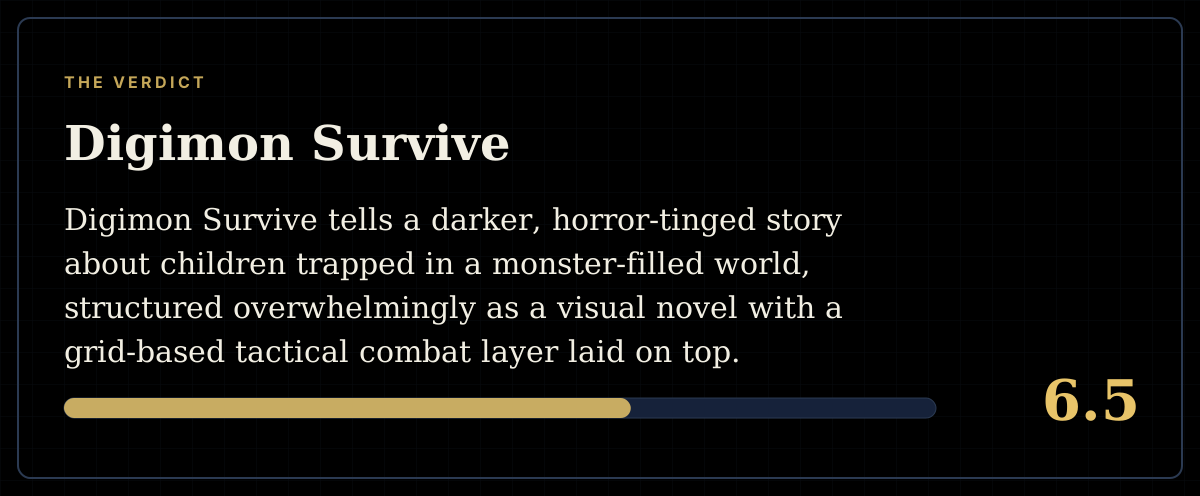
Digimon Survive tells a darker, horror-tinged story about children trapped in a monster-filled world, structured overwhelmingly as a visual novel with a grid-based tactical combat layer laid on top. It's Very Positive -- 81% of 2,046 English reviews -- and reading the corpus closely reveals an unusually clean point of agreement between fans and critics: this is roughly 98% book and 2% tactics game, and the marketing around launch, which leaned on combat footage, led a real share of buyers to expect something more balanced than what shipped.
Combat itself draws a real, separate complaint once expectations are corrected -- 32 of the 100 most-helpful English negatives raise it directly, mostly describing it as slow and mechanically thin, dragging down the pacing of a story reviewers otherwise engage with for 20-plus hours on average.
Biggest strengths
- A genuinely darker, more mature Digimon story than the franchise typically offers, with real stakes and moral complexity that longtime fans credit as a meaningful evolution
- Distinctive art and atmosphere that reviewers consistently praise regardless of their overall verdict on the gameplay
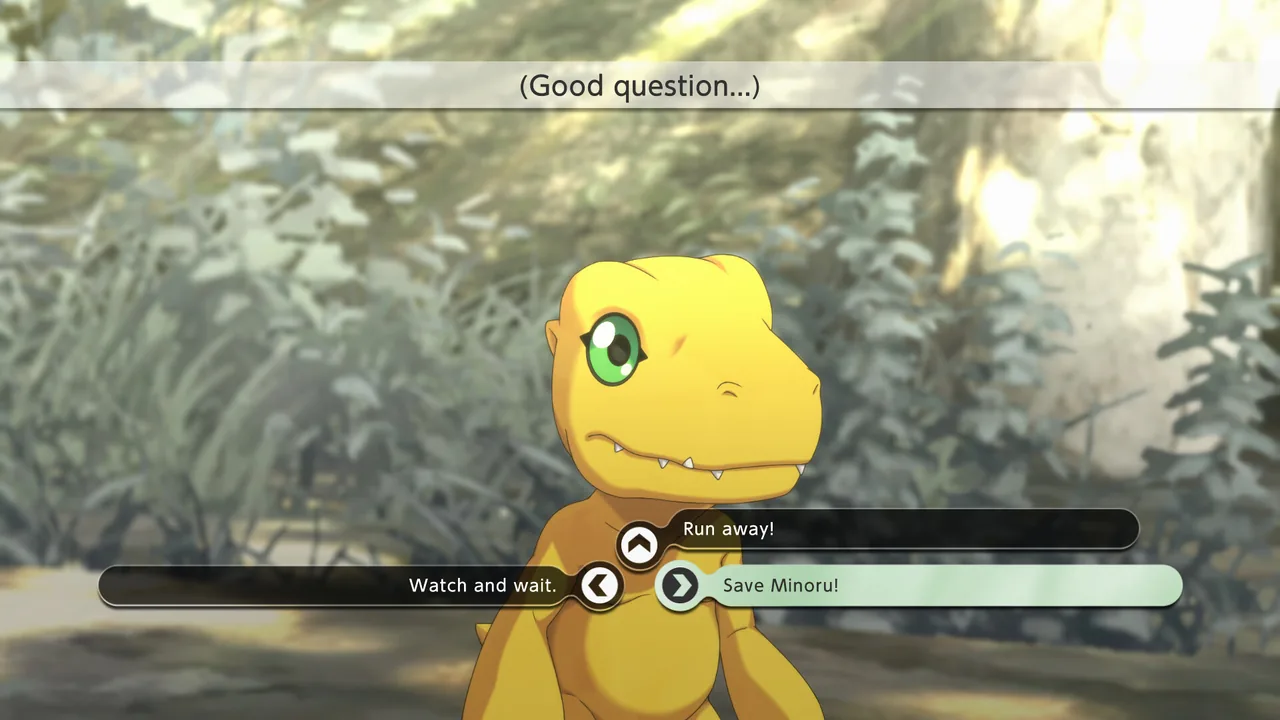
- A branching structure with real choice-driven consequences, drawing comparisons to Danganronpa from reviewers who enjoy that style of narrative game
Biggest weaknesses
- The game's own marketing, which leaned on tactical combat footage, is widely described as misleading about the actual ratio of visual novel to gameplay -- 49 of the 100 most-helpful negatives raise this specifically, and multiple top-voted positive reviews open with the same correction to help future buyers
- The tactical combat itself draws real criticism once expectations are corrected -- 32 of 100 negatives call it slow, shallow or a drag on pacing rather than a meaningful gameplay layer
- Significant padding in dialogue and side-conversation sections is a recurring complaint, with several reviewers describing long stretches where little narrative progress actually occurs
Who it's for: Visual novel fans and Digimon devotees who want a genuinely darker, more mature take on the franchise and are willing to treat the tactical battles as an occasional break between long stretches of reading. Not for anyone drawn in by combat-focused trailers expecting a real tactical RPG -- that expectation is the single most common regret in this game's review history.
Our recommendation: Worth playing if you go in understanding, correctly, that this is a story-first visual novel with light tactical elements rather than the other way around -- several of the most-upvoted reviews exist specifically to correct that expectation before you buy. Digimon fans drawn to a darker, more morally complex take on the franchise will find real substance here; anyone wanting deep tactical combat should look elsewhere.
6.5 / 10
"First things first, this is a visual novel first and a tactical RPG second," reads Digimon Survive's single most-upvoted review, 458 votes, posted the day after launch. "I think the advertising for this game can be a bit misleading." That same correction — genre, then a warning about the marketing — opens review after review in this game's history, on both sides of the recommendation, making it one of the cleanest examples this library has found of a game's own audience agreeing on exactly what went wrong with how it was sold, even while disagreeing on whether the game itself succeeds.
A darker Digimon story, told mostly through text
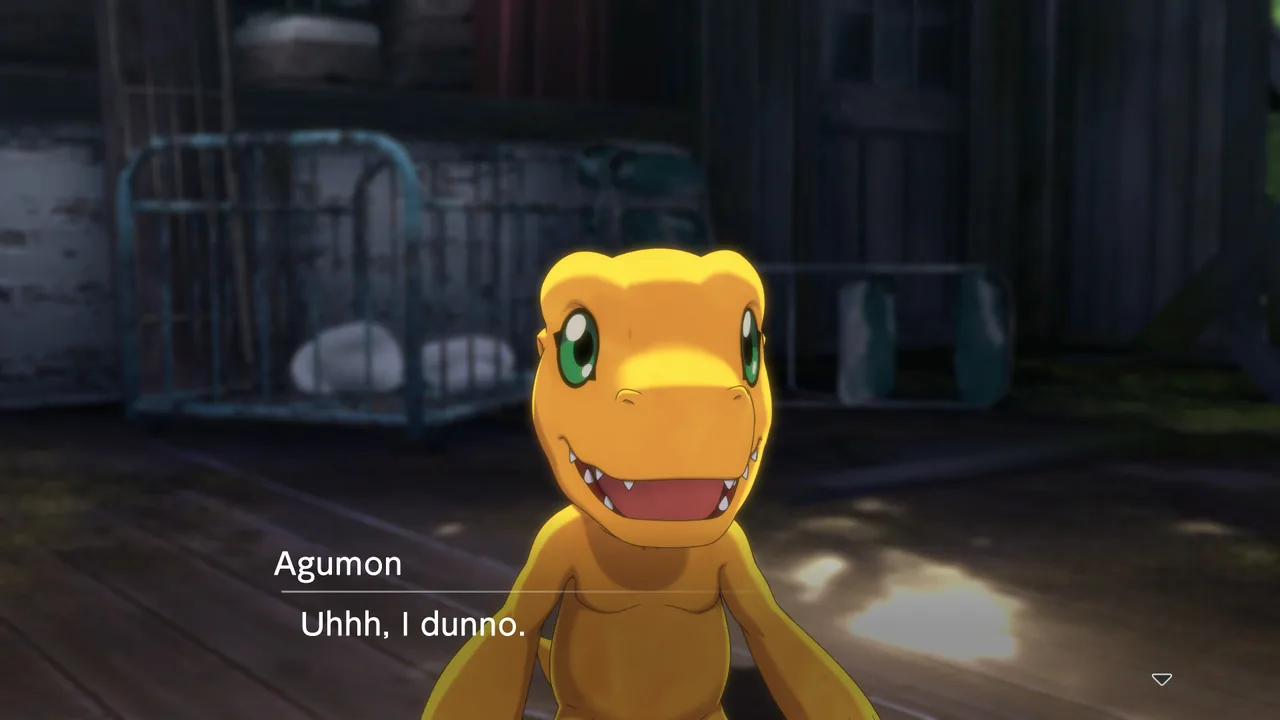
After a long, well-documented development history, Digimon Survive delivers a genuinely different take on the franchise: children trapped in a hostile world alongside Digimon partners, with real horror elements, moral weight and consequences that carry across a branching narrative. That story draws consistent praise — "As a long-time fan of Digimon, this is an excellent game that captures the nostalgia of the series without relying too much on the same formula," reads one review, and several others compare the choice-driven structure favourably to Danganronpa. The visuals and atmosphere are praised broadly, including by reviewers who go on to criticise nearly everything else.
The mismatch nearly everyone names
What both fans and critics converge on, independently and constantly, is the ratio of reading to playing. "Make no mistake, this game is 98% visual novel, and only 2% Grid-based" tactics, reads one detailed review. Another sums up the same point as pre-emptive advice: "Digimon Survive is a VISUAL NOVEL. Keep that in mind when you decide to buy and play it. Otherwise when you write a bad review on it complaining about" the combat, you're reviewing a game you misunderstood rather than the one that shipped. Forty-nine of the 100 most-helpful negative reviews raise this mismatch directly, and it recurs in the most-upvoted positive reviews too — a level of cross-side agreement this library rarely sees on a single specific point.
Once that expectation is corrected, the combat still draws real criticism on its own terms. Thirty- two of the 100 negatives raise it, generally describing the grid-based battles as slow and mechanically thin — a drag on pacing rather than a meaningful complement to the story. "The story is pretty good, but that's where the positives end," reads one review. "Everything just drags, there's tons of padding in side dialogs." A separate, smaller complaint concerns replay friction: pursuing alternate story routes for different endings apparently requires replaying combat sections that aren't always skippable, adding real tedium to full completion attempts.
A story that holds attention regardless
The median playtime among the game's critics — 24 hours — is a meaningful data point on its own: a game with this many detailed, engaged negative reviews from people who spent that long with it suggests the story itself, whatever its pacing flaws, held attention long enough for a genuine verdict to form. The achievement curve backs this up, with early milestones sitting comfortably in the high 60s to 70s percent range before falling off for the hardest, multi-ending completionist goals — consistent with a story most buyers engage with substantially, even if far fewer chase every branch.
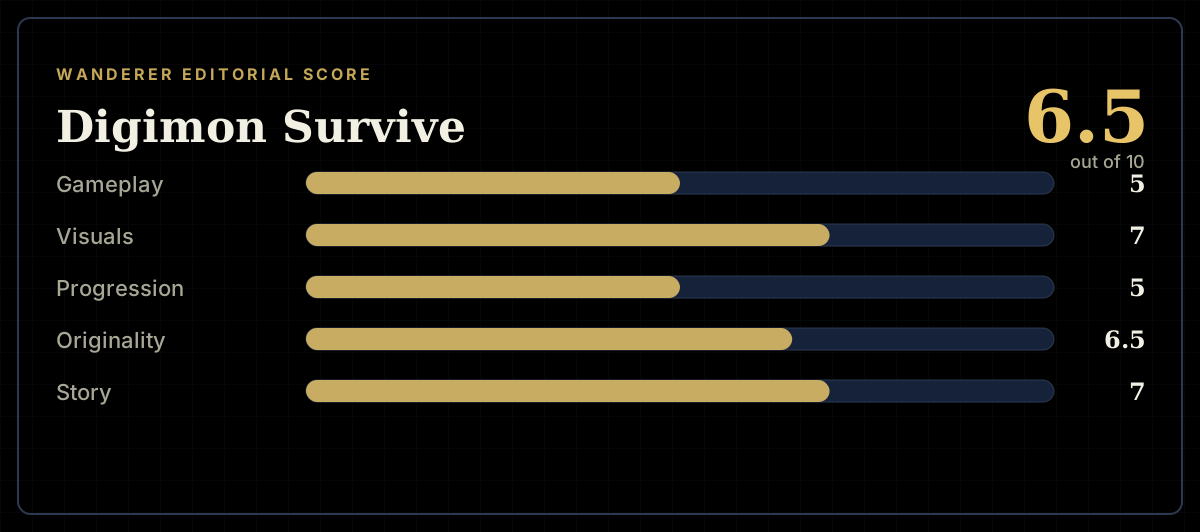
6.5 out of 10. Digimon Survive tells a genuinely different, more mature Digimon story than the franchise usually offers, and it does so almost entirely through prose rather than the tactical combat its marketing emphasised. Reviewers on both sides of the score agree on that mismatch nearly word for word, which makes it the single most important thing to know before buying: come for the visual novel, treat the battles as a supplement rather than the point, and this is a solid, substantial game for the audience that actually wants what it delivers.
Pros and cons
Pros
- A genuinely darker, more mature Digimon story than the franchise typically offers, with real stakes and moral complexity that longtime fans credit as a meaningful evolution
- Distinctive art and atmosphere that reviewers consistently praise regardless of their overall verdict on the gameplay
- A branching structure with real choice-driven consequences, drawing comparisons to Danganronpa from reviewers who enjoy that style of narrative game
- Substantial length and replay incentive for its intended audience, with multiple reviewers logging 50-plus hours pursuing different story routes and endings
Cons
- The game's own marketing, which leaned on tactical combat footage, is widely described as misleading about the actual ratio of visual novel to gameplay -- 49 of the 100 most-helpful negatives raise this specifically, and multiple top-voted positive reviews open with the same correction to help future buyers
- The tactical combat itself draws real criticism once expectations are corrected -- 32 of 100 negatives call it slow, shallow or a drag on pacing rather than a meaningful gameplay layer
- Significant padding in dialogue and side-conversation sections is a recurring complaint, with several reviewers describing long stretches where little narrative progress actually occurs
- Some reviewers report combat sections from earlier story routes aren't skippable when pursuing additional endings, adding real friction to attempts at full completion
Screenshots
-

Digimon SurviveImage: Bandai Namco Entertainment Inc. via Steam -
Digimon SurviveImage: Bandai Namco Entertainment Inc. via Steam -
Digimon SurviveImage: Bandai Namco Entertainment Inc. via Steam -
How the review scores each part of the gameWanderer Editorial -
The essentialsWanderer Editorial -
The short versionWanderer Editorial