Idle RPGs, MMOs, browser games and mobile RPGs, taken apart properly. Every review carries a
score out of 10, what the game does well, what it does badly, and the kind of player it is actually for.
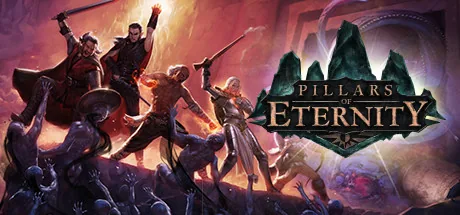
The game that brought the isometric party RPG back from the dead, and spent a decade being judged against a memory of Baldur's Gate rather than on its own terms. Fewer than half its buyers finish Act I — but the ones who push through average eighty hours.
Frontier Developments' theme-park sequel launched into a genuinely well-documented content and feature regression from its predecessor — Steam Workshop removed, core PC1 content resold as DLC, a console-first UI — sitting Mostly Positive across more than 14,000 Steam reviews; this review can confirm, via a sustained year-and-a-half patch cadence through mid-2026, that Frontier did not abandon the game afterward, with a real, credited player-reported turnaround distinct from its rocky launch reputation.
You brew potions by physically dragging a pestle across a map of alchemical effects, and it's one of the best crafting mechanics anyone has invented. The argument isn't whether it's good — it's whether a brilliant idea that stopped being developed is worth twenty-nine dollars.
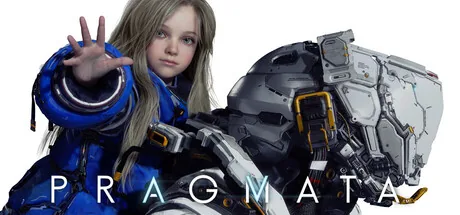
A genuinely fresh, emotionally resonant sci-fi shoot-and-hack adventure from Capcom, six years after its original 2020 announcement, praised near-universally for its unusual father-daughter bond and inventive combat — undercut for a real, consistently repeated share of the sample by a combat loop that grows repetitive in its back half, and by genuine, well-documented Denuvo DRM access problems affecting even paying, non-piloting players.
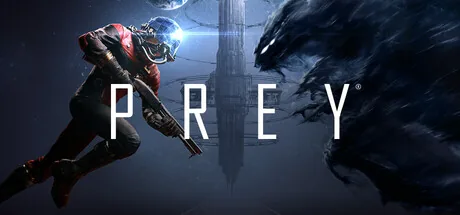
Arkane Austin's 2017 immersive sim remains Very Positive across more than 54,000 Steam reviews, widely regarded as one of the genre's finest achievements — a reputation this review can confirm survived the closure of the very studio that made it, when Arkane Austin was shut down entirely by Microsoft in 2024, and a real controversy over the game's own title, which this review can confirm Bethesda forced onto an unrelated story over the objections of Arkane's own founder.
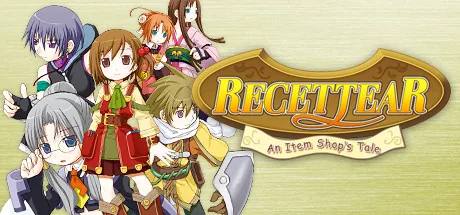
The game that invented the shopkeeper RPG, sixteen years old and still 96% positive. Every buy-low-sell-high game since owes it something — and most of them dropped the one idea that made it work.
A survival-horror triumph in its first half and a widely-debated tonal collapse in its second, wrapped around Capcom's biggest launch of the year — Overwhelmingly Positive across more than 100,000 Steam reviews and 8 million copies sold, while a large, detailed share of that same sample argues the game falls apart exactly when it should be building toward its climax.
A meticulously accurate recreation of running a 1990s video rental store — verified as authentic by actual former Blockbuster employees in its own review section — undercut by a remarkably consistent complaint that nothing you build ever changes how the game actually plays.
The game that invented the thing every roguelite now does — you die, your heir inherits, and the upgrades stay. Thirteen years later its founding criticism is still the genre's central argument, and its own sequel does it better.
The sequel that fixed nearly everything wrong with the original — and got criticised for it. Its sharpest reviewers say the classes are now too balanced and every run plays the same. Both things are true, and that's the interesting part.
A long-awaited Western release for a beloved PSP tactics duology, rebuilt in Unreal Engine 5 — genuinely treasured by the fans who've waited seventeen years for it, and genuinely undercut for newcomers by aggressive upscaling artifacts and a control scheme that inherited its handheld-era clunkiness without ever being modernised.
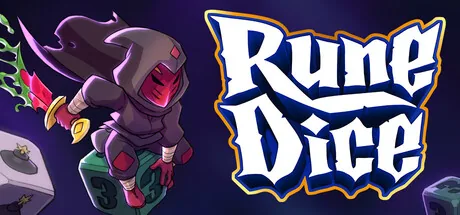
A physics-based dice-fusion roguelite that nails its central hook — launching dice across a battlefield to trigger magical merge chains — then shipped with runs so short that the loudest launch complaint was "where's the rest of the game," a criticism the developer answered directly with a free Classic Mode update a month later.
Eight years after release and still getting a major update every month, Rust remains the most uncompromising survival game ever made — and the one whose own veterans write the funniest negative reviews about how much of their lives it took.
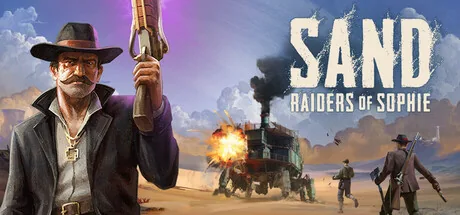
You pilot a walking mech fortress across a desert, scavenging wrecks and extracting with the loot. Three hundred thousand people bought it in a fortnight. Its recent reviews are running at 41% positive, and the reasons are structural rather than cosmetic.
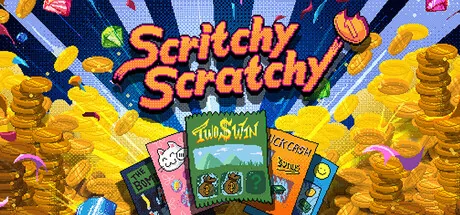
A scratch-card incremental that swaps the usual "buy 10" button for a mouse dragged across a lottery ticket, and turns out to be one of the most purely satisfying opening hours the genre has produced this year — right up until the point where the tickets stop having anything new to say.
A solo-developed, critically adored twin-stick shooter from a Housemarque alumnus, widely hailed by its own fanbase as a spiritual successor to Geometry Wars — Overwhelmingly Positive on Steam with a 93 Metascore, undercut for many players by a steep, unevenly tutorialised difficulty curve that even genre veterans describe as a genuine barrier to entry.
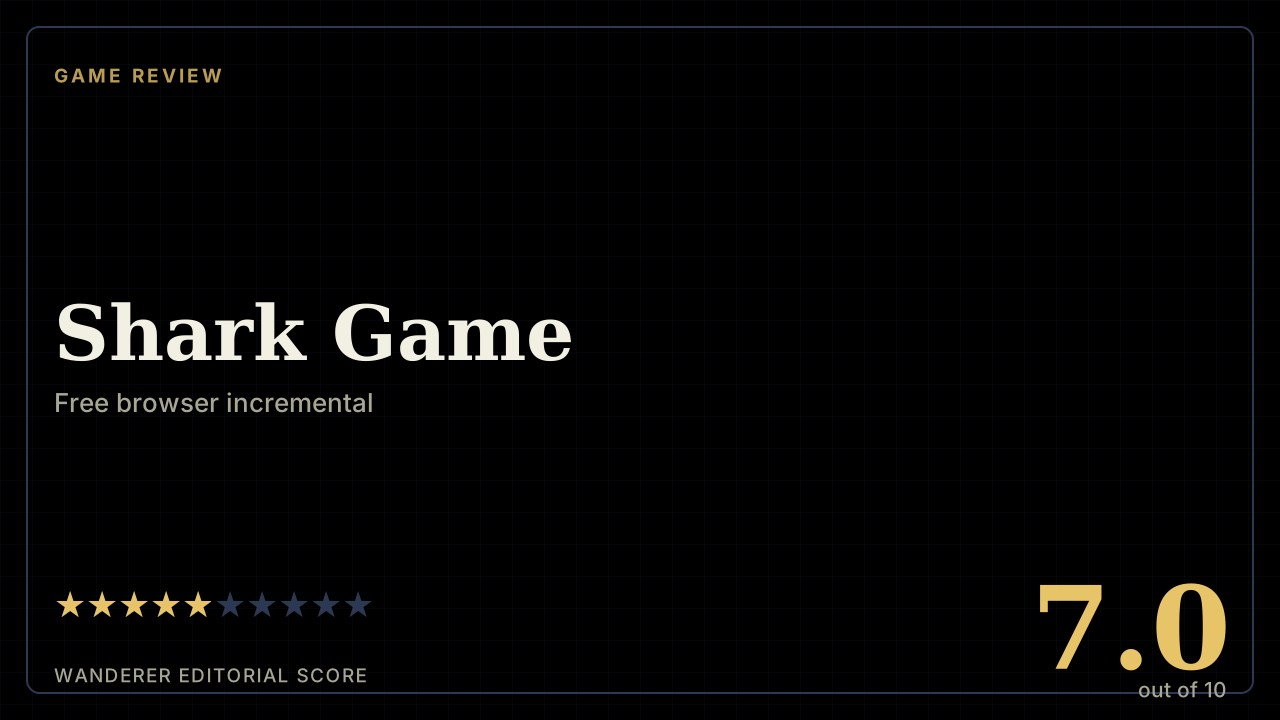
A free browser incremental that turns a single click-to-catch-fish button into a full sea-life economy, an artifact-driven prestige loop and — almost uniquely for the genre — a real ending, even though its own developers insist it isn't actually an idle game.
A fan remake that outgrew the game it copied, and has been updated every year for a decade. It's free on Android, open source on GitHub, and carries no ads or purchases of any kind — so the interesting question isn't whether it's good. It's why you'd ever pay for it.
Firaxis's boldest structural gamble in the series' history — mandatory "Age" transitions that force players to swap civilizations twice per campaign — split the Civilization fanbase down the middle at launch and still sits Mixed across nearly 58,000 Steam reviews eighteen months later, even as a genuinely major, free "Test of Time" update rebuilt huge parts of the game in direct response to that backlash.
A visually extraordinary, boldly original entry in Konami's horror franchise — trading the series' familiar American fog town for 1960s rural Japan, with a story from acclaimed writer Ryukishi07 and a score featuring series composer Akira Yamaoka — undercut by a combat system that reviewers on both sides of the recommendation line agree fights against the psychological dread the series has always been known for.
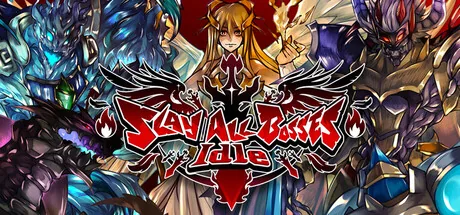
A solo-developed auto-battler that dresses itself up as an idle RPG, delivers a genuinely satisfying handful of boss fights through three distinct heroes, and then ends before its skill trees, weapon collection or "idle" framing ever get the room to matter.
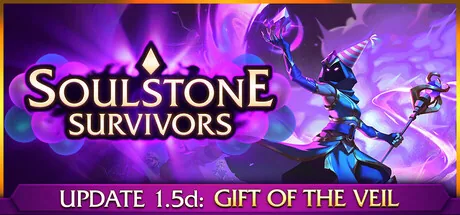
A content-dense, genuinely fun bullet-heaven roguelite with 22-plus characters and hundreds of skills, praised for its scope and exceptionally responsive small developer team — undercut by a real, consistently repeated complaint spanning both its fans and critics: despite the huge nominal variety, most builds converge on the same handful of optimal choices, and the endgame settles into what reviewers repeatedly, vividly call a "dodging simulator."
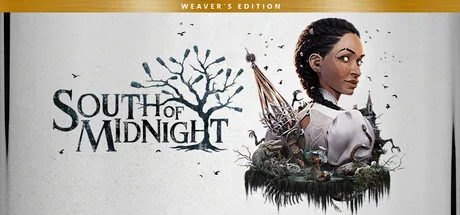
A visually extraordinary, deeply personal Southern Gothic folktale from Compulsion Games, praised almost universally for its art, music and story, undercut by a real, consistently repeated complaint that its combat grows tedious well before the credits roll — released into a genuinely poignant real-world backdrop in which Xbox reportedly began shutting down the studio that made it only months after publicly celebrating its Peabody Award win.
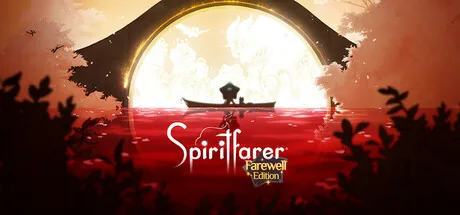
A cozy management game about dying, and one of the few games that earns the crying its reviews describe. The management half is fetch quests and minigames — which is the honest thing to tell you, because the store page sells it the other way round.