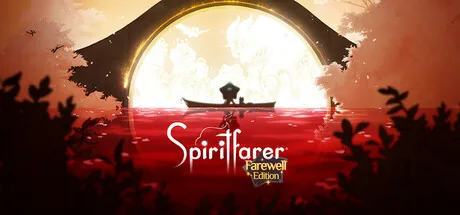
Game review
Spiritfarer
8 / 10
- Developer
- Thunder Lotus
- Publisher
- Thunder Lotus
- Released
- 18 August 2020
- Platforms
- Windows, macOS, Linux
- Genre
- Management / Narrative Adventure
- Monetisation
- One-time purchase at NZ$46.49 with two DLC. No microtransactions. All post-launch character and content updates were free. Checked 4 August 2026.
- Players
- Local shared-screen co-op, with a second player controlling a companion
The short version
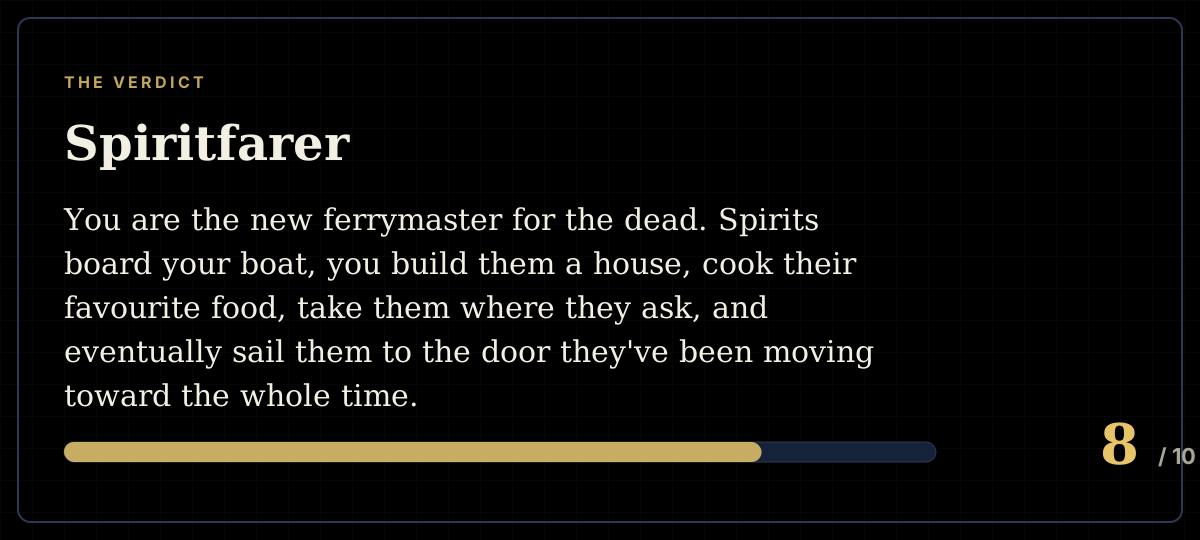
You are the new ferrymaster for the dead. Spirits board your boat, you build them a house, cook their favourite food, take them where they ask, and eventually sail them to the door they've been moving toward the whole time. The writing on those characters is extraordinary — funny, specific, often unbearable — and the hand-drawn animation is among the best in games. What you actually *do* between those scenes is gather resources, run minigames and sail back and forth, and it thins out badly. Buy it for the goodbyes. Know that the management is scaffolding.
Biggest strengths
- Character writing of genuinely rare quality — each spirit is specific, flawed and going somewhere, and the farewells earn their weight
- Hand-drawn animation that stands with the best in the medium, expressive down to the hugs
- A cozy, generous treatment of end-of-life care that reviewers repeatedly describe as helping them
Biggest weaknesses
- The core loop is gathering, fetch quests and repeated minigames, and it wears thin well before the story does
- A lot of time is spent sailing back and forth across a map you've already seen
- Progression is gated by errands rather than by anything you'd call a system
Who it's for: Players who want a game to move them and don't need mechanical depth to get there. Not for anyone shopping for a management sim, and worth approaching carefully if grief is close to you right now.
Our recommendation: Buy it, and play it in long sessions rather than short ones — the emotional beats land far harder when a character's arc completes in one sitting. Don't chase completion; the game is at its best if you follow whichever spirit you're most attached to rather than optimising your boat. And if you find the fetch quests wearing around the middle, that's the common experience, not you missing something.
8 / 10
"Pros: Fishing. Cons: Hard to read dialog when crying."
That's a recent review in full, and it's the most efficient summary of Spiritfarer anyone has managed. Ninety-five per cent of fifty-three thousand people recommend this game, the recent figure is 94%, and a striking number of those reviews are about weeping.
They aren't exaggerating. They also aren't describing the part you'll spend most of your time doing.
The goodbyes
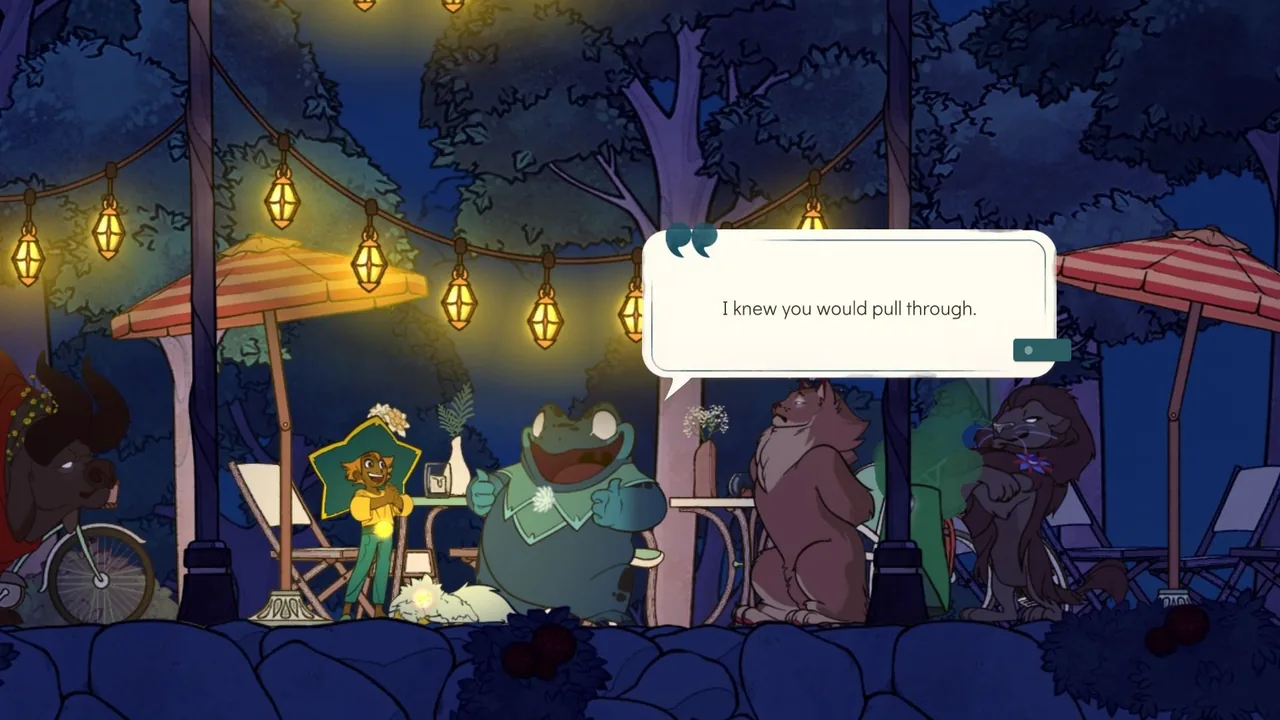
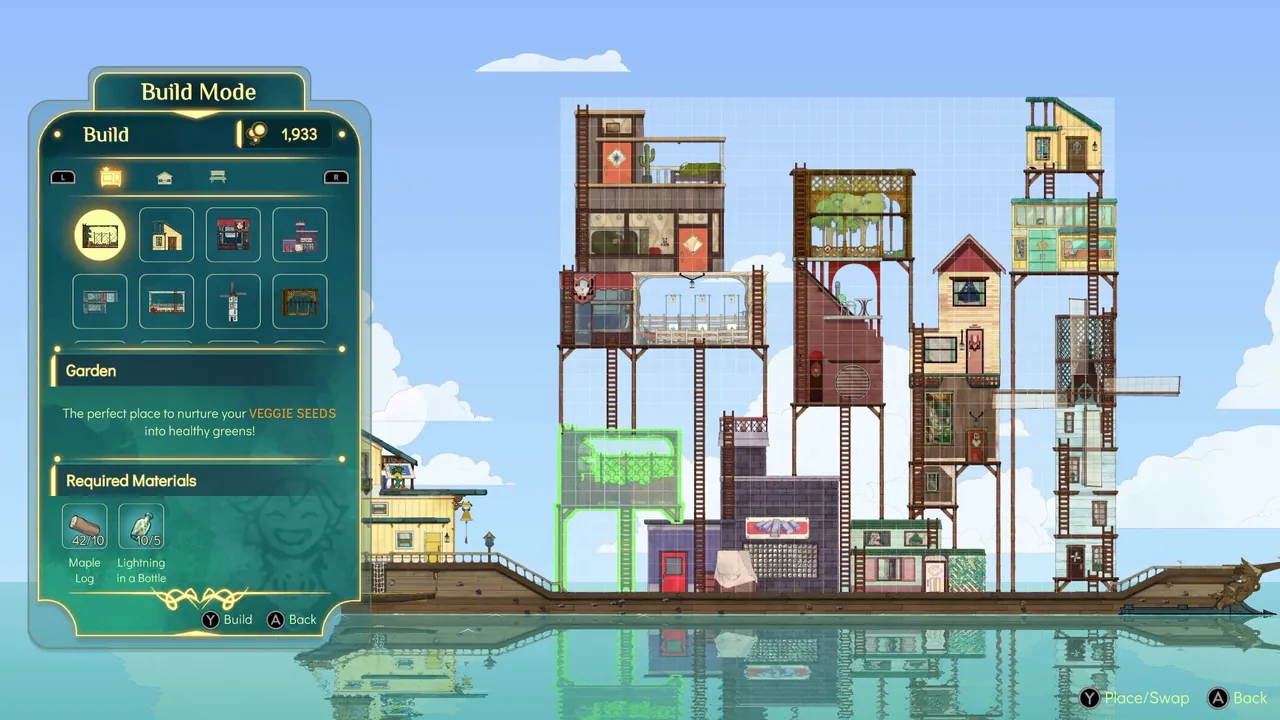
You inherit the job of ferrymaster. Spirits — a deer, a snake, a hedgehog, a lion — come aboard your boat, and each one is a person with a life behind them and a destination ahead. You build them a house. You learn what they like to eat. You take them to places they need to see. You listen.
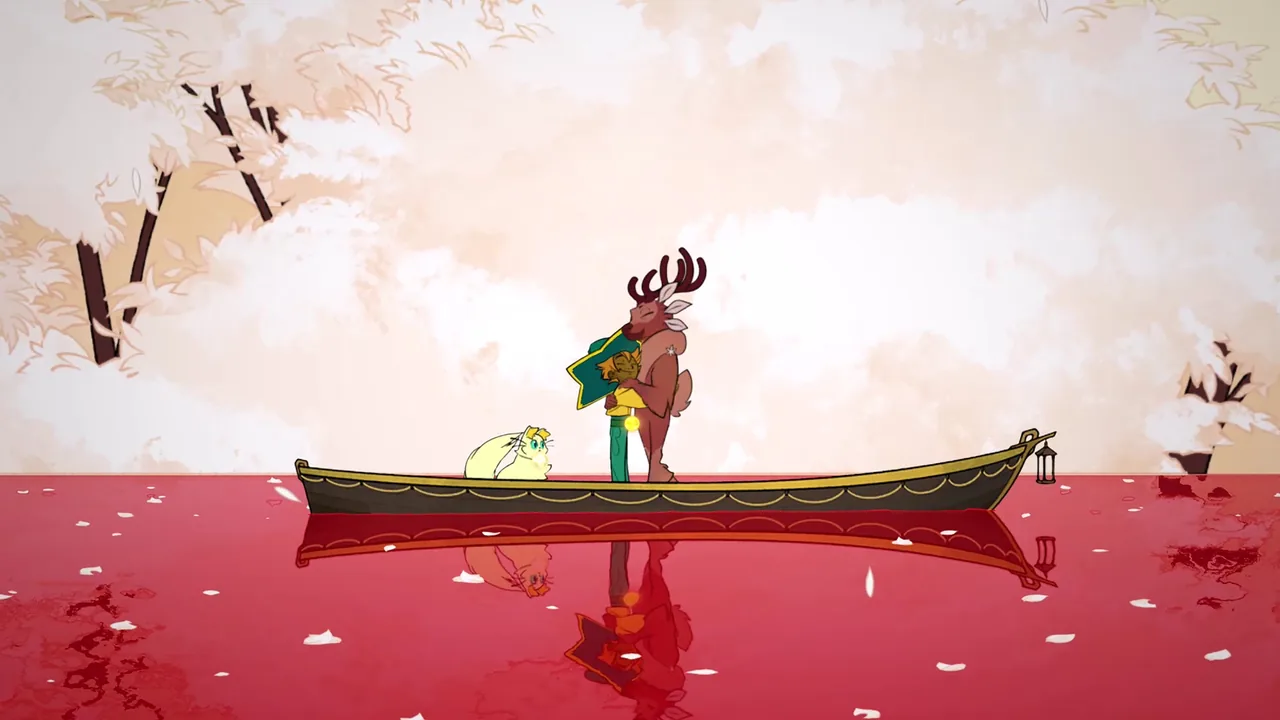
And then, when their story finishes, you sail them to the Everdoor and let them go.
The writing on those arcs is the reason this game exists and the reason it works. Each spirit is specific — not a symbol of grief but a person with grudges, appetites, evasions and unfinished business, revealed slowly through the requests they make. Some are warm. At least one is genuinely difficult to be around, and that's the point. The game is about end-of-life care, and it understands that caring for someone is not the same as liking every minute of it.
The presentation is extraordinary. Hand-drawn animation of a quality almost nothing else in games matches, expressive enough that a hug reads as a hug — a reviewer's request that more games let you hug people is one I'd endorse. The score is lovely, the boat is beautiful at night, and the whole thing is put together with obvious care.
Reviewers repeatedly describe it helping them through bereavement. That's not a claim a review should oversell, but it recurs often enough to be a fact about the game's effect.
The part the store page undersells
Now the honest bit, and it's the reason the most-upvoted negative review — from a player with 33 hours who explicitly says it isn't a hard non-recommendation — was written to readjust expectations about what you'll actually be doing.
Between the emotional beats, Spiritfarer is errands. A spirit wants a particular dish, which needs an ingredient, which needs a crop, which needs a building, which needs ore from an island three screens away. You sail there, you play a small minigame to harvest it, you sail back. Then the next spirit wants something else.
The minigames are charming the first three times. There are many more than three times. And the sailing — which is initially peaceful and genuinely lovely — becomes the tax you pay on every request, across a map you have already seen.
Multiple reviewers who love the game say this plainly. One with 98 hours puts it best: the game is so close to perfection that its flaws become more cutting rather than less. Another, with 28 hours, praises the themes, the characters, the music and the environments, then notes that the loop is endless fetch quests and minigames that get tedious quickly.
The achievement data supports them. Two thirds of players make a spirit ecstatic; barely a third do it for multiple spirits, and the decoration and progression achievements fall away steadily after that. People are not finishing this game at the rate its review score implies — they're getting a few farewells, feeling what they came to feel, and drifting off.
So how do you score that?
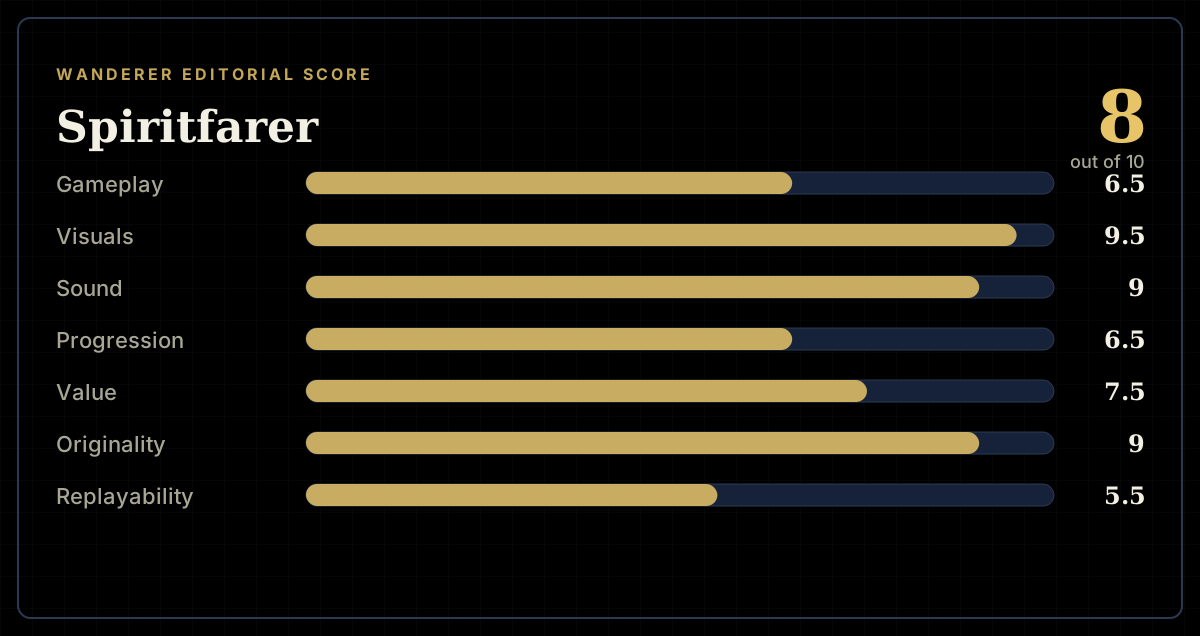
This is the interesting critical problem. Spiritfarer's emotional achievement is genuinely rare — I can think of very few games that earn tears without manipulation, and this is one. Its mechanical design is ordinary at best and repetitive at worst.
I don't think those cancel out, and I don't think the mechanics are irrelevant either. What they do is define who should buy it. If you want a game to do something to you, this is among the best purchases on Steam and the errands are the price of admission. If you want a management game — if what appeals is the boat-building, the farming, the resource chains — you will be disappointed, because those systems exist to pace the story rather than to be mastered.
The 40-hour median tells you the people who click with it stay a long while. The achievement curve tells you plenty don't.
8.0 out of 10. Rated 8.0 out of 10.
Spiritfarer is a beautiful, generous, unusually brave game about the work of accompanying people to the end, and its best moments are among the most affecting in the medium. Buy it for that.
Two points come off for a loop that runs out of ideas long before the story does, and for the amount of sailing between you and the next scene you actually want. Play it slowly, follow the spirits you care about, and let the completion list go — which is, appropriately enough, the lesson the game itself keeps trying to teach.
Pros and cons
Pros
- Character writing of genuinely rare quality — each spirit is specific, flawed and going somewhere, and the farewells earn their weight
- Hand-drawn animation that stands with the best in the medium, expressive down to the hugs
- A cozy, generous treatment of end-of-life care that reviewers repeatedly describe as helping them
- Beautiful score and sound design that carry the quieter stretches
- Substantial for the money at a 40-hour median, with all post-launch characters added free
- Local co-op lets a second player join as a companion, which suits the tone unusually well
Cons
- The core loop is gathering, fetch quests and repeated minigames, and it wears thin well before the story does
- A lot of time is spent sailing back and forth across a map you've already seen
- Progression is gated by errands rather than by anything you'd call a system
- Achievement data shows a substantial share of players stopping in the middle chapters
- Performance drew complaints at launch that some players still raise
- Almost no reason to replay once the stories are told
Screenshots
-
Spiritfarer®: Farewell EditionImage: Thunder Lotus via Steam -
Spiritfarer®: Farewell EditionImage: Thunder Lotus via Steam -
Spiritfarer®: Farewell EditionImage: Thunder Lotus via Steam -
How the review scores each part of the gameWanderer Editorial -
The short versionWanderer Editorial