Game review
Rust
8 / 10
- Developer
- Facepunch Studios
- Publisher
- Facepunch Studios
- Released
- 8 February 2018
- Platforms
- Windows, macOS
- Genre
- Survival / Persistent-world PvP
- Monetisation
- One-time purchase at NZ$30.99. Five optional cosmetic and utility packs run from NZ$6.19 to NZ$15.19, including a Warhammer 40,000 collaboration, an instruments pack and a voice props pack. Nothing sold confers combat advantage. Prices checked 4 August 2026.
- Players
- Online only — persistent servers with full-loot PvP, offline raiding and scheduled wipes
The short version
You spawn naked on a beach with a rock. Everything else — the metal base, the guns, the helicopter, the enemies who will tear all of it down while you're asleep — has to be built out of a world where every other person is a threat. Rust is the purest expression of emergent multiplayer ever shipped, it is still receiving substantial monthly updates eight years on, and the median recent reviewer has 113 hours in it. It is also punishing, enormously time-hungry, frequently vile in its social behaviour, and has spent the last two years making solo progression harder in ways its longest-serving players openly resent. A landmark game that most people should not buy.
Biggest strengths
- The most convincing emergent-story engine in multiplayer games, where every alliance, betrayal and raid comes from players rather than scripting
- Base building and raiding form a genuine arms race, with real engineering depth in defensive design
- Extraordinary longevity — monthly updates eight years past release, recently adding clans, player-run shops and workbench upgrades
Biggest weaknesses
- The community is, by broad and repeated account, among the most hostile in gaming, including routine racial abuse over voice
- Offline raiding means you can lose weeks of work while asleep, with no recourse
- Recent progression changes — blueprint fragments and the workbench grind — have made solo play substantially harder, and long-term players say the sandbox freedom has narrowed
Who it's for: Players who want genuine stakes, have friends to play with, and can commit real hours per wipe cycle. Emphatically not for solo players wanting a relaxed survival-crafting game, not for anyone sensitive to abuse in voice chat, and not for players who can't lose everything overnight and come back.
Our recommendation: If you're going to try it, do three things. Play with at least two friends, because solo is currently the hardest it has ever been. Join a modded or low-population server first rather than a full-pop official one, so you get to learn the systems before someone teaches them to you with a rock. And go in accepting that your base will be raided while you sleep — that isn't a flaw to be fixed, it's the game.
8 / 10
The single most useful thing I can tell you about Rust is how to read its reviews.
Sort the negatives by how many people found them helpful and the top of the list looks like a catastrophe: this game ruined my life, don't play this, watch YouTubers play it instead, I have gained nothing from this but clinical depression, insomnia and no friends. Then check the playtime attached to each one. Five thousand hours. Six thousand. Nearly seven thousand on a review saying the game took his wife, his kids, his house and his dog.
Those aren't warnings. They're love letters written by people who resent being in love. Rust has a whole genre of them, and once you can spot it, the actual criticism underneath becomes much easier to see.
What it does that nothing else does
You spawn on a beach with nothing but a rock and a torch. There is no quest, no tutorial worth the name, and no safety anywhere on the map. Everything you will ever own has to be gathered, crafted or taken, and every other figure on the horizon is a person who may decide to take yours.
That's it. That's the design, and after twelve years nobody has done it better.
What it produces is stories that no scripted game can manufacture. The neighbour who helps you build a wall on day one and raids you on day four. The hour spent hiding in a rock formation listening to footsteps. The alliance made through a voice channel with someone whose language you don't share. Full-loot stakes plus persistent bases plus no rules produces genuine drama, and every survival game since has borrowed some part of the formula while sanding off the edges that make it work. Valheim and Enshrouded are lovely games and neither will ever give you the specific feeling of hearing a rocket hit your airlock at 2am.
The base building deserves particular credit. It's an actual engineering problem — layered walls, honeycombing, airlocks, decoy loot rooms — and the raiding side is a costed arms race against it. Few games ask you to build something whose only purpose is to survive an intelligent attacker.
And it's still being made. Eight years past its 1.0 and twelve past its Early Access debut, Facepunch ship a substantial update every month; recent ones added clans and player-run shops, rebuilt the character models, and introduced rare workbench upgrades. That cadence, at this age, is remarkable.
What the veterans are actually angry about
Underneath the joke reviews there's a real and specific complaint, and it's the reason current sentiment sits at 75% while lifetime sits at 87%.
The progression has been getting longer and more prescriptive. The introduction of blueprint fragments drew a furious response, including from players with two thousand hours who argued it made solo advancement a chore in a game that already demands enormous monthly investment. A player with over twelve thousand hours — writing their first Steam review in eight years to do it — described the workbench grind as replacing the organic sandbox with a forced sequence, and titled the whole thing "The Death of a Sandbox."
You don't have to agree with them to see the shape of it. Rust's appeal was always that the world didn't tell you what to do. Every system that gates the good equipment behind a longer, more specific path trades away a little of that in exchange for pacing, and the people who have been here longest feel the trade most sharply.
It intersects badly with the other structural problem: zergs. Large organised clans dominate official servers, and there is no matchmaking, bracket or population control to protect anyone else. The more the progression demands, the more it favours the group that can run twenty people in shifts.
The part that isn't a joke
The community is genuinely hostile, and I don't want to soften this the way the funny reviews do. Reviewers describe racial abuse over voice chat as routine. One summarised the culture as a game where the objective isn't to have fun but to ensure nobody else does. Another, arriving as a newcomer, was beaten to death by a fully-armoured player before they could pick up their first rock — which is not a bug, but it is the entire new-player experience for a lot of people.
Offline raiding compounds it. You can log off with a fortress and log in to an empty concrete shell, having lost a week's work to people you never met. Rust's defenders will tell you that's the point, and they're right that removing it would unmake the game. But "working as intended" and "acceptable to you" are different questions, and a lot of people should answer the second one honestly before spending thirty dollars.
What it costs
Thirty-one dollars, and the monetisation is cleaner than the game's reputation suggests. There are five optional packs — instruments, voice props, a sunburn cosmetic set, a Warhammer 40,000 collaboration, a soundtrack — running between six and fifteen dollars, and none of them affect combat. Nobody buys their way to better guns.
The "corporate monetisation" complaint that appears in veteran reviews is really a complaint about attention: the sense that development effort goes to collaborations and cosmetics while the core progression drifts. That's a fair thing to argue about, but it isn't pay-to-win, and it's worth separating the two.
8.0 out of 10. Rated 8.0 out of 10.
Rust is a landmark. It invented a genre, it still sets the standard for emergent multiplayer, and the fact that it's receiving meaningful monthly updates twelve years after it first appeared puts almost every live-service game to shame. The median recent reviewer has 113 hours in it. That number is the review.
It loses two points for real reasons, not squeamishness: a progression direction its most experienced players are actively rejecting, no structural answer to clan dominance, and a social environment that is genuinely unpleasant in a way the developers have never seriously addressed.
Buy it if you have friends and time, and go in knowing you'll lose everything at least once. If what you actually want is to build a nice base and gather resources in peace, you want a different game — and the good news is that Rust's influence means there are now a dozen of them.
Pros and cons
Pros
- The most convincing emergent-story engine in multiplayer games, where every alliance, betrayal and raid comes from players rather than scripting
- Base building and raiding form a genuine arms race, with real engineering depth in defensive design
- Extraordinary longevity — monthly updates eight years past release, recently adding clans, player-run shops and workbench upgrades
- Median recent reviewer playtime of 113 hours, with regular reviews from players past 5,000
- Monetisation is honest for a game of this size: cosmetic packs only, nothing that affects combat
- The wipe cycle is a genuinely good idea, resetting the map so late arrivals aren't permanently locked out
Cons
- The community is, by broad and repeated account, among the most hostile in gaming, including routine racial abuse over voice
- Offline raiding means you can lose weeks of work while asleep, with no recourse
- Recent progression changes — blueprint fragments and the workbench grind — have made solo play substantially harder, and long-term players say the sandbox freedom has narrowed
- Large clans dominate official servers, and there is no matchmaking to protect smaller groups
- The time commitment is close to a part-time job if you want to remain competitive within a wipe
- New players are typically killed within minutes and given no meaningful onboarding
Screenshots
-
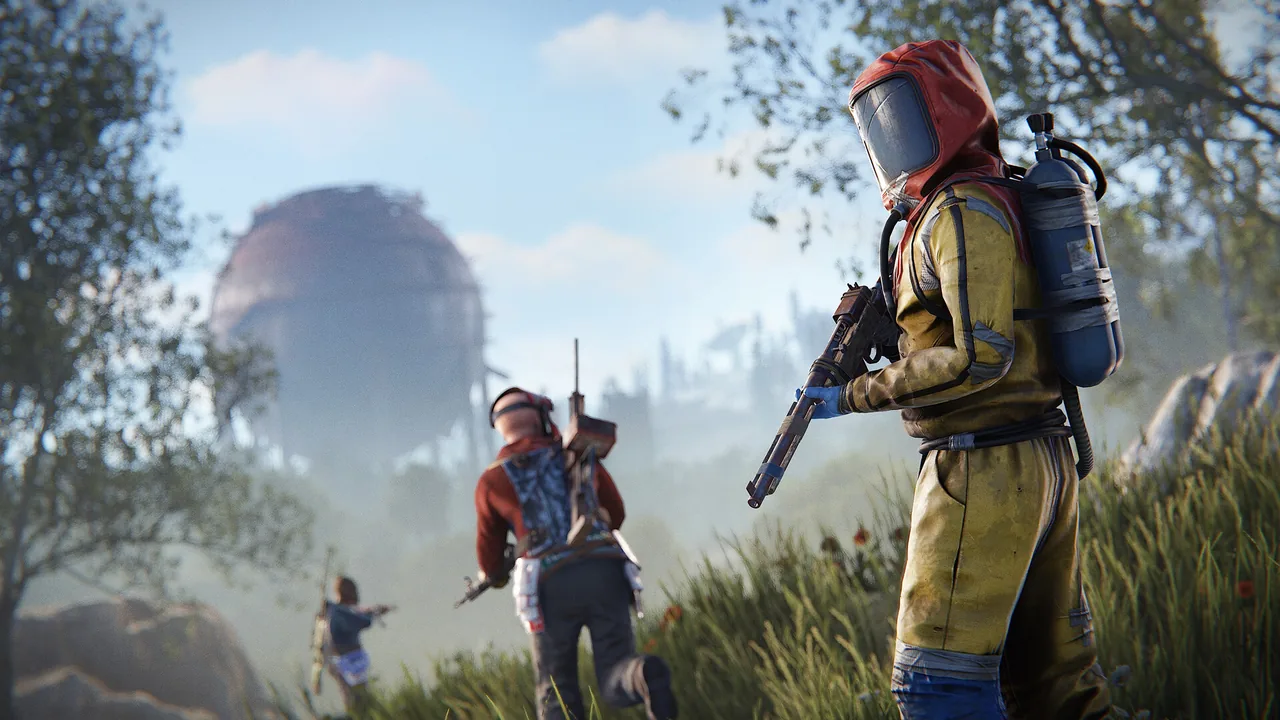
RustImage: Facepunch Studios via Steam -
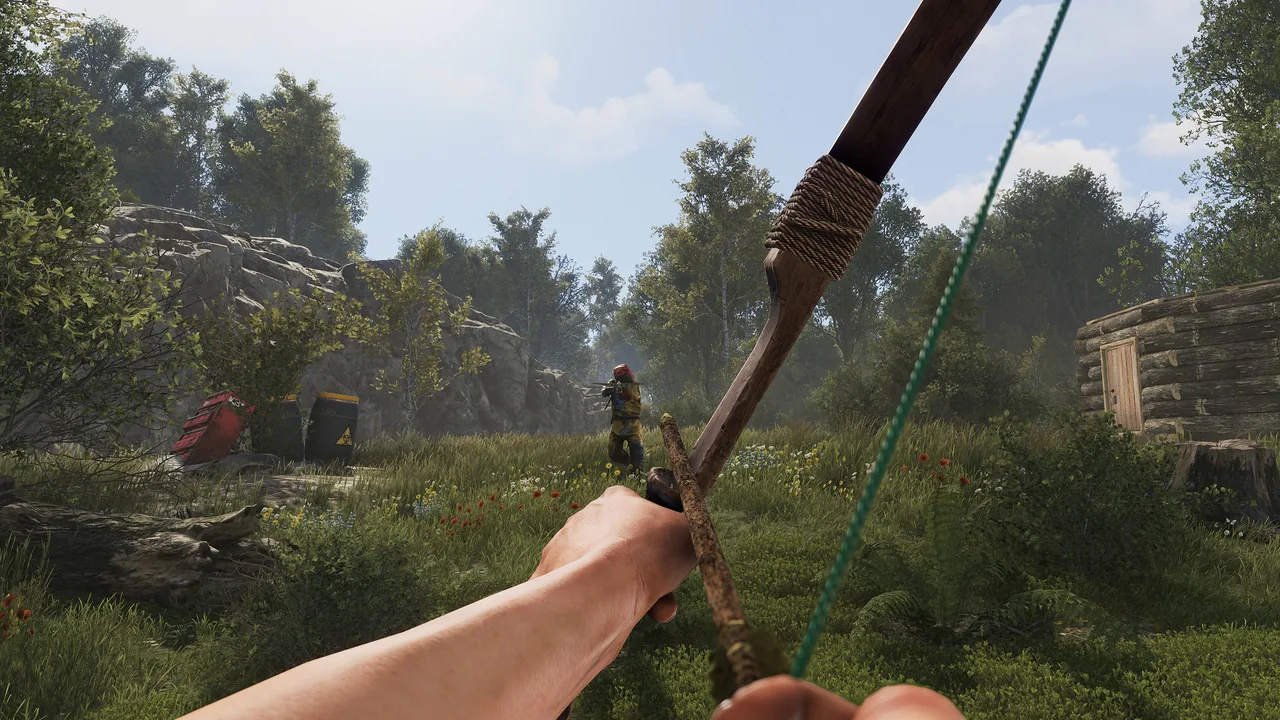
RustImage: Facepunch Studios via Steam -
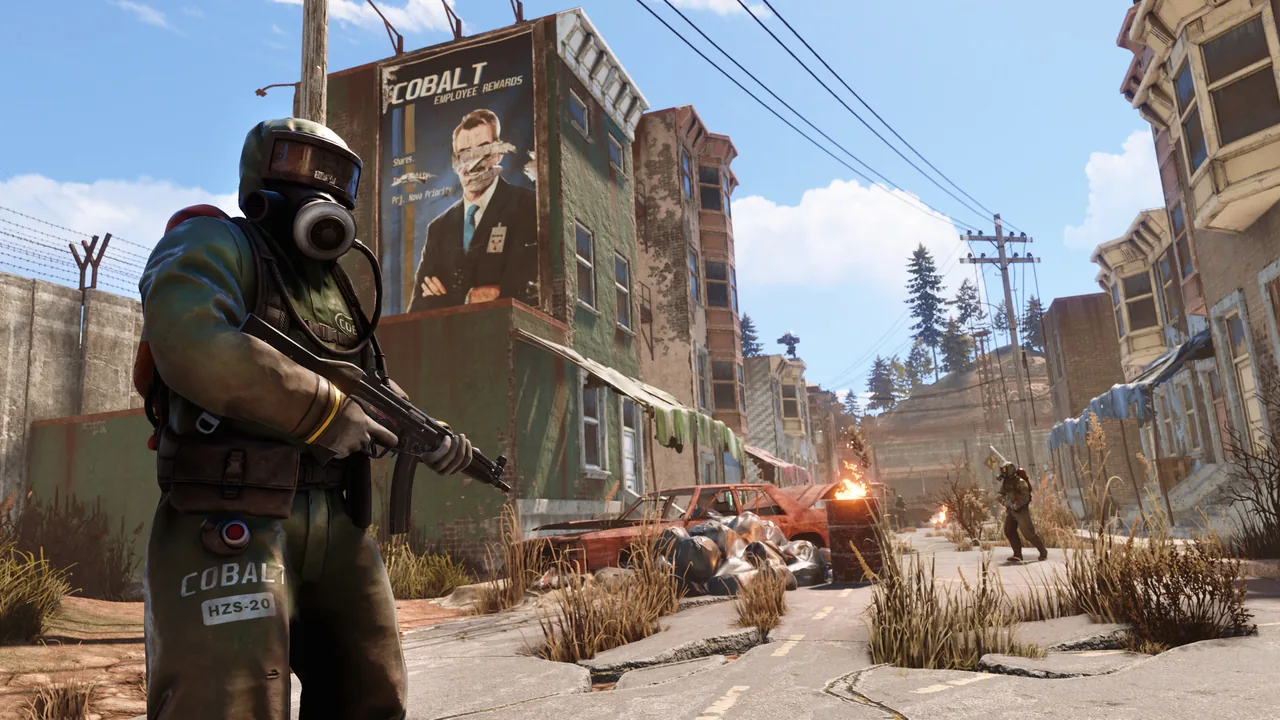
RustImage: Facepunch Studios via Steam -
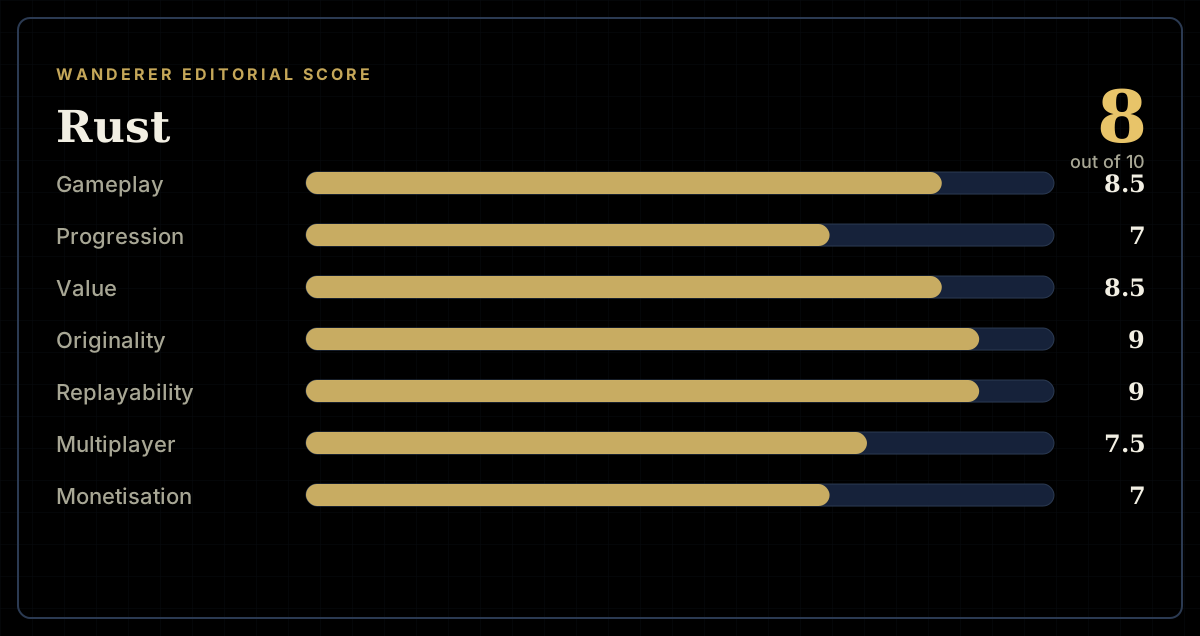
How the review scores each part of the gameWanderer Editorial -
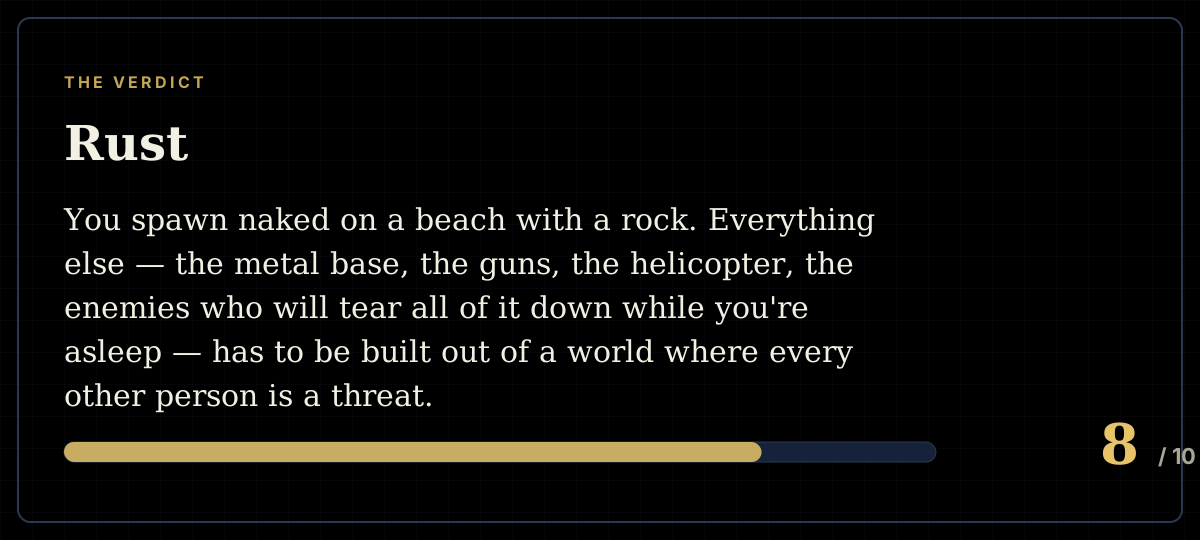
The short versionWanderer Editorial