Game review
Fallout 76
6 / 10
- Developer
- Bethesda Game Studios
- Publisher
- Bethesda Softworks
- Released
- 14 April 2020
- Platforms
- Windows, PlayStation 5, Xbox Series X|S
- Genre
- Online RPG
- Monetisation
- One-time purchase, plus Atoms premium currency, a cosmetic store, seasonal content and the Fallout 1st monthly subscription, which raises storage limits.
- Players
- Always online, shared-world multiplayer with public events and optional PvP
The short version
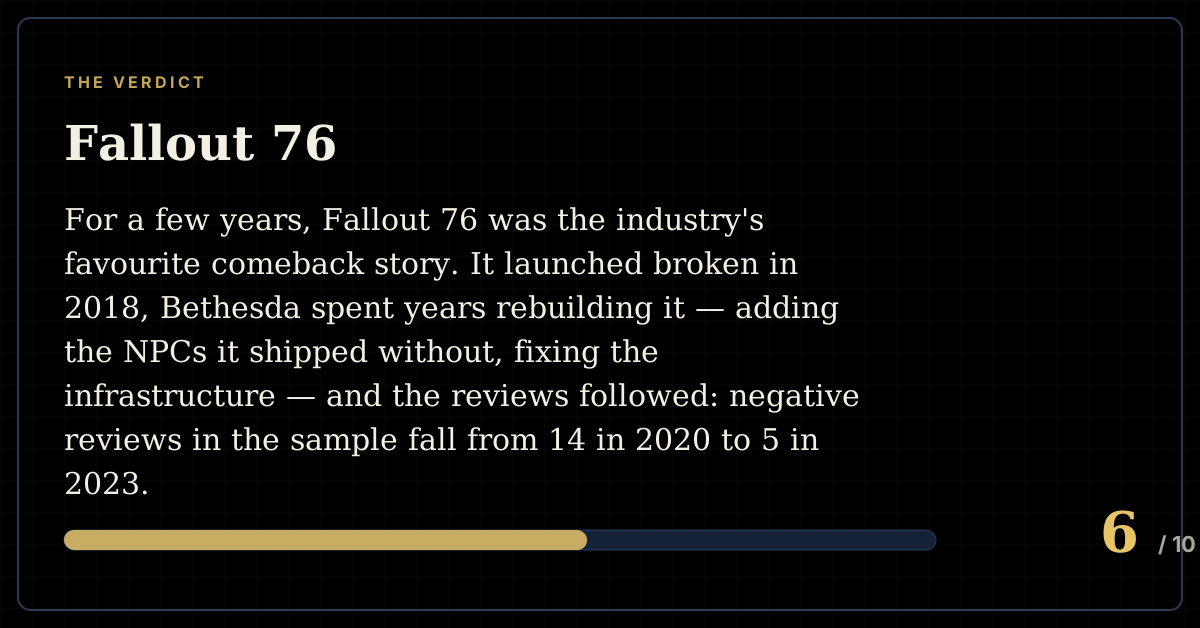
For a few years, Fallout 76 was the industry's favourite comeback story. It launched broken in 2018, Bethesda spent years rebuilding it — adding the NPCs it shipped without, fixing the infrastructure — and the reviews followed: negative reviews in the sample fall from 14 in 2020 to 5 in 2023.
Then they went back up. 14 in 2024, **31 in 2025**, 17 so far in 2026. And this time the complaint isn't bugs — it's the economy. The game gives every item weight, caps your storage, and sells you the cap increase as a monthly subscription. Its longest-serving players, several with two to three thousand hours, describe a buy-to-play game that behaves like a free-to-play one unless you pay rent.
Biggest strengths
- A genuinely excellent map — Appalachia is among the best environments Bethesda has built
- Years of substantial free content, including the NPCs and quest structure the launch version lacked
- Still meaningfully supported into 2026, with 25 seasons, public boss events and new features
Biggest weaknesses
- Item weight and stash caps are the game's central friction, and the subscription is what removes them
- Negative reviews have risen sharply since 2024 after years of decline, driven by long-term players
- Seasonal and FOMO structures that reviewers say push engagement rather than reward it
Who it's for: Fallout fans who want to wander a beautifully-built wasteland with other people and can treat the storage limits as a design constraint rather than a sales pitch. Cheap enough now that trying it is low-risk.
Our recommendation: Buy it at the current 75% discount and decide within your refund window whether the inventory economy bothers you — that single system determines almost everyone's verdict. Do not subscribe on day one.
6 / 10
Everyone knows the Fallout 76 story. Catastrophic 2018 launch, years of patient rebuilding, a redemption arc so well-worn it became a genre of video essay. What almost nobody has noticed is that the arc reversed.
Sort the hundred most-helpful English negative reviews by year and the shape is unmistakable. 2020:
- 2021: 12. 2022: 7. 2023: 5. The repair was working, and the criticism was drying up. Then
2024: 14. 2025: 31. 2026 so far: 17.
Something changed, and it wasn't the bugs.
First, a date correction
Steam lists Fallout 76 as an April 2020 release. That's when it arrived on Steam — the game originally launched in November 2018 on Bethesda's own launcher, which is why a reviewer with 3,403 helpful votes opens with a story about being forced onto a launcher that Bethesda later abandoned. When you read the early reviews here, you're reading people arriving on Steam seventeen months into a game that had already had its disaster.
The repair was real
Give Bethesda this: they fixed an enormous amount. The Wastelanders update added human NPCs and proper questlines to a game that had shipped without them — a fix so fundamental it's hard to think of a comparable example. Expeditions, seasons, raids and public events followed. The infrastructure stabilised.
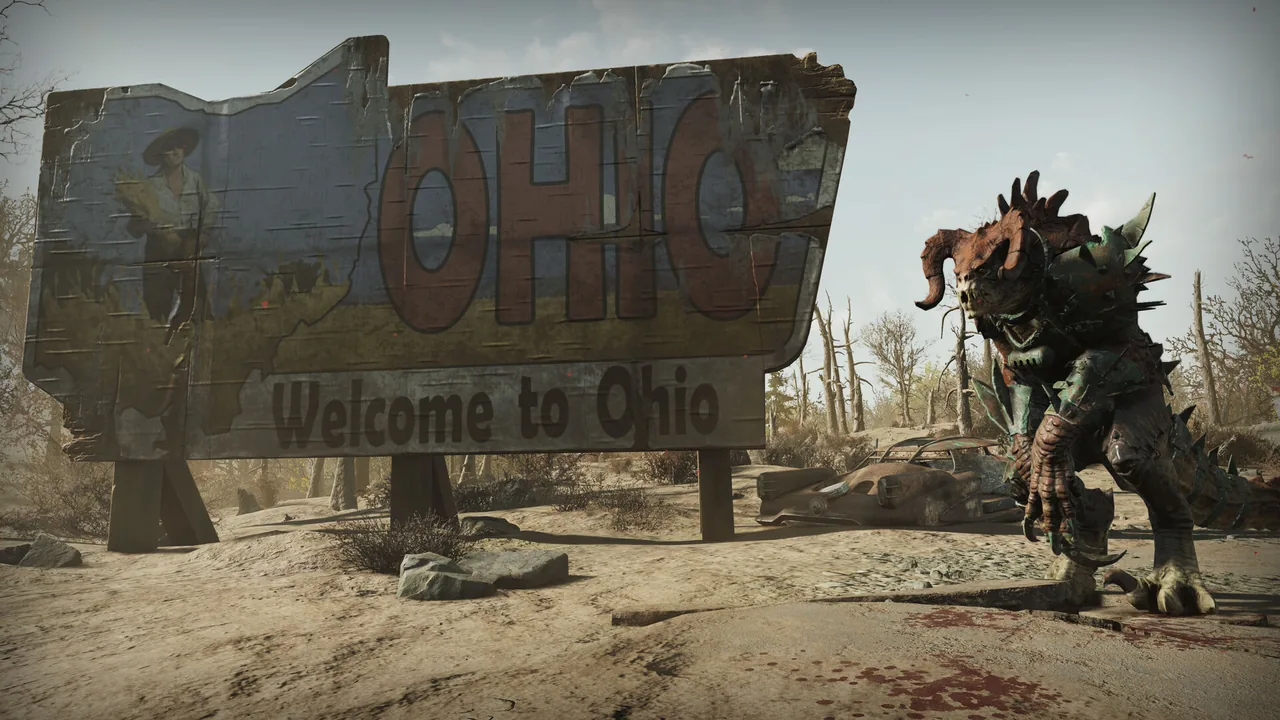
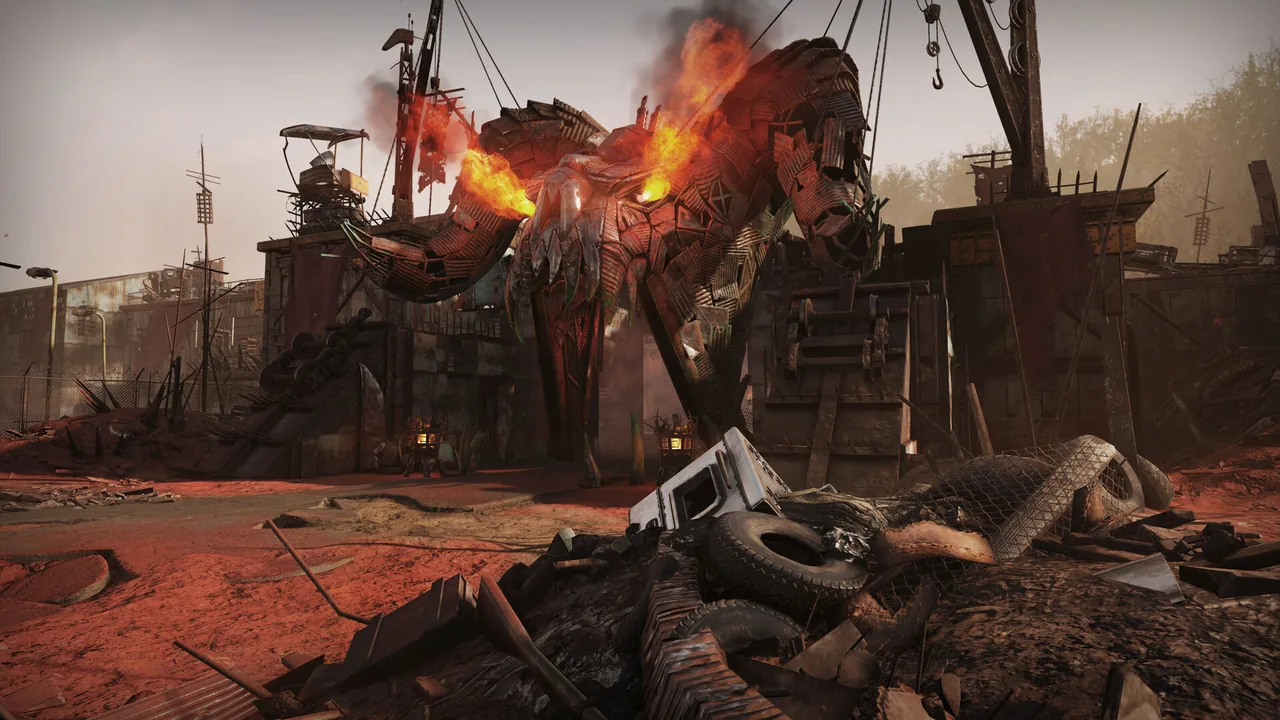
And Appalachia was always the good part. Bethesda's environmental design is the thing they do better than anyone, and the West Virginia map — mountain forests, cranberry bogs, a whole ruined civilisation of hand-placed detail — is among their best work. Even reviewers who despise everything else concede the exploring.
Support hasn't stopped. In 2026 alone: Infestations public boss battles in June, a long-requested pets update, season reward changes, native PlayStation 5 and Xbox Series versions in progress, and maintenance updates every few weeks. Twenty-five seasons in, this is a live game.
Then what happened in 2025?
The answer is in the keyword counts. Across those hundred negative reviews: pay 42, subscription 37, Atoms 24, shop 21, Fallout 1st 19, stash 17. Bugs appear 27 times. The dominant subject isn't whether the game works. It's what it costs.
The mechanism is elegantly awful, and a 364-hour reviewer with 5,313 votes laid it out years before the spike: "you're tied with a limited stash in terms of economy 'balance'. BUT, for a monthly fee, they're ready to forget about this principle and provide you with an unlimited junk stash." Every item has weight. Your storage is capped. Fallout 1st raises the cap.
A 380-hour reviewer in December 2025 reduces it to one line: "if you play without Fallout1st subscription, its basically playing inventory management simulator rather than an actual Fallout game." A 253-hour player in 2026 makes the constructive version — the extra storage "should be baseline for all players."
I've seen this pattern twice today in much smaller games: build a friction, then sell relief from it. What makes Fallout 76's version notable is the scale and the context — this is a NZ$69.95 buy-to-play game asking for a recurring payment to lift a limit it authored. As a 3,896-hour player puts it, "it's a buy to play game, where you feel like in worst f2p if you dont subscribe."
The 2025 wave adds a second charge: neglect. A player with 3,550 hours who has been there since 2018 writes that the fun is "buried beneath years of neglect, instability, and anti-consumer practices." Another, at 2,516 hours, says the studio "put more effort into trying to figure out ways to make money and screw the player rather than actual" content. A third, at 1,327 hours, calls the seasonal structure "a trap" that "preys on people who have Fear of missing out."
Note the playtimes. The median across the whole negative sample is 214.5 hours; the highest is 6,151. This is not a brigade. It's the people who stayed.
What that means for a buyer
Current sentiment sits at 69 of the last 100 English reviews positive, against 72.2% lifetime — a mild decline rather than a collapse, and recent reviewers have a 43-hour median, suggesting newer players are having a better time than the veterans.
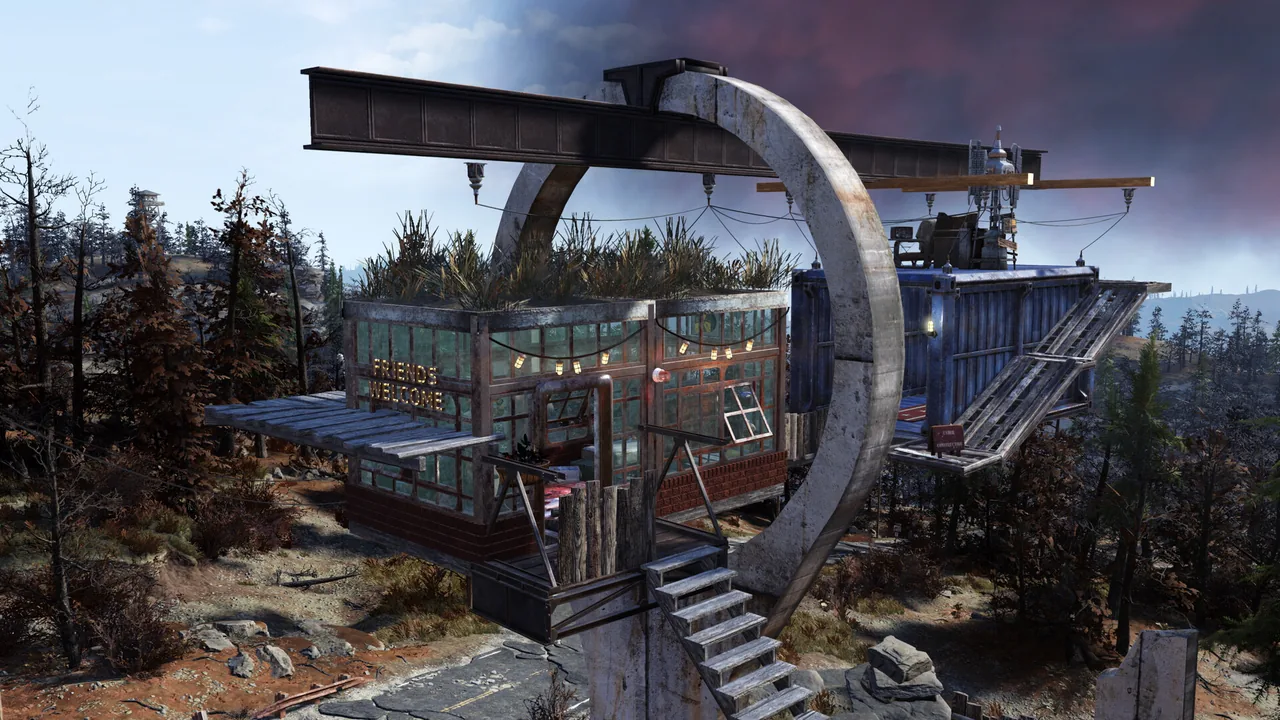
That tracks with the design. The storage economy doesn't bite in your first fifty hours. You explore a superb map, do quests that now have actual characters in them, join public events, and it's good. The complaints in this review are what happens at hour four hundred, when you're maintaining a camp, a wardrobe and a workshop against a cap.
There's a practical upshot: at NZ$17.48, buying it is cheap and low-risk, and the part of the game that's genuinely excellent is the part you get first. Just don't subscribe in week one — the whole question is whether the limits eventually annoy you enough, and you can't answer that yet.
The verdict
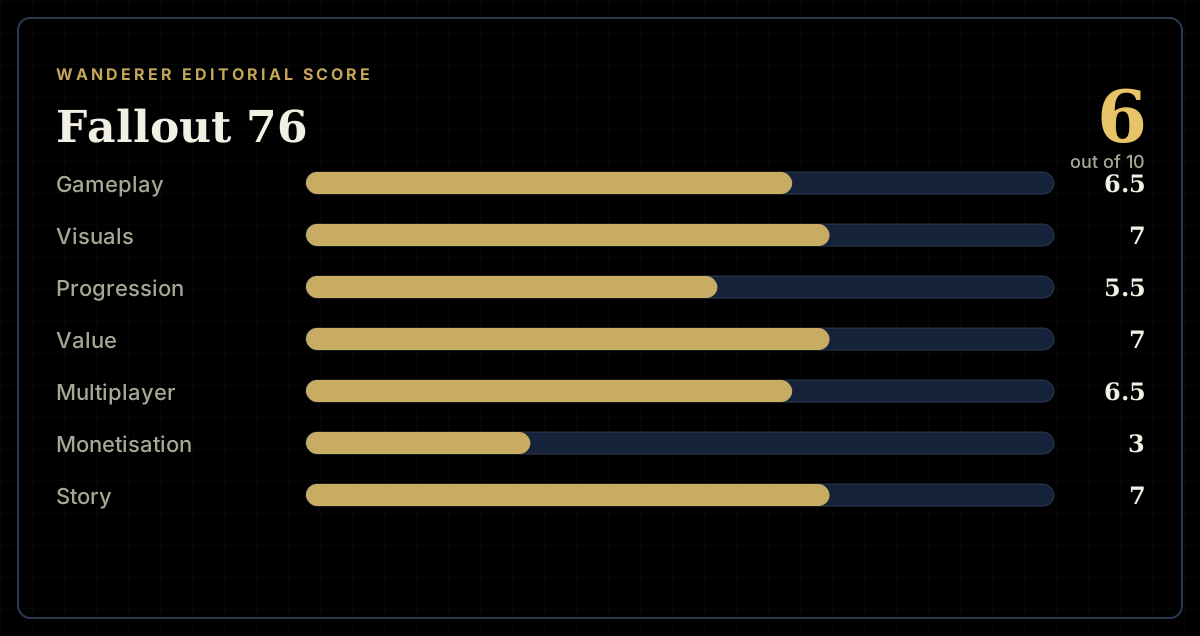
Fallout 76 earns a 6. The map is a 9, the free content added since 2018 is a real achievement, and the game is still being meaningfully updated eight years on, which few live-service RPGs manage.
It sits at 6 because of what the economy does to the long game. A shared-world Fallout should reward the packrat instinct the series is built on; instead it taxes it, and then sells the exemption monthly. That design is why negative reviews tripled between 2023 and 2025 while the bugs were getting better, and it's why the players with three thousand hours are the angriest ones.
Buy it on discount for the wasteland. Treat Fallout 1st as the review's central question rather than a convenience, and remember that Fallout 4 will let you carry as much junk as you like for a one-off price.
Pros and cons
Pros
- A genuinely excellent map — Appalachia is among the best environments Bethesda has built
- Years of substantial free content, including the NPCs and quest structure the launch version lacked
- Still meaningfully supported into 2026, with 25 seasons, public boss events and new features
- Public events make shared-world play feel cooperative rather than competitive
- At NZ$17.48 there is an enormous amount of game here for the money
Cons
- Item weight and stash caps are the game's central friction, and the subscription is what removes them
- Negative reviews have risen sharply since 2024 after years of decline, driven by long-term players
- Seasonal and FOMO structures that reviewers say push engagement rather than reward it
- Engine problems persist, including reports of instability above 60fps
- Bugs and stability complaints continue eight years after the original launch
Screenshots
-
Fallout 76Image: Bethesda Softworks via Steam -
Fallout 76Image: Bethesda Softworks via Steam -
Fallout 76Image: Bethesda Softworks via Steam -
How the review scores each part of the gameWanderer Editorial -
The short versionWanderer Editorial