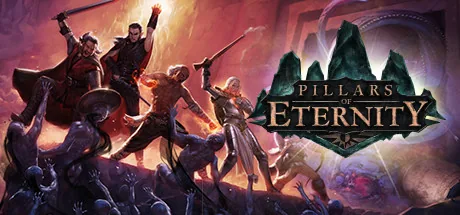
Game review
Pillars of Eternity
8 / 10
- Developer
- Obsidian Entertainment
- Publisher
- Xbox Game Studios
- Released
- 26 March 2015
- Platforms
- Windows, macOS, Linux
- Genre
- CRPG
- Monetisation
- One-time purchase at NZ$49.95 with a single expansion. No microtransactions. Checked 4 August 2026.
- Players
- Single-player only
The short version
Obsidian took twenty years of Infinity Engine design, rebuilt it without the D&D licence, and wrote an original world dense enough to need a glossary. Eora is genuinely one of the best-realised fantasy settings in games — souls, reincarnation and a religion problem that turns out to be the plot — and the class and attribute systems reward planning in a way modern RPGs rarely bother with. It is also slow to grip, buried in text, and saddled with an attribute design that confuses people for good reasons. The achievement data is blunt about it: under half of buyers finish the first act. Those who do tend to stay for eighty hours.
Biggest strengths
- Eora is an outstanding original setting — the metaphysics of souls and reincarnation drive the plot rather than decorating it
- Deep, legible character systems where attributes, classes and talents interact in ways worth planning around
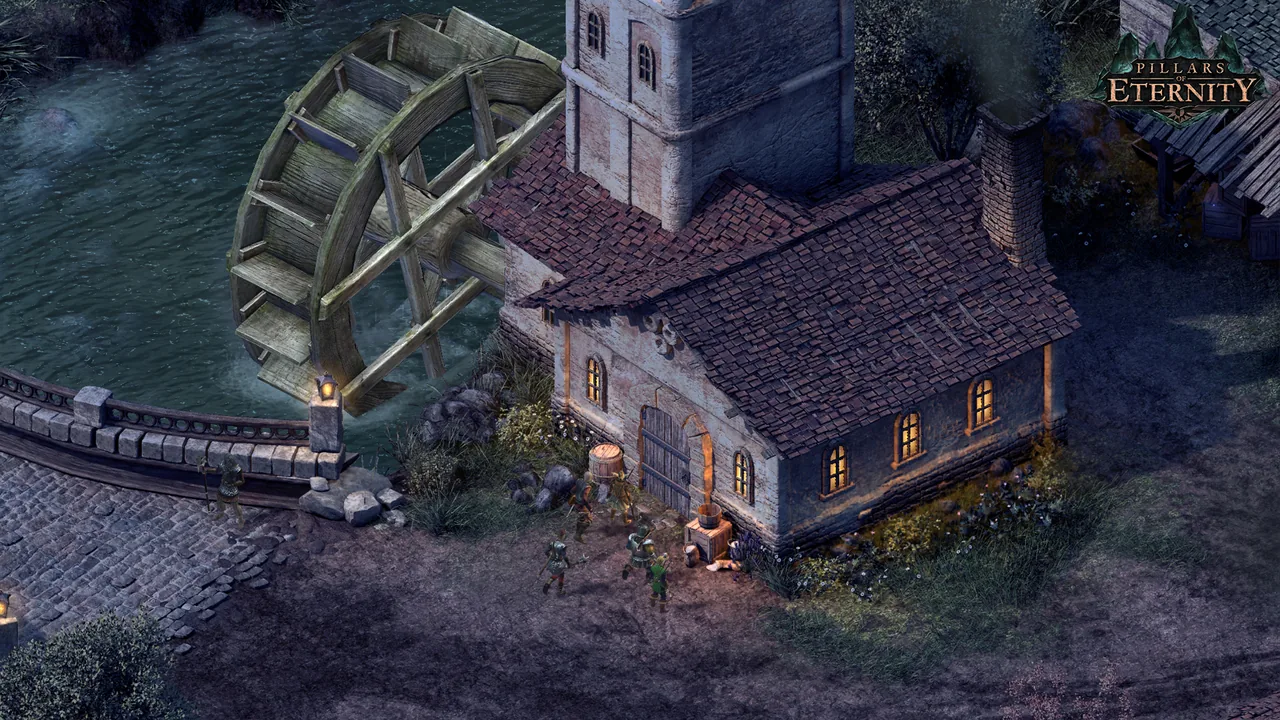
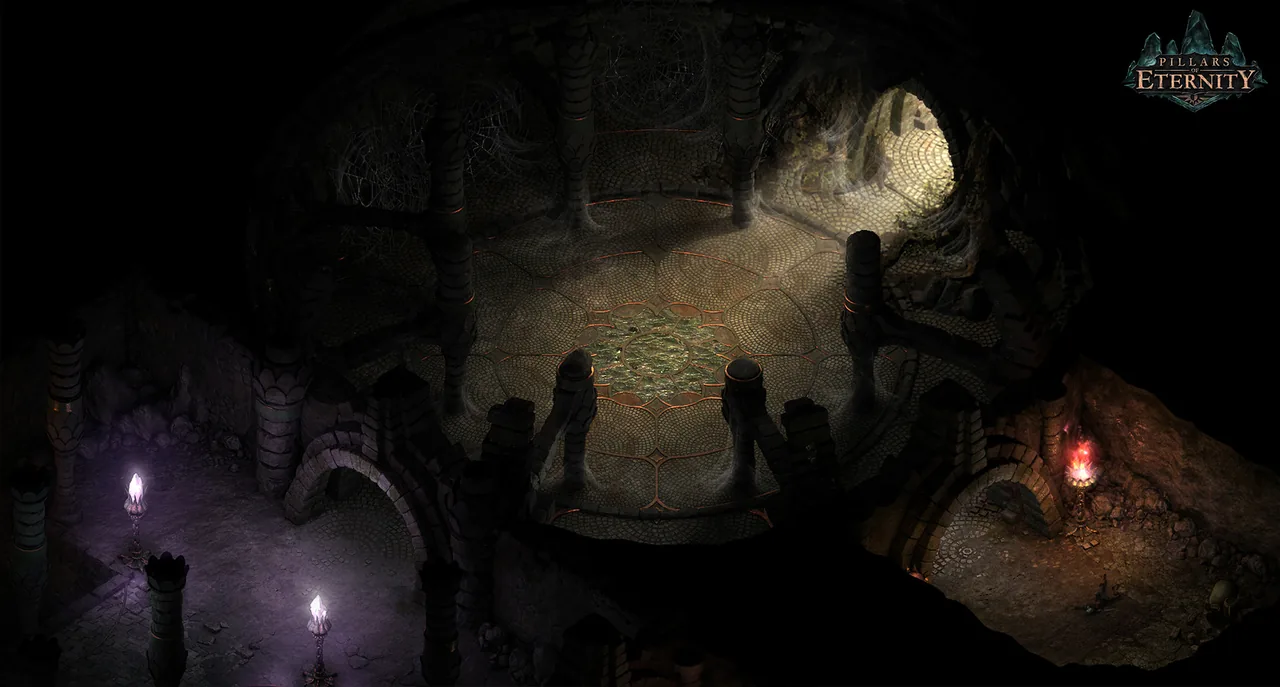
- Hand-painted environments that have aged far better than contemporaneous 3D RPGs
Biggest weaknesses
- Under half of all buyers complete Act I, and only about a quarter finish Act II
- The volume of exposition and lore is genuinely excessive, and several reviewers describe it as a chore that kills any desire to replay
- The Might attribute governing both physical damage and spell power is the single most persistent system complaint and reads as unintuitive to most players
Who it's for: Players who want a proper party-based CRPG with systems to master and a world worth reading about, and who have the patience for a slow first ten hours. Not for anyone hoping for Baldur's Gate 2 specifically, and not for players who skip dialogue.
Our recommendation: Buy it, and use the turn-based mode if real-time-with-pause has ever put you off this genre — it was added years after release and recent reviewers report it converting them outright. Push past the opening town; the game's reputation for being a slog is earned in its first act and largely undeserved afterwards. And do read the attribute descriptions carefully before you build a character, because Might governs both weapon damage and spell power, which is not what your instincts will tell you.
8 / 10
46.5% of everyone who owns Pillars of Eternity has completed Act I. About 27% have finished Act II.
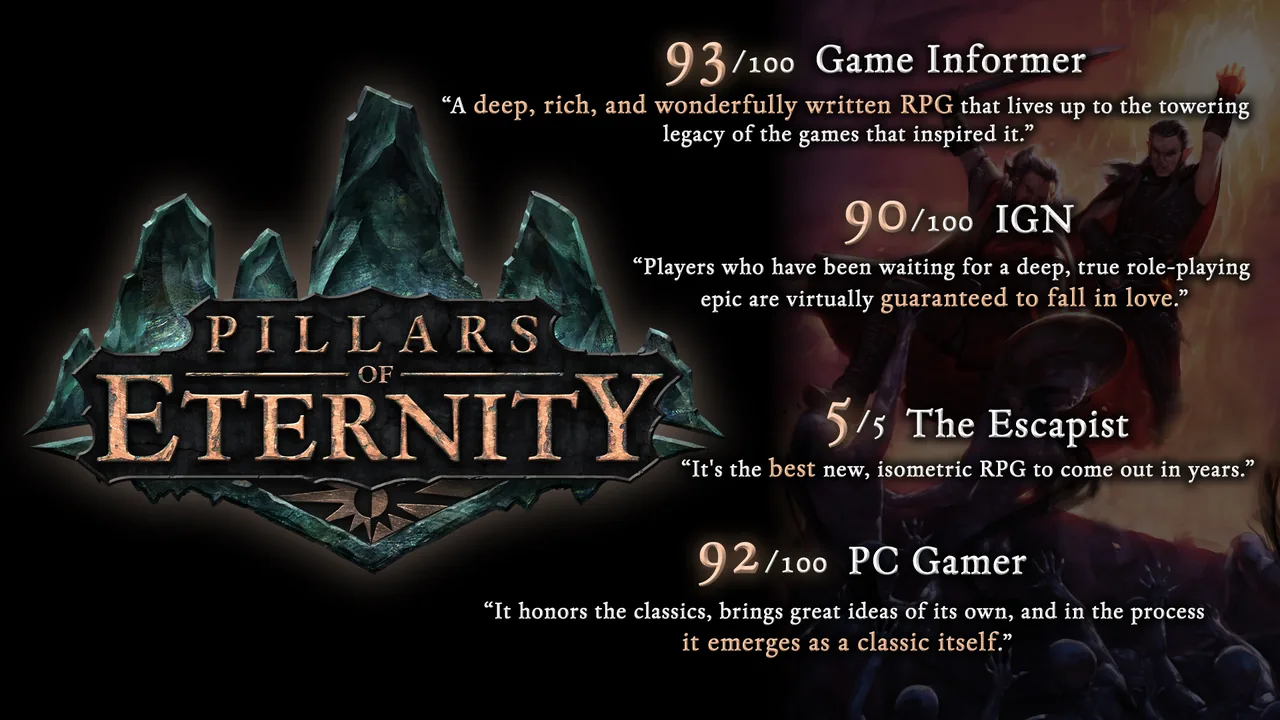
For a game with an 88% review score, that's a startling pair of numbers, and they're the most honest description of this game I can give you. Pillars is very good and it is very hard to start.
What Obsidian actually built
The pitch in 2012 was straightforward: give the people who made Fallout: New Vegas and the Infinity Engine classics enough money to make a proper isometric party RPG again, without a licence dictating the rules.
What came back was a world rather than a homage. Eora runs on souls — they're real, they're measurable, they reincarnate, and the setting's central crisis is a theological and biological one about where they go and who has been interfering. Your character can see them. That isn't flavour draped over a fantasy kingdom; it's the engine of the plot, and it produces a story that could not be told in a Forgotten Realms game.
The systems are similarly deliberate. Six attributes that apply to every class, an unusually clean health-and-endurance split that makes attrition matter across a dungeon rather than a fight, and classes with genuinely distinct rhythms. Building a party here is a planning exercise, and the game respects you enough not to explain the interactions.
The stronghold gives the middle of the campaign somewhere for money to go, and the hand-painted backgrounds have aged conspicuously better than the 3D RPGs of the same period. Median recent playtime is eighty hours; one recent reviewer has logged over 2,400.
The systems are the reason to stay
It's worth being specific about what Pillars does mechanically, because "deep CRPG systems" is a phrase that hides the interesting part.
Health and endurance are separate. Endurance is the per-fight pool that drops and regenerates; health is the long pool that only recovers when you rest, and rests are limited by camping supplies you have to buy or find. So winning a fight isn't binary. You can win five encounters and still be forced out of a dungeon because your front line has bled health down to nothing, and pushing one room further is a genuine gamble. It turns a dungeon into a campaign rather than a series of independent battles — the same attrition logic Darkest Dungeon built its whole identity on, arriving here first and with more nuance.
Abilities are split per-encounter and per-rest. Your reliable tools come back every fight, so you're never reduced to plinking with a crossbow because you spent your good spells an hour ago — but the powerful ones are still finite across an expedition. That single division solved the oldest pacing problem in the genre, and modern RPGs have been quietly copying it ever since.
Engagement makes position matter. Melee characters lock enemies in place, and breaking away earns a free hit. It sounds small; it's what stops fights collapsing into a scrum and makes a front line a real thing you build and maintain rather than a formation you draw once.
Put those together and combat rewards preparation over reaction: the right party composition, the right opening, an understanding of what your durability budget looks like across the next hour. That is a genuinely different pleasure from the tactical puzzle of a turn-based game, and it's why people with two thousand hours are still writing reviews of a decade-old RPG.
None of it is explained well. All of it is worth learning.
Why so many people stop
Three reasons, and they're all in the reviews.
The text. This is the most common substantive complaint and it's fair. Pillars introduces an enormous amount of world material — peoples, gods, nations, wars, a whole glossary of terms — early and fast, before you have any reason to care. One reviewer describes it as reading an amateur fantasy novel's appendix; another, who finished the game, says the volume of dialogue and lore is precisely why they'll never replay it. The writing is good. There is simply too much of it arriving too early.
The comparison. Almost every negative review measures this game against Baldur's Gate 2, and it was made to invite exactly that. Reviewers say the world feels smaller, the companions less memorable, the choices less consequential. One calls it a rushed homage rather than a spiritual successor; another diagnoses a fanservice-induced identity crisis, which I think is the sharpest formulation available. Pillars is caught between reproducing a twenty-year-old game and being its own thing, and it doesn't fully commit either way.
Might. The attribute complaint recurs for a decade. Might governs both physical damage and spell power, so your wizard wants the strength stat. There's a coherent design argument — it's soul force, not muscle, and it stops casters dumping physical attributes — but it fights every instinct a D&D-trained player has, and reviewers with a hundred-plus hours still cite it as the thing that made the system feel arbitrary.
The update that changed the answer
Here's the practical thing a 2026 review can tell you that a 2015 one couldn't: there's a turn-based mode now, added long after release.
Real-time-with-pause is the genre's biggest filter. It asks you to manage six characters in continuous time by pausing constantly, and plenty of people who love tactical combat simply cannot enjoy it. One recent reviewer says outright that they bought the game years ago, never got into it because the combat felt as bad as old Baldur's Gate and Icewind Dale, and fell in love with it once turn-based mode existed.
If that's you — and given how many people bounce in Act I, it's some of you — this is a different purchase than it was ten years ago.
8.0 out of 10. Rated 8.0 out of 10.
Pillars of Eternity did the thing it was funded to do: it proved the isometric party RPG was commercially alive, and everything since — Divinity: Original Sin 2, Baldur's Gate 3, a decade of smaller CRPGs — walked through the door it opened. Eora deserves its reputation, the systems are excellent, and eighty hours is a lot of game for the money.
It doesn't reach the top tier because a game whose first act loses more than half its buyers has a structural problem, not a taste problem. Front-load less lore, introduce the world through incident rather than glossary, and this is a 9. As it stands: superb once it opens up, and you have to mean it for the first ten hours.
Pros and cons
Pros
- Eora is an outstanding original setting — the metaphysics of souls and reincarnation drive the plot rather than decorating it
- Deep, legible character systems where attributes, classes and talents interact in ways worth planning around
- Hand-painted environments that have aged far better than contemporaneous 3D RPGs
- The stronghold gives the mid-game a management layer and a reason to bank money
- An optional turn-based mode added post-release makes the combat accessible to players who bounce off real-time-with-pause
- Median recent playtime of eighty hours, with committed players logging thousands
Cons
- Under half of all buyers complete Act I, and only about a quarter finish Act II
- The volume of exposition and lore is genuinely excessive, and several reviewers describe it as a chore that kills any desire to replay
- The Might attribute governing both physical damage and spell power is the single most persistent system complaint and reads as unintuitive to most players
- Frequently compared unfavourably to Baldur's Gate 2 by the very audience it was made for
- The critical path is more linear than the genre's reputation suggests, with fewer consequential choices than expected
- At NZ$49.95 it is priced above better-regarded modern competitors
Screenshots
-
Pillars of EternityImage: Xbox Game Studios via Steam -
Pillars of EternityImage: Xbox Game Studios via Steam -
Pillars of EternityImage: Xbox Game Studios via Steam -
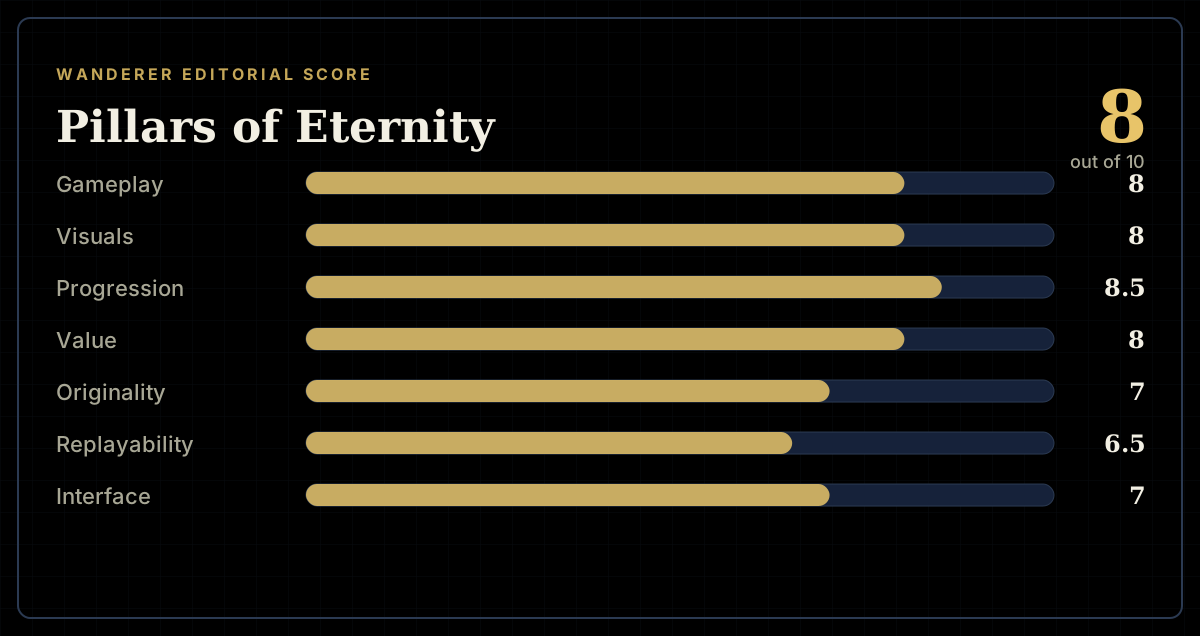
How the review scores each part of the gameWanderer Editorial -
The short versionWanderer Editorial