Game review
Sektori
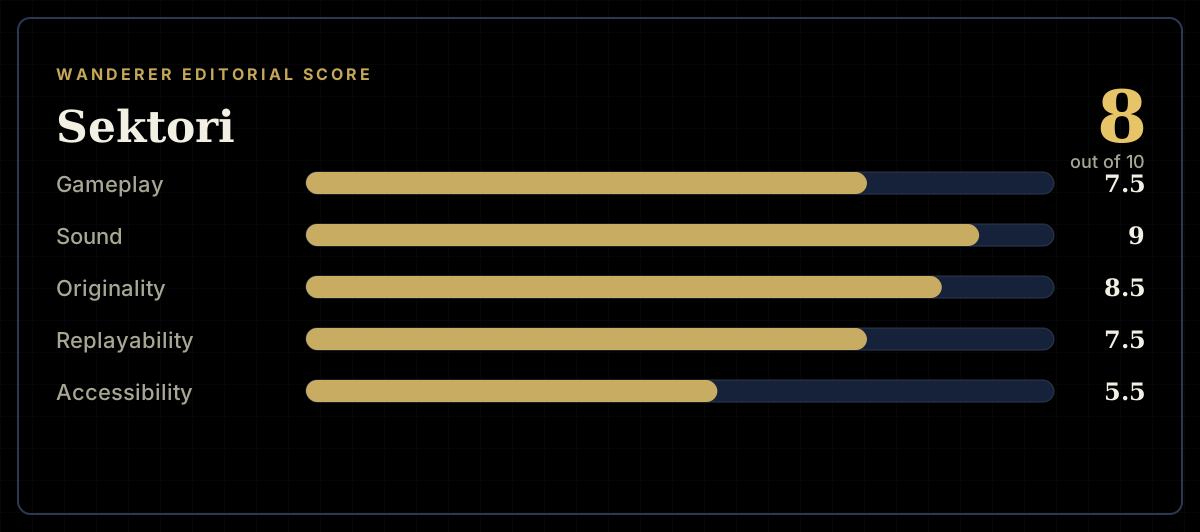
8 / 10
- Developer
- Kimmo Lahtinen
- Publisher
- Kimmo Factor Oy
- Released
- 18 November 2025
- Platforms
- Windows
- Genre
- Twin-Stick Shooter
- Monetisation
- One-off premium purchase, no DLC, no in-app purchases and no premium currency
- Players
- None. Single-player only, with online Steam Leaderboards for score chasing
The short version
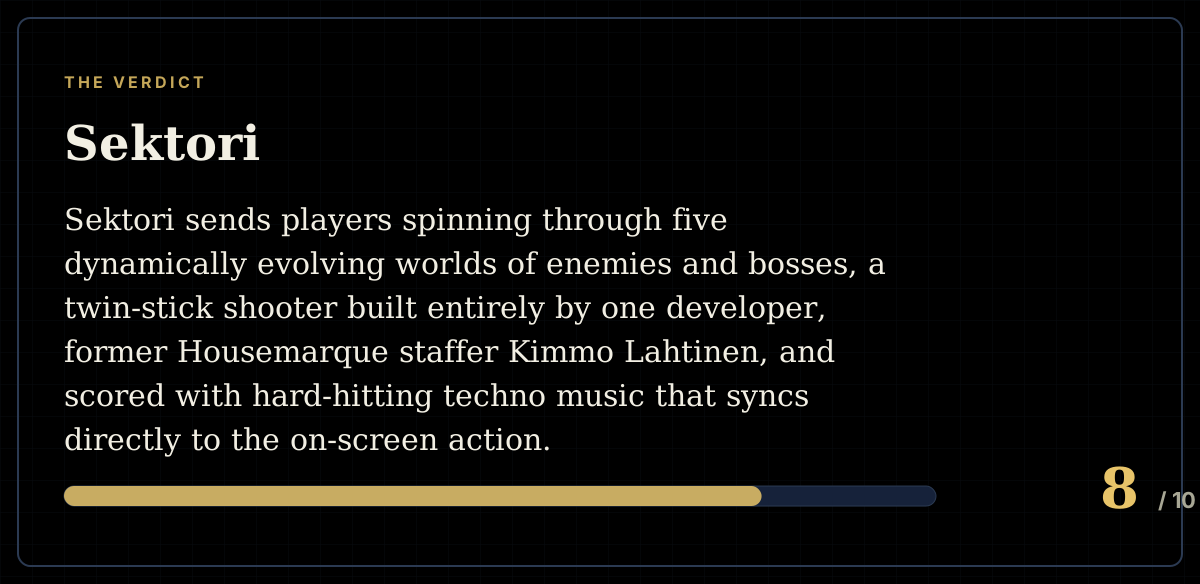
Sektori sends players spinning through five dynamically evolving worlds of enemies and bosses, a twin-stick shooter built entirely by one developer, former Housemarque staffer Kimmo Lahtinen, and scored with hard-hitting techno music that syncs directly to the on-screen action. Overwhelmingly Positive across 840 Steam reviews with a 93 Metascore, it's repeatedly, specifically compared by its own fans to Geometry Wars — several calling it a genuine improvement on that series' formula, and more than one review invoking the phrase "criminally underrated" to describe how little attention the game has received relative to its quality. What keeps this review from simply celebrating that acclaim is a real, widely shared complaint even among enthusiastic reviewers: a difficulty curve several describe as steep and unevenly explained, with a gap between the game's easier and harder modes that a number of otherwise sympathetic players say leaves little room in between, compounded by upgrade and "deck" systems some reviewers found genuinely under-explained on a first playthrough. Checking the developer's own patch history confirms real, direct responses to some of the clarity complaints — accessibility options for visual clarity and danger-zone visibility shipped in a December 2025 update — though the core difficulty-curve gap itself doesn't appear to have been substantially rebalanced as of the most recent patch.
Biggest strengths
- Widely, specifically praised as a genuine evolution of the Geometry Wars formula, with several reviewers — including ones with deep genre history — calling it better than any entry in that series
- The synchronisation between the hard techno soundtrack and on-screen action draws near-universal, specific praise as one of the game's defining, most memorable achievements
- A genuinely deep structure for a game this size — five campaign worlds, six alternate modes, three difficulty tiers and online leaderboards — gives dedicated players real long-term goals
Biggest weaknesses
- A steep, unevenly explained difficulty curve is the review sample's most consistently repeated complaint, with several reviewers — including genre veterans — describing a specific gap between an "Experience" mode some find too easy and a "Challenge" mode many find punishingly hard
- The upgrade and "deck" systems draw specific, repeated criticism for being under-explained, with some reviewers reporting genuine confusion about what individual upgrades actually do during a run
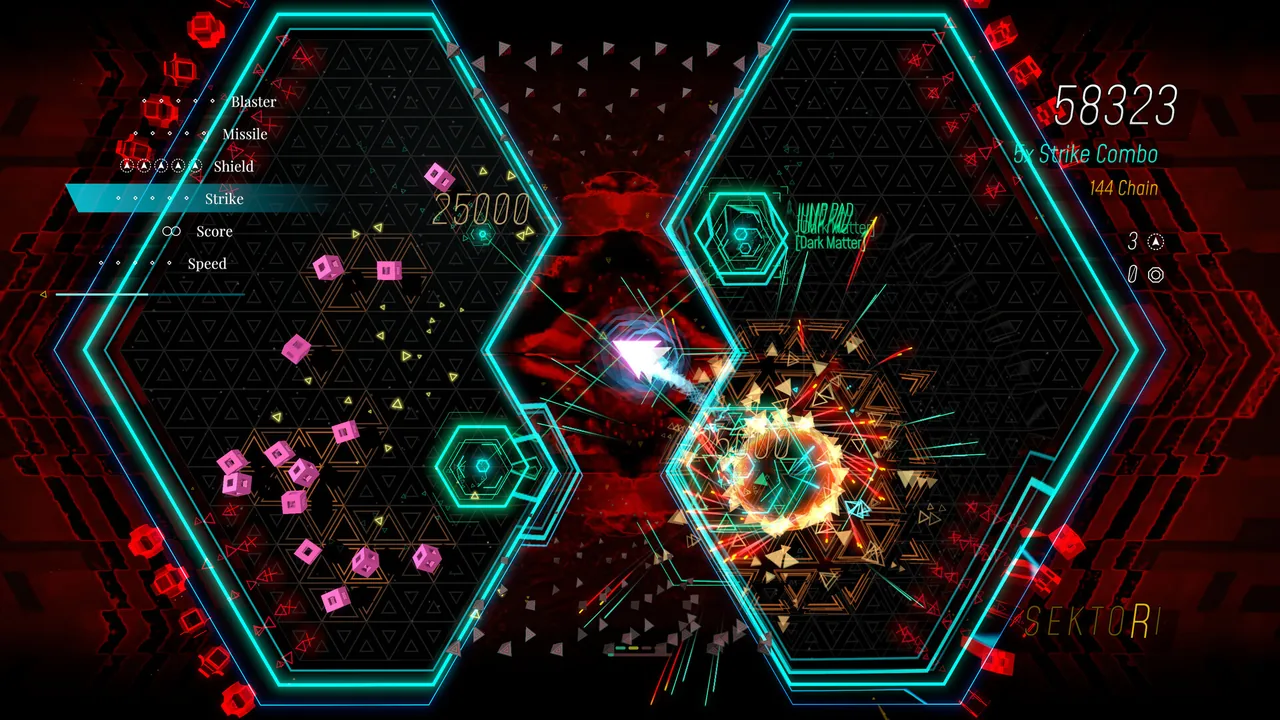
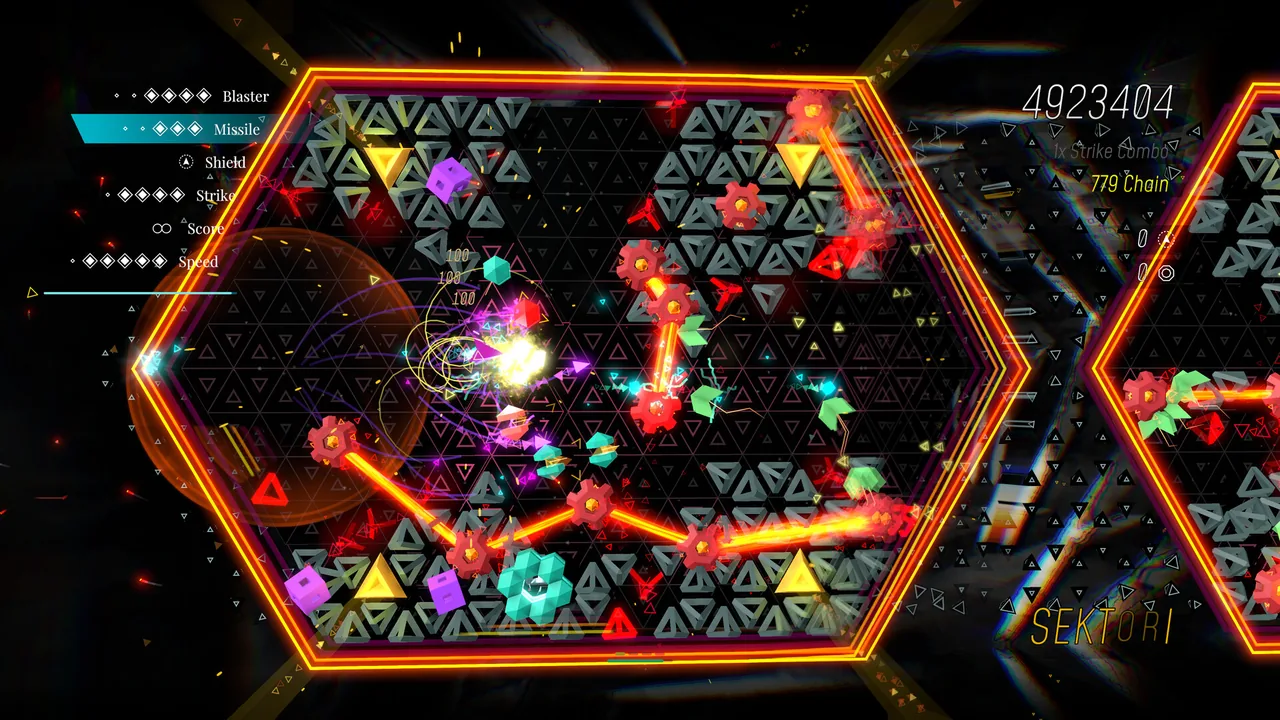
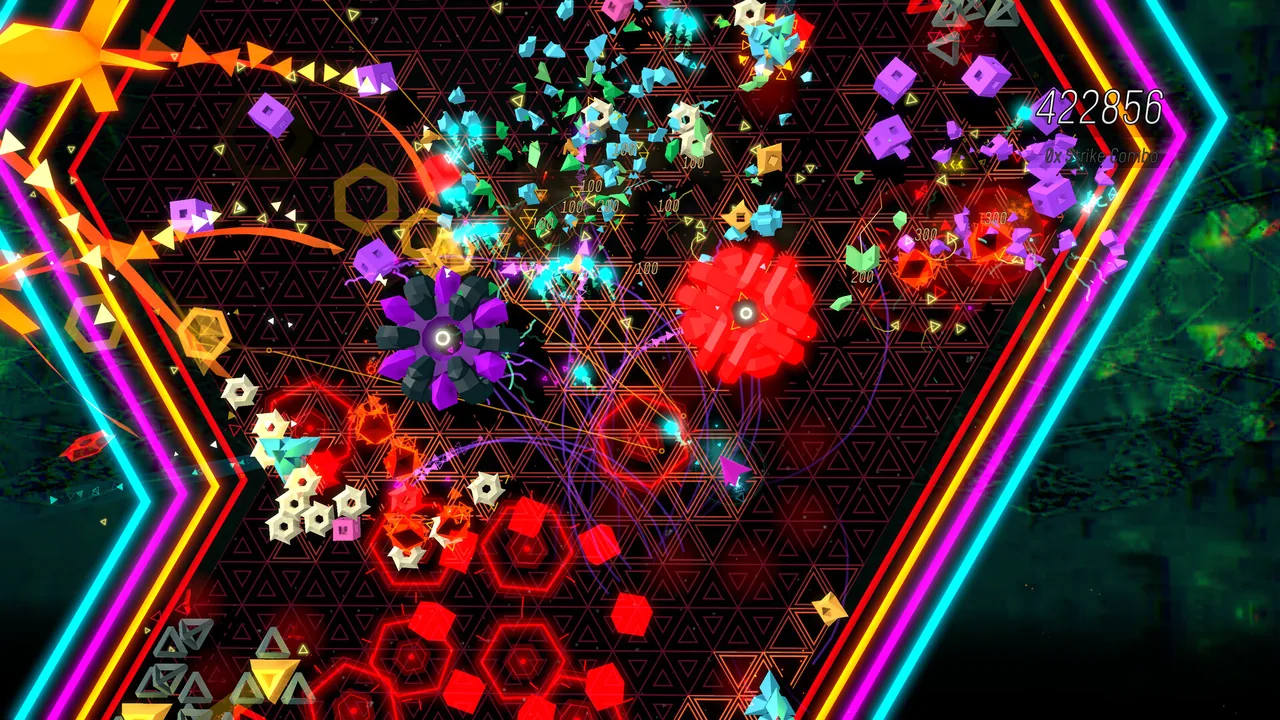
- Some reviewers describe the screen becoming visually overwhelming during intense sequences, with no way to reduce visual effects for clarity
Who it's for: Arcade shooter and bullet-hell fans, especially those with real history in Geometry Wars or similar high-intensity twin-stick games, who are prepared for a genuinely demanding difficulty curve.
Our recommendation: A genuine, critically vindicated arcade shooter achievement from a talented solo developer — one of the best in its genre in years for players willing to push through a real, honestly steep learning curve.
8 / 10
Solo-developed games rarely earn comparisons to a genre-defining series from players who've spent decades with that series, but Sektori, released 18 November 2025 by former Housemarque staffer Kimmo Lahtinen, does so consistently and specifically. Overwhelmingly Positive across 840 Steam reviews with a 93 Metascore, it's a twin-stick shooter built entirely by one person, wrapped in a hard-hitting techno score that syncs directly to the on-screen chaos. Understanding both why the comparisons to Geometry Wars are so persistent and specific, and being honest about a real, widely-shared difficulty complaint even among the game's biggest fans, is what this review sets out to do.
A genuine, specific evolution of the arcade shooter
The Geometry Wars comparison recurs with unusual specificity across the sample, often from reviewers establishing real credibility with the genre first. "Both the Geometry Wars series and Finnish developer Housemarque are legendary entities in my mind," one detailed review states before concluding Sektori "outdoes their output and sets a new standard." Another, more direct: "Honestly, this game is probably better than Geometry Wars 2, and that's really saying something." A third frames the achievement in blunt counterfactual terms: "If Activision didn't suck so hard they would have kept on releasing Geometry Wars games, we'd be on like Geometry Wars 7 by now and it would probably look something like this." That specificity — not vague praise, but detailed genre comparison from players with real history in the space — lends real weight to the acclaim.
The integration of music and gameplay draws its own sustained, specific credit as the game's defining achievement. "The high-adrenaline visuals, music, and gameplay come together to transport you into another state of consciousness," the game's own description states, and reviewers consistently confirm that ambition lands in practice: "the way the intense action combines with the music makes for some profound moments," one review notes. Several reviewers express genuine disbelief that the whole project — five campaign worlds, six alternate modes, evolving bosses, a full soundtrack — was built by one person: "This is an Artisan at work," one review states simply.
A real, widely shared difficulty and clarity problem
What tempers that acclaim across a meaningful share of the sample, including reviewers who ultimately recommend the game, is a specific, recurring complaint about difficulty and how well the game explains itself. "Insanely difficult. Very frustrating after an hour and a half of dying every 5 minutes. I was never left with a feeling of 'I am getting better,' but rather 'I will never be able to do this,'" one review states. A reviewer with genuinely strong credentials in demanding games raises the same concern from a different angle: "I'm historically quite good at competitive video games... I beat Soulsborne bosses pretty quick, often first try. I can barely ever make any progress even on" the base difficulty. Several reviewers specifically identify a gap between the game's difficulty tiers as the core problem rather than difficulty itself: "Like others have stated, Experience is too easy and Challenge is too hard," one review states, a complaint echoed closely by others describing the same missing middle ground.
A related, more specific criticism concerns the upgrade and "deck" systems that shape each run. "Upgrades need to explain what they do when choices are given to you. We shouldn't be expected to memorize all upgrade descriptions at the main menu before actually playing," one review states, while another describes genuine confusion during play: "No idea what the evolver things are supposed to do... 90% of the time I pick one up it gives me about 3 seconds of faster attack speed then goes back to normal." A smaller thread raises visual clarity during the game's busiest moments: one reviewer specifically requested the ability to reduce on-screen effects, describing the game as "visually too crowded with no ability to turn off effects against clarity."
A studio responding to some, not all, of that feedback
To Lahtinen's credit, checking the developer's own patch history directly confirms a real, if partial, response to this feedback. Version 1.0.1, released in December 2025 alongside Steam Deck verification, added specific accessibility options directly addressing the clarity concerns raised above: a thicker strike reload indicator line, a high-visibility danger-zone display option, and added invulnerability time when triggering the game's "rainbow mode." That's genuine, dateable evidence the developer engaged directly with community feedback about visual clarity. What this review can't confirm, based on the patch notes available through version 1.0.3 in July 2026, is that the core difficulty-curve gap between the Experience and Challenge tiers — the single most consistently repeated complaint in the sample — has been substantially rebalanced; the patches released since launch skew toward bug fixes, optimisation and smaller tweaks rather than a broad difficulty overhaul.
A quiet commercial frustration
A smaller but recurring thread in the sample concerns the game's visibility rather than its design. "It's criminal how unknown this game is. Dev made the next evolution of a twin stick shooter, completely nailed it, and it got overlooked and buried under all the trash on steam," one review states, a sentiment echoed by several others expressing genuine surprise at how little attention the game has received relative to its critical reception. A confirmed physical PS5 and Nintendo Switch 2 release, opened for pre-order in July 2026, suggests the game has found real commercial footing beyond Steam even if its digital PC audience remains smaller than its reviews would suggest it deserves.
Where this leaves a buyer
At NZ$24.99, Sektori delivers a genuinely accomplished, specifically praised arcade shooter — the comparisons to Geometry Wars from players with real history in the genre are earned, and the integration of music and gameplay is a real, distinctive achievement for a solo-developed project. The honest, necessary caveat, raised consistently by reviewers on both sides of the recommendation line, concerns a real difficulty and clarity gap: a challenge curve several genuinely skilled players describe as punishing rather than rewarding, and upgrade systems that could use clearer in-game explanation. Players with real history in demanding arcade shooters, and patience for a genuine learning curve, are likely to find one of the best games in the genre in years. Players hoping for a gentler on-ramp should know upfront that the gap between "too easy" and "too hard" is a real, currently unresolved design tension rather than a solved problem.
Pros and cons
Pros
- Widely, specifically praised as a genuine evolution of the Geometry Wars formula, with several reviewers — including ones with deep genre history — calling it better than any entry in that series
- The synchronisation between the hard techno soundtrack and on-screen action draws near-universal, specific praise as one of the game's defining, most memorable achievements
- A genuinely deep structure for a game this size — five campaign worlds, six alternate modes, three difficulty tiers and online leaderboards — gives dedicated players real long-term goals
- Remarkable for a solo-developed project, with reviewers repeatedly expressing disbelief that one person built something this polished and mechanically dense
Cons
- A steep, unevenly explained difficulty curve is the review sample's most consistently repeated complaint, with several reviewers — including genre veterans — describing a specific gap between an "Experience" mode some find too easy and a "Challenge" mode many find punishingly hard
- The upgrade and "deck" systems draw specific, repeated criticism for being under-explained, with some reviewers reporting genuine confusion about what individual upgrades actually do during a run
- Some reviewers describe the screen becoming visually overwhelming during intense sequences, with no way to reduce visual effects for clarity
- Despite strong critical reception, several reviewers describe the game as under-discovered relative to its quality, a real commercial frustration for a genuinely accomplished solo project
Screenshots
-
SektoriImage: Kimmo Factor Oy via Steam -
SektoriImage: Kimmo Factor Oy via Steam -
SektoriImage: Kimmo Factor Oy via Steam -
How the review scores each part of the gameWanderer Editorial -
The short versionWanderer Editorial