Game review
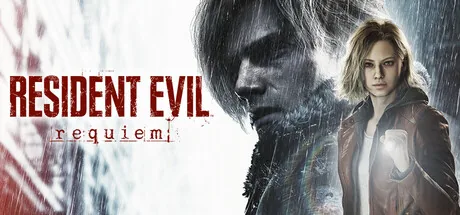
Resident Evil Requiem
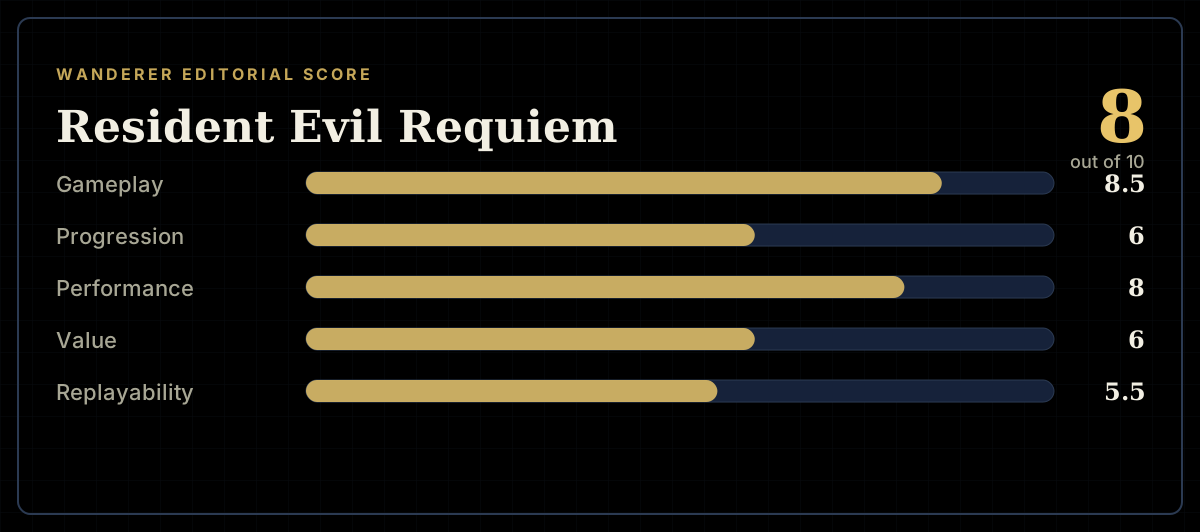
8 / 10
- Developer
- CAPCOM Co., Ltd.
- Publisher
- CAPCOM Co., Ltd.
- Released
- 26 February 2026
- Platforms
- Windows
- Genre
- Survival Horror
- Monetisation
- One-off premium purchase, with a separate paid Deluxe Kit and cosmetic costume DLC; no in-app purchases and no premium currency; no story expansion has shipped as of this review, though industry insider reporting suggests one is planned for late 2027
- Players
- None. Single-player only, split between two playable protagonists whose campaigns intertwine
The short version
Resident Evil Requiem splits its campaign between FBI analyst Grace Ashcroft, whose investigation into a decaying Raccoon City care centre delivers some of the series' most acclaimed survival horror in years, and returning agent Leon S. Kennedy, whose action-driven back half draws a sharply different reaction. Overwhelmingly Positive across more than 104,000 Steam reviews, with a 92 Metacritic score and 8 million copies sold within months, the game is Capcom's biggest success of the year by nearly any measure — and the praise for Grace's opening hours is close to universal, even among reviewers who ultimately can't recommend the whole package. What keeps this review from simply celebrating that reception is how consistently, and in how much specific detail, a large share of the same sample describes a structural collapse once Leon's chapters take over: rushed pacing, a shorter-than-advertised campaign some clock at around eight hours, reused boss and location beats from earlier games, and a suspicion — echoed by since-published insider reporting that a story DLC isn't expected until late 2027 — that the game was built to leave room for paid expansion rather than tell a complete story at launch. A separate, smaller but genuine thread of criticism concerns Denuvo DRM and a since-clarified always-online requirement on a single-player game, both real points of friction this review can verify independently of reviewer sentiment.
Biggest strengths
- Grace Ashcroft's opening campaign at the Rhodes Hill Chronic Care Center draws close to universal praise as some of the series' strongest survival horror in years, blending tension, resource management and exploration with genuine confidence
- A detailed, persistent gore system and strong technical optimisation draw consistent praise across the review sample, including from reviewers otherwise critical of the game's story
- The blend of first-person horror (Grace) and third-person action (Leon) gives the game two genuinely distinct playstyles within one campaign, and many reviewers describe both as individually well executed even when they criticise how they're balanced against each other
Biggest weaknesses
- A large, detailed share of the review sample describes a sharp structural and tonal collapse once Leon's chapters take over from Grace's, with pacing, boss design and location reuse singled out repeatedly as feeling rushed relative to the strength of the opening hours
- Multiple reviewers report a full campaign length around eight hours, well short of what some expected for the price, with no Mercenaries mode or other bonus content at launch and insider reporting suggesting a story DLC isn't expected until late 2027
- A June 2026 update introduced a requirement to connect to the internet at least once every 24 hours to keep playing offline, a real point of friction for a single-player game that this review can independently verify was reported and discussed extensively by players
Who it's for: Resident Evil and survival horror fans generally, with the clearest recommendation for players most interested in Grace's opening campaign and more mixed appeal for those expecting a fully satisfying Leon-led back half.
Our recommendation: A genuine survival horror achievement in its first act and one of the series' most divisive back halves — worth playing for Grace's campaign alone, with realistic expectations set for what follows.
8 / 10
Few games this year have arrived with the weight Resident Evil Requiem carried into its 26 February 2026 launch. The ninth mainline entry in Capcom's flagship horror series, it returns players to Raccoon City to close out a storyline stretching back to the original 1998 outbreak, and it did so at a scale even by Resident Evil standards: a 344,000 concurrent-player peak on Steam, a 92 Metacritic score, and 8 million copies sold by Capcom's own quarterly report in late July. Overwhelmingly Positive across more than 104,000 Steam reviews, it's unambiguously one of the biggest releases of the year. What makes this review necessary to write in full, rather than simply echoing that reception, is how consistently — and in how much specific, detailed agreement — a substantial share of the very same review sample describes the game as two distinctly different experiences stitched together, one considerably stronger than the other.
Grace's campaign is the series at its best
The praise for the game's opening hours, spent almost entirely as FBI technical analyst Grace Ashcroft investigating a decaying care facility, is about as close to unanimous as reviews of a 100,000-review game get. "Resident Evil Requiem was one of those rare games where I genuinely enjoyed almost every moment. From the atmosphere to the story and choices at the end, this game kept me hooked the entire time," one review states, and that specific praise for atmosphere and tension recurs constantly. "The Rhodes Hill Chronic Care Center is designed way too well (basically means I was lost, scared, and stressed at the same time)," another notes approvingly, describing exactly the kind of disorientation the series has built its reputation on since its earliest entries. A reviewer who ultimately lands on a mixed overall verdict still singles out this section specifically: "The care center was such an incredible part of the game, I can see myself replaying it." First-person perspective for Grace's sections draws real, specific credit too, described by multiple reviewers as making the horror "worse in a good way" by removing the distancing effect of a third-person camera.
Beyond pure atmosphere, the game's gore and combat systems draw sustained technical praise from across the sample. "One of the most detailed gore systems in a game right now," one review states, describing a system that persistently tracks and visualises wounds. Optimisation and performance draw similarly consistent credit — "fantastic optimization" is a specific phrase used by more than one reviewer, including several otherwise critical of other aspects of the game, a notable technical achievement for a AAA horror title at this scale.
Leon's chapters divide the same audience that loved Grace's
What separates this game's reception from a simple "great horror game" story is how specifically and how often reviewers describe a structural break once the campaign shifts weight toward Leon S. Kennedy's more action-driven chapters. "The first half feels daring and tense. The second half collapses into hollow nostalgia and recycled Leon angst," reads one detailed, representative review. Another, more clinical: "It almost felt like they were two separate games that got combined to appease audiences that liked more action. Tons of potential to visit some nostalgic areas from the past but they were rushed through." A third describes the tonal whiplash in blunter terms: "the second half of the game is one of the most schizophrenic experiences in a video game. I seriously have no idea what happened to this game in the second half."
This isn't a fringe complaint from a small pocket of the negative sample — it recurs across reviews that otherwise land on a positive overall recommendation. "Not a bad game by any means, but for what it is and as a long time fan of the series: I cannot wholeheartedly recommend buying Requiem at full price, as I have found it to be one of the least replayable and inconsistent Resident Evil games to date," one such review states, still crediting the opening hours specifically. Several reviewers frame the specific mechanism of the collapse similarly: pacing that forces frequent, short switches between Grace and Leon early on, then abandons that structure for an extended, less-loved Leon stretch later, described by one reviewer as feeling "like a sludgier version of RE4 Remake Leon with even worse melee options."
A short campaign and a suspicion of DLC-shaped gaps
A related, more concrete complaint concerns length and completeness. "I finished it in 8 hours 16 minutes... this is nowhere near what some said to be 10-12 or 14-16 hours," one detailed review states, a specific runtime claim echoed by others describing the game as feeling unfinished. "It's pretty obvious a DLC will follow, which is annoying," another writes, arguing the story leaves enough threads dangling that a paid continuation feels inevitable rather than optional. This review can't independently confirm any individual reviewer's exact playtime, since completion speed varies significantly by playstyle, but the volume and specificity of similar complaints — and the total absence of a Mercenaries mode or other bonus content at launch, unusual for a mainline Resident Evil release — lends the underlying concern real weight. Notably, industry insider reporting published in late July 2026 states a story expansion for Resident Evil Requiem isn't expected until the end of 2027, which this review treats as unconfirmed but relevant context: even if accurate, it doesn't prove the base game was deliberately left incomplete to sell that expansion, but it does mean players hoping for a swift narrative continuation to the threads the second half leaves open shouldn't expect one soon.
DRM and connectivity friction, verified independently
Separate from the story debate, two more concrete points of friction are worth reporting plainly. The game shipped with Denuvo DRM, which drew backlash at launch compounded by community confusion over whether it included true kernel-level anti-cheat components; independent technical coverage clarifies that Denuvo's Anti-Tamper product, while a real and sometimes performance-costly form of DRM, is distinct from kernel-level anti-cheat systems like Riot Vanguard. That distinction doesn't erase the underlying concern: Capcom's two prior mainline Resident Evil releases also shipped with Denuvo, and it has been independently documented in the past — including in Resident Evil Village — causing measurable stuttering that was only uncovered because pirated, DRM-free copies ran noticeably better than legitimate purchases. Separately, a June 2026 update introduced a requirement to connect to the internet at least once every 24 hours in order to continue playing offline, a genuine, verifiable point of friction for a fully single-player game. "Why do I need an internet connection to launch a single player game?" one reviewer asks directly, a fair question this review has no better answer to than the players raising it.
Where this leaves a buyer
At NZ$119.95, Resident Evil Requiem delivers a genuinely excellent, confidently constructed opening campaign that stands among the series' best survival horror in years — Grace Ashcroft's hours at the Rhodes Hill Chronic Care Center alone justify serious consideration for any fan of the genre. The honest, necessary caveat, raised specifically and in detail by a meaningful share of the same overwhelmingly positive review sample, concerns everything that follows: a tonal and structural shift toward Leon's action-driven chapters that a large number of reviewers describe as rushed, shorter than expected, and built around recycled series beats rather than a confident conclusion to its own story. Layer on genuine, verifiable friction from Denuvo DRM and a since-added always-online requirement, and the picture is less simple than an Overwhelmingly Positive badge alone suggests. Players going in expecting the series' strongest opening act, and prepared for a back half that a significant share of even enthusiastic fans found comparatively disappointing, are well placed to enjoy this for what it does brilliantly rather than be blindsided by what it doesn't.
Pros and cons
Pros
- Grace Ashcroft's opening campaign at the Rhodes Hill Chronic Care Center draws close to universal praise as some of the series' strongest survival horror in years, blending tension, resource management and exploration with genuine confidence
- A detailed, persistent gore system and strong technical optimisation draw consistent praise across the review sample, including from reviewers otherwise critical of the game's story
- The blend of first-person horror (Grace) and third-person action (Leon) gives the game two genuinely distinct playstyles within one campaign, and many reviewers describe both as individually well executed even when they criticise how they're balanced against each other
- A love-letter density of callbacks to earlier entries — Raccoon City, the police station, series veterans and recurring enemy types — lands well with longtime fans as an intentional, effective capstone to the Umbrella-era storyline
Cons
- A large, detailed share of the review sample describes a sharp structural and tonal collapse once Leon's chapters take over from Grace's, with pacing, boss design and location reuse singled out repeatedly as feeling rushed relative to the strength of the opening hours
- Multiple reviewers report a full campaign length around eight hours, well short of what some expected for the price, with no Mercenaries mode or other bonus content at launch and insider reporting suggesting a story DLC isn't expected until late 2027
- A June 2026 update introduced a requirement to connect to the internet at least once every 24 hours to keep playing offline, a real point of friction for a single-player game that this review can independently verify was reported and discussed extensively by players
- Denuvo DRM drew backlash at launch, compounded by confusion over whether it included kernel-level anti-cheat components; Capcom's two most recent mainline entries also shipped with Denuvo, which has previously been linked to real, measurable performance costs in this series
Screenshots
-

Resident Evil RequiemImage: CAPCOM Co., Ltd. via Steam -

Resident Evil RequiemImage: CAPCOM Co., Ltd. via Steam -
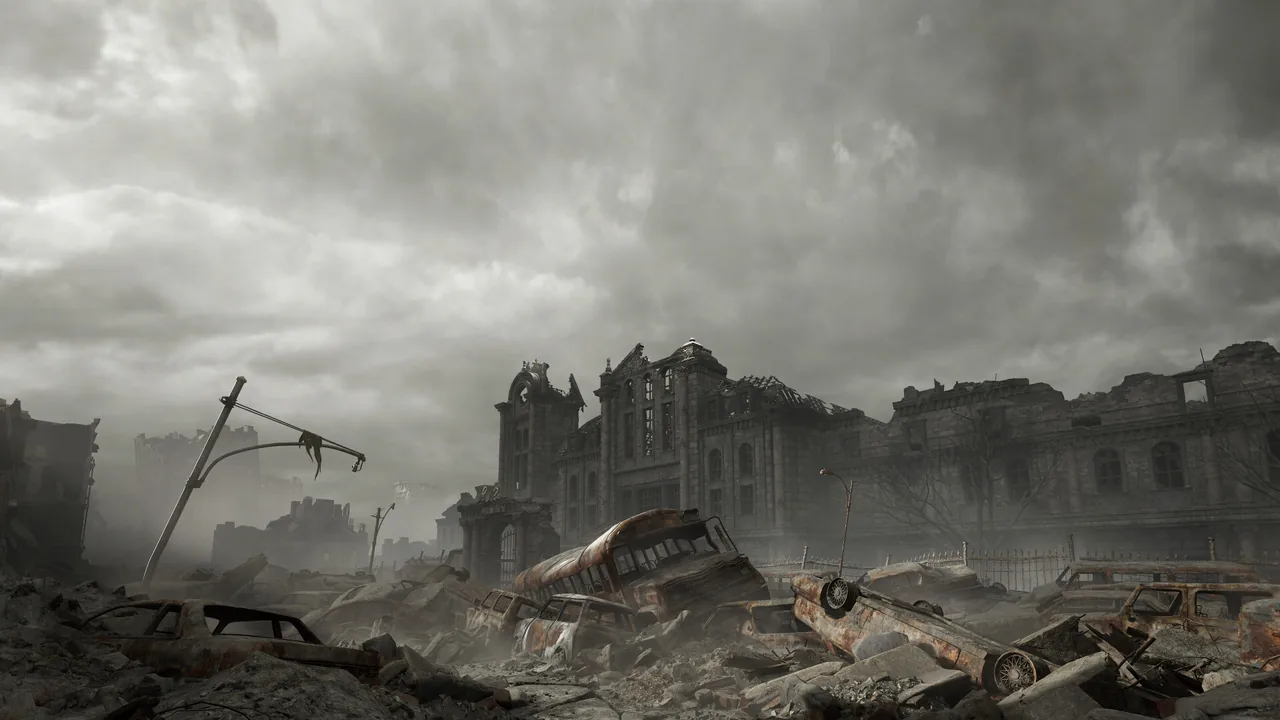
Resident Evil RequiemImage: CAPCOM Co., Ltd. via Steam -
How the review scores each part of the gameWanderer Editorial -
The short versionWanderer Editorial