Game review
Resident Evil Village
8 / 10
- Developer
- Capcom
- Publisher
- Capcom
- Released
- 6 May 2021
- Platforms
- Windows
- Genre
- Survival Horror
- Monetisation
- One-time purchase, NZ$63.96. Paid Gold Edition DLC adds a story epilogue and extra modes.
- Players
- Single-player only, with a separate paid asymmetric multiplayer mode
The short version
Resident Evil Village is Very Positive at 94.9% across 64,453 reviews, and its most-upvoted reviews lean into exactly the moment that defined its launch: a striking, towering vampire antagonist whose popularity somewhat overshadowed a genuinely accomplished, gorgeous horror-action sequel underneath. "This is an actual good game, I promise its not because the 9ft woman," reads one of the most-upvoted reviews in the game's history, echoed almost word-for-word by others years apart.
The consistent, considered dissent across every year since launch concerns tone and identity: fans of Resident Evil 7's tighter, more claustrophobic horror describe Village as trading that intensity for a faster-paced, more varied but less consistently scary genre blend — folkloric monster hunts, action set pieces, and puzzle-lite exploration that some feel dilutes rather than compounds. Separately, launch-week Denuvo DRM caused documented stuttering that took Capcom roughly two months to properly address, and reviewers connect that history directly to a later, separate 2024 controversy over the same "Enigma" anti-tamper system that affected other Capcom titles.
Biggest strengths
- Gorgeous, varied environments spanning gothic castle, swamp and factory settings, each with a genuinely distinct identity and antagonist
- Strong, memorable boss encounters and set pieces that reviewers consistently single out as highlights of the series
- A well-received callback to Resident Evil 4's merchant and inventory systems that longtime fans appreciate
Biggest weaknesses
- A consistent, considered dissent from Resident Evil 7 fans across every year since launch: the game trades tighter, more consistent horror tension for a faster-paced, more varied genre blend some feel dilutes the scares
- Launch-week Denuvo DRM caused documented stuttering and frame drops that took Capcom roughly two months to properly address, drawing sharp complaints from day-one buyers
- Story and dialogue are described by a meaningful share of reviewers as a step down from RE7's, with the plot's turn toward magical, folkloric elements dividing longtime fans
Who it's for: Resident Evil and horror-action fans who want a gorgeous, varied, genre-blending sequel to RE7. Players specifically drawn to RE7's tighter, more consistent horror tone should know Village takes a broader, faster-paced approach across a wider range of settings and monster types.
Our recommendation: Buy it — the variety, visual craft and set-piece design are genuinely excellent even if the tone shifts meaningfully from RE7. If tight, consistent horror tension is what you're after specifically, temper expectations around the game's back half, which leans further into action than its opening hours suggest.
8 / 10
Resident Evil Village's cultural moment arrived almost immediately upon release, and its own reviewers are self-aware about it. "This is an actual good game, I promise its not because the 9ft woman with a fat ass," reads one of the most-upvoted reviews in the game's entire history — and that exact sentence, or something close to it, recurs across multiple years of reviews from different players. That's a genuinely funny piece of internet culture, and also a useful reminder that underneath the meme is a game reviewers take seriously enough to keep defending on its actual merits.
A gorgeous, varied horror-action sequel
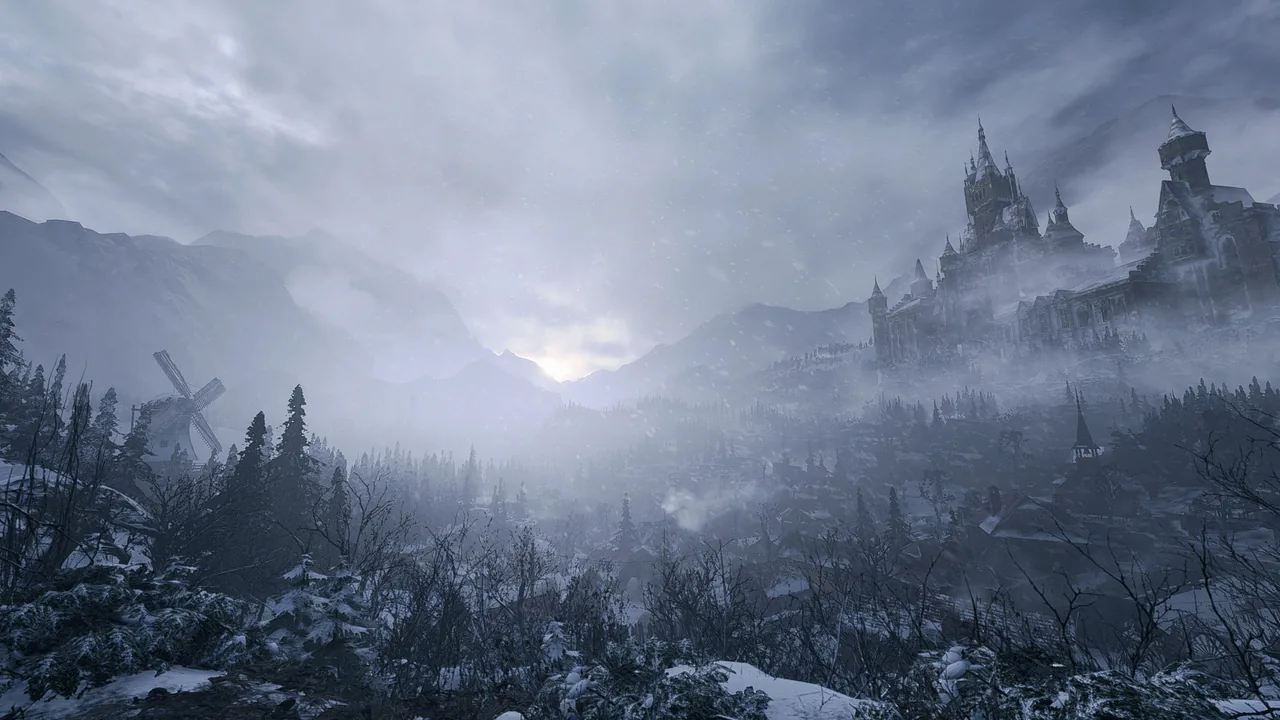
The core case for Village is its variety: a gothic castle, a swamp, a doll-filled house and an industrial factory, each with a genuinely distinct visual identity, atmosphere and boss antagonist. Reviewers consistently single out specific set pieces — the castle's opening stretch especially — as some of the best sequences the series has produced. The return of a Resident Evil 4-style merchant and inventory system draws warm, specific appreciation from longtime fans who recognize the callback directly.
The tone debate that's followed it since launch
Here's the consistent, considered dissent that recurs across every single year since release, and it's worth taking seriously as a genuine design disagreement rather than simple negativity. Fans of Resident Evil 7's tighter, more claustrophobic horror describe Village as trading that consistent dread for a faster-paced, more varied genre blend — folkloric monster hunts, bigger action set pieces, and a broader tonal range that some feel dilutes rather than compounds the scares. "Serious question: who is this game for? RE8 is a strange, incestuous mix of Resident Evil 4 and 7, but it isn't as good as either," reads a representative 2021 review. Others describe the plot's turn toward magical, folkloric antagonists — witches, werewolves, a Magneto-esque power set — as a step too far from the series' grounded roots. This isn't a fringe complaint; it's the dominant thread across negative reviews from 2021 through 2025, made consistently by reviewers who are clearly longtime series fans rather than newcomers judging it unfairly.
A launch performance problem, and an echo years later
Separately, and more technical: Village launched with Denuvo DRM that reviewers documented causing real stuttering and frame drops, particularly during combat-heavy sequences, which took Capcom roughly two months to properly address with a patch. "DRM kills the performance. I bought this game and wish that I didn't. Pirates shouldn't be getting the better experience," reads one representative 2021 complaint. That launch-era frustration resurfaces in later reviews connecting it directly to a separate 2024 controversy over Capcom's "Enigma" anti-tamper system affecting other titles in the franchise, with reviewers describing a pattern of DRM decisions prioritizing anti-piracy measures over paying customers' performance.
Reading the completion data
With 56 tracked achievements, the completion curve reflects broad, strong early engagement. Story milestones sit between 77% and 86%, showing the large majority of buyers make real progress through the campaign. The rarest achievements, tied to harder difficulty completions and specific challenge conditions, fall to 3.7-4.6%, reflecting a smaller committed core pursuing the game's toughest optional content.
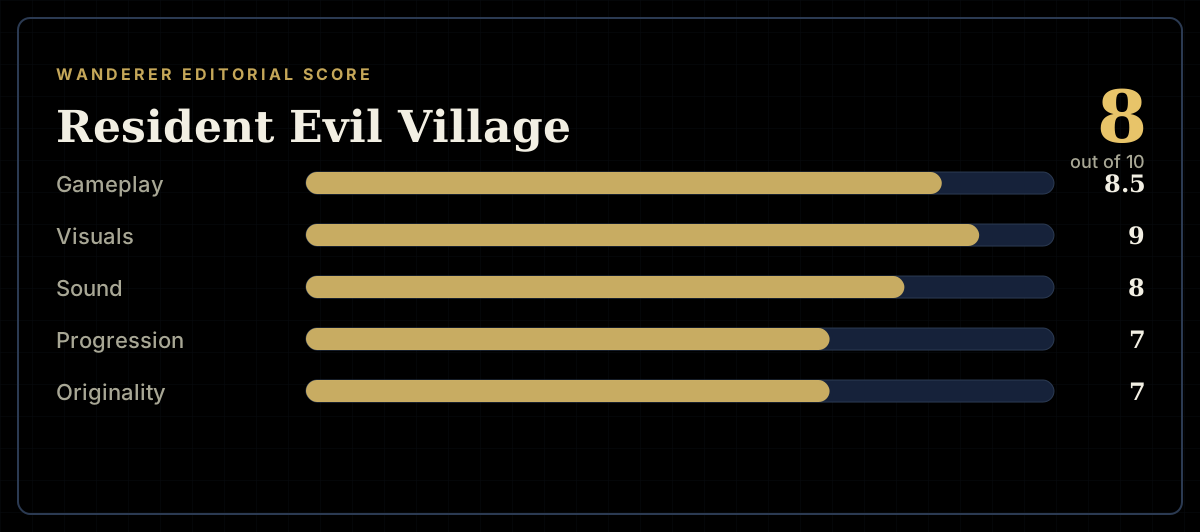
8 out of 10. Resident Evil Village succeeds as a gorgeous, varied, genuinely well-crafted horror-action sequel, and the sheer craft on display across its four distinct settings is not in serious dispute. It's held below the top tier by a real, consistent identity debate among the series' own fans over whether its broader tonal range strengthens or dilutes what made Resident Evil 7 work, alongside a documented launch-era performance problem tied to DRM that colored some players' first experience. Judge it as its own thing rather than a direct RE7 sequel, and it holds up extremely well.
Pros and cons
Pros
- Gorgeous, varied environments spanning gothic castle, swamp and factory settings, each with a genuinely distinct identity and antagonist
- Strong, memorable boss encounters and set pieces that reviewers consistently single out as highlights of the series
- A well-received callback to Resident Evil 4's merchant and inventory systems that longtime fans appreciate
- Excellent technical presentation and visual fidelity once launch-era performance issues were resolved
Cons
- A consistent, considered dissent from Resident Evil 7 fans across every year since launch: the game trades tighter, more consistent horror tension for a faster-paced, more varied genre blend some feel dilutes the scares
- Launch-week Denuvo DRM caused documented stuttering and frame drops that took Capcom roughly two months to properly address, drawing sharp complaints from day-one buyers
- Story and dialogue are described by a meaningful share of reviewers as a step down from RE7's, with the plot's turn toward magical, folkloric elements dividing longtime fans
- The back half of the campaign leans more heavily into combat-focused action, a pacing shift some reviewers feel undercuts the horror atmosphere built in the opening hours
Screenshots
-
Resident Evil VillageImage: CAPCOM Co., Ltd. via Steam -

Resident Evil VillageImage: CAPCOM Co., Ltd. via Steam -

Resident Evil VillageImage: CAPCOM Co., Ltd. via Steam -
How the review scores each part of the gameWanderer Editorial -
The short versionWanderer Editorial