
Game review
Prey
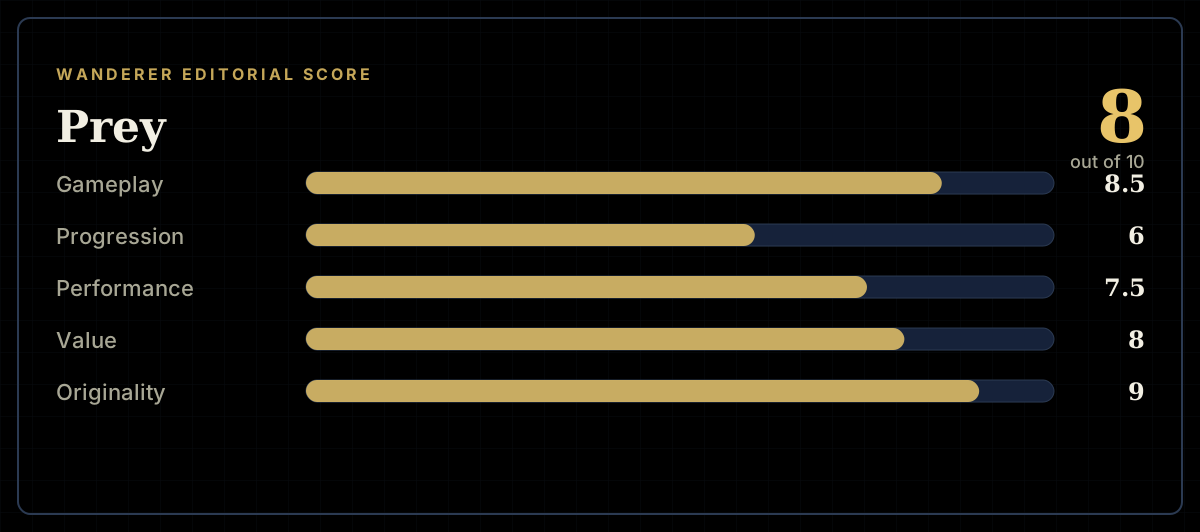
8 / 10
- Developer
- Arkane Studios (Arkane Austin)
- Publisher
- Bethesda Softworks
- Released
- 5 May 2017
- Platforms
- Windows
- Genre
- Immersive Sim
- Monetisation
- Full premium purchase, with the separately sold Mooncrash expansion adding the free Typhon Hunter multiplayer mode; no in-app purchases or premium currency; Denuvo DRM was removed via a 2020 update
- Players
- Primarily single-player, with an optional asymmetric multiplayer mode, Typhon Hunter, added free alongside the Mooncrash expansion in December 2018
The short version
Prey casts players as Morgan Yu, waking aboard the space station Talos I to find it overrun by a shapeshifting alien species, the Typhon, in a story that gradually unravels who Morgan really is. Very Positive across more than 54,000 Steam reviews, the review sample consistently, specifically credits the game as a genuine high point for the immersive sim genre: "'The Bioshock sequel the Bioshock fan doesn't deserve because they didn't play it'... Every department on this game is firing on all cylinders," one detailed review states. What recurs with remarkable consistency across the sample's dissenters is a specific, structural complaint: the game's exceptional opening hours give way to repetitive backtracking and resource-scarce combat in its back half, with reviewer after reviewer independently describing genuine excitement curdling into fatigue at roughly the same point in the campaign. This review can also confirm two real, verified pieces of context beyond the game itself: Bethesda's own former marketing VP has since publicly confirmed he fought internally against forcing the unrelated "Prey" name onto Arkane's original story, a decision the studio's own founder has called "very, very hurtful" — and, more gravely, this review can confirm that Arkane Austin, the Texas studio that made Prey, was shut down entirely by Microsoft in May 2024, with press coverage linked directly from the developer's own Steam communications describing industry-wide "fury and heartbreak" at the closure of a studio whose work had "elevated immersive sims to a god-tier level."
Biggest strengths
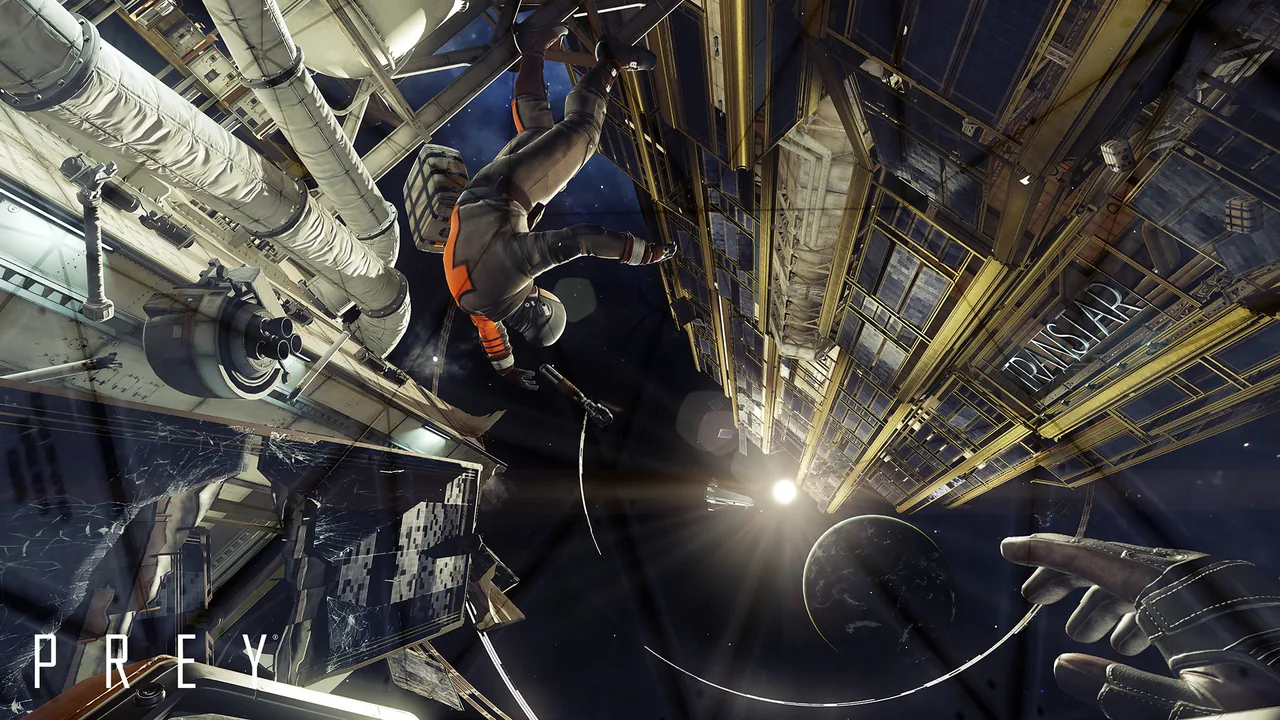
- Atmosphere, environmental storytelling and the Talos I setting draw remarkably consistent, specific praise as among the finest in the genre, with the space station itself functioning as a genuinely coherent, explorable environment
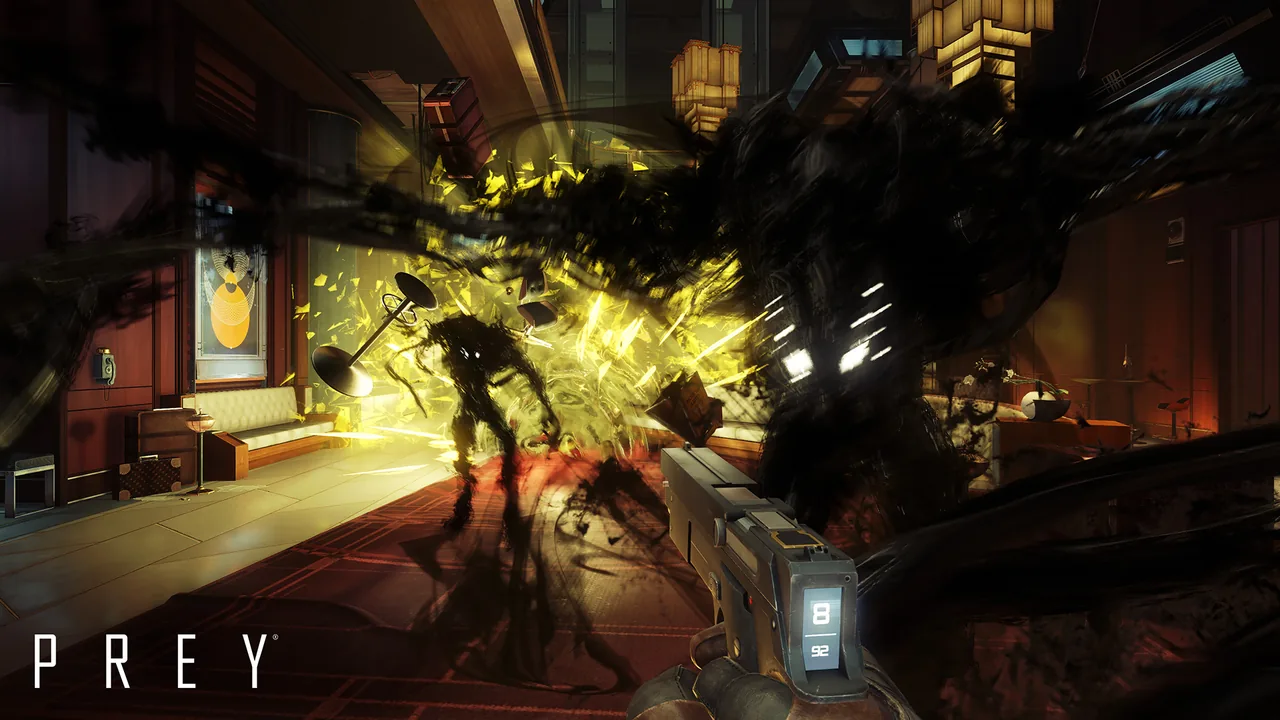
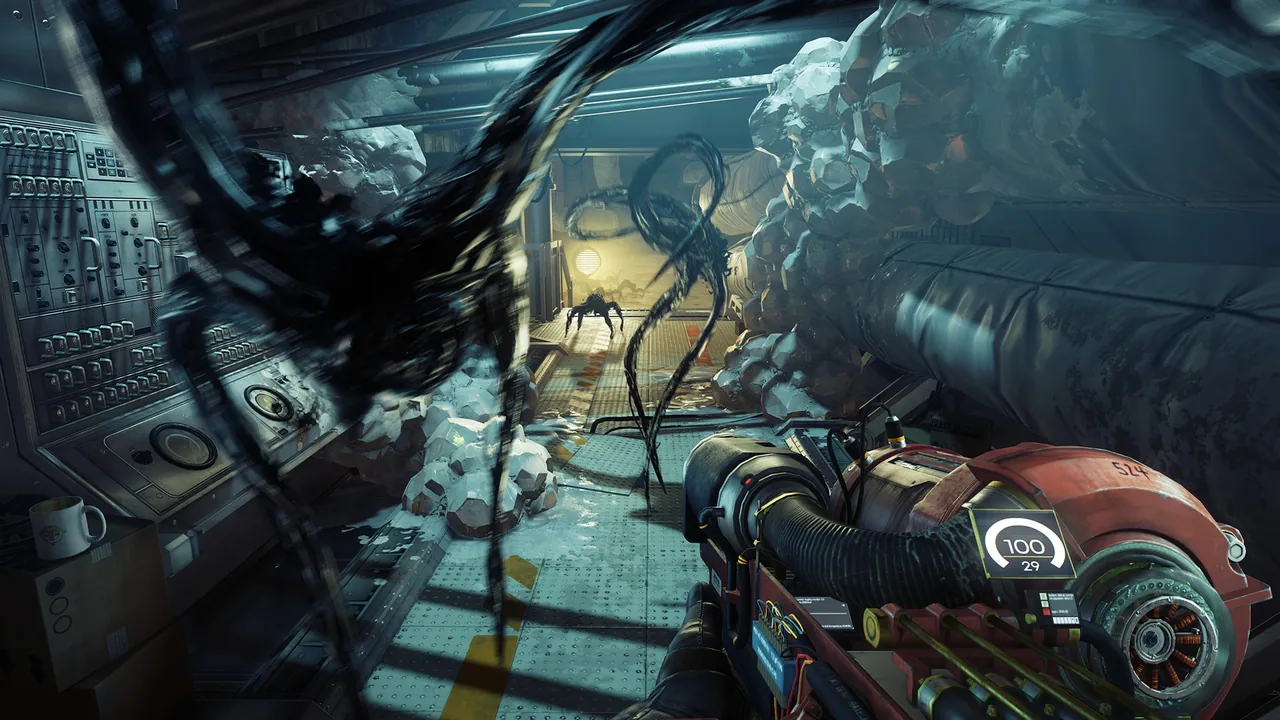
- The GLOO Cannon and Mimic-shapeshifting mechanics draw sustained, specific credit as genuinely creative, distinctive systems rarely replicated elsewhere in the genre
- Player choice and build variety draw real, detailed praise, with weapons and Typhon powers combining in ways multiple reviewers describe rewarding creative, personalised playstyles
Biggest weaknesses
- A remarkably consistent, structural complaint recurs across a large share of the sample, describing the game's exceptional opening hours giving way to repetitive backtracking and resource-scarce combat in its back half, independently at roughly the same point in the campaign
- This review can confirm a real controversy over the game's own title — Bethesda's former marketing VP has publicly confirmed forcing the unrelated "Prey" name onto Arkane's original story over internal objections, a decision the studio's founder has since called "very, very hurtful"
- Several detailed reviews describe a specific, game-breaking bug involving a missing keycard late in the campaign, which one reviewer notes was not resolved despite patch notes claiming otherwise
Who it's for: Immersive sim fans prepared for a genuinely front-loaded structure, with the openness to treat the back half's tonal shift as a real, known trade-off rather than a flaw that will surprise them.
Our recommendation: One of the finest immersive sims ever made, from a studio that no longer exists — worth playing for a genuinely extraordinary first half, with a real, honest heads-up about where the back half's pacing goes.
8 / 10
Prey, released 5 May 2017, shares its title with an unrelated 2006 shooter — a naming decision this review can confirm was genuinely controversial internally at Bethesda — and went on to become, per this review's sample, one of the finest immersive sims of its generation. Very Positive across more than 54,000 Steam reviews, that reputation has, remarkably, survived the closure of the very studio responsible for it, a real, dateable piece of context this review sets out to cover honestly alongside the game itself.
A genuinely distinctive, widely celebrated immersive sim
The review sample's praise for Prey is specific and detailed rather than generic genre enthusiasm. "'The Bioshock sequel the Bioshock fan doesn't deserve because they didn't play it': Prey is a game I put in the 'I can't believe this game exists' category. Every department on this game is firing on all cylinders," one detailed review states. Another, more measured but equally specific: "Both Dishonored and Prey are also great at giving the player freedom to play how they want with intuitive and interesting gameplay that varies widely on player choice," crediting Arkane's signature systemic design directly. The game's specific mechanical inventions draw sustained, independent credit: the GLOO Cannon, which lets players freeze enemies and create traversal platforms from expanding foam, and the Mimic enemies that disguise themselves as ordinary objects, recur throughout the sample as genuinely creative, rarely-replicated systems.
A remarkably consistent complaint about pacing
What tempers that acclaim is a structural complaint recurring with unusual consistency across the sample's negative and mixed reviews. "The first ten or so hours; Prey is a complete breath of fresh air... Unfortunately, painfully predictable and repetitive gameplay after the midway point," one detailed review states, a pattern echoed almost identically across dozens of independent accounts: "Nearing the 13 hour mark I couldn't go any further cause I was bored with the repetitive looting of rooms and the pretty stagnant enemy types," another states. A third names the pattern precisely: "After a while the whole experience started to feel like a chore. Becomes very repetitive and most encounters end up feeling the same. I no longer was excited to explore but was just desperate to reach the end." That specificity — independent reviewers converging on the same rough timeframe and the same description of excitement curdling into fatigue — is the sample's clearest, load-bearing finding, worth taking seriously as a genuine, real structural trade-off rather than dismissing as impatience.
A real, verified controversy over the game's own title
Separate from design, this review can confirm a genuine controversy concerning Prey's own name. Arkane's story was originally developed as its own IP, unrelated to the 2006 Prey by Human Head Studios — and this review can confirm, via a report linked directly from the developer's own Steam news feed, that Bethesda's former marketing VP has since publicly stated he "fought against reusing the Prey name," admitting "I definitely pissed some people off internally over that." A separate, earlier report, also linked from the developer's own communications, quotes Arkane's own studio founder describing the forced rebrand as "very, very hurtful." This is a real, independently verified piece of the game's history worth understanding — the title itself was a marketing decision imposed over the objections of the people who made it.
A real, graver piece of context: the studio no longer exists
What this review can also confirm, more gravely, is that Arkane Austin — the Texas-based studio responsible for Prey — was shut down entirely by Microsoft in May 2024. A report linked directly from the developer's own Steam communications describes the closure alongside that of Tango Gameworks (Hi-Fi Rush), quoting industry reaction that making "good, profitable games 'will no longer keep you safe.'" The same coverage describes Prey specifically as having "elevated immersive sims to a god-tier level," context that makes clear this wasn't a struggling studio being cut loose, but one whose work is still, years later, widely regarded as some of the finest in its genre. A planned continuation of the unrelated original Prey lineage — a separate, cancelled "Prey 2" by Human Head Studios, distinct from Arkane's game — never materialised either, and this review found no indication any sequel or spiritual successor to Arkane's Prey specifically is in development following the studio's closure.
Where this leaves a buyer
At NZ$54.95, discounted to roughly $11 at the time of writing, Prey delivers a genuinely extraordinary immersive sim experience this review's sample credits with real, specific consistency — its atmosphere, systemic design and creative combat tools earn every bit of the acclaim surrounding it, particularly across a first half the sample describes as close to unimpeachable. The honest, necessary context concerns a real, widely-shared complaint about pacing fatigue setting in during the back half, worth knowing about going in rather than being surprised by, alongside a real, verified controversy over the game's forced title and the sobering, confirmed fact that the studio responsible for this specific achievement no longer exists. Players drawn to atmospheric, systemically rich immersive sims are very likely to find one of the genre's genuine high points here — just go in aware of where its pacing tends to soften, and with an appreciation for a specific, now-closed studio's singular achievement.
Pros and cons
Pros
- Atmosphere, environmental storytelling and the Talos I setting draw remarkably consistent, specific praise as among the finest in the genre, with the space station itself functioning as a genuinely coherent, explorable environment
- The GLOO Cannon and Mimic-shapeshifting mechanics draw sustained, specific credit as genuinely creative, distinctive systems rarely replicated elsewhere in the genre
- Player choice and build variety draw real, detailed praise, with weapons and Typhon powers combining in ways multiple reviewers describe rewarding creative, personalised playstyles
- This review can confirm Denuvo DRM was removed via a 2020 update, and the separately sold Mooncrash expansion added a genuinely well-regarded roguelike mode alongside a free multiplayer addition
Cons
- A remarkably consistent, structural complaint recurs across a large share of the sample, describing the game's exceptional opening hours giving way to repetitive backtracking and resource-scarce combat in its back half, independently at roughly the same point in the campaign
- This review can confirm a real controversy over the game's own title — Bethesda's former marketing VP has publicly confirmed forcing the unrelated "Prey" name onto Arkane's original story over internal objections, a decision the studio's founder has since called "very, very hurtful"
- Several detailed reviews describe a specific, game-breaking bug involving a missing keycard late in the campaign, which one reviewer notes was not resolved despite patch notes claiming otherwise
- This review can confirm Arkane Austin, the studio that made Prey, was shut down entirely by Microsoft in May 2024, meaning no sequel or continuation of this story will ever be made by the people who created it
Screenshots
-
PreyImage: Bethesda Softworks via Steam -
PreyImage: Bethesda Softworks via Steam -
PreyImage: Bethesda Softworks via Steam -
How the review scores each part of the gameWanderer Editorial -
The short versionWanderer Editorial