Game review
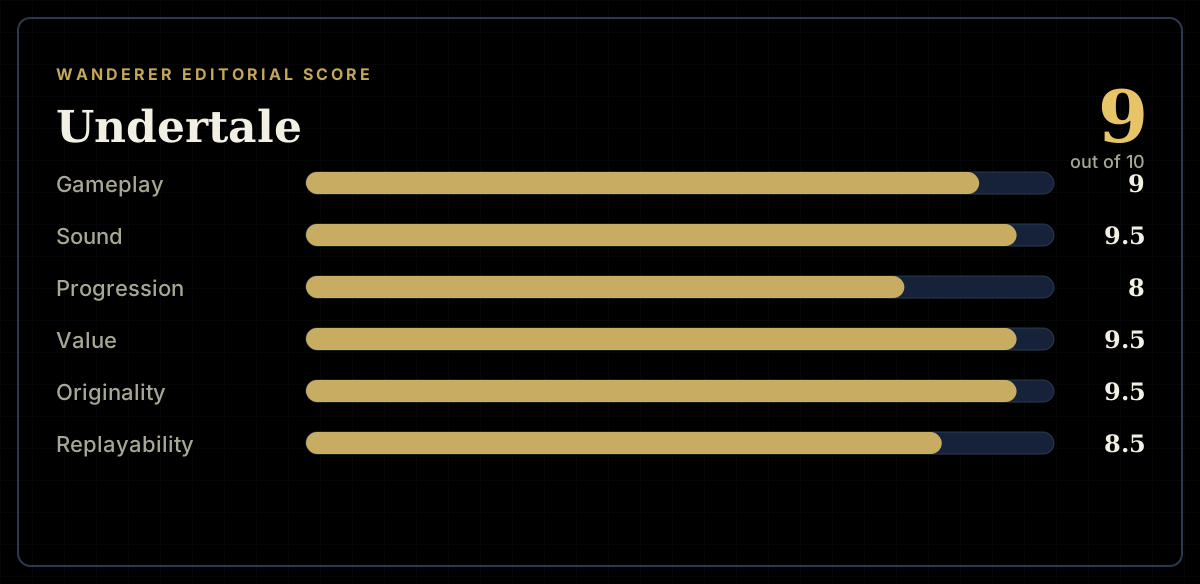
Undertale
9 / 10
- Developer
- tobyfox
- Publisher
- tobyfox
- Released
- 15 September 2015
- Platforms
- Windows, macOS, Linux
- Genre
- RPG
- Monetisation
- One-time purchase, NZ$11.99 (currently 75% off at NZ$2.99). No microtransactions.
- Players
- Single-player only
The short version
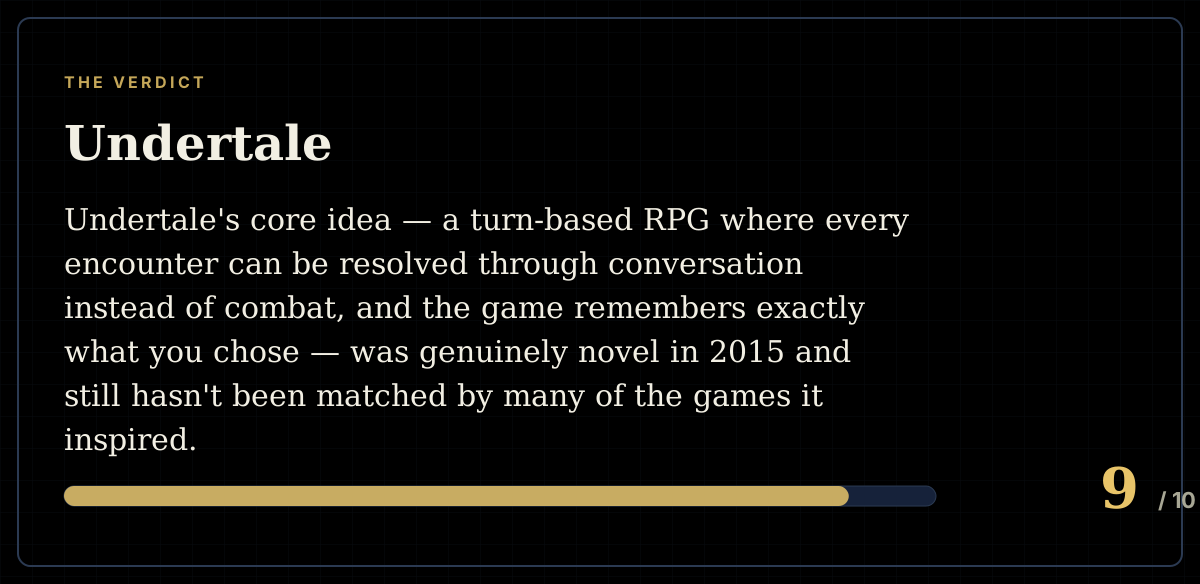
Undertale's core idea — a turn-based RPG where every encounter can be resolved through conversation instead of combat, and the game remembers exactly what you chose — was genuinely novel in 2015 and still hasn't been matched by many of the games it inspired. A third of a million reviews and 96.5% positive reflect a game that, for most people who play it, becomes an immediate favourite rather than a merely good one.
The negative reviews tell a consistent and slightly unusual story across a full decade: almost none of them argue the game is badly made. The dominant complaint, from 2015 through 2026 alike, is that the game couldn't survive the weight of its own hype for that specific player — a distinct and much rarer kind of criticism than the technical or design complaints most games attract.
Biggest strengths
- A genuinely original combat system where every fight can be resolved through talking, sparing or fleeing instead of violence, and the game tracks and remembers it permanently
- An excellent, widely influential chiptune soundtrack that reviewers across a full decade single out by name
- Sharp, distinctive writing that moves between comedy and real emotional weight without the tonal shifts feeling careless
Biggest weaknesses
- The dominant negative-review pattern across every year since 2015 is disappointment relative to the game's own reputation, not a specific design or technical flaw — worth knowing before you go in with sky-high expectations
- A short main runtime (roughly 6-10 hours per route) that some reviewers feel undercuts the price even at a modest ask
- One of the most-upvoted negative reviews in the game's history documents years of hostile comment-section harassment directed at its author simply for disliking the game — a genuine and unusual community problem worth naming plainly
Who it's for: RPG players open to a short, narratively driven experience over a long systemic one, and anyone who wants to see where "your choices actually matter" first got done properly in a commercial indie game. Less suited to players expecting a lengthy campaign or a traditional grind — this is a 6-10 hour game built to be replayed with different choices, not extended with more content.
Our recommendation: Buy it, ideally without reading detailed plot summaries first — several of the most-cited disappointed reviews trace their letdown back to going in having already absorbed years of fan culture and expecting something the game itself never promised. Play a first run making whatever choices feel natural rather than optimising for an ending, and decide afterward whether you want to see the others.
9 / 10
Most games with a decade of reviews behind them have a history — a rocky launch, a controversial update, a monetisation fight. Undertale's decade of reviews is unusually quiet on all of that. What it has instead is 334,702 verdicts converging on the same idea from wildly different angles, and a small, consistent minority explaining, patiently and repeatedly, that the problem was never the game.
What made it novel, and still does
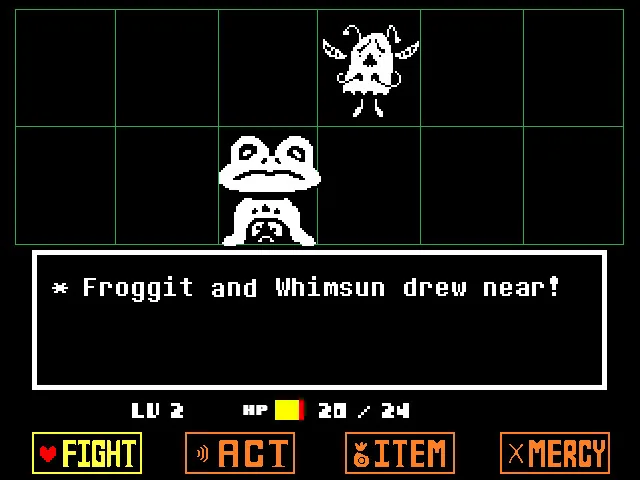
Undertale's premise is simple to state and was genuinely rare to execute in 2015: every encounter in this turn-based RPG can be resolved by talking, sparing, or fleeing, instead of fighting, and the game remembers exactly what you did across your entire playthrough — not as a binary morality meter, but as a persistent, specific memory that changes dialogue, endings and how characters treat you permanently. One of the most-upvoted positive reviews in the game's history puts it as a joke that's also entirely accurate: "this game has one weird trick that makes the choices matter." A decade and countless imitators later, reviewers are still citing this as something genuinely few games have replicated with the same precision.
Underneath that idea sits a soundtrack that gets named specifically in review after review across every year sampled, sharp writing that swings between genuine comedy and real emotional stakes without the tone ever feeling like whiplash, and a runtime — six to ten hours per route — that respects how much game is actually needed to make its ideas land.
What the negative reviews actually say
Here's what's unusual about Undertale's negative-review corpus, read across all ten-plus years of it: the complaint almost never targets the game's craft. It targets the gap between the game and what its reputation promised. "I heard all these good things... I heard that its a 'must play' for everyone and that its the greatest game of all time," one 2025 reviewer writes, before describing mild disappointment rather than any specific flaw. Another, from a full decade earlier, opens with nearly identical framing: "after the overwhelming hype I decided to give Undertale a try, and I have to say I didn't really enjoy it." This same shape — bought in on reputation, met with a perfectly fine game that didn't clear an impossibly raised bar — recurs from 2015 through 2026 with almost no variation. That's a genuinely different failure mode from the technical or design complaints that dominate most negative-review corpuses in this library, and worth naming clearly: these reviews aren't describing a bad game. They're describing the cost of a legendary reputation.
There's a second thing worth reporting honestly, because it reflects on the game's community rather than the game itself. One of the most-upvoted negative reviews in Undertale's history carries an update, written eight years after the original post, describing sustained harassment in its comment section from the fandom for the crime of disliking the game. That's a real and specific problem with how some of this game's audience has behaved toward dissenting opinions, distinct from anything about the game's quality, and it's fair to mention alongside the overwhelmingly positive score rather than pretend that score exists in a vacuum.
Verdict
9 out of 10. Undertale earns its Overwhelmingly Positive rating on the strength of an idea that was genuinely ahead of its time and writing and music that have aged without needing an asterisk. The one honest caveat the review corpus itself keeps volunteering, across a full decade, is that the game's own legend can work against it — go in expecting a masterpiece because the internet told you to, and the perfectly good game underneath sometimes can't clear that bar. Go in on the game's own terms instead, and it's easy to see why a third of a million people didn't have that problem.
Pros and cons
Pros
- A genuinely original combat system where every fight can be resolved through talking, sparing or fleeing instead of violence, and the game tracks and remembers it permanently
- An excellent, widely influential chiptune soundtrack that reviewers across a full decade single out by name
- Sharp, distinctive writing that moves between comedy and real emotional weight without the tonal shifts feeling careless
- Exceptional value — a complete, replayable experience for under $12 full price, currently discounted further
- Built for multiple playthroughs with genuinely different content per route, not just a difficulty toggle
Cons
- The dominant negative-review pattern across every year since 2015 is disappointment relative to the game's own reputation, not a specific design or technical flaw — worth knowing before you go in with sky-high expectations
- A short main runtime (roughly 6-10 hours per route) that some reviewers feel undercuts the price even at a modest ask
- One of the most-upvoted negative reviews in the game's history documents years of hostile comment-section harassment directed at its author simply for disliking the game — a genuine and unusual community problem worth naming plainly
- No Steam Achievements are implemented, so players who track progress that way have nothing to reference
Screenshots
-
UndertaleImage: tobyfox via Steam -
UndertaleImage: tobyfox via Steam -
UndertaleImage: tobyfox via Steam -
How the review scores each part of the gameWanderer Editorial -
The short versionWanderer Editorial