The Wanderer reading room

Game Reviews

Idle RPGs, MMOs, browser games and mobile RPGs, taken apart properly. Every review carries a score out of 10, what the game does well, what it does badly, and the kind of player it is actually for.

Browse the reviews

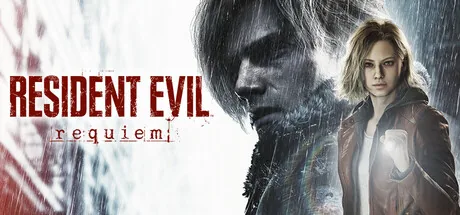
Resident Evil Requiem

A survival-horror triumph in its first half and a widely-debated tonal collapse in its second, wrapped around Capcom's biggest launch of the year — Overwhelmingly Positive across more than 100,000 Steam reviews and 8 million copies sold, while a large, detailed share of that same sample argues the game falls apart exactly when it should be building toward its climax.

8 / 10

Reviewed

Read review of Resident Evil Requiem

Rogue Legacy

The game that invented the thing every roguelite now does — you die, your heir inherits, and the upgrades stay. Thirteen years later its founding criticism is still the genre's central argument, and its own sequel does it better.

7.5 / 10

Reviewed

Read review of Rogue Legacy

R-Type Tactics I • II Cosmos

A long-awaited Western release for a beloved PSP tactics duology, rebuilt in Unreal Engine 5 — genuinely treasured by the fans who've waited seventeen years for it, and genuinely undercut for newcomers by aggressive upscaling artifacts and a control scheme that inherited its handheld-era clunkiness without ever being modernised.

6.5 / 10

Reviewed

Read review of R-Type Tactics I • II Cosmos

Rune Dice

A physics-based dice-fusion roguelite that nails its central hook — launching dice across a battlefield to trigger magical merge chains — then shipped with runs so short that the loudest launch complaint was "where's the rest of the game," a criticism the developer answered directly with a free Classic Mode update a month later.

7 / 10

Reviewed

Read review of Rune Dice

Rust

Eight years after release and still getting a major update every month, Rust remains the most uncompromising survival game ever made — and the one whose own veterans write the funniest negative reviews about how much of their lives it took.

8 / 10

Reviewed

Read review of Rust

Scritchy Scratchy

A scratch-card incremental that swaps the usual "buy 10" button for a mouse dragged across a lottery ticket, and turns out to be one of the most purely satisfying opening hours the genre has produced this year — right up until the point where the tickets stop having anything new to say.

7 / 10

Reviewed

Read review of Scritchy Scratchy

Sektori

A solo-developed, critically adored twin-stick shooter from a Housemarque alumnus, widely hailed by its own fanbase as a spiritual successor to Geometry Wars — Overwhelmingly Positive on Steam with a 93 Metascore, undercut for many players by a steep, unevenly tutorialised difficulty curve that even genre veterans describe as a genuine barrier to entry.

8 / 10

Reviewed

Read review of Sektori

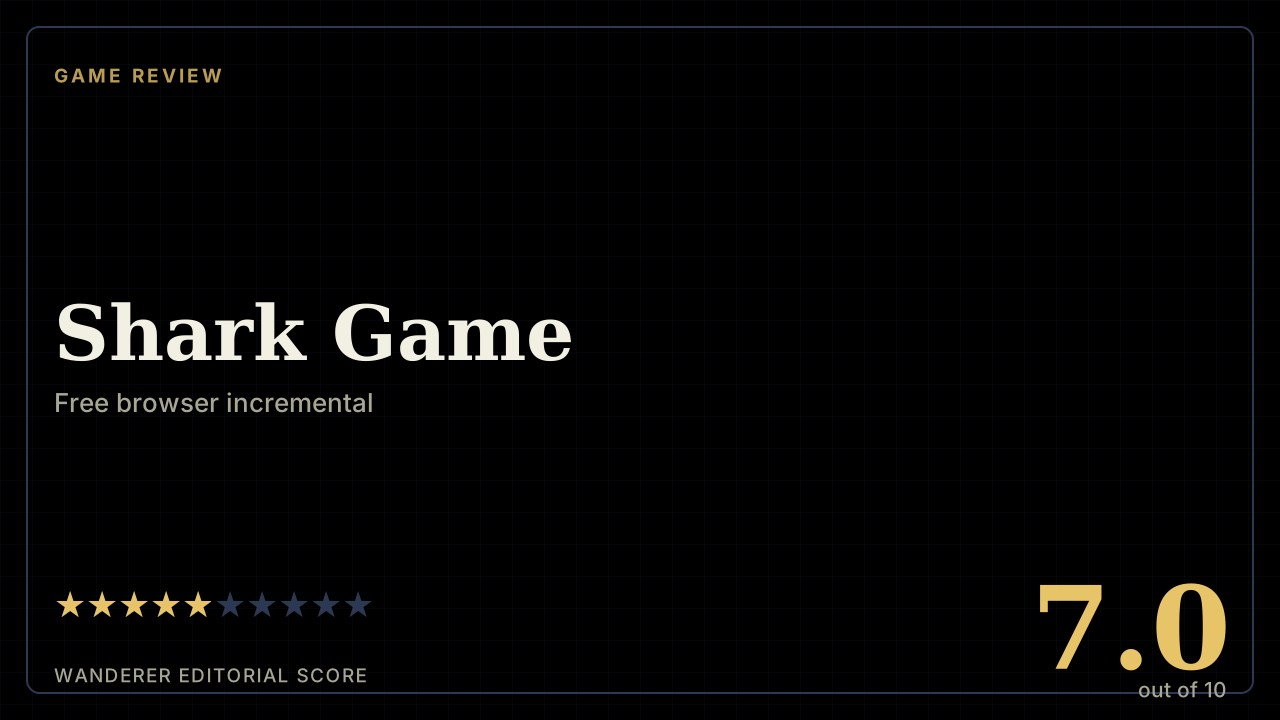
Shark Game

A free browser incremental that turns a single click-to-catch-fish button into a full sea-life economy, an artifact-driven prestige loop and — almost uniquely for the genre — a real ending, even though its own developers insist it isn't actually an idle game.

7 / 10

Reviewed

Read review of Shark Game

Sid Meier's Civilization VII

Firaxis's boldest structural gamble in the series' history — mandatory "Age" transitions that force players to swap civilizations twice per campaign — split the Civilization fanbase down the middle at launch and still sits Mixed across nearly 58,000 Steam reviews eighteen months later, even as a genuinely major, free "Test of Time" update rebuilt huge parts of the game in direct response to that backlash.

6 / 10

Reviewed

Read review of Sid Meier's Civilization VII

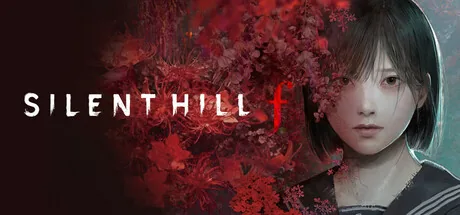
SILENT HILL f

A visually extraordinary, boldly original entry in Konami's horror franchise — trading the series' familiar American fog town for 1960s rural Japan, with a story from acclaimed writer Ryukishi07 and a score featuring series composer Akira Yamaoka — undercut by a combat system that reviewers on both sides of the recommendation line agree fights against the psychological dread the series has always been known for.

7.5 / 10

Reviewed

Read review of SILENT HILL f

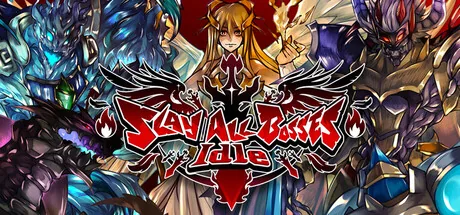
Slay All Bosses: Idle

A solo-developed auto-battler that dresses itself up as an idle RPG, delivers a genuinely satisfying handful of boss fights through three distinct heroes, and then ends before its skill trees, weapon collection or "idle" framing ever get the room to matter.

5.5 / 10

Reviewed

Read review of Slay All Bosses: Idle

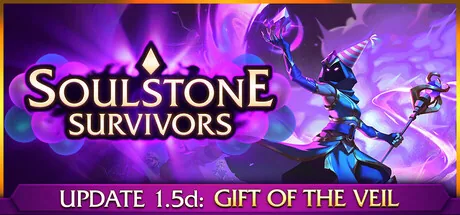
Soulstone Survivors

A content-dense, genuinely fun bullet-heaven roguelite with 22-plus characters and hundreds of skills, praised for its scope and exceptionally responsive small developer team — undercut by a real, consistently repeated complaint spanning both its fans and critics: despite the huge nominal variety, most builds converge on the same handful of optimal choices, and the endgame settles into what reviewers repeatedly, vividly call a "dodging simulator."

7 / 10

Reviewed

Read review of Soulstone Survivors

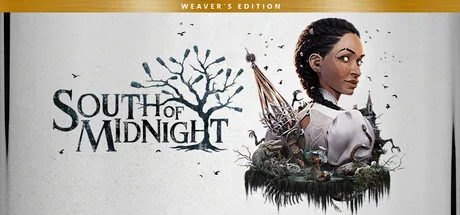
South of Midnight

A visually extraordinary, deeply personal Southern Gothic folktale from Compulsion Games, praised almost universally for its art, music and story, undercut by a real, consistently repeated complaint that its combat grows tedious well before the credits roll — released into a genuinely poignant real-world backdrop in which Xbox reportedly began shutting down the studio that made it only months after publicly celebrating its Peabody Award win.

8 / 10

Reviewed

Read review of South of Midnight

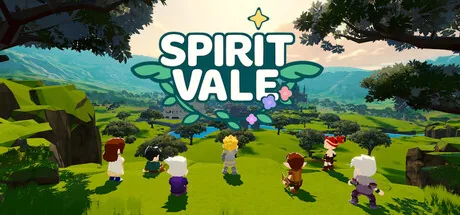
SpiritVale

An unabashed Ragnarok Online homage with seven classes, thirty maps and a community that loves it. Its Early Access launch also spent a fortnight with the servers falling over and player trading switched off entirely after dupers took the marketplace.

6 / 10

Reviewed

Read review of SpiritVale

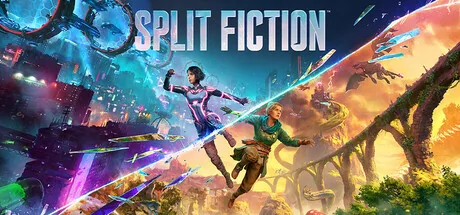
Split Fiction

Hazelight Studios' co-op action-adventure follow-up to 2021's Game of the Year winner It Takes Two, drawing Overwhelmingly Positive reviews and near-universal praise for its inventive, constantly-shifting gameplay and unusually generous Friend's Pass model — with a smaller, coherent minority of the same fanbase arguing its writing and characters fall short of its predecessor.

9 / 10

Reviewed

Read review of Split Fiction

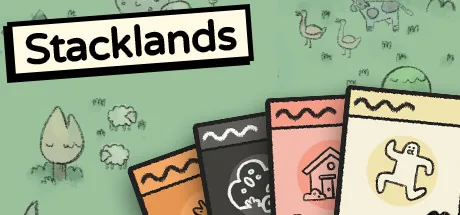
Stacklands

A village builder where everything — villagers, berries, houses, monsters — is a card on a table, and you craft by dragging one onto another. Twelve dollars, 96% positive, genuinely inventive. Then your table fills up and there is no way to automate anything.

7.5 / 10

Reviewed

Read review of Stacklands

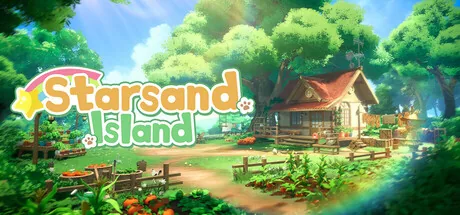
Starsand Island

A genuinely pretty, systems-rich cozy farming life-sim whose Early Access launch was overshadowed by a real corporate-backing revelation, a suspected fake-review campaign, and a broken promise about paid content — a case where the discourse around the game may matter as much to a buyer as the game itself.

6 / 10

Reviewed

Read review of Starsand Island

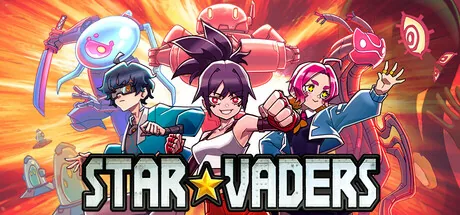
StarVaders

A grid-tactics deckbuilder that fuses Into the Breach-style positioning with a real card engine and a Space Invaders-flavoured alien assault, backed by a Metacritic 85 and an Overwhelmingly Positive Steam score — with real, specific complaints about UI clarity and balance outliers sitting underneath the acclaim.

8 / 10

Reviewed

Read review of StarVaders

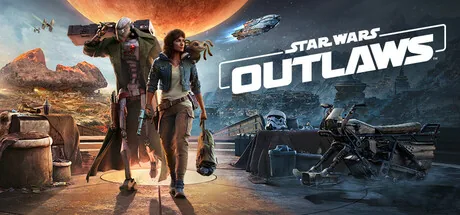
Star Wars Outlaws

Ubisoft's first open-world Star Wars game delivers genuinely praised atmosphere and world-building as scoundrel Kay Vess, undercut by a real, consistently repeated "Ubisoft formula fatigue" complaint about an empty, on-rails open world, a specific, reproducible manual cloud-save failure that has cost multiple reviewers dozens of hours of progress, and a patch cadence that this review can confirm effectively stopped in mid-2025 even as bug reports continued well into 2026.

6 / 10

Reviewed

Read review of Star Wars Outlaws