Game review
Split Fiction
9 / 10
- Developer
- Hazelight Studios
- Publisher
- Electronic Arts
- Released
- 6 March 2025
- Platforms
- Windows
- Genre
- Co-op Action-Adventure
- Monetisation
- One-off premium purchase covering both players via a "Friend's Pass" that lets a second player join for free, no DLC, no in-app purchases and no premium currency
- Players
- Two-player co-op only, both online and local split-screen, with no single-player mode; a Friend's Pass lets a non-owner join a purchaser for free, including across different platforms
The short version
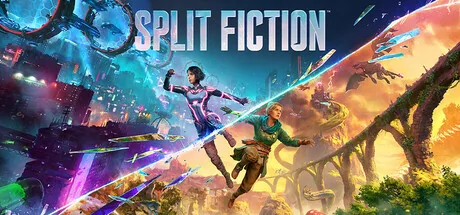
Split Fiction casts two players as rival writers, Mio and Zoe, trapped inside a machine designed to steal their creative ideas, forcing them to cooperate across a constantly shifting series of sci-fi and fantasy worlds to escape. Overwhelmingly Positive across nearly 77,000 Steam reviews, it's the rare sequel to a beloved Game of the Year winner that's met with almost universal acclaim, praised specifically for the sheer creative variety of its co-op mechanics and for a Friend's Pass model that lets one purchase cover two players — a policy reviewers repeatedly single out as remarkably generous for a major studio backed by a publisher not always associated with player-friendly choices. What keeps this review from treating that acclaim as uncomplicated is a smaller, coherent minority within the same review sample — reviewers who loved It Takes Two specifically — arguing Split Fiction's writing, characters and moment-to-moment teamwork design represent a real step down from its predecessor, even while crediting its visual and mechanical ambition.
Biggest strengths
- Near-universal praise for the sheer inventive variety packed into the game's constantly shifting worlds, with reviewers describing genuine surprise and delight moving between wildly different mechanics and settings
- The Friend's Pass model — one purchase covers two players, including across different platforms — draws sustained, specific praise as a remarkably generous policy for a major publisher-backed release
- No DLC and no in-app purchases at a studio widely trusted by players for consistently avoiding monetisation practices common elsewhere in the industry
Biggest weaknesses
- A smaller but coherent minority of the review sample, largely from players who specifically loved It Takes Two, argues Split Fiction's writing and central characters are weaker and more trope-driven than its predecessor's
- The same minority describes several sections as feeling more scripted and less collaboratively demanding than It Takes Two's asymmetric puzzle design, with some describing extended stretches as running side-by-side rather than genuinely working together
- At NZ$79.95 for the purchasing player, several reviewers in the dissenting minority argue the roughly 12-15 hour experience doesn't match the price as closely as It Takes Two did at launch
Who it's for: Anyone with a co-op partner looking for one of the most inventive, high-production-value cooperative games available, particularly fans of It Takes Two, with a smaller caveat for players who specifically valued that game's writing and asymmetric puzzle design.
Our recommendation: One of the best co-op experiences available today, and close to essential for fans of Hazelight's prior work — though It Takes Two loyalists should know a small but genuine share of the fanbase found this a step down specifically in writing and teamwork depth.
9 / 10
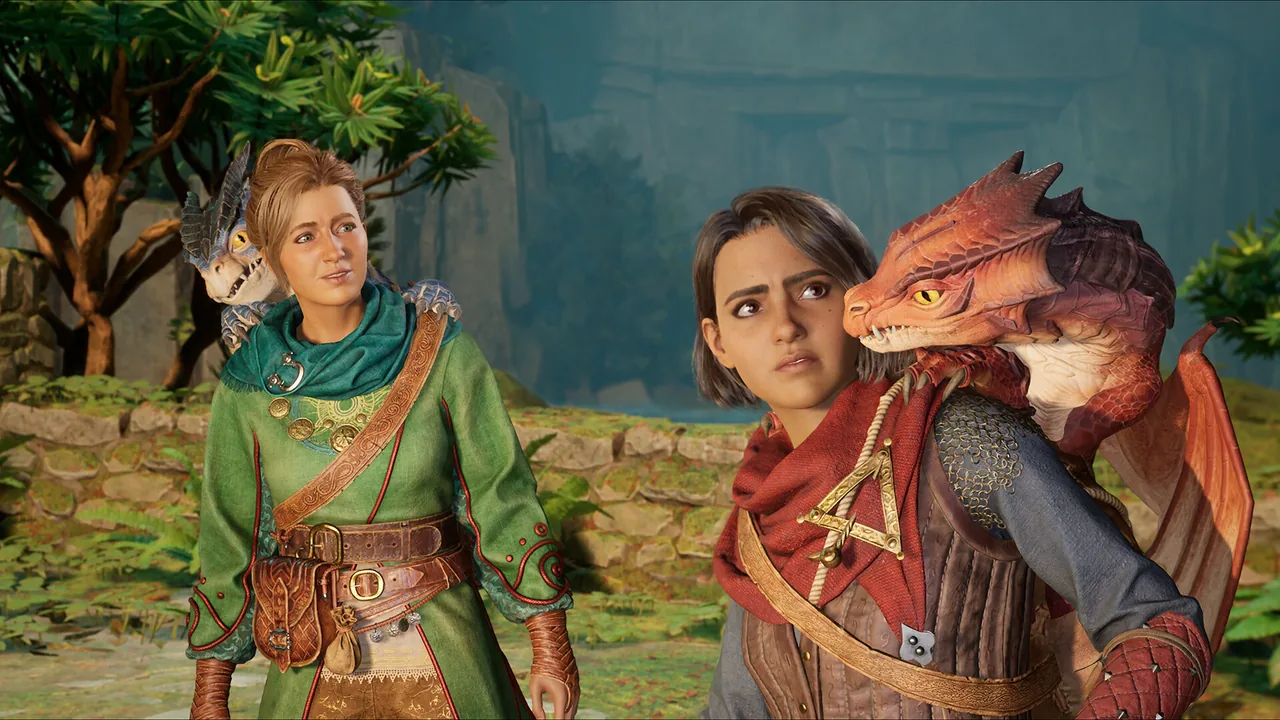
Following a Game of the Year win is one of the hardest positions a studio can be in, and Hazelight Studios, fresh off 2021's widely celebrated It Takes Two, chose to meet that challenge directly with Split Fiction, released 6 March 2025. The premise sends two rival writers, sci-fi author Mio and fantasy author Zoe, tumbling through a machine designed to steal their creative work, forcing them to cooperate across a relentlessly inventive series of shifting worlds to escape. The response has been about as strong as a sequel to a beloved original can hope for: Overwhelmingly Positive across nearly 77,000 Steam reviews. Understanding both why that acclaim is so overwhelming and what a smaller, genuinely thoughtful dissenting minority has to say is what this review sets out to do.
Inventive, constantly surprising co-op design
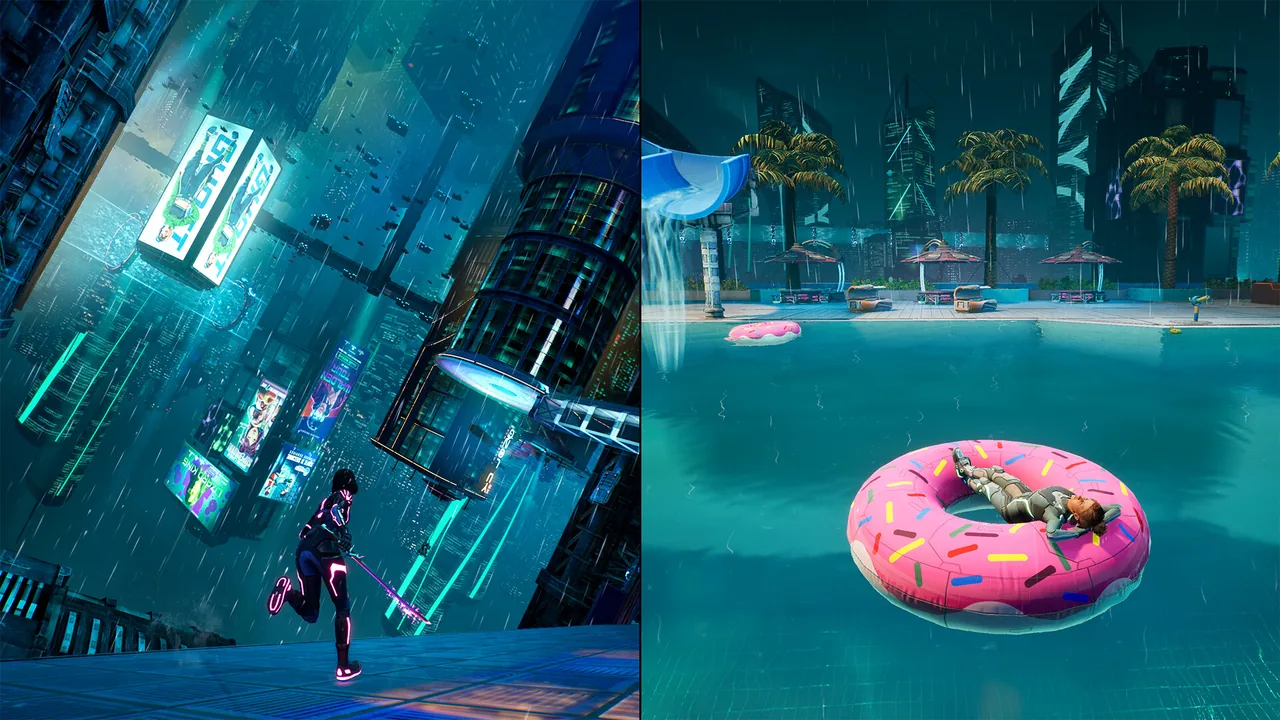
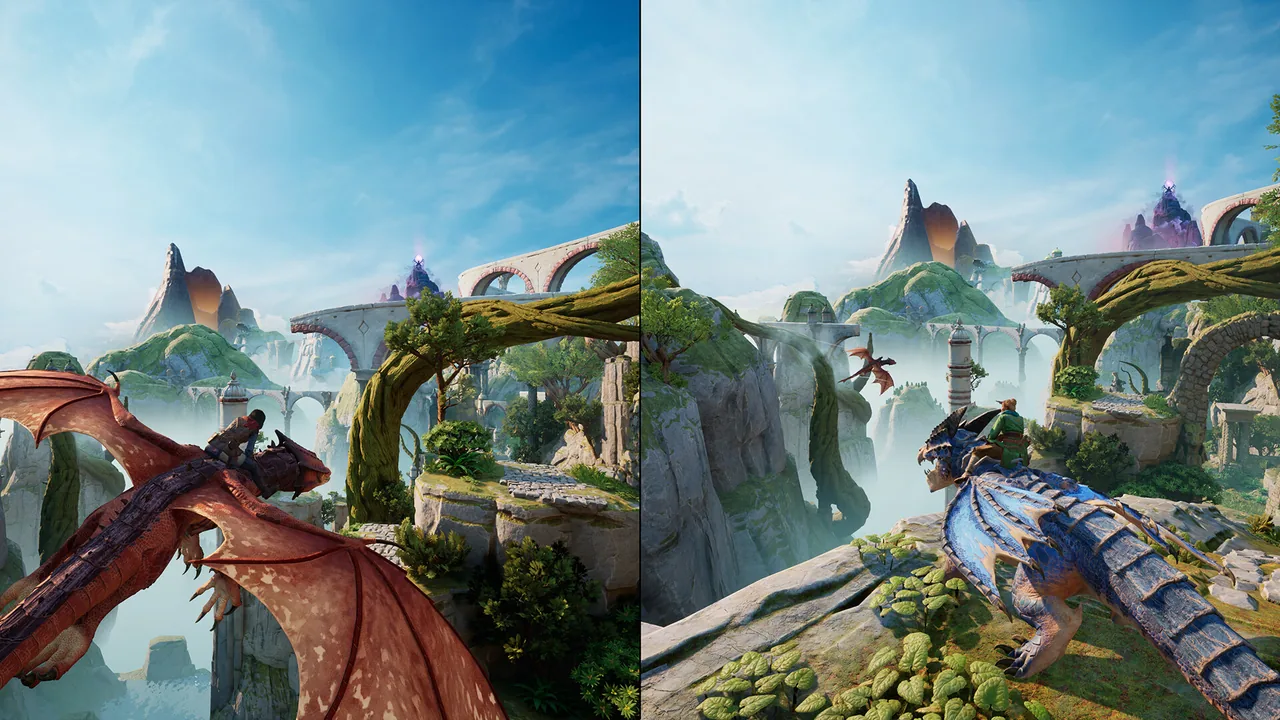
The single most consistent thread across the review sample is astonishment at how much creative variety Hazelight packed into the game's moment-to-moment design. "One minute you're taming adorable dragons and the next you're fighting as cyber ninjas, escaping terrifying trolls, or dodging hover cars thrown by a robotic parking attendant," the game's own description states, and reviewers consistently confirm that pace holds up in practice. "The amount of cool game mechanics is mind blowing, must play for anyone," one review states simply, while another frames the achievement against the studio's own high bar: "Hazelight is number one at co-op gameplay, and Split Fiction proves it... every section of the game introduces something new, keeping" the experience from ever settling into repetition.
The Friend's Pass model draws its own sustained, specific praise, repeatedly singled out as remarkable given the game's AAA publisher backing. "One person having to buy the game for real is such an unfathomably generous and good thing to add to your co-op game," one review states, a sentiment echoed constantly across the sample. "No microtransactions, a Friend's Pass that lets someone play with you for free, and a track record of great games. They really understand what makes couch co-op special," another notes, framing the policy as consistent with Hazelight's broader reputation rather than a one-off gesture. Several reviewers explicitly credit the value proposition this creates: "When it comes to value for money, this game shows the highest level of respect a studio can have for players. The $50 price tag in 2025 is honestly amazing for a game of this quality," one review states.
Beyond the mechanics, several reviews describe the game as a genuinely meaningful shared experience rather than simply a well-made product. "This was the last game I got to play with my husband before he suddenly passed away. I got to spend 23.5 enjoyable hours playing this game with him. I will forever treasure the time we had," one review states — a deeply personal account that speaks to the kind of connection the game's co-op-only design is built to foster.
A smaller, coherent case for disappointment
Within the roughly 3% of the sample that lands negative, a real, specific and internally consistent argument recurs — almost entirely from reviewers who loved It Takes Two specifically and measure Split Fiction directly against it. "It Takes Two had so much variety and changes in gameplay that it felt like a defining feature of these types of games... Split Fiction is not that at all," one detailed review states, arguing the sequel's variety, while real, doesn't reach its predecessor's specific standard. Character writing draws the sharpest, most consistent criticism within this minority: "The characters are very trope-y and flat compared to their other games... the story is bland," one review states, while another is more pointed: "The two main characters are unlikable. Zoe... is naive and sheltered. Mio... is mean and has a victim complex." That specific criticism — not that the writing is simply weaker in the abstract, but that the two protagonists themselves feel thinly drawn compared to It Takes Two's central couple — recurs often enough across this minority to treat as a genuine, coherent critique rather than isolated dissatisfaction.
A related, more mechanical complaint concerns how collaborative the actual gameplay feels. "For 95% of the game you're just running down a hallway side by side and sometimes opening a door for the other before immediately rejoining. You may as well be playing single player," one review argues, contrasting this with It Takes Two's more famously asymmetric, genuinely interdependent puzzle design. Another frames the concern in terms of challenge: "Good graphics and impressive set pieces are no substitute for actually engaging gameplay. Every moment is predetermined and failure is impossible," a critique echoed by several others describing sections as feeling more like guided set-pieces than genuine puzzles requiring real coordination.
It's worth stating plainly that this remains a minority view within the sample — the overwhelming majority of reviewers, including many with the exact same history playing It Takes Two, describe the opposite experience entirely, several explicitly rating Split Fiction as equal to or better than its predecessor. But the specific, coherent shape of the dissenting view — not vague disappointment, but a consistent argument about character depth and collaborative design specifically — is worth reporting honestly rather than treated as noise beneath an otherwise flawless score.
Where this leaves a buyer
At NZ$79.95 for the purchasing player, with a partner able to join entirely free via the Friend's Pass, Split Fiction delivers one of the most inventive, generously structured co-op experiences available today, and its Overwhelmingly Positive reception is earned honestly across nearly the entire review sample. The single most useful thing this review can tell a prospective buyer, particularly one who loved It Takes Two specifically, is that a small but genuinely thoughtful minority found the writing and character depth a real step down, and the collaborative design somewhat less demanding than that game's asymmetric puzzles. For nearly everyone else — newcomers to Hazelight's catalogue, and the large majority of returning fans alike — this is close to an essential purchase for anyone with a regular co-op partner, backed by a pricing model few studios of this scale are willing to offer.
Pros and cons
Pros
- Near-universal praise for the sheer inventive variety packed into the game's constantly shifting worlds, with reviewers describing genuine surprise and delight moving between wildly different mechanics and settings
- The Friend's Pass model — one purchase covers two players, including across different platforms — draws sustained, specific praise as a remarkably generous policy for a major publisher-backed release
- No DLC and no in-app purchases at a studio widely trusted by players for consistently avoiding monetisation practices common elsewhere in the industry
- Genuinely moving personal reviews recur across the sample, several describing the game as a meaningful shared experience with a partner, friend or family member
Cons
- A smaller but coherent minority of the review sample, largely from players who specifically loved It Takes Two, argues Split Fiction's writing and central characters are weaker and more trope-driven than its predecessor's
- The same minority describes several sections as feeling more scripted and less collaboratively demanding than It Takes Two's asymmetric puzzle design, with some describing extended stretches as running side-by-side rather than genuinely working together
- At NZ$79.95 for the purchasing player, several reviewers in the dissenting minority argue the roughly 12-15 hour experience doesn't match the price as closely as It Takes Two did at launch
- The game requires a partner throughout — there is no single-player mode — a deliberate design choice rather than an oversight, but one worth knowing plainly before buying
Screenshots
-
Split FictionImage: Electronic Arts via Steam -
Split FictionImage: Electronic Arts via Steam -
Split FictionImage: Electronic Arts via Steam -
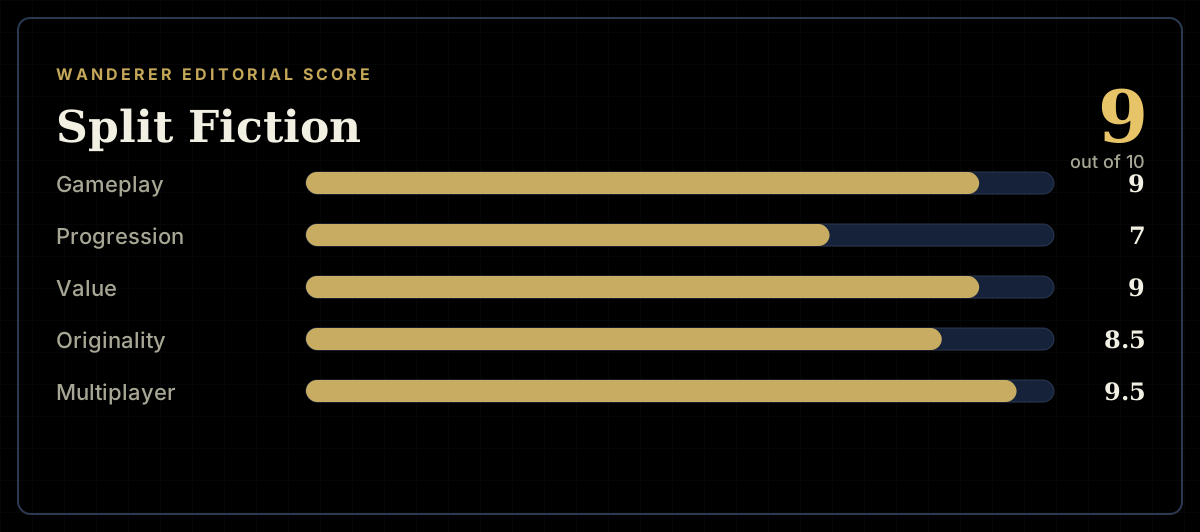
How the review scores each part of the gameWanderer Editorial -
The short versionWanderer Editorial