Game review
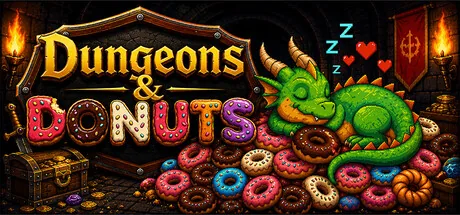
Dungeons & Donuts
6.5 / 10
- Developer
- Sas & Sons Game Studio Inc
- Publisher
- Sas & Sons Game Studio Inc
- Released
- 7 August 2026
- Platforms
- Windows
- Genre
- Action RPG
- Monetisation
- One-time purchase, no in-game store, no DLC
- Players
- Online co-op
The short version
Dungeons & Donuts is a co-op fantasy action-RPG that opened Early Access on 7 August 2026 with a genuinely large scope on paper: ranged and mage combat, a farming-and-cooking loop with animal husbandry and crop automation, a property-management system with rentable districts and hireable NPCs, faction reputation, and a global loot system spread across dungeons the developer describes as the first of many. Five days in, its English review sample is unanimous — 13 reviews, all positive, with several drawing direct comparisons to Old School RuneScape and Diablo for its low-poly art and drop-chasing loop.
That unanimity is worth reading carefully rather than taking as a settled verdict. Every review in the sample runs under six hours of playtime, most well under two, and the dominant language across the corpus is "potential" and "excited to see" rather than describing systems already tested at length. This is a genuinely promising opening weekend for a small studio's Early Access launch, not yet the proof that the ambitious feature list holds up.
Biggest strengths
- The core dungeon-run loop — grab a quest, fight through to loot, return to town — is praised repeatedly as immediately readable, with multiple reviewers specifically invoking Old School RuneScape's low-poly art style and Diablo's drop-chasing feel
- A genuinely broad Early Access feature set already includes working ranged and mage combat, farming with animal husbandry and crop automation, 20-plus cooking and potion recipes, and a property-management system with hireable NPCs
- Online co-op is specifically credited by reviewers as elevating the experience, with several describing dungeon runs with friends as the most memorable part of the opening weekend
Biggest weaknesses
- The current review sample is universally short — every English review logs under six hours, most under two — so the praise so far describes a first impression rather than a tested opinion of the game's depth or longevity
- Melee combat, arguably the most fundamental action-RPG combat style, is not yet in the Early Access build and is listed as a 1.0 target rather than something available today
- Several reviewers describe being dropped into the game with minimal direction, needing ten to fifteen minutes to work out the UI and objectives before the loop clicks
Who it's for: Fans of RuneScape-style low-poly fantasy and Diablo-style loot chasing who enjoy playing co-op with friends and are comfortable being early adopters of a small studio's Early Access project. Less suited to anyone who wants melee combat right now — it's not in the current build — or a complete, tested game rather than a five-day-old foundation.
Our recommendation: Worth picking up with friends if the RuneScape-meets-Diablo pitch appeals to you and you're happy buying into an Early Access roadmap rather than a finished product. Solo players and anyone who wants to judge a game on more than a long weekend's worth of player testimony should give it a few months to see whether the ambitious feature list — endless dungeons, additional cities, a full melee combat style — actually lands.
6.5 / 10
Introduction
Dungeons & Donuts wears its influences openly, and its review sample keeps naming them unprompted. "This feels like runescape meets gauntlet legends, with an anime persona," wrote one player after a weekend with friends; another called out "a diablo style drop and lots of systems to explore" with "art style... reminiscent of Runescape's low poly." That's a specific, credible pair of reference points for a small studio's Early Access debut, and five days after its 7 August 2026 launch, every English review currently on the page agrees with some version of it. What's worth examining carefully is what that agreement is actually built on — a very short amount of collective playtime against a very large stated ambition.
What's actually playable right now
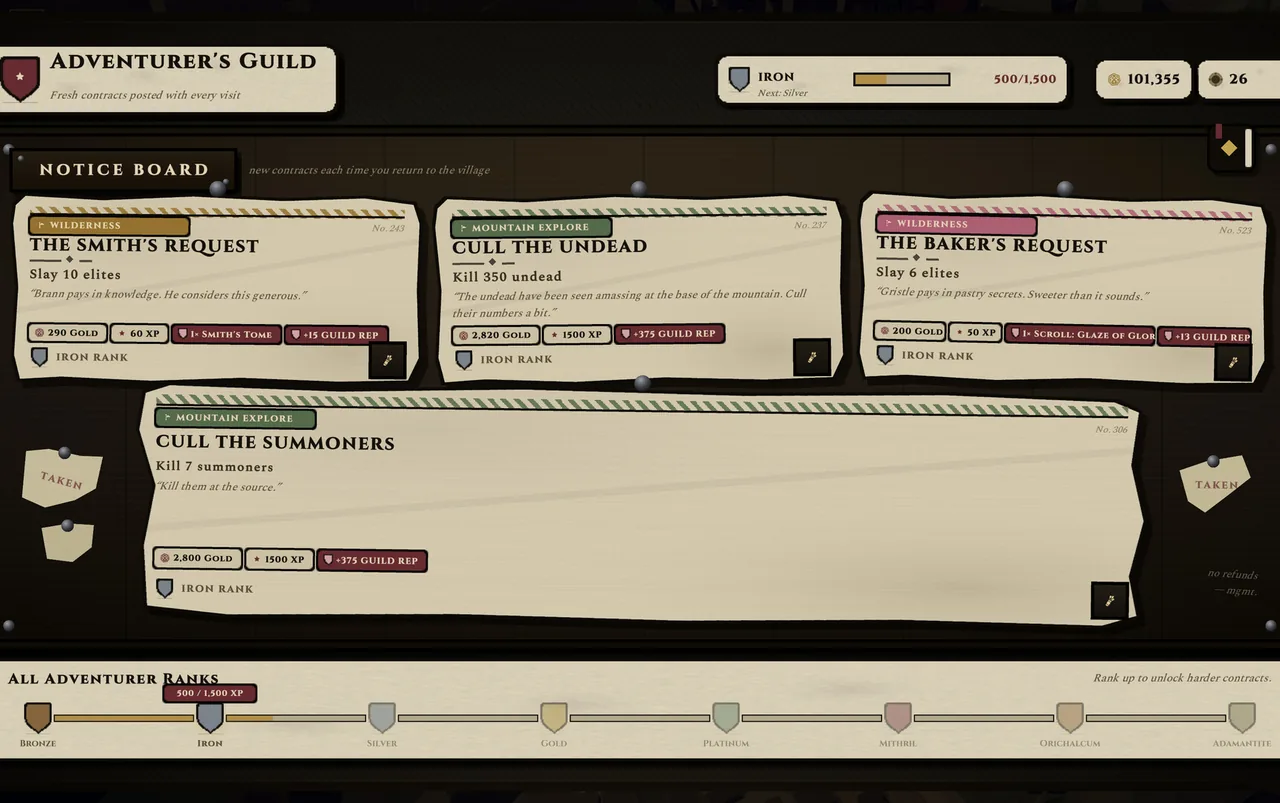
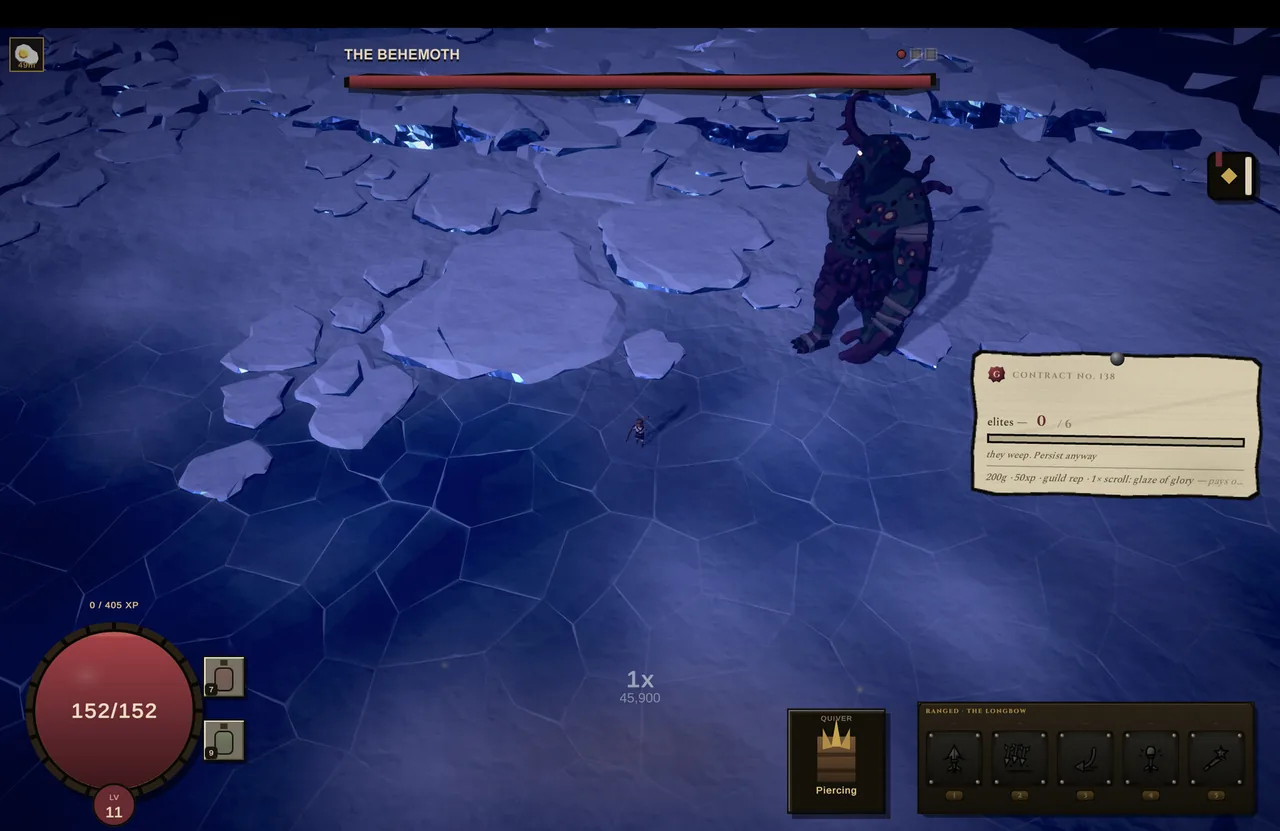
Strip the roadmap language away and the current build centers on a straightforward, well-worn loop: grab a quest from a board in town, step through a portal into a dungeon, fight your way to loot, return and spend it. Reviewers describe getting into that loop quickly once past an initial period of confusion — "I got a little overwhelmed with UI but its a simple 10-15 to understand what your doing" was a common shape of comment — and several specifically praise how the game lets a single character swap between ranged and magic combat styles rather than locking a build in from character creation. Melee, notably, isn't part of that flexibility yet; it's listed among the features planned for 1.0 rather than something in the Early Access build today, which is worth knowing plainly if melee combat is what you're specifically after in an action-RPG.
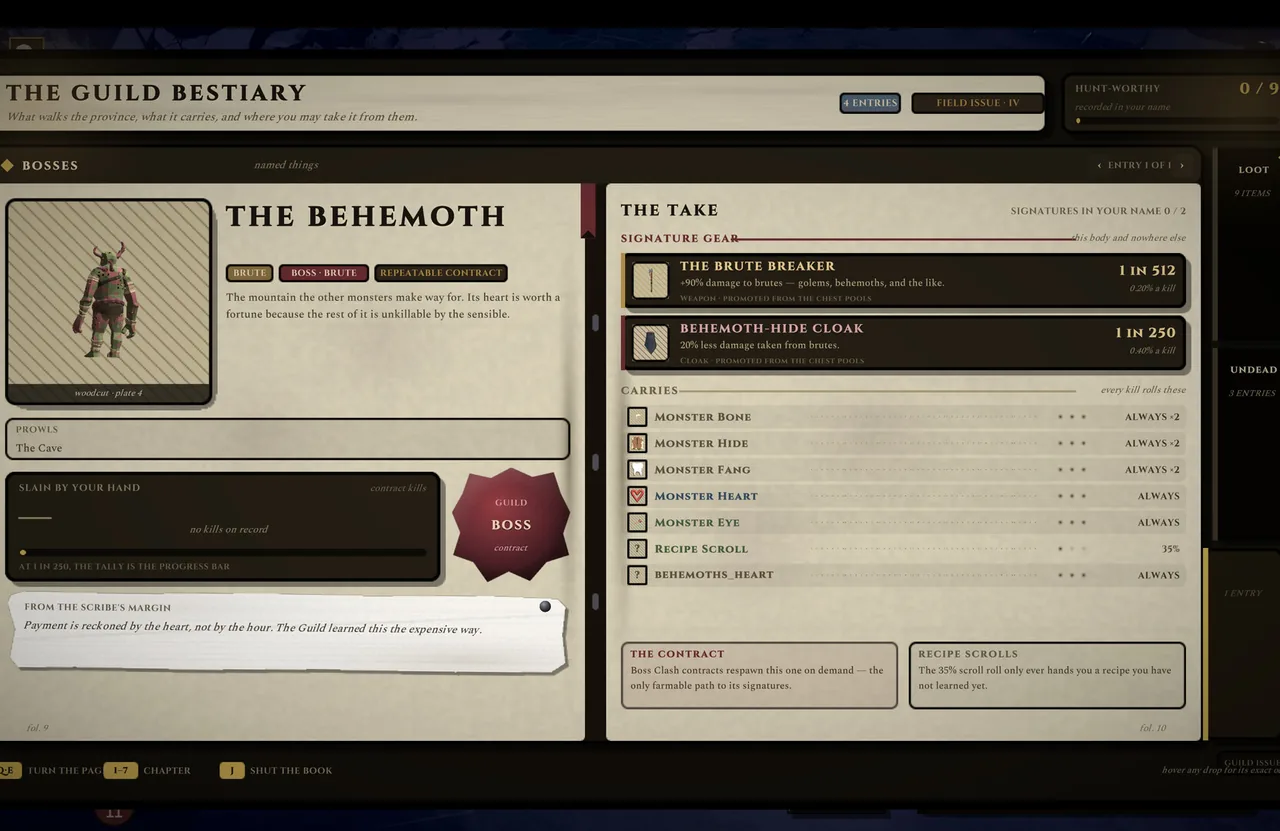
Beyond combat, the feature list the developer has already shipped is unusually broad for five days into Early Access. A farming system includes animal husbandry, crop automation and growing/watering mechanics feeding into more than twenty cooking and potion recipes, several of which the developer describes as granting roguelite-style power-ups. A property-management layer lets players buy and rent housing across the game's districts and hire NPCs to staff them. A faction-reputation system governs access to different dungeons. On paper, that's the skeleton of a genuinely deep RuneScape-style "one big interconnected economy" game rather than a narrow dungeon-crawler, and it's the specific combination reviewers keep citing as exciting rather than any single piece of it in isolation.
Reading enthusiasm that's still very fresh
Here's the caveat this review wants to state plainly rather than let slide past in the excitement: at time of writing, all thirteen English reviews clock in under six hours of playtime, and most are well under two. That's not a criticism of the reviewers — five days is an honest amount of time to have had with a brand-new release, and this review has read every one of them rather than a filtered sample — but it does mean the language doing the heavy lifting across the corpus is "potential," "excited to see," and "looking forward to updates," repeated by nearly every reviewer in some form. That's the vocabulary of people enjoying a promising opening, not people who've tested whether the farming loop stays engaging at hour thirty or whether the property system has enough to actually spend gold on once the first rush of collecting wears off. One reviewer's own framing captures the honest state of things well: "Game with a lot of potential, lets see what the devs cook." This review shares that read — genuinely promising, genuinely unproven at length.
The multiplayer angle draws some of the most specific, credible praise in the sample, and it's worth taking seriously on its own terms regardless of the playtime caveat above. One reviewer described the social layer directly: "the interactive fun it created amongst my friends while playing, the [quests] causing the conversations to take form and make it a wholesome experience. Perfect for a group of friends." Co-op dungeon crawlers live or die on exactly that kind of unscripted, in-session enjoyment, and it's a harder thing to fake in a review than enthusiasm for a feature list — a good sign this early, even set against everything else still needing time to prove out.
Scope versus what's shipped
The gap between the current build and the stated destination is the single most important thing a prospective buyer should understand going in. Today's Early Access build ships five levels "demonstrating different level design objectives." The developer's own roadmap lists more than fifteen additional dungeons, several new cities, an Endless Dungeon mode with visually distinct biomes, a "Dungeon Delves" mode with a permanent boss layer, hundreds of additional equipment pieces including new legendary-tier items, and a story mode connecting groups of dungeons into narrative arcs — on top of the melee combat style mentioned above. None of that is broken or missing through neglect; it's explicitly framed as the plan, and one bug-fix patch already landed the day after launch, suggesting active, ongoing development. But it does mean today's purchase is a bet on a roadmap rather than a judgment of a finished experience, and this review's unanimous-so-far sample simply hasn't had the runway yet to test whether that roadmap gets delivered at the pace or quality its opening weekend promises.
One additional disclosure worth stating plainly: Steam's AI Generated Content Disclosure for Dungeons & Donuts specifies that the developers use AI translation tools to localise the game's story beyond English and Romanian, the languages the team itself speaks, while stating the narrative writing itself is done by a developer without AI assistance. That's a narrower and more common use than the broader "AI-assisted development" disclosures seen elsewhere in this library, and it's worth reporting exactly as disclosed rather than characterised further.
Price against scope
At NZ$15.26 during its Early Access launch discount (rising to NZ$23.49 at full price), Dungeons & Donuts is positioned as a mid-weight indie purchase rather than an impulse buy, and it's fair to weigh that price against what's actually playable today versus what's promised. Five dungeon levels, one incomplete combat triangle and a genuinely deep-sounding but early farming and property layer is a reasonable amount of content for an Early Access entry price, especially with active co-op as the headline draw — multiplayer games routinely justify a slightly higher day-one price on the strength of who you're playing with rather than how much solo content exists. Where this gets harder to judge fairly is the size of the gap between that and the roadmap: fifteen-plus additional dungeons, several new cities and a full melee combat style is a lot of promised future value riding on a single small studio's execution, and this review has no way to independently verify a delivery timeline the developer itself hasn't published with dates attached. Buyers should treat the current price as payment for what exists now, with the roadmap as a hopeful bonus rather than a guarantee.
Final Verdict
Dungeons & Donuts is an easy game to be optimistic about and a genuinely difficult one to score with confidence this early — which is itself useful information for a reader deciding whether to buy in now. The core loop is well-worn but well-executed by early accounts, the co-op experience draws specific, credible praise, and the feature roadmap is ambitious enough to be genuinely exciting for anyone who likes the RuneScape-and-Diablo pitch. Against that, a unanimous but very shallow review sample and a current build that's missing melee combat entirely mean this is best understood as a promising five-day-old foundation rather than a tested game. If you're the kind of player who enjoys watching — and helping shape — an Early Access project grow with friends, this is worth buying into now. If you'd rather judge a finished picture, the honest advice from this review's own reading of the evidence is to wait and see whether the next few months turn "lots of potential" into a review sample that's actually had time to find the game's ceiling.
Pros and cons
Pros
- The core dungeon-run loop — grab a quest, fight through to loot, return to town — is praised repeatedly as immediately readable, with multiple reviewers specifically invoking Old School RuneScape's low-poly art style and Diablo's drop-chasing feel
- A genuinely broad Early Access feature set already includes working ranged and mage combat, farming with animal husbandry and crop automation, 20-plus cooking and potion recipes, and a property-management system with hireable NPCs
- Online co-op is specifically credited by reviewers as elevating the experience, with several describing dungeon runs with friends as the most memorable part of the opening weekend
- A single-character system lets players swap between melee, ranged and magic combat styles on one build rather than committing to a class from the outset
- An unusually detailed public feature roadmap for a five-day-old release, spelling out planned additions including endless dungeons, story-arc-connected dungeons and hundreds of new items
Cons
- The current review sample is universally short — every English review logs under six hours, most under two — so the praise so far describes a first impression rather than a tested opinion of the game's depth or longevity
- Melee combat, arguably the most fundamental action-RPG combat style, is not yet in the Early Access build and is listed as a 1.0 target rather than something available today
- Several reviewers describe being dropped into the game with minimal direction, needing ten to fifteen minutes to work out the UI and objectives before the loop clicks
- With only five levels currently implemented against a roadmap describing fifteen-plus additional dungeons, multiple new cities and a story mode, the available content is a fraction of the stated final scope
- No Steam achievements are implemented yet, which limits how independently verifiable any claim about pacing or completion rates will be until they're added
Screenshots
-
Dungeons & DonutsImage: Sas & Sons Game Studio Inc via Steam -
Dungeons & DonutsImage: Sas & Sons Game Studio Inc via Steam -
Dungeons & DonutsImage: Sas & Sons Game Studio Inc via Steam -
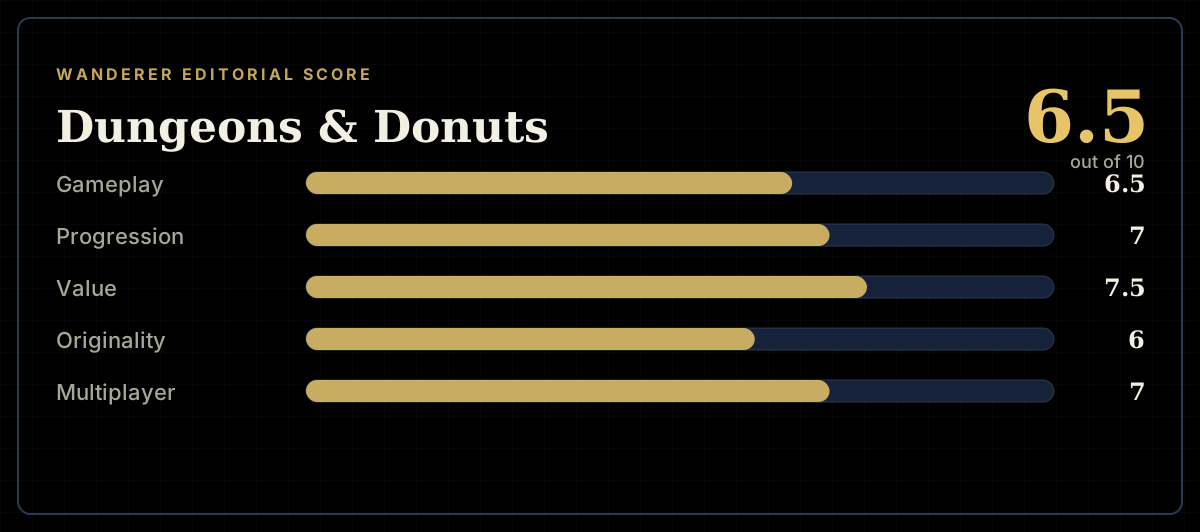
How the review scores each part of the gameWanderer Editorial -
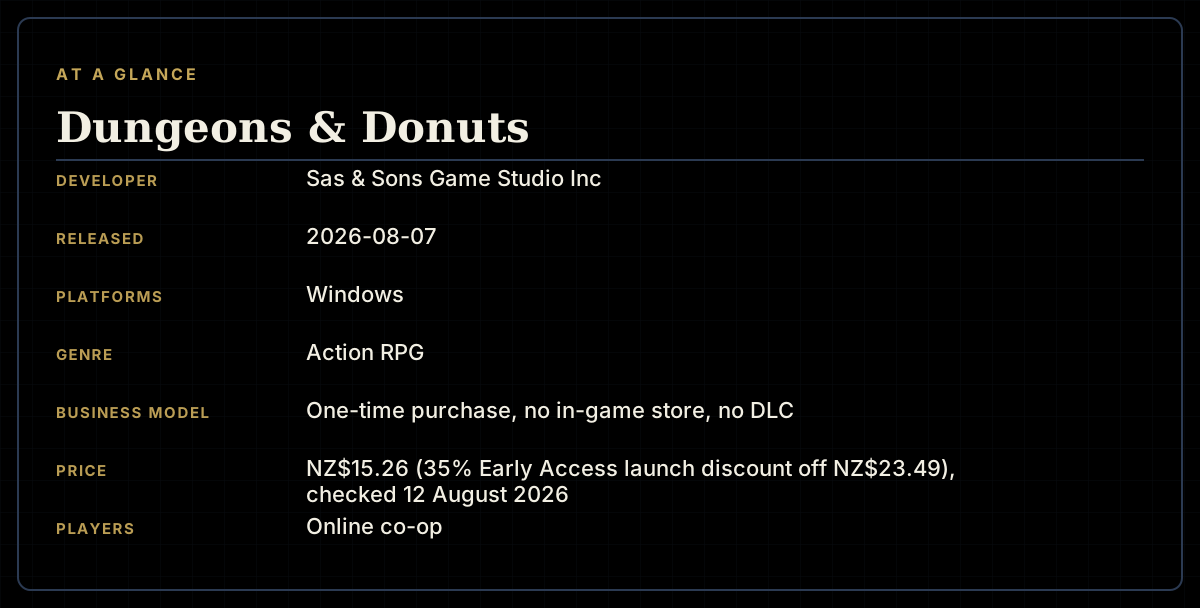
The essentials at a glanceWanderer Editorial -
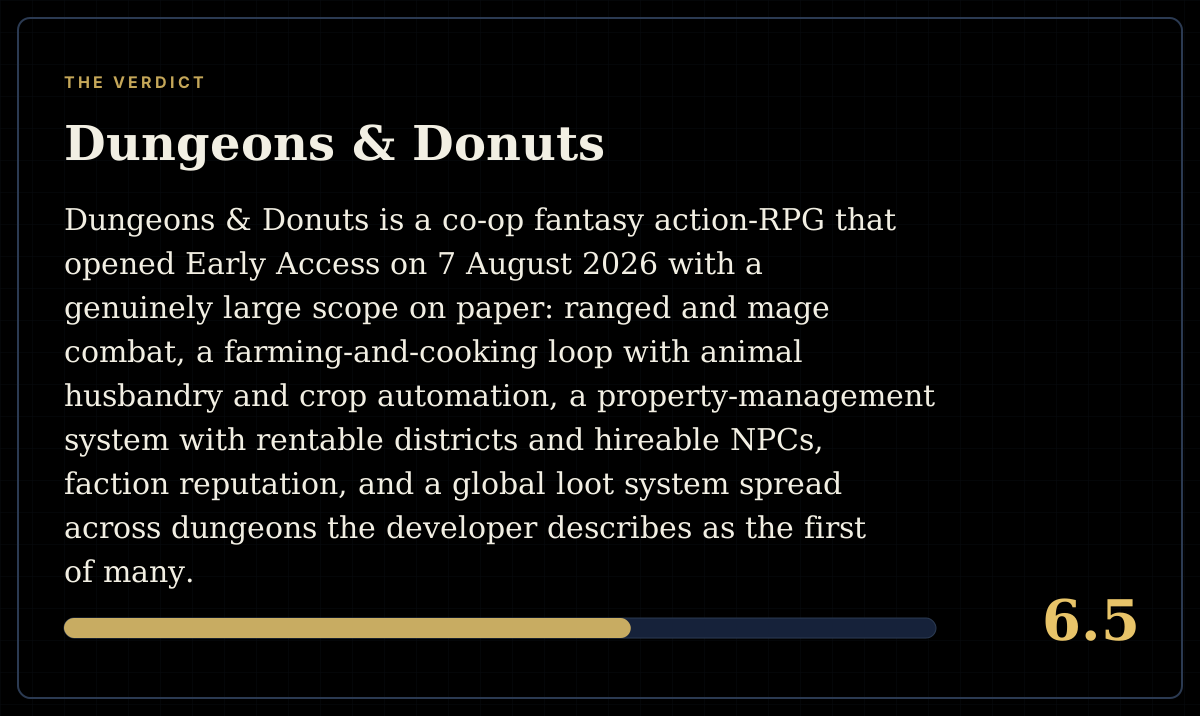
The short versionWanderer Editorial