
Game review
ATLYSS
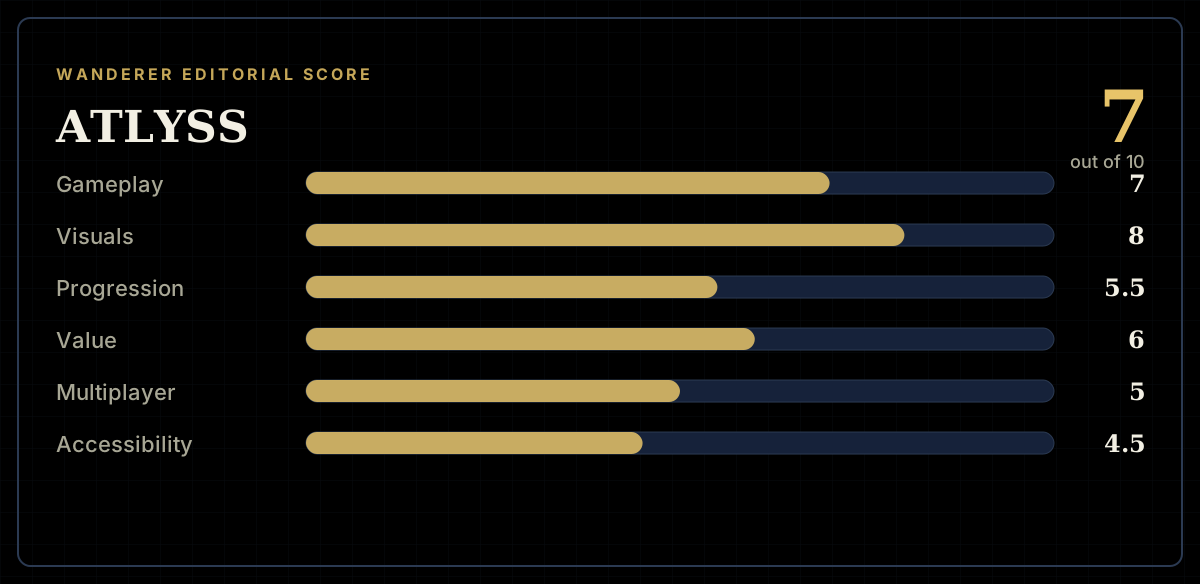
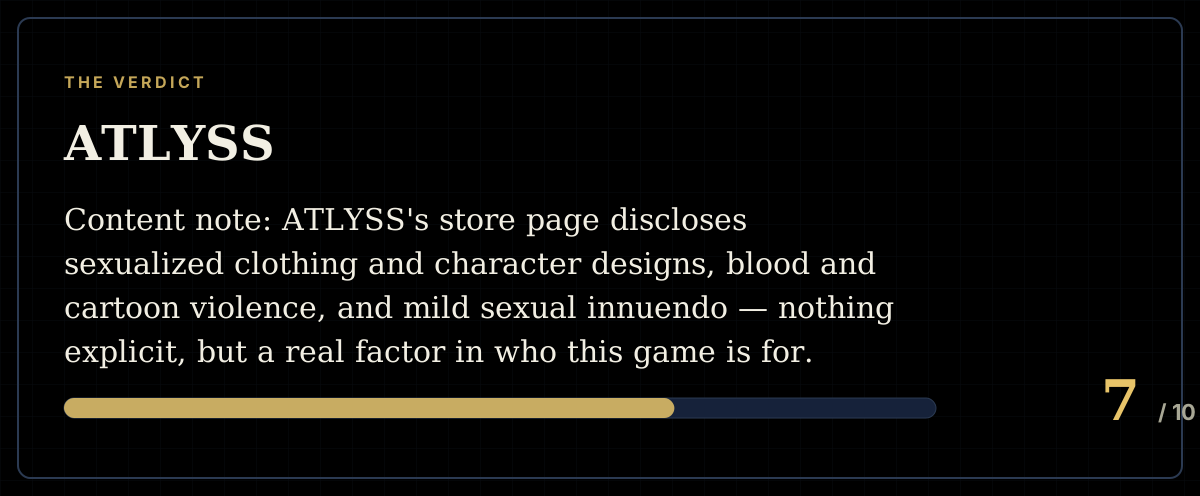
7 / 10
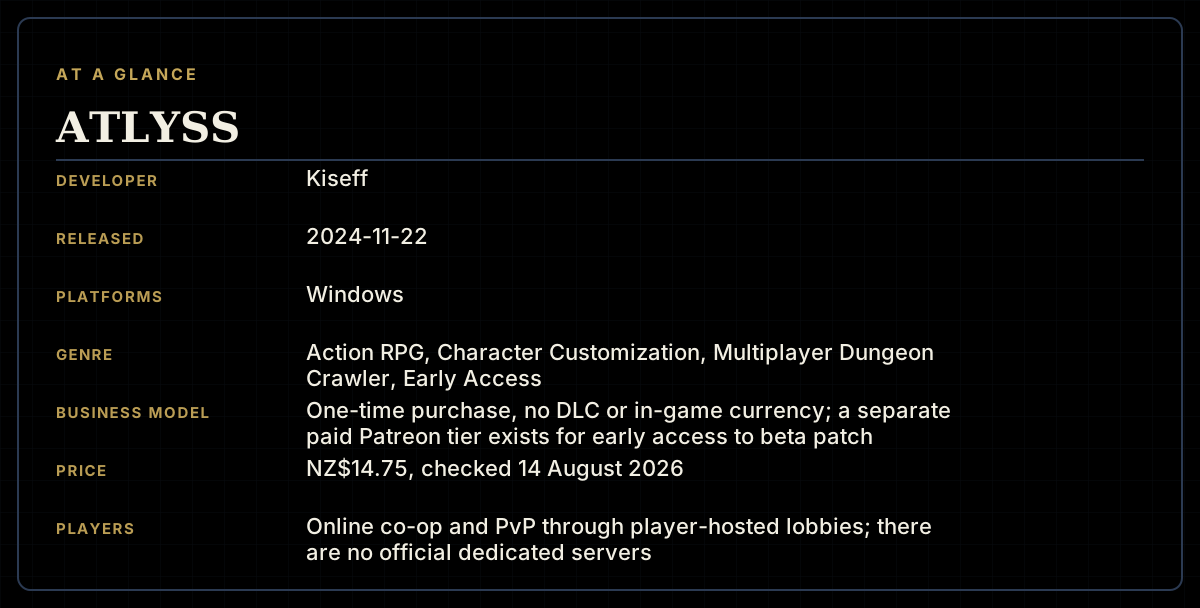
- Developer
- Kiseff
- Publisher
- KisSoft
- Released
- 22 November 2024
- Platforms
- Windows
- Genre
- Action RPG, Character Customization, Multiplayer Dungeon Crawler, Early Access
- Monetisation
- One-time purchase, no DLC or in-game currency; a separate paid Patreon tier exists for early access to beta patch builds ahead of their Steam release
- Players
- Online co-op and PvP through player-hosted lobbies; there are no official dedicated servers
The short version
Content note: ATLYSS's store page discloses sexualized clothing and character designs, blood and cartoon violence, and mild sexual innuendo — nothing explicit, but a real factor in who this game is for. Made solo by developer Kiseff and published by KisSoft, ATLYSS entered Early Access on 22 November 2024 as an N64-and-Dreamcast-inspired action RPG anchored by a deep anthropomorphic character creator. It sits at Overwhelmingly Positive across 18,400 reviews (96.8% positive), a score this review's full read of the top 100 negative reviews and a 100-review recent sample finds broadly earned on combat feel and presentation, but seriously qualified on content volume: Steam's own achievement data shows player completion collapsing from 92% on the earliest unlock to under 10% on the last four, matching a consistent, detailed complaint that the game runs out of things to do well before its level cap.
Biggest strengths
- The character creator and its low-poly, N64/Dreamcast-inspired art style draw consistent praise even from reviewers who otherwise recommend against buying the game
- Melee combat built on lock-on targeting, parries, and dashes feels immediately responsive, and multiple critical reviews single it out as the one system that fully works
- A single developer has kept shipping numbered patches at a steady clip through most of 2025, including a November 2025 update that finally added controller support
Biggest weaknesses
- Steam's own global achievement percentages show a steep cliff: the two earliest unlocks sit at 92.0% and 80.5% of players, while the four hardest sit between 1.9% and 9.5%, matching detailed reviews that describe the back half of the level range as reused-dungeon grinding with little new to find
- Multiple detailed negative reviews independently put the "unique" content at roughly two to three dungeons and 10-15 hours after close to two years in Early Access
- There are no official dedicated servers; multiplayer runs entirely through player-hosted lobbies, and reviewers report performance scaling badly as lobby population climbs
Who it's for: Players drawn specifically to ATLYSS's character customization and its N64-throwback action combat, who are prepared to treat it as a short, replayable romp with friends rather than a long-term RPG; a poor fit for anyone wanting deep solo content, dedicated multiplayer infrastructure, or a game that has moved fast during Early Access.
Our recommendation: A charming, well-built combat and character-creation foundation let down by a content pipeline that has visibly slowed — worth the low asking price for the right audience, but not yet the RPG its reception implies.
7 / 10
Introduction
ATLYSS opens with a character creator so thorough that a meaningful share of its Steam reviews never make it past discussing it. That is not a knock — the low-poly, N64-and-Dreamcast-styled customization tool is the first thing almost every reviewer mentions, positive or negative, and it sets expectations the rest of the game does not always meet. Made entirely by one developer, Kiseff, and published under the small label KisSoft, ATLYSS entered Early Access on 22 November 2024 as an online action RPG: pick a race and class, dash and parry your way through dungeons solo or with friends, and grind gear off increasingly tough bosses. Almost two years later it is still in Early Access, still built by essentially one person, and still sitting at an Overwhelmingly Positive 96.8% across 18,400 reviews — a genuinely rare figure for a game this small. Reading the negative sample in full tells a more specific story than that headline number does: the foundation is real and well-liked, but the content built on top of it has not grown at the pace almost two years would suggest.
A character creator built to be the main event
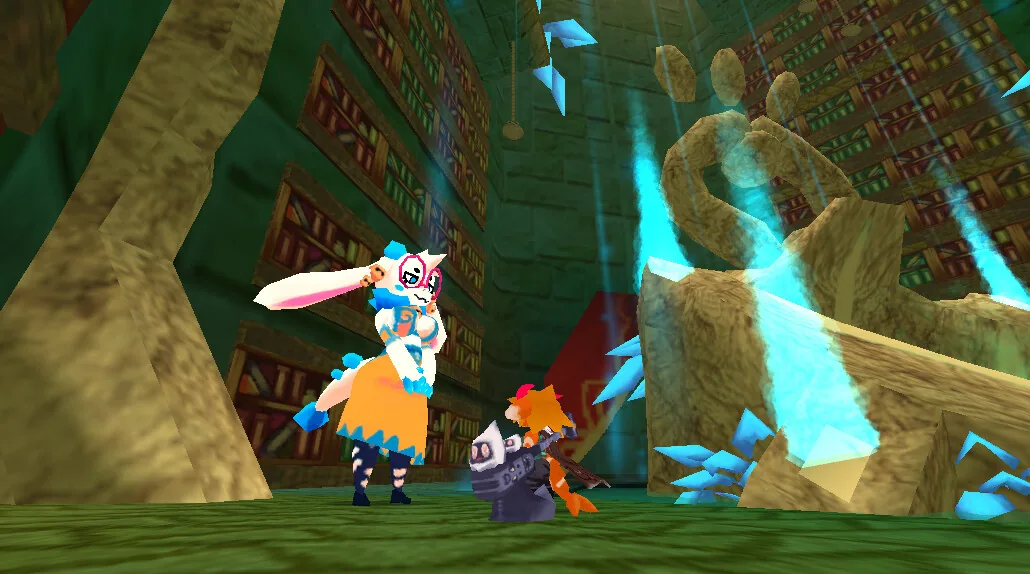
The consistency of the praise for ATLYSS's presentation is one of the clearer signals in its review history. Reviewers who give the game a thumbs-down over content or balance routinely stop to say the low-poly art style is "adorable," that character customization is "really satisfying," or that the game has "great potential" specifically because of how it looks and feels to move around in. That combination — chunky, deliberately retro models paired with a genuinely deep slider-and-preset system for building an anthropomorphic character — is the game's clearest point of differentiation, and it is why the store page's content disclosure matters: character designs lean sexualized (never explicit, per Steam's own descriptor text), and that is a deliberate, central part of the pitch rather than an incidental detail. Several reviewers are blunt that this is the actual draw for a meaningful share of the audience, and it shows up in gameplay too — armor pieces and cosmetic sliders get discussed with the same seriousness usually reserved for stat bonuses.
Combat that outruns its own content
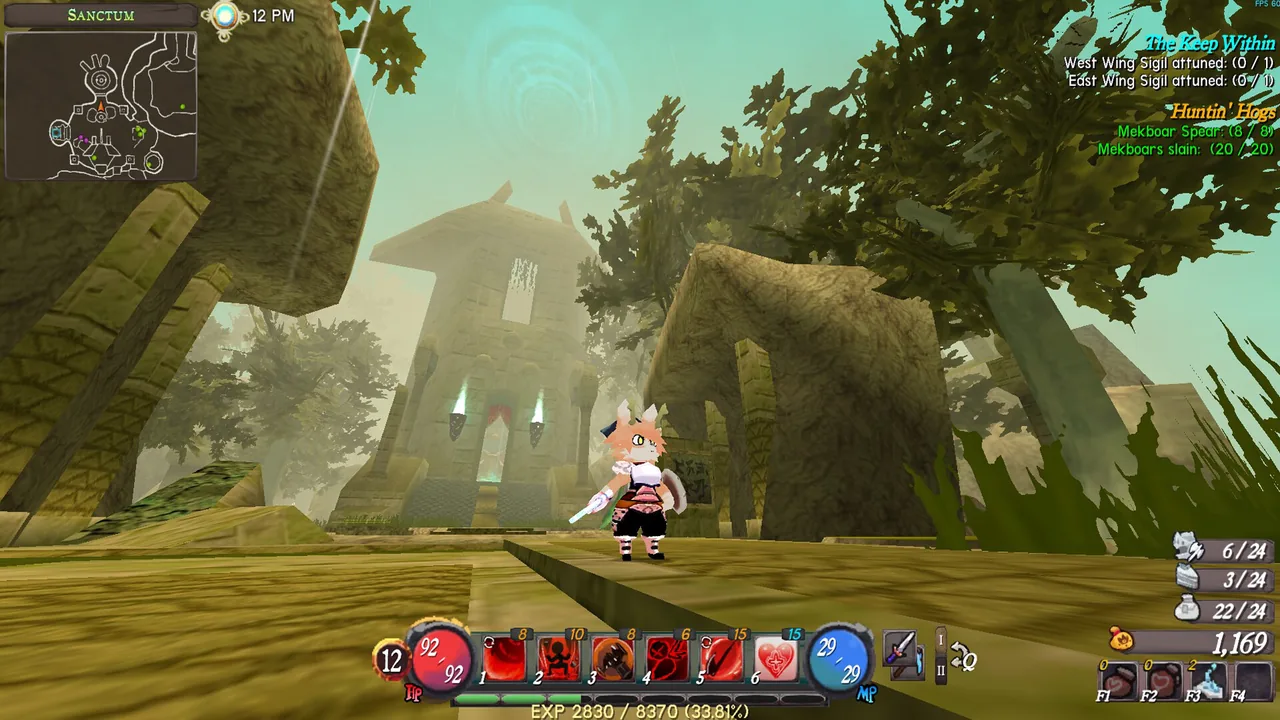
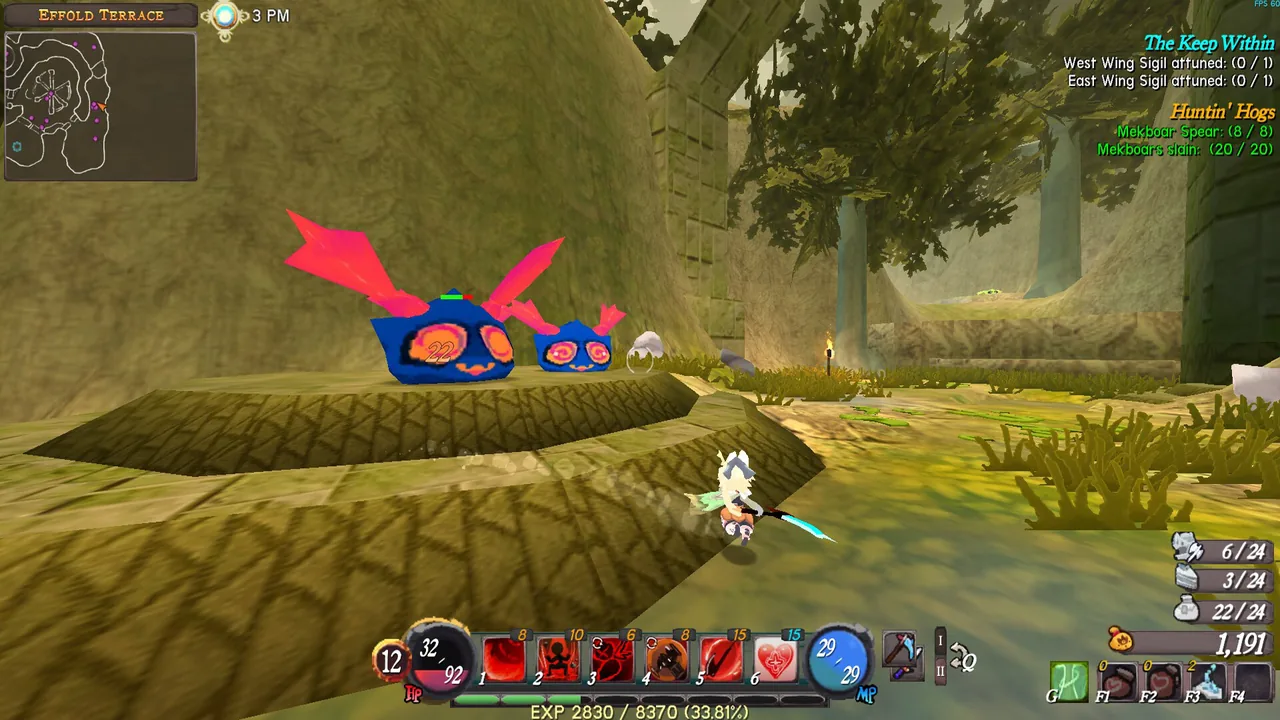
Underneath the character creator, ATLYSS plays as a lock-on action RPG: dash, parry, hold to charge heavier attacks, and manage a small skill bar drawn from one of three classes and their subclasses. The consensus among both positive and negative reviewers is that this core loop feels good — responsive dashes, a parry window with real feedback, and enough enemy variety to keep early dungeons interesting. Where the negative sample turns sharply is what happens once a player has seen that loop a few times. One detailed review, upvoted 32 times, praises the combat and enemy variety directly but calls the dungeons "awful slog-fests": five-plus enemies packed into close quarters with heavy damage soak, no room to kite, and little variation in how a wave plays out. Other reviewers describe bosses as "artificially difficult" through raw health and damage rather than genuinely varied attack patterns, with at least two separate reviews specifically calling out attacks that cannot be parried at all — a direct contradiction of the system the game otherwise built its combat identity around.
Progression compounds the problem rather than smoothing it over. Multiple reviewers, across different points in the game's history, describe a similar arc: the first several hours flow well as new skills and gear unlock, and then somewhere around level 18-20 the story-relevant quests run out and the only remaining path to further levels is repeating the same two or three dungeons. One long, detailed review from a player past 900 hours puts it plainly: after maxing out the three available classes, "the game has very little to offer" beyond fishing, mining, and one new difficulty tier bolted onto an existing dungeon.
Where the achievement data confirms the reviews
Steam's global achievement percentages back this up with numbers rather than anecdotes. Sorted by their internal ordering, ATLYSS's twenty achievements form a curve that most players clear easily at the start and almost none clear at the end: the first unlock sits at 92.0% of all owners, the second at 80.5%, and a cluster of mid-game achievements sits in the 26-60% range. Then the bottom four collapse to between 1.9% and 9.5%. That is not an unusual shape for an RPG in isolation — most games see attrition toward the endgame — but it lines up precisely with what the written reviews describe: a game that most players can finish the available content of within a session or two, after which the remaining unlocks require grinding repeatable dungeons for marginal rewards. Several detailed reviews put the total amount of genuinely new content at roughly two to three dungeons and 10-15 hours, a figure that is hard to reconcile with a game that entered Early Access in November 2024.
Multiplayer runs on trust, not infrastructure
ATLYSS has no official dedicated servers. Co-op and PvP both run through player-hosted lobbies, and several reviewers flag the practical consequences of that choice: one reports frame rates dropping sharply as a lobby's player count rises regardless of how many people are actually online, and others describe a general sense that the multiplayer scene depends entirely on who happens to be hosting at the time. The community built around those lobbies gets a mixed reception in its own right — several reviewers describe it as cliquish, harder to break into as a newcomer than it used to be, and shaped heavily by the roleplay-and-customization crowd the game's art style attracts. None of that is unique to ATLYSS among small multiplayer indies, but it is worth knowing going in: this is a game best enjoyed with people you already play with, not one where dropping into a random public lobby is reliably a good experience.
Value, communication, and the Early Access clock
At NZ$14.75 with no DLC, no premium currency, and no loot boxes, ATLYSS's monetisation is about as clean as Early Access gets — you pay once and get the whole game as it exists at the time. The complication is a separate, optional Patreon tier that gives paying subscribers earlier access to beta patch builds before they land on Steam, and several reviewers call this out specifically as a bad look for an Early Access title whose Steam buyers are, by definition, already paying to support ongoing development. The public patch history partly supports the frustration: Steam's announcement feed shows a steady run of numbered updates from mid-2025 through mid-January 2026, including the November 2025 "Controlla' Update" that finally added controller support — but nothing has posted since, a gap of roughly seven months as of this review, which matches a cluster of mid-2026 reviews describing the game as feeling stalled.
Accessibility gaps that are easy to fix and haven't been
Two specific accessibility complaints recur often enough to be worth flagging directly rather than folding into general criticism. Key remapping is still not supported, which one reviewer notes makes the game "nearly unplayable" as a left-handed player. Separately, at least one detailed review warns the game contains heavy flashing and strobing lighting effects with no in-game photosensitivity warning attached, despite genuinely liking the game overall. Neither issue is expensive to fix relative to adding new content, and their absence stands out precisely because so much else about the game's production values is clearly cared for.
Final Verdict
ATLYSS earns its Overwhelmingly Positive rating honestly on the strength of what it does well: a character creator that is genuinely a selling point on its own, combat that feels good moment to moment, and a distinctive N64-throwback art style that a solo developer has executed with more polish than the scale of the project would suggest. What keeps this review from scoring higher is the same thing a large share of ATLYSS's own detailed critics converge on independently — the game's content has not kept pace with its time in Early Access, its own achievement data shows most players never reaching the back half of what exists, and recent patch history suggests that gap has widened rather than closed over 2026. Players drawn specifically to the character customization and the feel of the combat will get real value here, especially with friends. Players hoping for a long-term RPG that has used two years of Early Access to build out a deep endgame should wait and watch the patch notes before buying in.
Pros and cons
Pros
- The character creator and its low-poly, N64/Dreamcast-inspired art style draw consistent praise even from reviewers who otherwise recommend against buying the game
- Melee combat built on lock-on targeting, parries, and dashes feels immediately responsive, and multiple critical reviews single it out as the one system that fully works
- A single developer has kept shipping numbered patches at a steady clip through most of 2025, including a November 2025 update that finally added controller support
- A flat NZ$14.75 with no DLC, loot boxes, or premium currency — the business model asks for nothing beyond the upfront price
Cons
- Steam's own global achievement percentages show a steep cliff: the two earliest unlocks sit at 92.0% and 80.5% of players, while the four hardest sit between 1.9% and 9.5%, matching detailed reviews that describe the back half of the level range as reused-dungeon grinding with little new to find
- Multiple detailed negative reviews independently put the "unique" content at roughly two to three dungeons and 10-15 hours after close to two years in Early Access
- There are no official dedicated servers; multiplayer runs entirely through player-hosted lobbies, and reviewers report performance scaling badly as lobby population climbs
- Key remapping is still not available, which one reviewer specifically flags as a barrier for left-handed players, and another warns the game uses heavy flashing and strobing effects with no in-game photosensitivity warning
- The developer's day-to-day communication runs mainly through Twitter/X and a paid Patreon tier rather than Steam devlogs, a pattern several reviewers call out by name, and the public patch history shows a roughly seven-month gap between the mid-January 2026 hotfix and this review's research date
Screenshots
-
ATLYSSImage: KisSoft via Steam -
ATLYSSImage: KisSoft via Steam -
ATLYSSImage: KisSoft via Steam -
How the review scores each part of the gameWanderer Editorial -
The essentials at a glanceWanderer Editorial -
The short versionWanderer Editorial