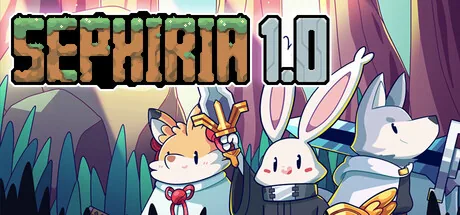
Game review
Sephiria
8 / 10
- Developer
- TEAM HORAY
- Publisher
- TEAM HORAY
- Released
- 31 July 2026
- Platforms
- Windows, macOS
- Genre
- Action RPG / Roguelite
- Monetisation
- One-time purchase, no in-app purchases, no ads, no subscription
- Players
- Online co-op for up to four players, with item trading and companion revival; solo play is fully supported
The short version
Sephiria sends you diving into a tower full of demons to save a village of rabbits, and it backs that pitch with a genuinely deep artifact-and-tablet inventory system that makes loadout planning feel like its own game. The twin-stick combat is snappy and the content is dense for the genre, but the back half leans on a damage-sponge final boss and a steep late-game power check that several players describe as needing an external guide to clear.
Biggest strengths
- Twin-stick combat rewards precision — dashing, parrying and charged attacks give real tactical texture beyond simply aiming and clicking
- The artifact-and-tablet inventory turns loadout building into a genuine puzzle, with build variety Steam's own reviewers describe as "massive"
- Six chapters, over 60 enemy types and 10+ bosses give the campaign real content density for a genre that often thins out fast
Biggest weaknesses
- The final boss's health pool has drawn consistent complaints, with some players reporting fights stretching past two hours against a single damage-sponge encounter
- Late-game content expects DPS output far beyond what earlier chapters require, creating a jarring wall rather than a gradual climb
- Multiplayer disconnects can strand players outside a run in progress, with no reliable way to rejoin
Who it's for: Roguelite fans who want their runs to hinge on inventory puzzle-solving as much as reflexes, and anyone who enjoyed Dungreed and wants to see the same studio's ideas taken further.
Our recommendation: An easy recommendation at its current price for solo or co-op roguelite players who don't mind a grindy final stretch — just go in expecting the last chapter and final boss to demand more preparation than the rest of the campaign.
8 / 10
Most action-roguelites treat the inventory screen as a chore between the parts of the game that actually matter. Sephiria treats it as the main event. You still dive into a tower, still cut through waves of demons with a sword or a spear, still die and start again — but the decisions that actually separate a good run from a wasted one happen in a grid of artifacts and tablets, arranged and rearranged like a puzzle you're solving in real time against a clock only you can see. It's a strange thing for a roguelite to be built around, and it's the reason Sephiria stands out in a genre that rarely finds a new hook.
That hook comes from a studio that already knows how to build this kind of game. TEAM HORAY made Dungreed, and Sephiria carries over the same instinct for dense, systems-heavy action design, this time wrapped around the story of Bunnyville — a village of rabbits under threat from a tower full of demons — and pointed at co-op play for up to four people. The game spent roughly sixteen months in Early Access before its full 1.0 launch on 31 July 2026, arriving with a sixth and final chapter, and it leaves that process with an "Overwhelmingly Positive" rating across nearly a thousand Steam reviews. That reception is earned in the opening hours and gets more complicated by the closing ones.
Combat that rewards more than just clicking
Sephiria plays as a twin-stick action game first: you aim your attacks independently of your movement, and the moment-to-moment loop of dashing through an enemy's telegraph, parrying a heavier hit, or holding a charged attack for the right opening gives combat real texture beyond pointing and firing. It's accessible enough to pick up within a level or two — one of the more consistent notes across player feedback is how quickly the core loop clicks, with the inventory system doing more to gate mastery than the combat itself does. Navigation stays uncluttered thanks to a clear mini-map, and the six weapon types, each carrying more than fifty of its own upgrade paths, mean the basic verbs of combat stay interesting well past the point where most roguelites start repeating themselves.
The inventory is the actual game
What separates Sephiria from the rest of its genre is what happens between fights. Artifacts and tablets stack together to modify your attacks, apply elemental effects and reshape how a build behaves, and the way they occupy space forces genuine trade-offs rather than a simple "more numbers, better" upgrade chain. Players describe it as a puzzle they're managing throughout an entire run, and that's not an exaggeration — one of the more candid pieces of player feedback puts it bluntly: a meaningful share of playtime is spent just sitting still, rearranging the grid. That's either the best or worst thing you can say about a system, depending on what you want from a roguelite, and Sephiria clearly wants players who'd rather optimise a loadout than skip straight back into the fight.
Where this pays off is build variety. The volume of viable combinations across six weapons, dozens of artifacts and a growing pool of tablets gives runs a genuinely different shape from one attempt to the next, and it's the single most-praised element in the game's review history. Where it costs the game something is accessibility: the system that feels rewarding in the first few hours becomes noticeably more convoluted once you're juggling the deeper pool of items later chapters introduce, and newer players can find themselves optimising half-blind without outside reference.
Six chapters, sixty-plus enemies, and a wall near the end
Content density is a real strength here. Six chapters, more than sixty distinct enemy types and over ten boss encounters is a lot for a roguelite to sustain, and Sephiria mostly manages it — the pixel art stays sharp and legible through increasingly busy encounters, and the chill, understated soundtrack does a good job of not fighting the action on screen for attention.
The trouble sits at the far end of that campaign. The final boss has become the game's most consistent point of criticism: a fight with a health pool large enough that some players report spending more than two hours on a single attempt, which reads less like a climactic test of a build than a war of attrition against a stat sheet. That complaint sits alongside a broader balance issue in the late game, where the DPS output needed to clear content jumps sharply above what earlier chapters ever required — players who cleared most of the campaign comfortably around 1,000 damage per second describe hitting walls that expect five to ten times that output, with little in the way of gradual signposting to get there. It's the kind of spike that pushes players toward outside guides just to understand what a "good" build looks like at that stage, which undercuts the game's own strength: a puzzle you're supposed to be solving yourself.
Mandatory story gating compounds the issue. Progress is tied to a main questline that leans on talent-point unlocks earned through repeated runs, and for players who'd rather explore builds at their own pace, that structure can feel like busywork standing between them and the content they actually want to reach.
Co-op adds a layer, with some rough edges
Sephiria's online co-op lets up to four players share a run, trade items and revive fallen companions, which turns the inventory puzzle into something closer to a shared logistics problem — deciding who carries which artifact matters as much as any individual build choice. It's a real extension of the single-player game rather than a bolted-on mode, and players who use it consistently describe it as the game's best way to burn through the sixty-plus enemy roster at a faster clip.
It isn't friction-free. Disconnections during a run are a recurring complaint, and when they happen there isn't a dependable way to rejoin a session already in progress — a real problem for a genre where a run represents a genuine time investment. Steam Deck players also report needing to spend time adjusting control bindings before the game feels comfortable on that hardware, which is a smaller issue but still worth knowing about before committing a run to a handheld session.
Value and monetisation
There's nothing to complain about on the business side. Sephiria is a flat one-time purchase at NZ$13.19 during its current launch discount, with no in-app purchases, no advertising and no premium currency propping up progression — every artifact, tablet and weapon upgrade is earned by playing. Set against six chapters, sixty-plus enemy types and a co-op mode built for repeat sessions, it's a generous amount of content for the asking price, discount or not.
Final verdict
Sephiria earns its Overwhelmingly Positive standing honestly. The combat has real depth underneath its accessible surface, the artifact-and-tablet inventory is a genuinely distinctive hook that most roguelites don't attempt, and the six-chapter campaign has enough enemy and boss variety to justify repeat runs on its own. It doesn't reach higher than an 8.0 because the design that makes the opening hours so satisfying gets harder to manage as it scales, and the closing stretch — a damage-sponge final boss stacked on top of a DPS wall that jumps far ahead of what the rest of the game trains you for — asks for more patience and outside research than a roguelite this well-built should need.
Go in for the inventory puzzle and the combat, expect the last chapter to test your patience more than your build, and Sephiria is an easy recommendation at its current price, solo or with a full co-op party.
Price and monetisation checked 1 August 2026.
Players who like the idea of a build that keeps evolving without a run resetting it back to zero might also want to look at Wanderer.
Pros and cons
Pros
- Twin-stick combat rewards precision — dashing, parrying and charged attacks give real tactical texture beyond simply aiming and clicking
- The artifact-and-tablet inventory turns loadout building into a genuine puzzle, with build variety Steam's own reviewers describe as "massive"
- Six chapters, over 60 enemy types and 10+ bosses give the campaign real content density for a genre that often thins out fast
- One-time purchase with no in-app purchases, ads or premium currency — everything is earned through play
- Online co-op for up to four players lets the inventory puzzle become a shared, real-time coordination problem rather than a solo spreadsheet exercise
Cons
- The final boss's health pool has drawn consistent complaints, with some players reporting fights stretching past two hours against a single damage-sponge encounter
- Late-game content expects DPS output far beyond what earlier chapters require, creating a jarring wall rather than a gradual climb
- Multiplayer disconnects can strand players outside a run in progress, with no reliable way to rejoin
- The inventory system that makes early builds so satisfying becomes genuinely convoluted once dozens of artifacts and tablets are stacked
- A mandatory main story questline gates content behind talent-point grinding that several players found tedious rather than rewarding
Screenshots
-
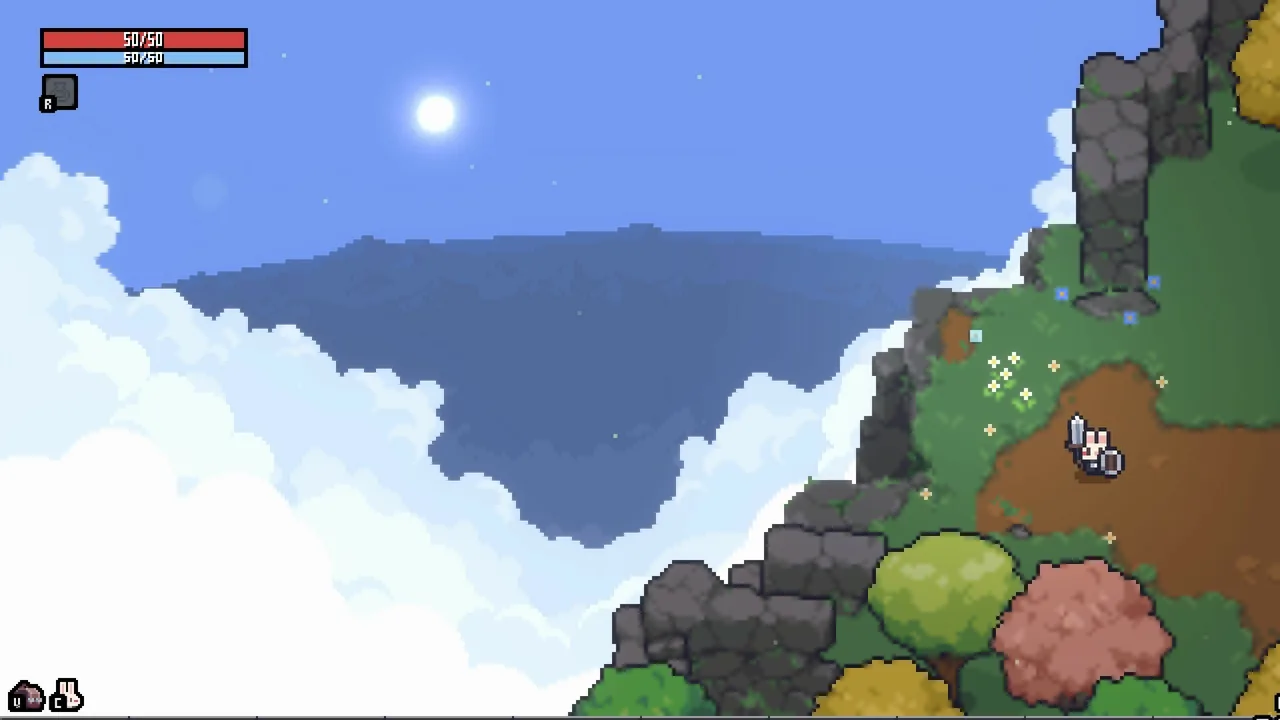
SephiriaImage: TEAM HORAY via Steam -
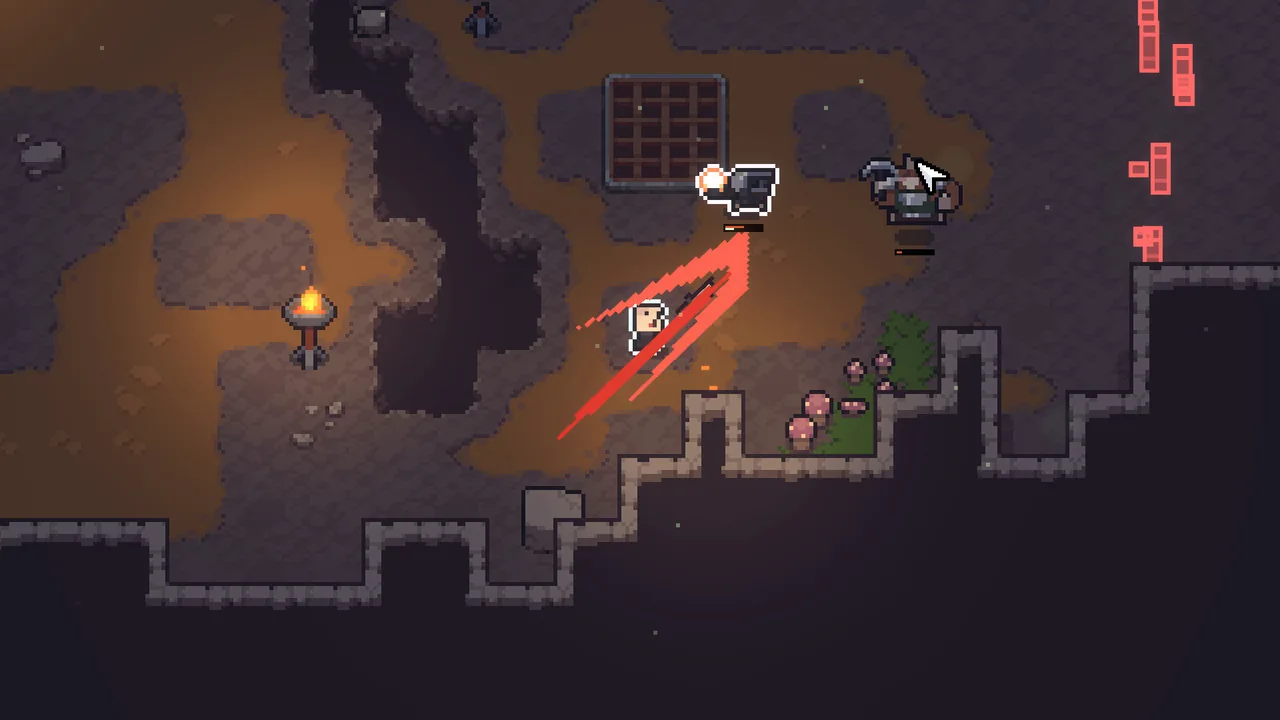
SephiriaImage: TEAM HORAY via Steam -
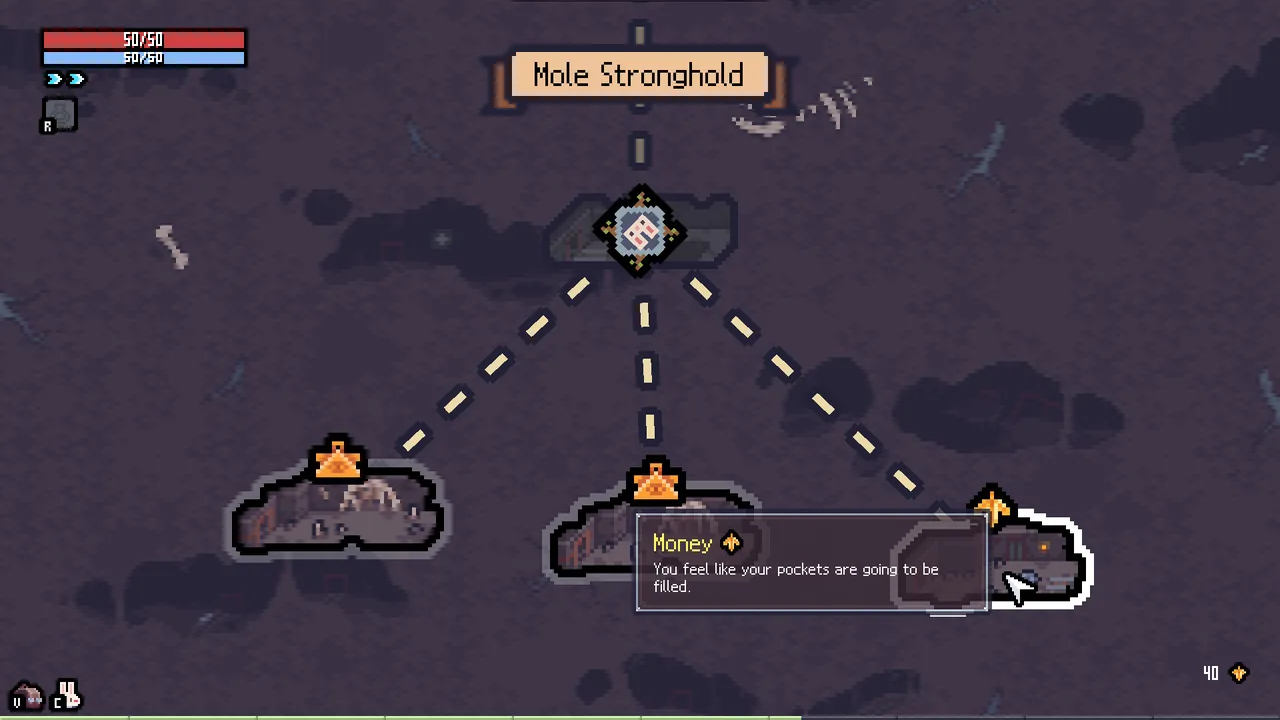
SephiriaImage: TEAM HORAY via Steam -
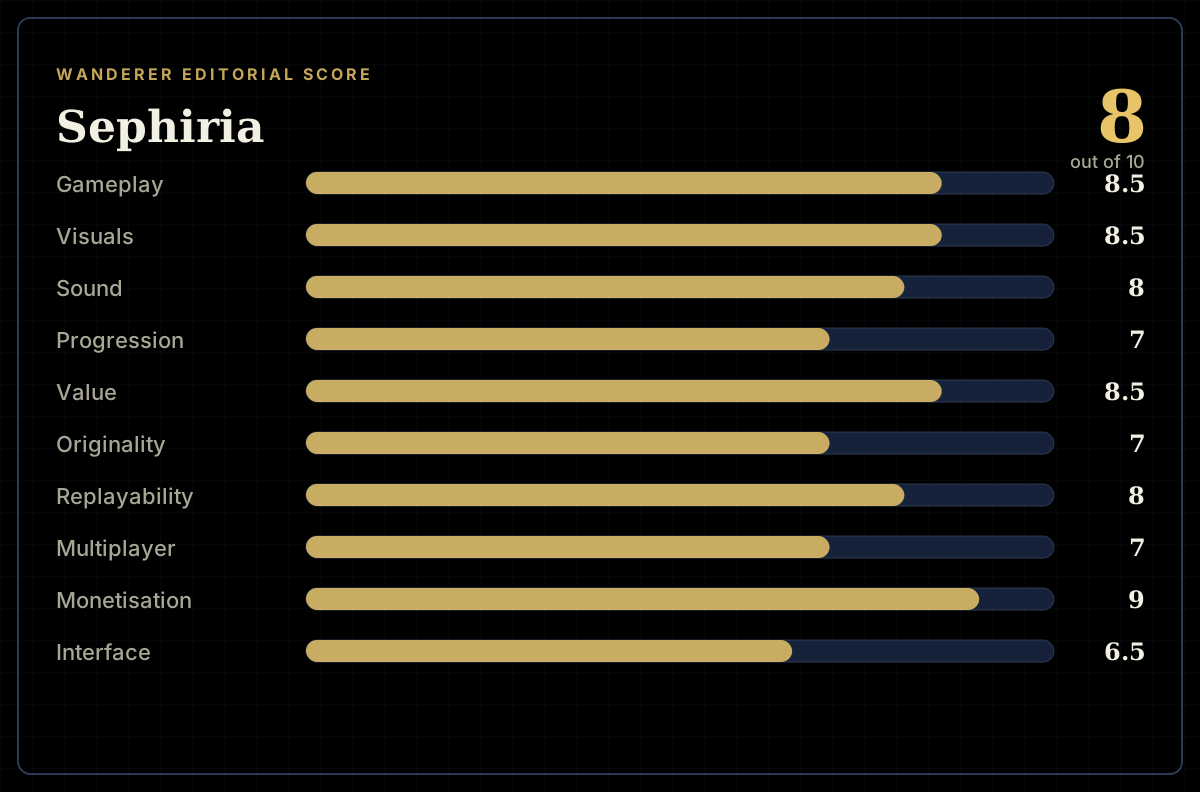
How the review scores each part of the gameWanderer Editorial -
The short versionWanderer Editorial