Game review
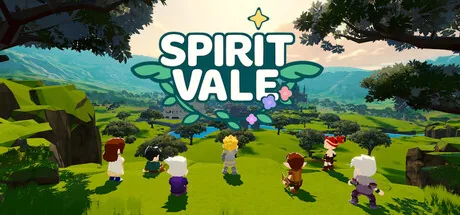
SpiritVale
6 / 10
- Developer
- Baikun Interactive
- Publisher
- Baikun Interactive
- Released
- 15 July 2026
- Platforms
- Windows
- Genre
- Action MMORPG
- Monetisation
- Paid entry at NZ$19.99 plus an in-game store — Steam lists the game as carrying in-app purchases. That combination is worth watching in an Early Access MMO; what the store sells is not clearly documented on the store page. Checked 4 August 2026.
- Players
- MMO — persistent world with party play, world bosses and a player economy
The short version
If you spent your teens in Ragnarok Online, SpiritVale knows exactly what it's doing — the crit sounds, the class-then-specialisation structure, the mob grinding, the sense of a world with people standing around in it. Its players say so unprompted and often. The problem is that a launch fortnight which included servers going down several times a day, zones that crash your client, chat and party systems misbehaving, bots farming low-level zones, and a marketplace so thoroughly exploited by dupers that all player trading was switched off, is a lot to ask of twenty dollars. The bones are likeable. The house is on fire.
Biggest strengths
- A convincing Ragnarok Online homage, from the class-and-specialisation structure to the combat audio, and its audience recognises it instantly
- Seven base classes with advanced specialisations and skill trees give real reason to reroll
- Substantial world for a small team — 30-plus maps, 230-plus monsters and 20-plus world bosses
Biggest weaknesses
- Servers went down repeatedly through the launch fortnight, sometimes several times a day, with lag spikes unrelated to ping
- Specific zones crash the client on a loop — one player reported being disconnected every one to five minutes in the town they'd set as their respawn
- Dupers overran the marketplace and all player trading was disabled, leaving an MMO without an economy for over a week
Who it's for: Ragnarok Online veterans and players who genuinely enjoy old-school grinding with friends, and who understand what buying an unstable Early Access MMO means. Not for solo players, not for anyone who needs stable servers, and not for players who want modern quality-of-life.
Our recommendation: Wait. There's a real game here and a community that clearly loves it, but paying twenty dollars to log into something whose economy has been disabled and whose servers restart through the day is a bad trade today. Check back once trading is restored and stable, and read the official site before your first session — there are no quests and no tutorial, and the game will not explain itself to you.
6 / 10
There's a particular sound a critical hit makes in Ragnarok Online, and SpiritVale's players keep mentioning that it got that sound right. That tells you most of what you need to know about who this game is for and why they're so protective of it.
It also tells you nothing about whether you can currently log in, which turns out to be the more pressing question.
The homage
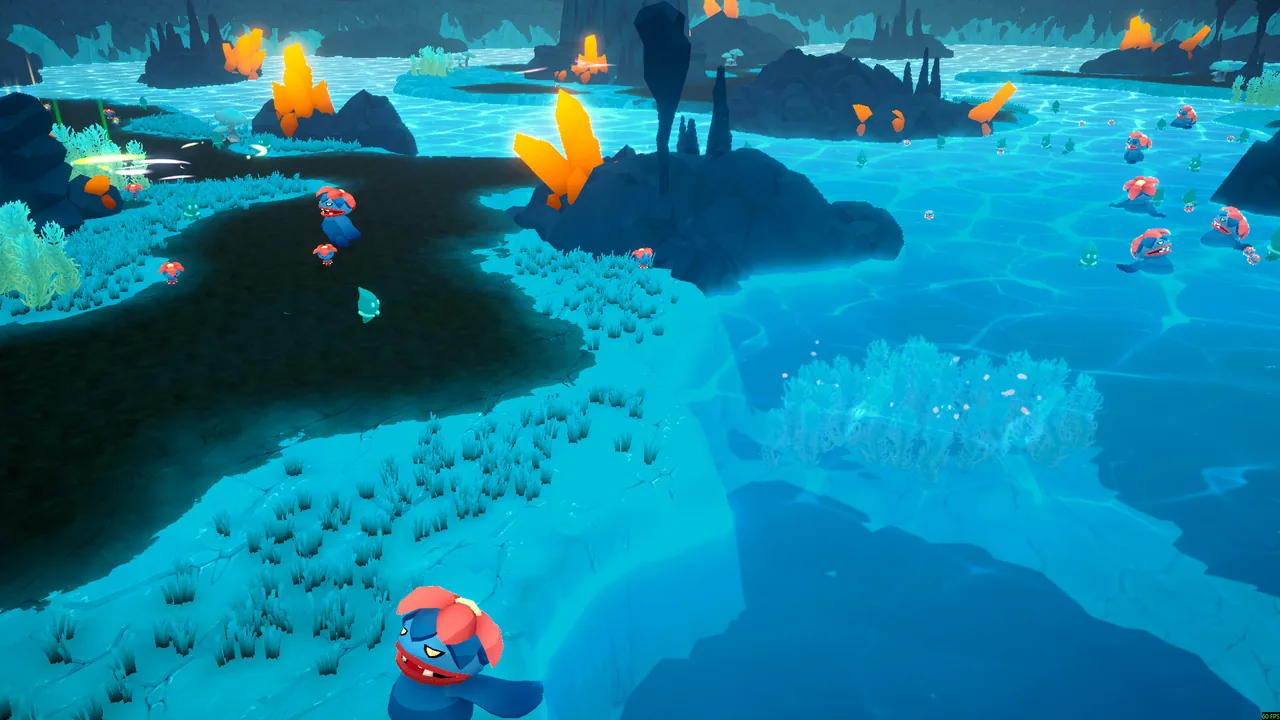
SpiritVale is a class-based action MMORPG that makes no attempt to hide its inspiration. You pick one of seven base classes — Acolyte, Mage, Summoner, Knight, Warrior, Scout or Rogue — grind mobs until you can take an advanced specialisation, and work through skill trees toward a build. There are more than thirty maps, north of 230 monster types and twenty-plus world bosses. There is no story to speak of and there are no quests.
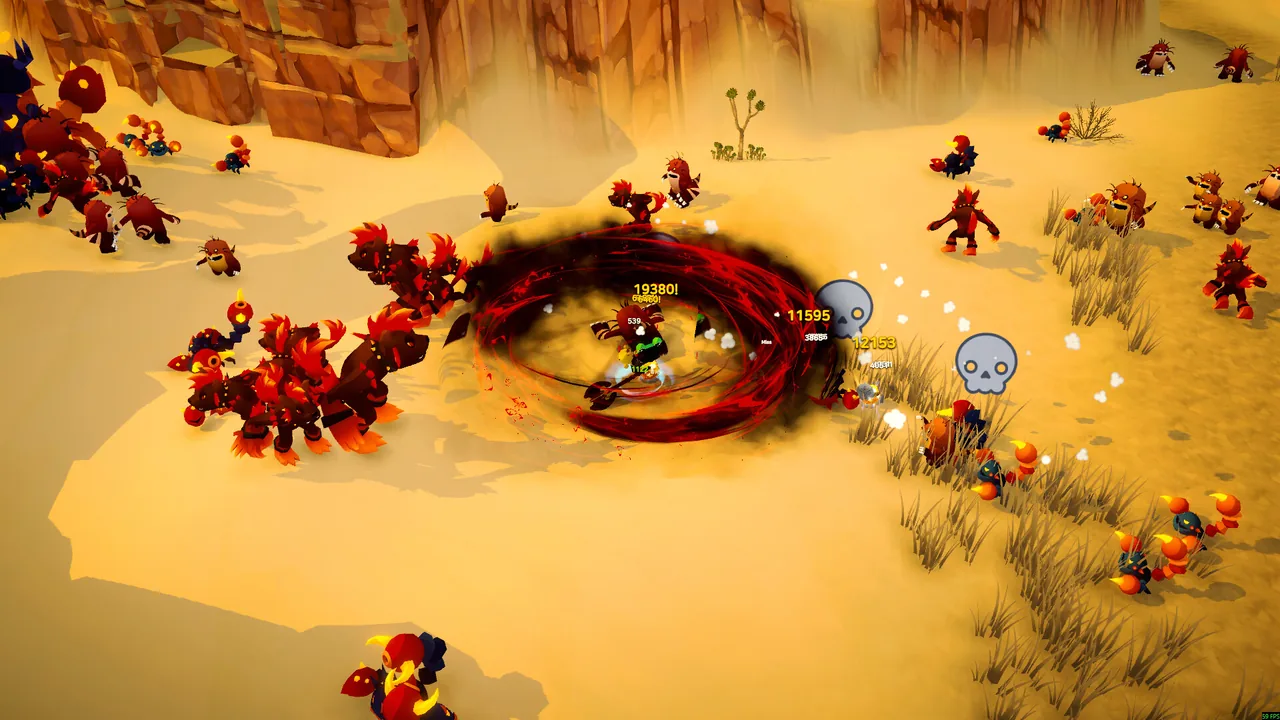
For a certain kind of player that last sentence is a feature. This is the pre-themepark MMO shape: you go to a field, you kill things in it, you get slightly stronger, you move to a harder field, and the social texture comes from other people standing in the same field. When it works, it produces the specific companionable boredom that made those games sticky, and SpiritVale's community reviews are full of people who've found it again.
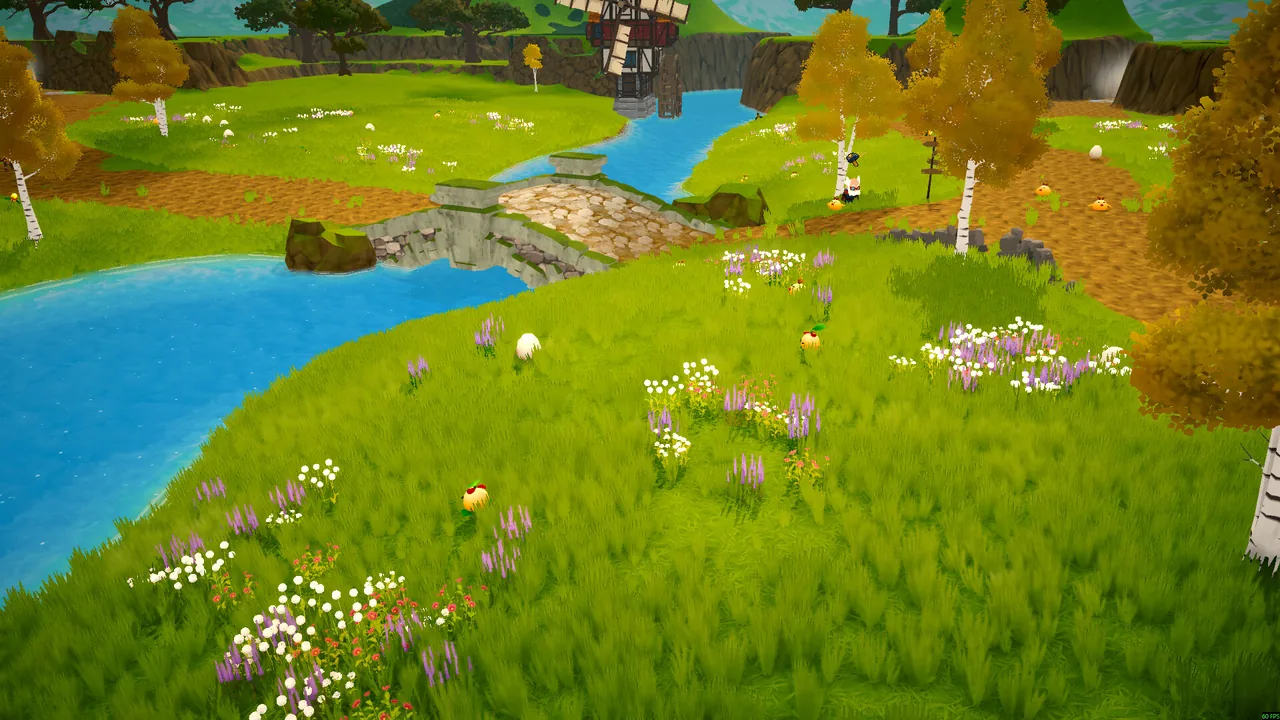
The art is cute and readable. Crafting and gathering are approachable. Reviewers repeatedly describe the community as friendly and the developer as communicative — the patch notes and announcements arrive almost daily, and one player's review is a several-hundred-word love letter to the person keeping the servers up.
If you want the closest thing on Steam to that experience, Ragnarok: The New World is the official option and this is the fan-shaped one.
The launch
Now the fortnight that produced a 52% score.
The servers. Down repeatedly, sometimes several times in a day, for hours. Lag spikes at forty ping. Menus that hang for seconds when you close storage. And specific zones that crash the client outright — one player reported setting their respawn in a town and being disconnected there every one to five minutes without fail.
The economy. Dupers got into the marketplace. The response was to disable player trading entirely, and it stayed off for over a week with no estimate for its return. An MMO with its economy switched off isn't a degraded MMO; it's a single-player grinder with other people's characters walking past. Everything an item-based progression game does — farming to sell, buying the piece you need, the whole reason a rare drop matters — stops working.
The bots. Level 70 characters farming level 20 zones for rare drops, and chat channels spammed around the clock. In a game where contested spawns are the content, bots don't just look bad, they take the thing you logged in for.
The rest. Party functionality unreliable. Chat unreliable. Marketplace listings persisting after items sold, so the only way to discover a listing is stale is to try to buy it.
To the developer's credit, all of this was communicated in public and worked on continuously — announcements about bots and AFK play, about servers, about trade and the auction house, and by early August a run of updates explaining what was being fixed. Reviews mention backend help being brought in for the server-side problems. Nobody is hiding.
The deeper problem
If the outages were the whole story, this would be a "wait three months" review and nothing more. But there's a structural criticism underneath from players with substantial time logged, and it's the one that would worry me most as a developer.
The progression is flat. Several reviewers describe advancing through multiple classes looking for something to anticipate and not finding it — no meaningful power scaling, skills that read like ones they've seen for thirty years, and a loop that reduces to moving zone to zone for slightly better gear. One player's summary was simply "but why?", asked repeatedly while trying a fifth class.
That's a harder fix than servers. Instability is an engineering problem with a known shape; "nothing to look forward to" is a design problem, and in an MMO built on grinding it's the design problem. The nostalgia carries the first twenty hours. Something has to carry the next two hundred, and right now players aren't finding it.
The interface compounds it — barebones, with an inventory that fills faster than you can manage it — and the absence of any tutorial means new players are pointed at the official website to learn how the game works.
What it costs
Twenty dollars up front, plus an in-game store. Steam flags the game as carrying in-app purchases, and at least one player describes spending there specifically to support the developer.
I can't tell you exactly what that store sells, because the store page doesn't say, and that's worth noting on its own: a paid Early Access MMO with an undocumented cash shop is a combination that deserves scrutiny as the game matures, even when — as here — nobody is currently accusing it of selling power.
6.0 out of 10. Rated 6.0 out of 10.
There is a likeable game here, made by people who plainly love the thing they're imitating, and supported by a community that wants it to succeed badly enough to defend it in the review section. The August reviews are trending better than July's, which is the direction you want.
But a review has to describe what you'd get for your money this week, and this week that's an unstable server, a disabled economy, bots in the low-level zones, and a progression curve that its own veterans describe as flat. Six out of ten is generous to the potential and honest about the state.
Put it on your wishlist. When the trading comes back and stays back, it's worth another look — and if the developers use the time to give the grind something to build toward, it could be genuinely good.
Pros and cons
Pros
- A convincing Ragnarok Online homage, from the class-and-specialisation structure to the combat audio, and its audience recognises it instantly
- Seven base classes with advanced specialisations and skill trees give real reason to reroll
- Substantial world for a small team — 30-plus maps, 230-plus monsters and 20-plus world bosses
- Cute, readable art that players consistently like even when they're criticising everything else
- A genuinely friendly community, repeatedly praised in reviews, and a developer who communicates constantly and patches almost daily
- Crafting and gathering are approachable and give the grind somewhere to go
Cons
- Servers went down repeatedly through the launch fortnight, sometimes several times a day, with lag spikes unrelated to ping
- Specific zones crash the client on a loop — one player reported being disconnected every one to five minutes in the town they'd set as their respawn
- Dupers overran the marketplace and all player trading was disabled, leaving an MMO without an economy for over a week
- Bots farm low-level zones for rare drops and spam chat channels, taking contested spawns from real players
- Progression is flat — several long-session players describe grinding zone to zone with nothing to anticipate and no meaningful scaling
- The interface is barebones and the inventory floods with loot you have to manage manually
- Effectively unplayable solo outside one or two durable classes
- No quests and no tutorial; new players are directed to the official website to understand the game
Screenshots
-
SpiritValeImage: Baikun Interactive via Steam -
SpiritValeImage: Baikun Interactive via Steam -
SpiritValeImage: Baikun Interactive via Steam -
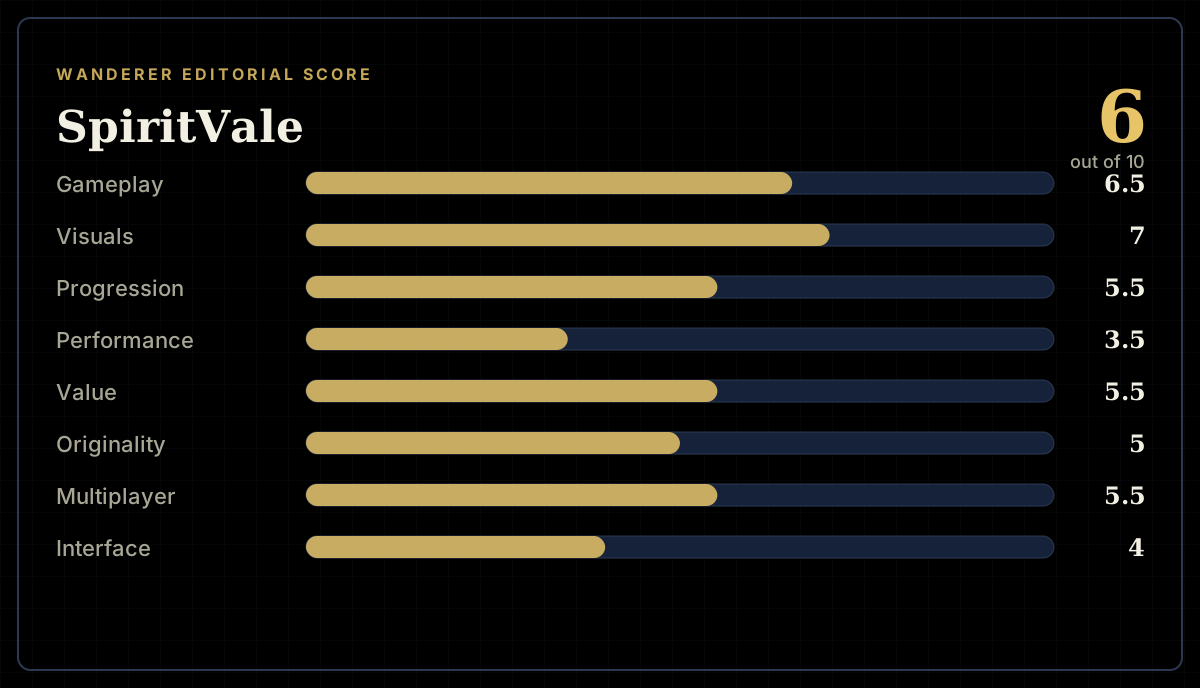
How the review scores each part of the gameWanderer Editorial -
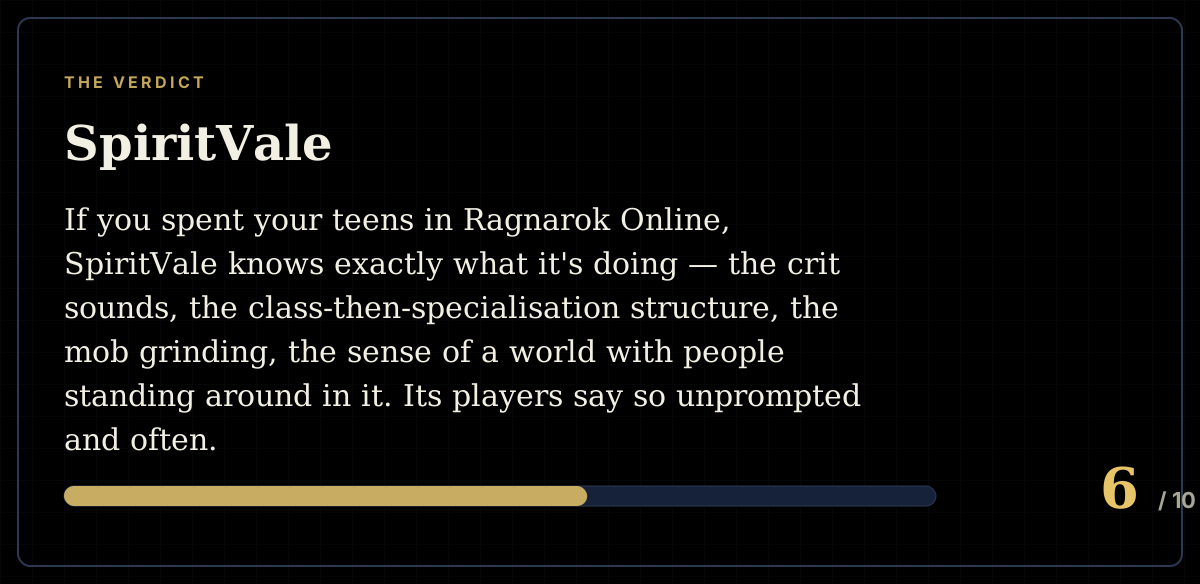
The short versionWanderer Editorial