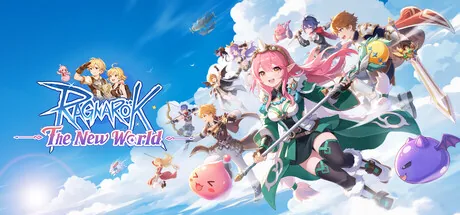
Game review
Ragnarok: The New World
4 / 10
- Developer
- Gravity Game Vision Limited
- Publisher
- Gravity Game Vision Limited
- Released
- 26 July 2026
- Platforms
- Windows, Android, iOS
- Genre
- Open-world MMORPG
- Monetisation
- Free-to-play with a cash shop selling costumes and dyes, a battle pass, gacha pet and mount draws, and premium currency that converts into faster gear refinement and progression materials rather than a single guaranteed power purchase
- Players
- Full persistent MMO — parties, guilds, open-world PvP zones, a marriage system and cross-platform play between PC and mobile, but currently limited to Southeast Asia server clusters shared by every region that can install the game
The short version
Ragnarok: The New World hands its combat, pathing and questing almost entirely to automation, then asks players to spend real time watching a character do all of it without them. That design choice, not a single viral complaint, is the throughline connecting most of its negative Steam reviews. Layer on a genuinely SEA-only server cluster serving a globally listed Steam page, real technical gaps on Steam Deck and Linux, and a cash shop that a meaningful share of players describe as pushing harder than the "reduced monetization" the closed beta was praised for, and 25% positive four days after launch stops looking like an overreaction.
It isn't a scam and it isn't broken in the way "won't launch" reviews sometimes suggest for other games — most of the complaints are about what the game is, not what's currently failing. That's a harder problem for Gravity to patch than a server outage would be.
Biggest strengths
- Character art, environment design and the fully voiced protagonist deliver a level of production polish few free mobile-first MMOs manage
- Offline auto-hunting keeps a character progressing between sessions without demanding constant attention, in the idle-game tradition
- The Druid's three-form switching (Werewolf, Wereraptor, Human Arcanist) is a genuinely new idea for the franchise's decades-old job system
Biggest weaknesses
- Combat, pathing and most quest routing run on mandatory auto-battle and auto-walk, and several reviewers report finding no way to turn it off and fight manually
- Steam's Southeast Asia server cluster is the only option at launch, leaving European and American players with high ping and events scheduled on UTC+7 hours
- Steam Deck and Linux support is currently broken for a meaningful share of players, despite both being listed storefront categories
Who it's for: Ragnarok Online veterans who specifically want a low-effort nostalgia trip and don't mind their character playing itself; a rough sell for anyone who wants to actually play an MMO rather than supervise one.
Our recommendation: Skip the Steam version until Gravity ships region-appropriate servers outside Southeast Asia, or confirm through the store page that a manual-play option has been added before installing. If pure low-effort nostalgia and idle-style offline gains are genuinely all you want, the free download costs nothing to try — just know what you're downloading first.
4 / 10
Four days after release, Ragnarok: The New World sits at 25% positive across 363 Steam reviews — a "Mostly Negative" tag on a free download from a publisher that owns one of the most recognisable names in the genre. That kind of number invites two lazy readings: either the game is a technical disaster, or a coordinated pile-on decided to bury it. Neither holds up against what the reviews actually say. Read fifty of the negative ones in sequence and the same handful of specific, substantiable complaints keep recurring, almost word for word, from players with wildly different playtimes and clearly different levels of investment in the franchise. That consistency is worth taking seriously in a way a single angry post never is.
What Ragnarok: The New World actually is
Gravity Game Vision Limited, the Hong Kong subsidiary of Gravity Co., Ltd. — the company that has owned the Ragnarok Online IP since the franchise began in 2002 — bills this as the series' first genuinely open-world entry, distinct from the corridor-and-instance structure classic Ragnarok Online used and the zone-gated structure most of its mobile successors have kept. It launched in Southeast Asia on mobile and PC on 16 July 2026, then arrived on Steam ten days later, on 26 July 2026, as a free-to-play download requiring a separate Gravity account created through the game's own launcher. Eight classes are available from the start, including the Druid, making its debut in a mobile Ragnarok title with three switchable forms — Werewolf, Wereraptor and a spellcasting Human Arcanist — layered onto the franchise's long-running job-change structure. Progress syncs across phone, tablet and PC, and Gravity's own investor communications put a broader global server rollout at Q4 2026, meaning the Steam release currently sits ahead of the infrastructure meant to support a worldwide audience.
That gap between "listed on a global storefront" and "actually built for a global audience" turns out to explain more of the review score than any single design flaw.
The loop, and how much of it belongs to you
Ragnarok: The New World's marketing describes "grindless gaming" — free stat resets, no gear loss on failed refinement, offline resource accumulation while you're away. Framed as convenience features layered onto an MMO you still play, that's a genuinely player-friendly pitch, and it's not dishonest marketing on its own terms. The problem reviewers keep describing is narrower and more specific: automation isn't an optional convenience sitting alongside manual play here, it's frequently the only mode combat runs in at all. Auto-pathing walks a character to its next quest objective. Auto-battle handles the fight once it arrives, often optimising skill rotations better than a player clicking manually would. Multiple reviewers, independently, describe reaching level 20 or higher having pressed almost nothing except quest-window prompts and cutscene skips. One put a number on it: roughly 20% clicking quest markers, 20% skipping cutscenes, 55% watching the game autowalk and auto-fight, 5% actually playing a minigame. That's not one outlier's account of a bad afternoon — it's the same ratio, described in different words, across reviews with playtimes ranging from under an hour to over thirty.
This is a real design choice, not a bug, and it isn't inherently indefensible — offline and low-attention progression is the entire premise of the idle genre, and several positive reviews explicitly frame the automation as the selling point, not the flaw: a way to make meaningful progress during a lunch break or while doing something else entirely. The dividing line in the review sample is consistent and easy to state: players who came in wanting an MMO they actively play are frustrated, sometimes furiously so, that manual combat either isn't available or isn't meaningfully rewarded over letting the system handle it. Players who came in wanting a Ragnarok- flavoured idle experience with social systems attached are largely satisfied with exactly what they got. Both groups are describing the same game accurately. The negative score reflects that a Steam MMO listing, with full keyboard-and-mouse categories and an "Action" genre tag, sets an expectation of active play that a meaningful share of this game's actual design doesn't deliver.
Classes, jobs and what's genuinely new
The Druid is the headline addition, and it's a legitimately interesting expansion of Ragnarok's job-change tradition — three distinct combat identities living inside one class slot, switchable mid-session rather than requiring a separate reroll, is more mechanical ambition than most mobile Ragnarok entries have shown in years. The broader "change jobs anytime" pitch — free skill resets, no wrong choices, master every class on one character — is a real quality-of-life improvement over classic Ragnarok Online's much more punishing commitment to a build. Whether that flexibility matters as much as it should depends entirely on how much of playing a given class you're actually doing yourself, and per the section above, that answer varies a lot by player.
One recurring complaint worth noting on its own: several reviewers flagged that launch shipped without some of the franchise's foundational base classes present, arriving instead with newer specialisations layered on top. That's a legitimate content-completeness gripe for veterans who came in expecting the classic roster, separate from the automation debate.
The cash shop, specifically
Gravity's own closed-beta messaging leaned on "reduced burden of monetization" as a selling point, and it's worth being precise about what that claim does and doesn't hold up against, because "pay-to-win" gets thrown around loosely in review sections and the term deserves better than that here.
What the shop sells, based on consistent player description: cosmetic costumes and dye options, a battle pass, gacha-style draws for pets and mounts, and a premium currency that converts into faster gear refinement and progression materials rather than a single button that says "buy power." That structure — no direct stat purchase, power arriving indirectly through currency conversion — is functionally the same shape Lost Ark and several other free MMOs use, and it's a real, meaningful distinction from a shop that sells win buttons outright. Multiple players describe reaching a functional, competitive-enough character without spending anything, which supports Gravity's claim that free-to-play participation is real here, not theoretical.
Where the complaints earn their weight is on pacing and pressure rather than a hard progression wall. Several reviewers describe daily catch-up mechanics and event rewards that become noticeably harder to keep pace with as a non-spender the longer a server has been running — missing a single day reportedly costs more ground here than in comparable games, which pushes toward habitual daily logins whether or not real money follows. That's a softer, more common form of free-to-play pressure than an outright pay wall, and it's genuinely different from calling the whole game pay-to-win — but it's also exactly the kind of design Wanderer's readers, most of whom have been burned by mobile-MMO monetisation before, tend to recognise immediately and dislike on sight. The honest read: this shop is closer to Lost Ark's indirect-power model than to a gacha game that sells outcomes directly, and multiple honest free players in the review sample back that up — but Gravity's "reduced monetization" framing oversells how gentle the daily-engagement pressure actually feels once a server has been live for more than a few days.
The server problem, and why it's structural rather than a launch hiccup
This is the complaint with the clearest paper trail. Ragnarok: The New World soft-launched in Southeast Asia on 16 July 2026 with servers built for that region, and the Steam release ten days later put the same SEA server cluster on a globally accessible storefront page without a matching regional infrastructure rollout. Gravity's own investor communications confirm broader global servers aren't targeted until Q4 2026. Every complaint about high ping from Europe and North America, and about events firing on inconvenient UTC+7 schedules, is a direct, predictable consequence of that gap — not a mystery, not a bug report Gravity needs to investigate, just a storefront listing that arrived well ahead of the infrastructure meant to serve the audience it's listed for. A player in Auckland or Chicago installing this from Steam today is, by design, connecting to servers built for Manila and Jakarta. That's a genuinely substantiable, verifiable cause behind a real slice of the negative reviews, and it's also the one item on this list that resolves itself on Gravity's own stated timeline rather than requiring a design rethink.
Technical state at launch
Separate from the server-region issue, a real number of reviewers report the game failing to launch at all on first attempt, black-screening after server selection, or crashing the client — alongside specific, repeated reports that Steam Deck compatibility is currently broken and that the Linux build's Electron-based launcher throws errors before the game even starts. Both Steam Deck and a mouse/keyboard-only option are listed storefront categories, which makes non-functional Deck support a real gap between what's advertised and what a portion of buyers are getting, not just an edge case. A smaller number of reviewers, independently, describe the game or its launcher opening multiple unsolicited browser tabs pointed at surveys — an unusual and specific complaint to see repeated by more than one reviewer with no apparent coordination between them, and one worth flagging as a trust issue distinct from ordinary launch bugs, even without enough independent confirmation here to characterise its scope or cause.
Franchise fatigue is a real factor, and it's fair to say so
Ragnarok Online is, by a wide margin, one of the most frequently relaunched MMO properties in gaming — Ragnarok M: Eternal Love, Ragnarok Origin and multiple other mobile-first entries have all shipped in the years before this one, several under Gravity's own umbrella. A number of reviewers who identify themselves as long-time series veterans say so explicitly and unprompted: this reads as another pass at a familiar formula rather than a genuine reinvention, regardless of the "first open-world Ragnarok" framing in the marketing. That reaction isn't about this specific game's execution so much as accumulated goodwill running low across the whole franchise, and it's a legitimate, recurring sentiment in the sample rather than a single loud complaint — but it also isn't something Gravity's own launch decisions caused, and it would likely have shown up in some form regardless of how well this particular release had gone.
Visuals, voice acting and what the game does well
It would be unfair to let the systemic complaints crowd out what reviewers on both sides of the score consistently praise: character art, environment design and world scale come up as genuine strengths even from players giving the game a thumbs-down overall, and the fully voiced player character is a real production investment rare in this specific corner of free-to-play MMOs. The social systems — guild-based dungeon and world-boss content, an auction house, a marriage system with shared teleports and couple rewards — are the kind of long-tail retention hooks that have kept earlier Ragnarok entries alive for years after launch, and none of the negative reviews in the sample dispute that these systems exist or function; the disagreement is entirely about how much agency the player has in the moment-to-moment loop sitting underneath them.
Verdict
A 25% positive score four days into a launch deserves scrutiny rather than automatic acceptance, and scrutiny here finds real, specific, repeatable reasons rather than a viral pile-on: mandatory automation that a meaningful share of players didn't sign up for, a server cluster genuinely built for one region serving a global storefront listing, confirmed platform gaps on Steam Deck and Linux, and a cash shop whose indirect-power model is more honest than "pay-to-win" shorthand suggests but still pushes daily engagement harder than its own marketing claims. None of that amounts to a broken or dishonest product — the art and voice work are genuinely good, the shop doesn't sell outright victories, and the server problem has a stated fix date. It amounts to a game whose current Steam listing oversells what a large share of buyers are actually getting today.
That's a 4.0. Worth revisiting once servers outside Southeast Asia exist and Steam Deck support either works or gets pulled from the storefront categories — but not worth installing today on the promise of the marketing copy alone.
Wanderer's own progression runs while you're logged out too, without asking you to watch it happen or hand combat over entirely — if offline gains without giving up manual play is the actual itch, Wanderer is built around keeping both.
Facts, review sample and monetisation details checked 30 July 2026. This is a different game from Ragnarok Idle Adventure, also published under the Ragnarok license and reviewed separately on Wanderer.
Pros and cons
Pros
- Character art, environment design and the fully voiced protagonist deliver a level of production polish few free mobile-first MMOs manage
- Offline auto-hunting keeps a character progressing between sessions without demanding constant attention, in the idle-game tradition
- The Druid's three-form switching (Werewolf, Wereraptor, Human Arcanist) is a genuinely new idea for the franchise's decades-old job system
- Gear refinement carries no level-loss penalty on a failed attempt, which removes one of classic Ragnarok's most punishing systems
- Free-to-play players can reach a functional endgame character without spending, according to a consistent minority of reviewers who call themselves non-paying
Cons
- Combat, pathing and most quest routing run on mandatory auto-battle and auto-walk, and several reviewers report finding no way to turn it off and fight manually
- Steam's Southeast Asia server cluster is the only option at launch, leaving European and American players with high ping and events scheduled on UTC+7 hours
- Steam Deck and Linux support is currently broken for a meaningful share of players, despite both being listed storefront categories
- The premium currency funds faster gear refinement and progression materials, and a recurring complaint is that daily catch-up gets harder to skip without spending
- This is at least the fourth mobile-first Ragnarok relaunch in recent years, and reviewers who remember the earlier ones are explicit about franchise fatigue
Screenshots
-
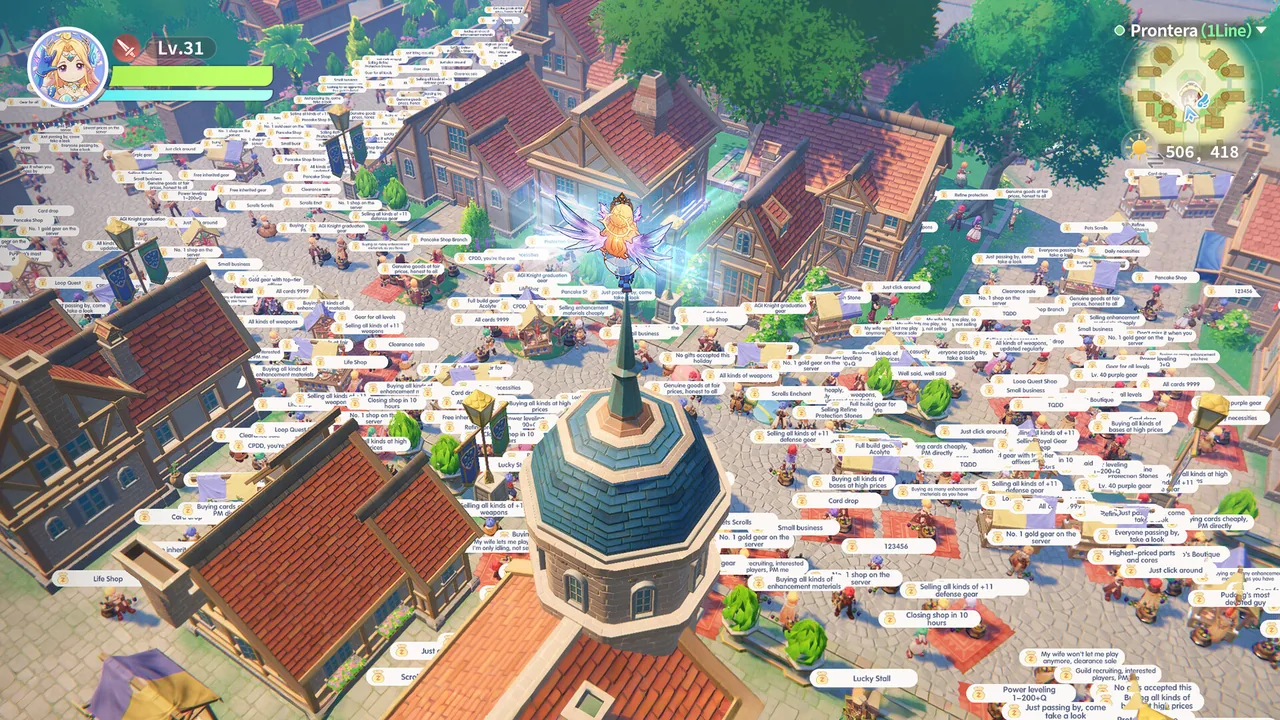
Ragnarok: The New WorldImage: Gravity Game Vision Limited via Steam -
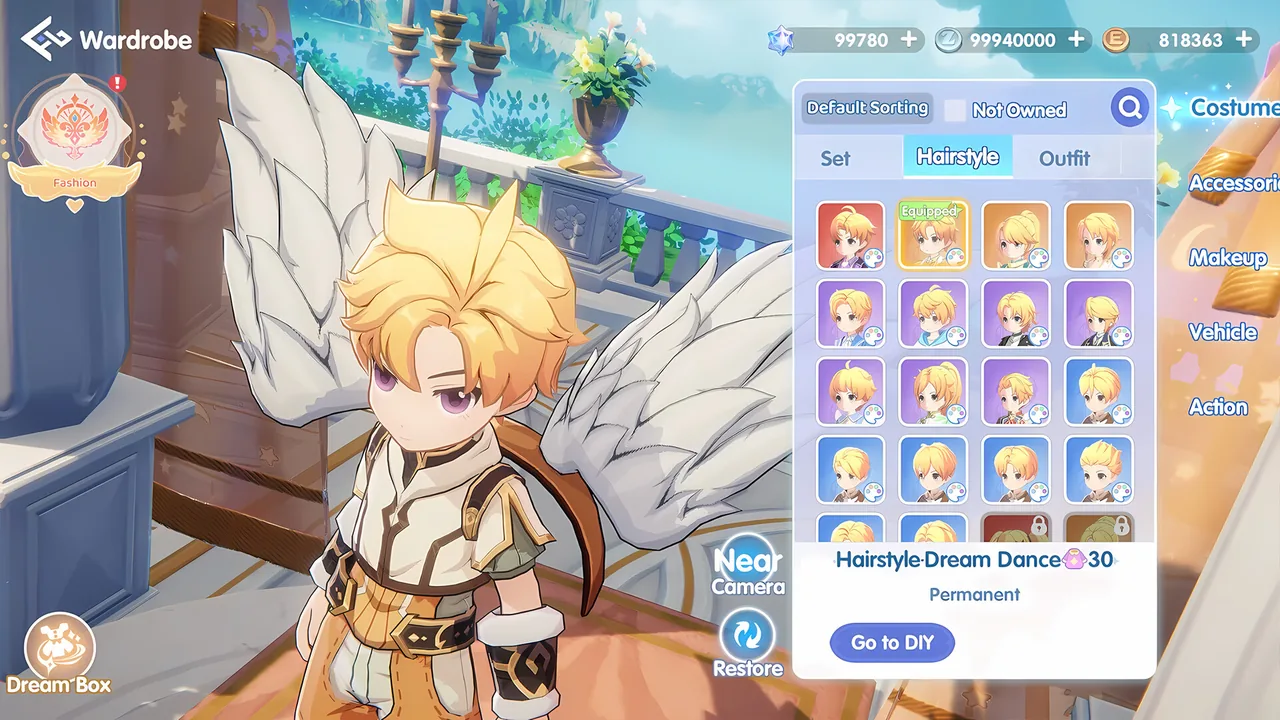
Ragnarok: The New WorldImage: Gravity Game Vision Limited via Steam -
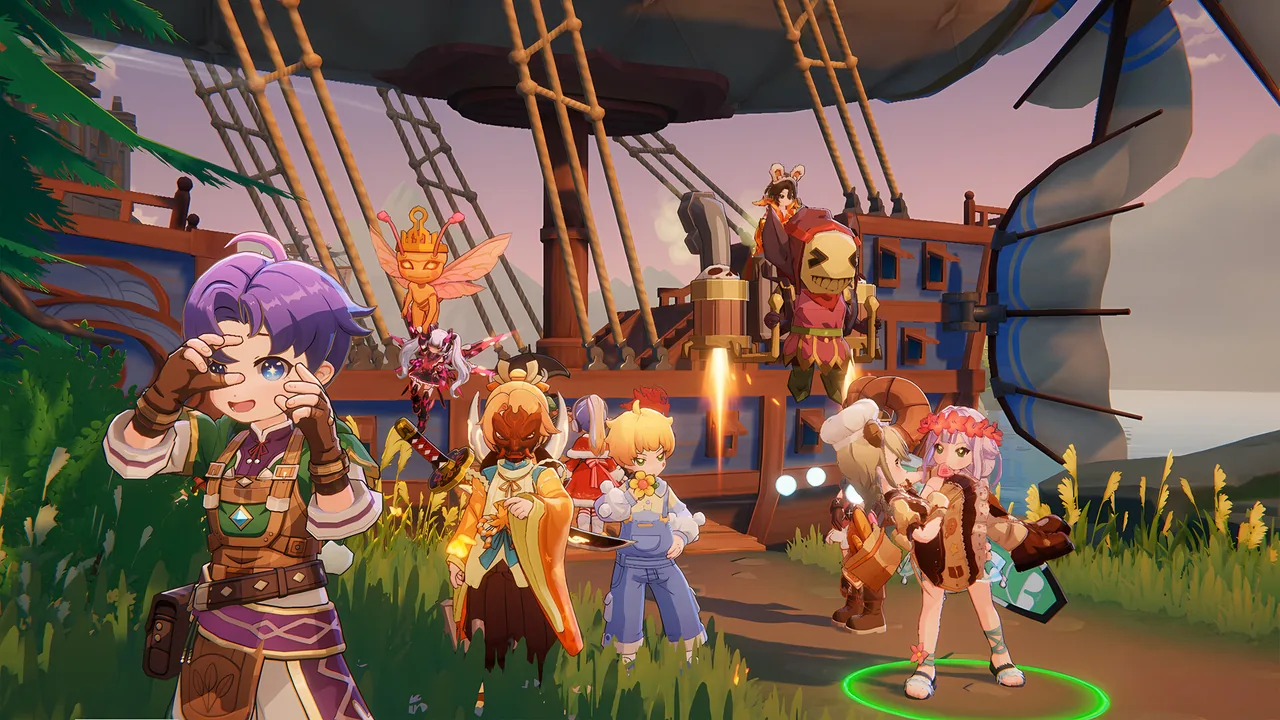
Ragnarok: The New WorldImage: Gravity Game Vision Limited via Steam -
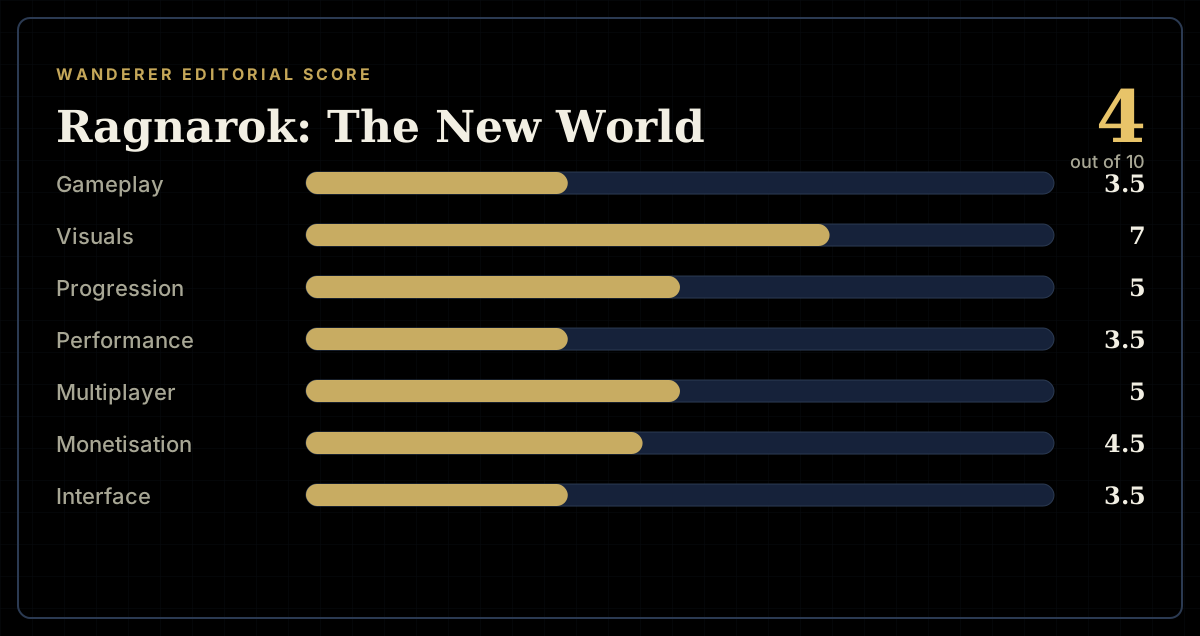
How the review scores each part of the gameWanderer Editorial -
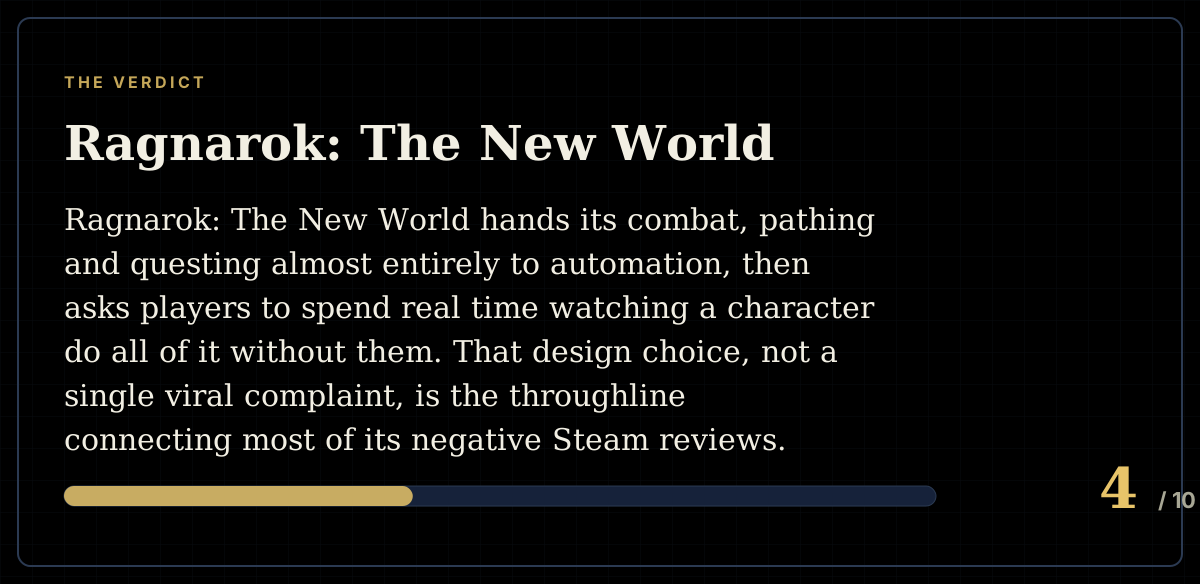
The short versionWanderer Editorial