Game review
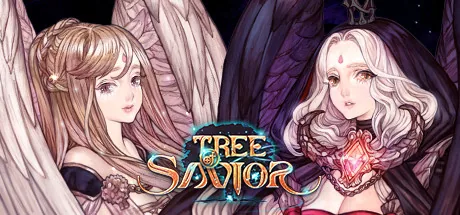
Tree of Savior
5.5 / 10
- Developer
- IMCGAMES Co.,Ltd.
- Publisher
- IMCGAMES Co.,Ltd.
- Released
- 28 March 2016
- Platforms
- Windows
- Genre
- MMORPG
- Monetisation
- Free to play with a cash shop. Recent reviews report previously play-earnable classes have been moved behind gacha-style randomized paid unlocks, a significant change from the game's original monetisation model.
- Players
- Online MMORPG with guilds, parties and player trading
The short version
Tree of Savior offers one of the deepest class systems in the MMORPG genre — dozens of specialized classes with genuinely distinct playstyles, built by former Ragnarok Online developers — and it has sustained an extraordinarily dedicated hardcore playerbase for a decade, with top reviewers logging 2,000 to over 4,000 hours. Lifetime sentiment sits at a Mixed 63.9% across 20,461 reviews.
That lifetime figure badly understates where the game stands today. Recent English sentiment has collapsed to 37%, and the cause is specific and consistent across current reviews: classes that were previously earnable through play have reportedly been moved behind gacha-style randomized paid unlocks, alongside ongoing reports of basic technical failures — players unable to get past the server-selection screen at all. This is a live, current decline, not old history resurfacing.
Biggest strengths
- One of the deepest, most distinctive class systems in the MMORPG genre, built by developers with real pedigree from Ragnarok Online
- An extraordinarily dedicated long-term playerbase, with top reviewers logging thousands of hours and still recommending it for that specific depth
- Strong art direction, music and monster design consistently praised since launch
Biggest weaknesses
- A severe, current sentiment collapse: recent English reviews sit at 37% positive against a 63.9% lifetime average, and 2026 reviews are specific about the cause
- Multiple very recent reviews report classes that used to be earned through play now locked behind gacha-style paid randomization, a significant and unpopular monetisation shift
- Several 2026 reviews report being unable to progress past the server-selection screen at all, a basic technical failure rather than a design complaint
Who it's for: MMORPG veterans specifically nostalgic for Ragnarok Online-style class systems, and players willing to tolerate real technical friction and a currently unfavorable monetisation model to access genuinely distinctive class design. Not recommended for new players expecting a smooth, modern F2P onboarding experience right now.
Our recommendation: Approach with real caution based on current sentiment rather than the game's historical reputation. If you're drawn in by the class system specifically, verify recent reviews for the current state of class access and basic server stability before investing time, since multiple very recent reports describe being unable to progress past character selection at all.
5.5 / 10
Tree of Savior's lifetime Steam score — a Mixed 63.9% — is the kind of number that invites a shrug: fine game, divisive audience, nothing unusual for a decade-old niche MMORPG. Read the last 100 English reviews instead, and a very different, much more urgent picture appears.
What built a decade of devotion
Made by former Ragnarok Online developers, Tree of Savior's reputation rests on one genuinely exceptional system: a class tree with dozens of specializations, each with distinct skills and playstyles, letting players build genuinely unique characters rather than choosing between a handful of predetermined roles. That depth produced an unusually committed playerbase — reviewers in this sample report 2,912, 2,215, 3,685 and even 4,015 hours logged, several explicitly comparing it to Ragnarok Online and preferring what Tree of Savior did with the formula. One long-term reviewer, writing after leaving the game, still credits the "vibe you get when you can just AFK and chill out with guild mates" as something worth remembering fondly. This is a game that earned real, sustained loyalty over its first decade, even through long-standing complaints about restrictive trading and heavy grinding that reviewers have raised since launch week in 2016.
What's happening right now
Here's the part that matters most for anyone considering the game today: recent English sentiment has collapsed to 37% positive, barely more than half the lifetime figure, and the current reviews are specific and consistent about why. Multiple 2026 reviews report that classes previously earned through play — some through long, tedious in-game quest chains reviewers already found excessive — have been moved behind gacha-style randomized paid unlocks. "Having the classes being Gacha is just some scumbag greedy behavior," writes one reviewer with 1,291 hours already invested, someone with every reason to want to keep recommending a game they clearly love. Another, with 373 hours, states flatly that the developer is "greedy as fk" and suggests the game isn't worth playing anymore. A third calls it simply "Full P2W."
Layered on top of the monetisation complaint is a basic technical one: several very recent reviews, including some from August 2026, report being unable to get past the server-selection screen at all — not a balance complaint or a design disagreement, but the game failing to let new or returning players in. That combination — a beloved system reportedly being monetised in a newly unpopular way, plus real access problems — explains the gap between this game's historical reputation and where its most current reviewers actually stand.
Reading the completion data
The achievement curve reinforces how difficult this game currently is to get into. Even its single most commonly earned achievement sits at just 12.7% of the player base — a strikingly low ceiling compared to most games in this library, where the most common milestone typically clears 50-90%. That's consistent with the onboarding friction described in current reviews, though it also reflects a genuinely hardcore, niche audience that this game has always drawn rather than a broad casual base.
5.5 out of 10. Tree of Savior's class system remains a genuine achievement in MMORPG design, and the depth of loyalty from its long-term players — thousands of hours, sustained affection for its social spaces — is real and well-earned by what the game got right for a decade. The score reflects where the game stands today rather than its history: a current, specific and well-documented sentiment collapse tied to a reported shift toward gacha-locked classes, compounded by basic technical access problems multiple recent reviewers describe independently. This is a game whose reputation and its current state have genuinely diverged — approach it expecting the latter.
Pros and cons
Pros
- One of the deepest, most distinctive class systems in the MMORPG genre, built by developers with real pedigree from Ragnarok Online
- An extraordinarily dedicated long-term playerbase, with top reviewers logging thousands of hours and still recommending it for that specific depth
- Strong art direction, music and monster design consistently praised since launch
- A decade of continued operation as a free-to-play title, unusual longevity for a niche MMORPG
Cons
- A severe, current sentiment collapse: recent English reviews sit at 37% positive against a 63.9% lifetime average, and 2026 reviews are specific about the cause
- Multiple very recent reviews report classes that used to be earned through play now locked behind gacha-style paid randomization, a significant and unpopular monetisation shift
- Several 2026 reviews report being unable to progress past the server-selection screen at all, a basic technical failure rather than a design complaint
- Achievement completion rates are extremely low across the board, even for the most common milestone, consistent with a genuinely difficult onboarding experience for new players right now
- Long-standing complaints since 2016 about trading restrictions and grind-heavy progression persist alongside the newer monetisation concerns
Screenshots
-
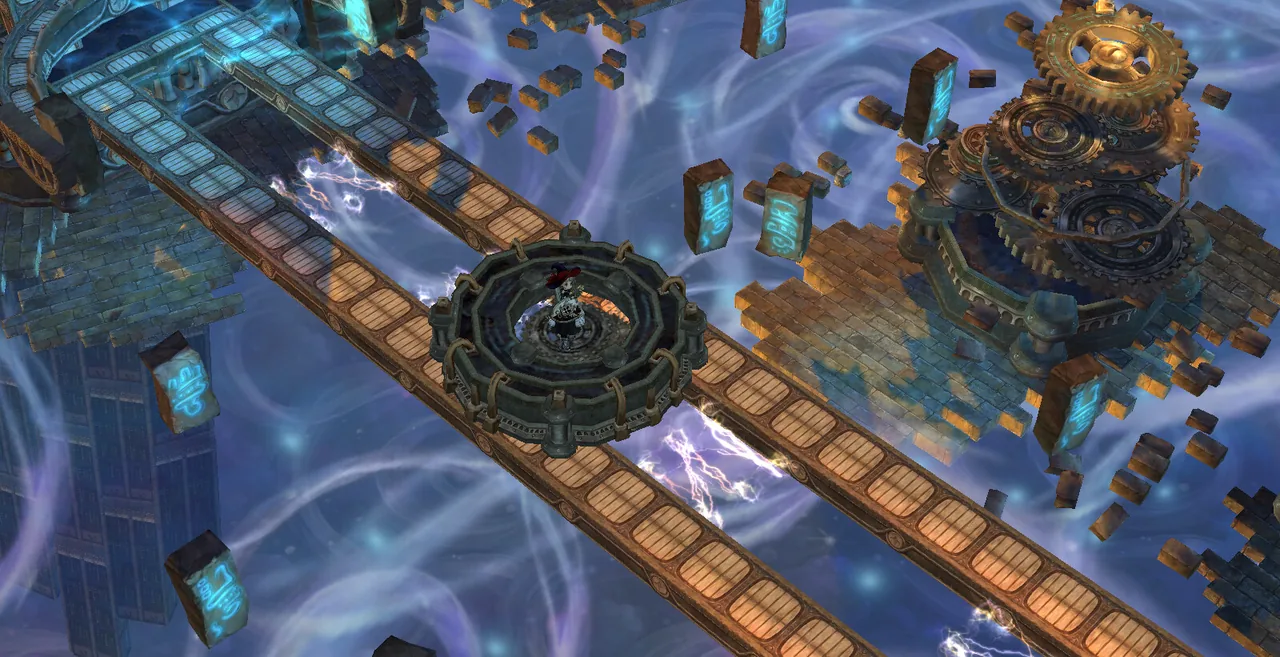
Tree of Savior (English Ver.)Image: IMCGAMES Co.,Ltd. via Steam -
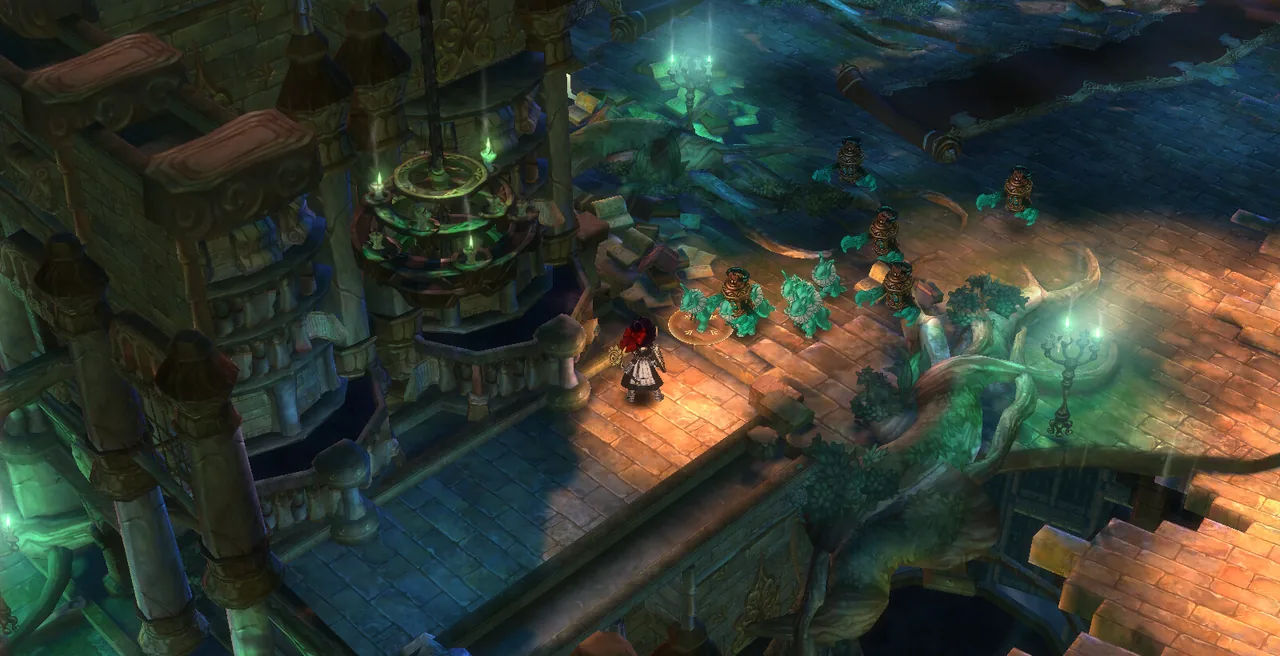
Tree of Savior (English Ver.)Image: IMCGAMES Co.,Ltd. via Steam -
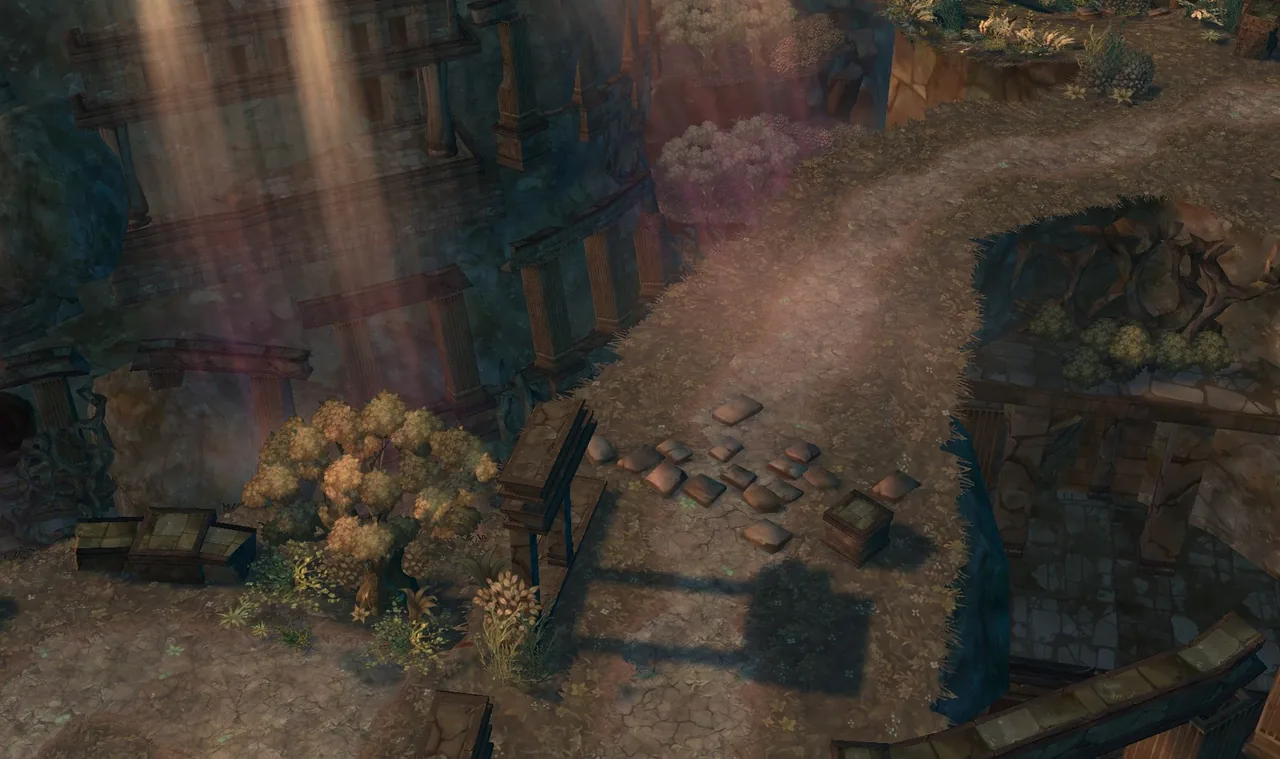
Tree of Savior (English Ver.)Image: IMCGAMES Co.,Ltd. via Steam -
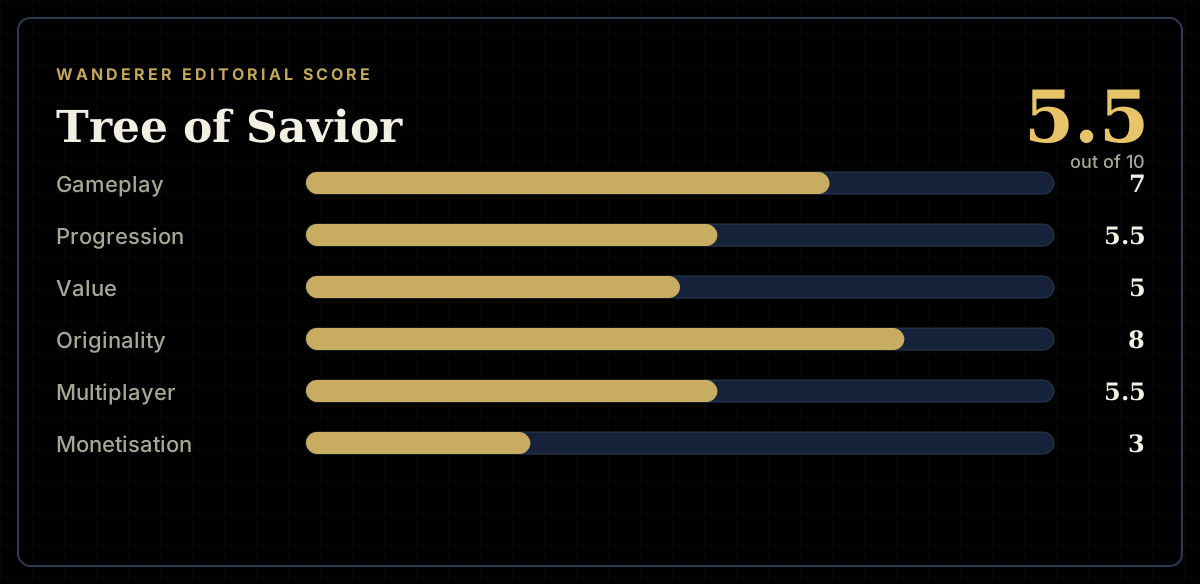
How the review scores each part of the gameWanderer Editorial -
The short versionWanderer Editorial