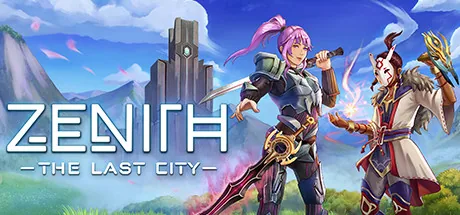
Game review
Zenith: Nexus
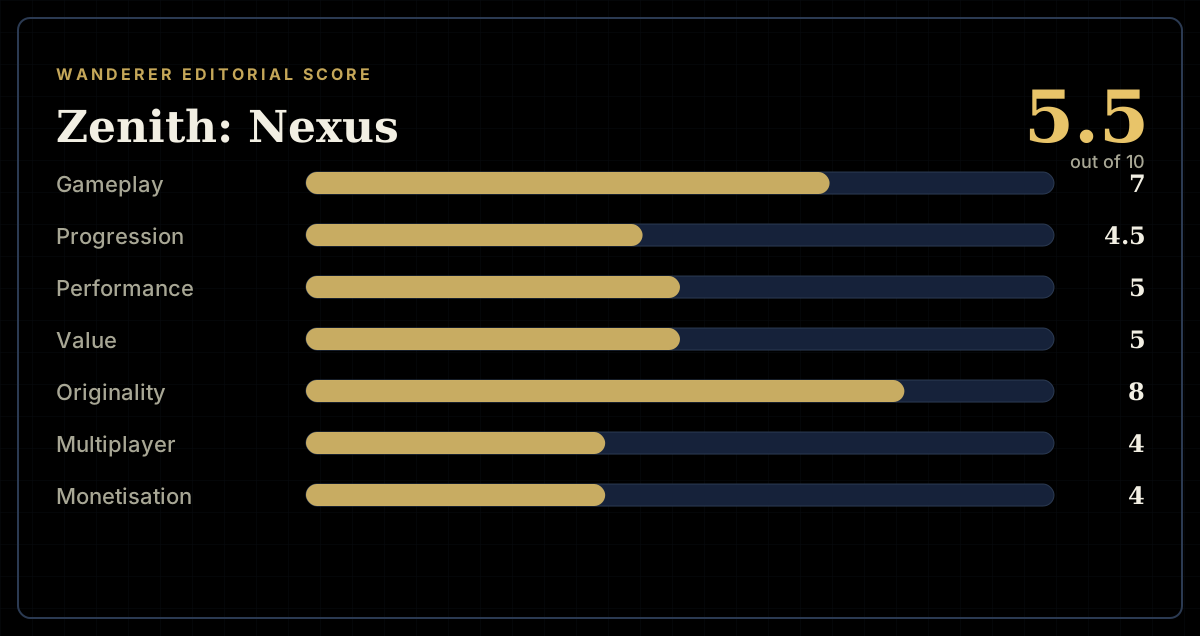
5.5 / 10
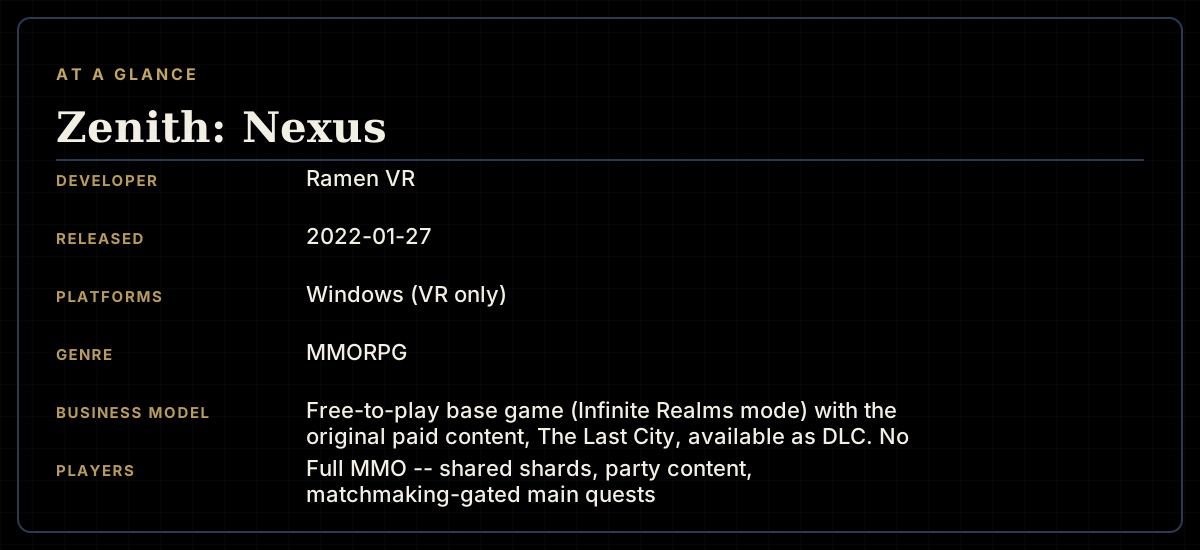
- Developer
- Ramen VR
- Publisher
- Ramen VR
- Released
- 27 January 2022
- Platforms
- Windows (VR only)
- Genre
- MMORPG
- Monetisation
- Free-to-play base game (Infinite Realms mode) with the original paid content, The Last City, available as DLC. No storefront price is listed for the base app; the DLC's price and value are a specific point of contention in the review corpus.
- Players
- Full MMO -- shared shards, party content, matchmaking-gated main quests
The short version
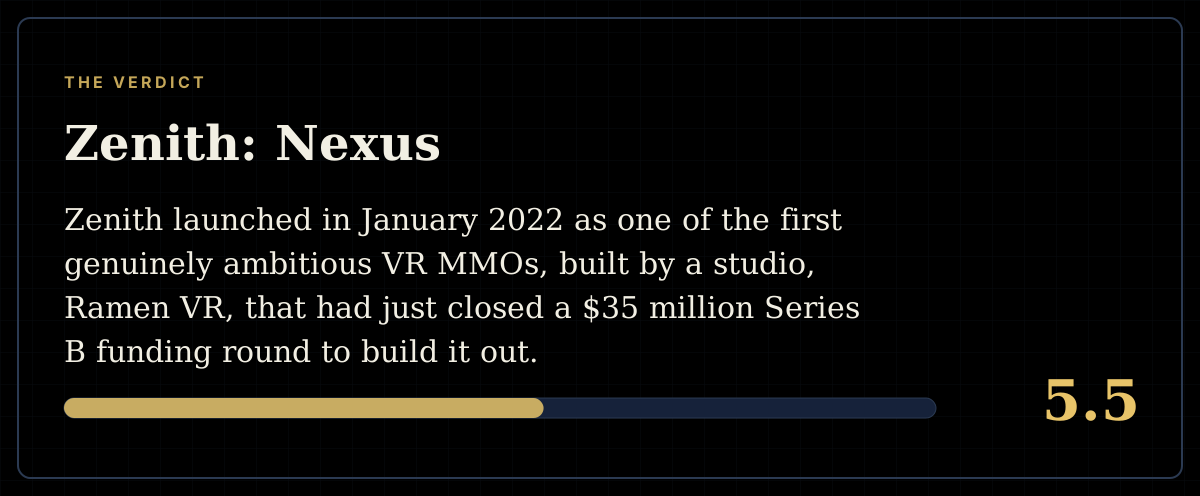
Zenith launched in January 2022 as one of the first genuinely ambitious VR MMOs, built by a studio, Ramen VR, that had just closed a $35 million Series B funding round to build it out. The early reception was close to euphoric — reviewers reached for Sword Art Online constantly, not as an insult but as the closest cultural reference point for what full-body VR MMO combat actually felt like for the first time.
What happened next is documented outside Steam as well as on it: struggling to retain players, Ramen VR pivoted the game to free-to-play in early 2024, folding the original paid game into DLC, and then ceased new content development entirely in August 2024 after one final season. It sits at Mixed — 63.8% positive of 3,542 lifetime English reviews — and the shape of the negative corpus lines up precisely with that timeline: a spike of complaints in 2024, many using the word "abandoned," from players who say they funded a game that was discontinued out from under them.
Biggest strengths
- Genuinely novel, well-regarded VR combat and traversal at launch -- flying, climbing, gesture-based spellcasting and physical dodging drew real enthusiasm and repeated Sword Art Online comparisons
- An active, social community during its peak, with reviewers specifically praising how "effortlessly social" the game felt in VR compared to conventional MMOs
- A large, varied open world with multiple biomes that launch-era reviewers praised for scale
Biggest weaknesses
- Ramen VR ceased new content development in August 2024, following a $35 million funding round and a documented struggle with player retention -- independently confirmed by VR press coverage, not just player accounts
- The original paid game was folded into a free-to-play structure with the paid content resold as DLC, and multiple reviewers report receiving no compensation despite having funded the game's development directly
- A pronounced grindwall reported from the early-to-mid game onward, with one reviewer describing a week of farming required just to leave the starting zone after a balance update
Who it's for: VR owners specifically curious about one of the medium's most ambitious MMO attempts, and anyone interested in the business story of a well-funded studio's pivot and wind-down as much as the game itself. Not for anyone expecting an actively developed, populated MMO in 2026 — by the developer's own account, content work stopped in 2024.
Our recommendation: Worth trying via the free Infinite Realms mode if you own VR hardware and are curious, with expectations set correctly: this is a game whose active development has ended and whose population has thinned accordingly. Be cautious about paying for The Last City DLC specifically, given how many reviewers describe the earlier paid version being devalued by the free pivot without any compensation offered to people who'd already bought it.
5.5 / 10
Few games in this library have as clean a before-and-after as Zenith. It launched on 27 January 2022 as Zenith: The Last City, and the reviews from that first week read like a genre moment: "I've been thinking about this a lot, and I don't think I've had this much fun with a game in, 5 years? Maybe 6?" reads one, at 120 votes. Another, at 664 votes, opens with a joke about VR immersion (itching, screaming, a very embarrassed fellow player) that's become something of a minor legend in its own review section. The comparison that comes up constantly, unprompted, is Sword Art Online — the fictional VR MMO from the anime — because for a lot of early buyers, this was the first time a game had actually delivered something close to that fantasy: full-body flight, gesture-cast magic, and a shared open world you explored standing up.
What actually happened, verified outside Steam
The story from here isn't just a matter of reading player reviews — it's independently documented by VR press. Ramen VR closed a $35 million Series B funding round to build the game out, reported by Road to VR and UploadVR among others, with plans to grow Zenith into a broader platform. By early 2024, the studio disclosed the game had been running at a loss for the better part of a year and pivoted to a free-to-play structure, releasing a new mode called Infinite Realms and reselling the original paid game as The Last City DLC. Then, in August 2024, following one final content season (Season 4: Golden Isles), Ramen VR ceased new development on Zenith entirely, citing player retention it hadn't been able to solve despite the funding. Servers keep running; new content does not arrive.
That timeline maps almost exactly onto the shape of the negative review corpus. Complaints spike hard in 2024 — 33 of the 100 most-helpful English negatives are from that year, against 26 from launch year 2022 — and 21 of the 100 use some form of the word "abandoned." "It pains me as both a Zenith VR fan and someone who has longed for a VRMMORPG to say I can't currently recommend this game," reads a 297-vote review from February 2024, written right as the pivot was announced. Another, at 214 votes, is blunter: "keep in mind the game had $35 million dollars in funding, and not a single Kickstarter goal has been fulfilled yet."
The complaint that outweighs the gameplay ones
The specific grievance that recurs most sharply isn't about difficulty or content pacing — it's about what happened to the money players had already spent. Twenty-four of the 100 negatives raise some version of the free-to-play conversion directly, several using close to the same words: "they took a VRMMO that cost $30 and made it DLC for a free to play seasonal game," reads one, "due to lack of players." Another, far shorter and more recent, states the core objection as plainly as possible: "So I just found that after paying for the game, you make the game free with no compensation?" This is a version of a pattern this library has seen before with older live-service titles — the top complaint being about the business relationship rather than the moment-to-moment game — except here it's recent, well-documented, and specifically about a studio that had the resources to keep going and chose not to.
What still works
None of this erases what made the early game genuinely good. Combat, flight and traversal draw consistent praise across both eras of reviews — one late-era review, written well after the development halt was public knowledge, still calls the VR combat "the most important" thing the game got right, ahead of every other modern MMO feature it lacks. The achievement data is consistent with a game whose opening hours land well and whose depth thins from there: the first major milestone sits at 68.1%, dropping to 29.3% and 20.0% for the next zones' quest lines — real early engagement, tapering the way reviewers describe.
5.5 out of 10. Zenith: Nexus is a genuinely important, well-executed piece of early VR MMO history, built by a studio that had both the ambition and, for a while, the funding to see it through — and it's worth experiencing on that basis, especially since the free Infinite Realms mode costs nothing to try. But it's also a documented case of a well-capitalised studio walking away from active development after converting what backers paid for into a free tier, and that context should sit alongside any recommendation rather than behind it.
Pros and cons
Pros
- Genuinely novel, well-regarded VR combat and traversal at launch -- flying, climbing, gesture-based spellcasting and physical dodging drew real enthusiasm and repeated Sword Art Online comparisons
- An active, social community during its peak, with reviewers specifically praising how "effortlessly social" the game felt in VR compared to conventional MMOs
- A large, varied open world with multiple biomes that launch-era reviewers praised for scale
- Ambitious for its category -- one of the first VR titles to attempt a genuine persistent-world MMO rather than a smaller instanced experience
Cons
- Ramen VR ceased new content development in August 2024, following a $35 million funding round and a documented struggle with player retention -- independently confirmed by VR press coverage, not just player accounts
- The original paid game was folded into a free-to-play structure with the paid content resold as DLC, and multiple reviewers report receiving no compensation despite having funded the game's development directly
- A pronounced grindwall reported from the early-to-mid game onward, with one reviewer describing a week of farming required just to leave the starting zone after a balance update
- Main-quest progress is gated behind matchmaking that reviewers say frequently has nobody left to match with, given the population decline since the 2024 pivot
- The achievement curve shows a steep early drop-off (68.1% for the first zone exit down to 20-30% for early zone quest lines), consistent with reviewer reports of thinning content and engagement beyond the opening hours
Screenshots
-
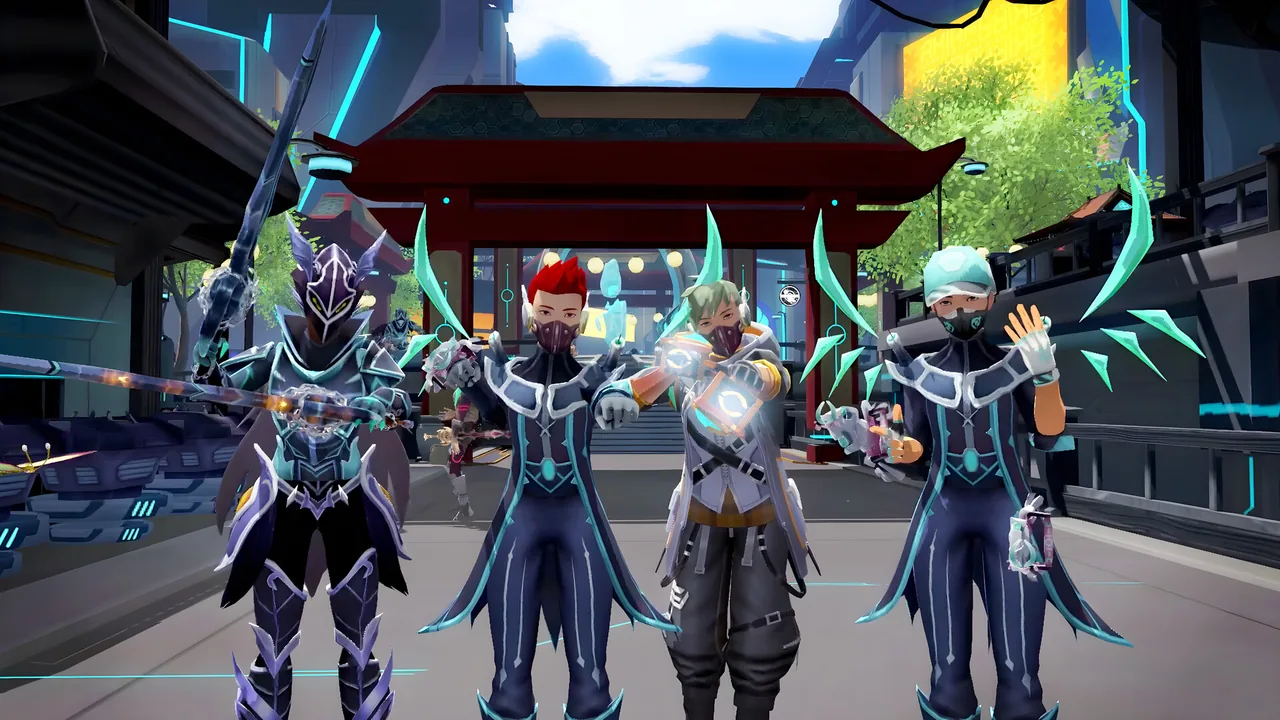
Zenith: NexusImage: Ramen VR via Steam -
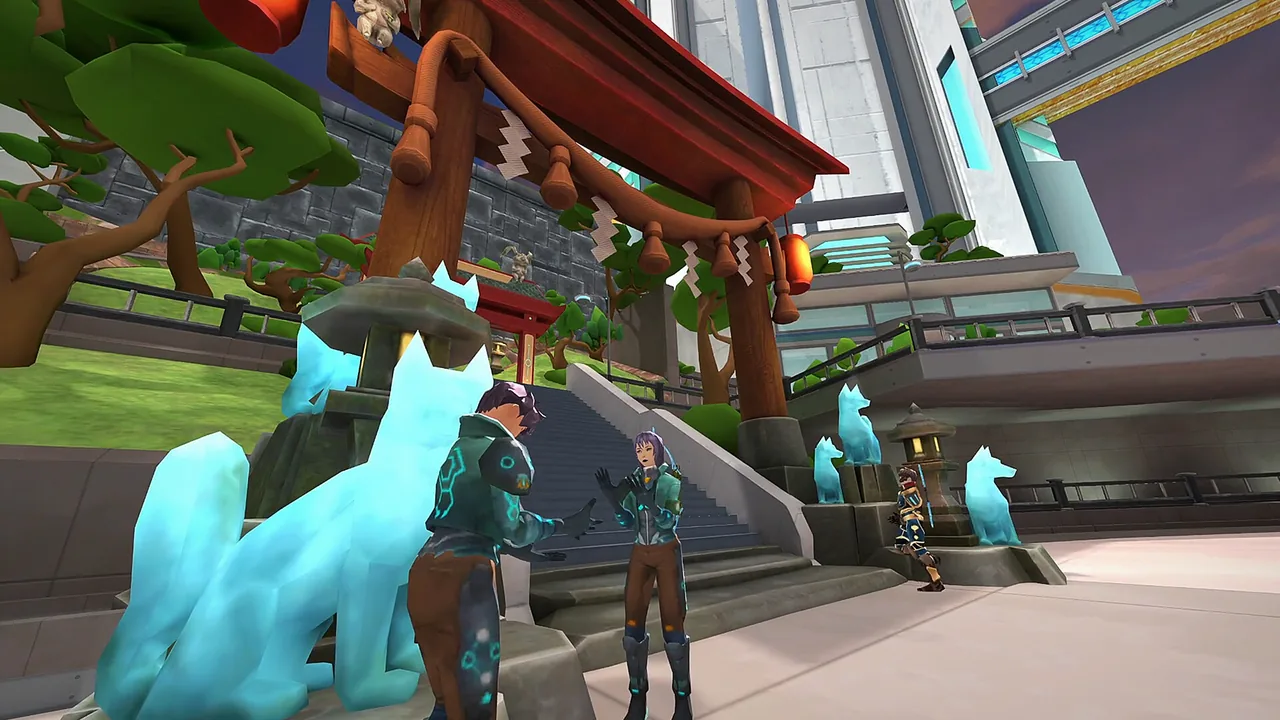
Zenith: NexusImage: Ramen VR via Steam -
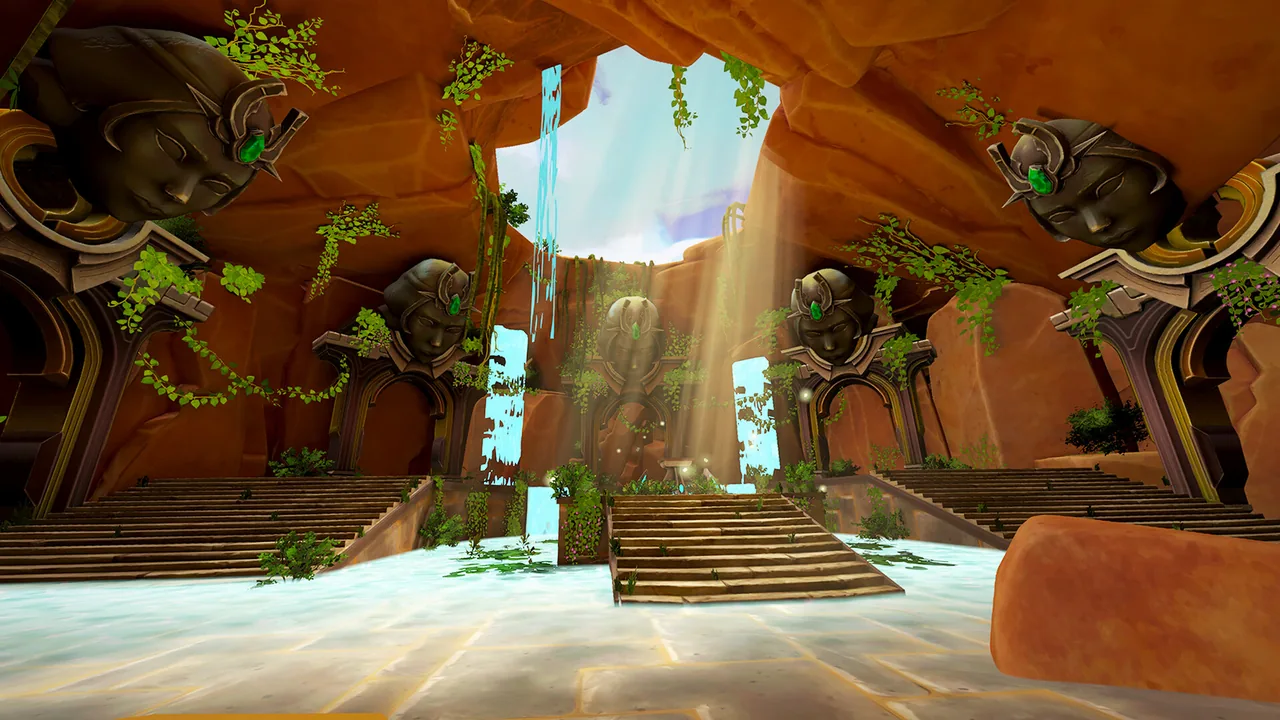
Zenith: NexusImage: Ramen VR via Steam -
How the review scores each part of the gameWanderer Editorial -
The essentialsWanderer Editorial -
The short versionWanderer Editorial