Game review
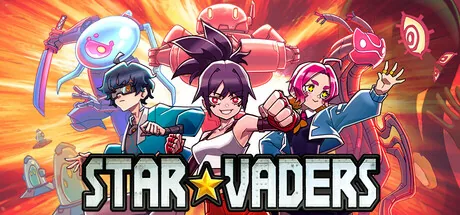
StarVaders
8 / 10
- Developer
- Pengonauts
- Publisher
- Joystick Ventures / Beep Japan Inc.
- Released
- 30 April 2025
- Platforms
- Windows, macOS
- Genre
- Deckbuilding Tactics Roguelike
- Monetisation
- One-off premium purchase, with two optional DLC packs; no in-app purchases and no premium currency
- Players
- None. Single-player only, with no leaderboard, co-op or shared-progress feature
The short version
StarVaders takes three ideas that don't obviously belong together — Into the Breach's grid-tactics positioning, a genuine deckbuilding card engine, and a Space Invaders-flavoured alien assault — and fuses them into something its own fans struggle to compare to a single existing game. "Into the Breach meets Cobalt Core," one reviewer offers; another reaches for "Slay the Spire meets Into the Breach meets Space Invaders." The reception backs the ambition: Overwhelmingly Positive across roughly 3,700 Steam reviews, a Metacritic score of 85, and eighteen months of sustained post-launch support including a substantial November 2025 2.0 update. The honest counterweight, raised specifically and repeatedly by a minority of players, concerns interface clarity — card tooltips that appear on the wrong side of the screen — and a balance curve with outlier combos extreme enough that some runs stop feeling like they involve meaningful decisions at all.
Biggest strengths
- A genuinely distinctive three-way genre fusion — grid-based tactical positioning, real deckbuilding, and an alien-invasion theme — that reviewers struggle to reduce to a single comparison
- An unusual, well-liked "Chrono Tokens" time-rewind mechanic lets players undo a misplay without restarting the whole run, softening the genre's usual all-or-nothing tension
- A built-in, unstigmatised easy mode draws specific praise for how it's presented, without the game making players feel bad for choosing it
Biggest weaknesses
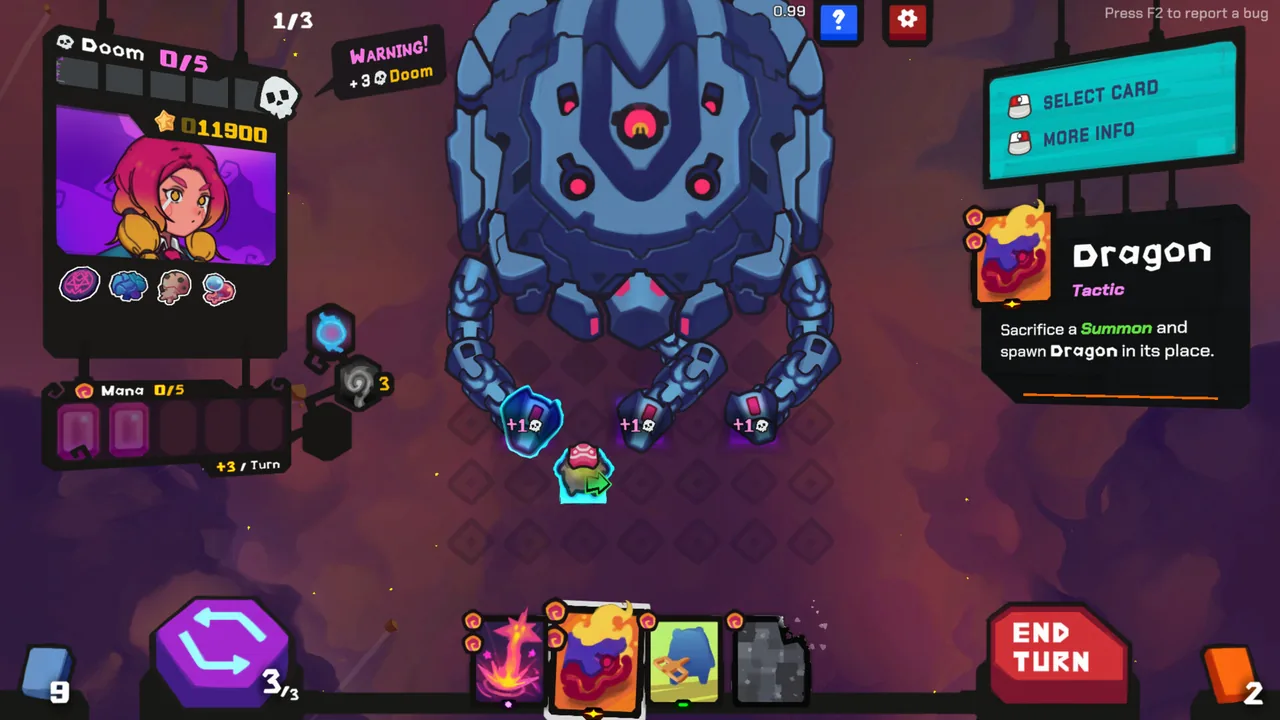
- A specific, repeated interface complaint holds that hovering a card to see what it does pops the explanation up on the opposite side of the screen from where you're looking, rather than near the card itself
- Balance outliers draw real criticism — some specific card combinations are reported as strong enough to end a run's tension entirely, undercutting the meaningful-decision feel that carries the rest of the game
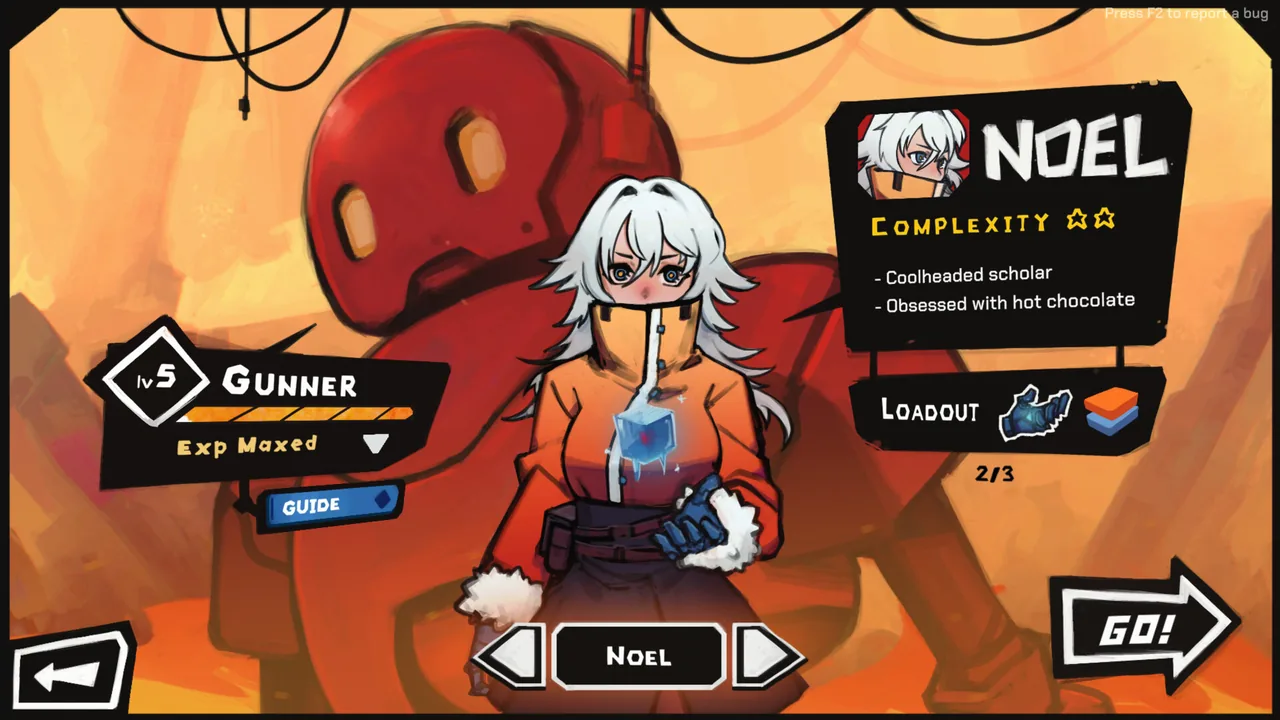
- Unlocking the third pilot is singled out as a difficulty spike disproportionate to the rest of the game's otherwise well-tuned curve, with at least one player describing every subsequent run as forced into a no-win scenario until it clicks
Who it's for: Deckbuilding roguelike fans who want genuine tactical positioning layered under their card choices, and Into the Breach players curious what the formula looks like with a real deck engine bolted on.
Our recommendation: A genre highlight worth full price for deckbuilder and tactics fans alike, though it's worth going in aware of specific, repeated UI and difficulty-spike complaints rather than expecting a flawless experience.
8 / 10
Deckbuilding roguelikes have been a crowded field for years, and the genre's most interesting recent entries tend to succeed by grafting a second, distinct system onto the card layer rather than refining the Slay the Spire template on its own. StarVaders picks an unusually ambitious graft: full grid-based tactical positioning, the kind Into the Breach built an entire game around, laid directly underneath a real deckbuilding engine, wrapped in a mech-versus-alien-invasion theme that gives the whole thing a Space Invaders-flavoured visual identity. It's a lot of ideas to fuse into one system, and the reception since its April 2025 launch — Overwhelmingly Positive across roughly 3,700 Steam reviews, an 85 on Metacritic, and continued active development well into 2026 — suggests Pengonauts mostly pulled it off.
A fusion that earns its comparisons
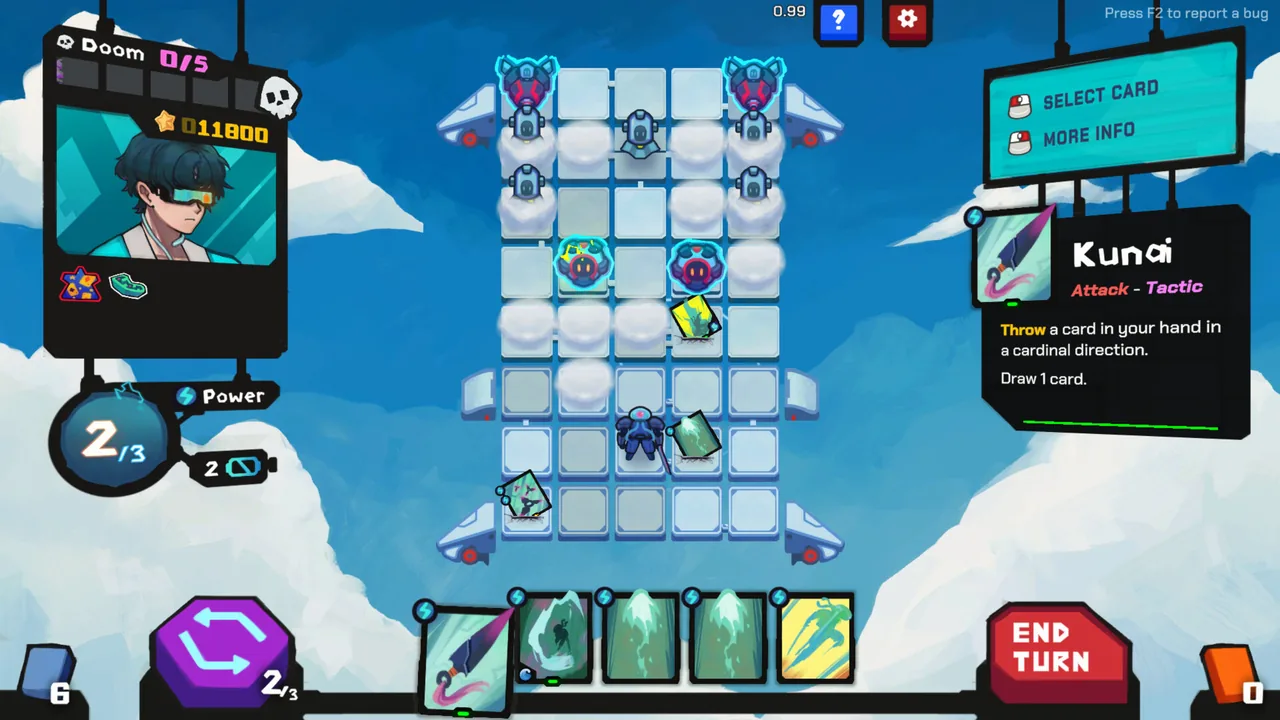
Reviewers reaching for a single point of reference tend to need two or three before they feel they've actually described the game. "Into the Breach meets Cobalt Core," one offers, while another goes further still: "Slay the Spire meets Into the Breach meets Space Invaders. If you've played a lot of deckbuilders already, this game does a bunch of seemingly small things that make the final experience so much better." That's a meaningful distinction from a game that simply borrows a genre's furniture — the praise consistently centres on how the grid-tactics layer and the card layer actually talk to each other, rather than existing as two separate systems bolted together. Movement and attack cards interact with positioning in ways that reward planning several turns ahead, closer to the spatial puzzle-solving Into the Breach is known for than to a typical deckbuilder's more abstract resource math.
One specific system draws consistent, warm praise as the piece that ties the whole design together: Chrono Tokens, a limited time-rewind resource that lets a player undo a specific misplay without restarting an entire run. Roguelikes live and die on how they handle the tension between commitment and mistake-recovery, and a bounded, costed undo mechanic is a genuinely elegant answer to that problem — enough of one that reviewers single it out by name rather than folding it into generic praise for the game's systems. "This game genuinely blows me away," one review states. "Slay the Spire is probably my favorite game, and this is the first StS-like I've ever played with anywhere near the same" level of polish, they continue — a strong claim from a self-described genre veteran, and not an isolated one in the sample.
Accessible without apologising for it
A detail that shows up more than once, and says something specific about the design philosophy behind the game, is how StarVaders handles its easy mode. "This game needs to be applauded for having an easy mode and not making any fuss about it or trying to make you feel bad for choosing it," one reviewer writes, adding that it lets them enjoy the game on days when they don't have the mental bandwidth for its harder demands. That's a small thing to single out, but it's consistent with a broader pattern in the review sample: players describing the game as welcoming without being shallow, hard when it wants to be without gatekeeping who gets to enjoy it. The achievement data backs this up in a concrete way — 71.7% of players have completed at least one full winning run, a notably high clear rate for a genre where a large share of players typically never beat a single run at all, and 95.6% have finished the tutorial, suggesting the onboarding does its job.
Where the acclaim has real limits
None of that erases a specific, repeated technical complaint running through the negative review sample, and it's concrete enough to be worth taking at face value rather than dismissing as genre grumbling. "First is the UI, seeing what cards do is frustrating, the cards are small, often look similar, and hovering over them doesn't pop up an explanation in the location of what you're hovering over, but on the other side of the screen," one detailed review states. "This is honestly a baffling design choice that makes the game annoying for me to play." That's not a vague complaint about a learning curve — it's a specific, reproducible interface decision that a meaningful slice of otherwise-engaged players find genuinely frustrating, and it's worth knowing about before buying rather than discovering it mid-run.
The same review raises a second, related issue: balance outliers extreme enough to undercut the game's own tactical tension. "There are some extreme outliers, where if you find a specific card or combo the run is over. The delta between the average run and a high roll is so extreme that I don't enjoy getting strong runs. The game ceases to have any meaningful decisions and it becomes a chore." For a game whose whole appeal rests on the grid-tactics layer rewarding careful planning, a build that occasionally short-circuits that planning entirely is a real design tension worth being upfront about, even if it doesn't happen on every run.
Progression difficulty draws its own specific complaint, separate from general balance. "I really enjoy this game... until I tried to unlock the 3rd character," one reviewer writes. "Now every run forces no win scenarios on me. This is way too hard to access what seems like a core part of the game." Read alongside the otherwise well-regarded difficulty curve and the praised, unstigmatised easy mode, this reads less like the game being uniformly hard and more like one specific unlock gate spiking well above the rest of the curve's tuning — a narrower problem than a blanket difficulty complaint, but a real one for the players who hit it. A smaller thread of reviews also flags plain repetitiveness — cards that reduce to "either moving or attacking," in one description — though this appears less frequently than the UI and balance-outlier complaints, and reads more like a genre-fit mismatch for players who wanted a card layer with more textural variety than StarVaders' more tactics-forward design provides.
A studio still actively building on it
What distinguishes StarVaders from a strong launch that quietly fades is the sustained pace of support since. Beyond routine patches — 1.0.6 and 1.0.7 landed within weeks of release addressing early feedback — the game received a full "Beach Episode" content update in mid-2025, another substantial 1.2 update that autumn bundled with cross-promotional Wildfrost and Slay the Spire deals, and then a genuinely major 2.0 release in November 2025 significant enough to warrant its own Steam Award nomination push. December 2025 brought a milestone announcement — 1.5 million hours played — alongside a free demo for DiceVaders, an apparent spin-off exploring the same core systems through a dice-based lens rather than cards. A 2.0.5 patch, cheekily framed as an April Fools' release, shipped as recently as April 2026, evidence the team is still actively iterating on the game a full year after its 1.0 launch rather than treating it as finished and moving on.
Where this leaves a buyer
At its full NZ$35.99 price — currently discounted to NZ$25.19 at the time of writing — StarVaders sits comfortably among the deckbuilding roguelike genre's stronger recent entries, backed by numbers that are hard to argue with: an 85 on Metacritic, Overwhelmingly Positive reception across thousands of reviews, and a clear-run completion rate well above what the genre typically manages. The fusion of grid-tactics positioning with real card-driven strategy is the genuine article, not a surface-level mashup, and the Chrono Tokens rewind system is a specifically elegant solution to one of the genre's oldest tensions. Buyers should go in aware of the UI's specific, repeated tooltip-placement complaint and the possibility of an occasional balance-breaking combo run — real issues, raised by engaged fans rather than casual detractors — and know that unlocking the third pilot may demand more than the rest of the curve prepares you for. None of that unseats what the review sample overwhelmingly agrees on: this is a genre highlight worth the money, still being actively supported well past its first year.
Pros and cons
Pros
- A genuinely distinctive three-way genre fusion — grid-based tactical positioning, real deckbuilding, and an alien-invasion theme — that reviewers struggle to reduce to a single comparison
- An unusual, well-liked "Chrono Tokens" time-rewind mechanic lets players undo a misplay without restarting the whole run, softening the genre's usual all-or-nothing tension
- A built-in, unstigmatised easy mode draws specific praise for how it's presented, without the game making players feel bad for choosing it
- Sustained, substantial post-launch support well past 1.0 — a major 2.0 update, a spin-off demo, and patches continuing into 2026 — backed by an 85 Metacritic score and Overwhelmingly Positive reception across roughly 3,700 reviews
Cons
- A specific, repeated interface complaint holds that hovering a card to see what it does pops the explanation up on the opposite side of the screen from where you're looking, rather than near the card itself
- Balance outliers draw real criticism — some specific card combinations are reported as strong enough to end a run's tension entirely, undercutting the meaningful-decision feel that carries the rest of the game
- Unlocking the third pilot is singled out as a difficulty spike disproportionate to the rest of the game's otherwise well-tuned curve, with at least one player describing every subsequent run as forced into a no-win scenario until it clicks
- A meaningful minority of reviews describe the core loop turning repetitive faster than the genre's best entries, particularly once a run's early card options are exhausted
Screenshots
-
StarVadersImage: Joystick Ventures via Steam -
StarVadersImage: Joystick Ventures via Steam -
StarVadersImage: Joystick Ventures via Steam -
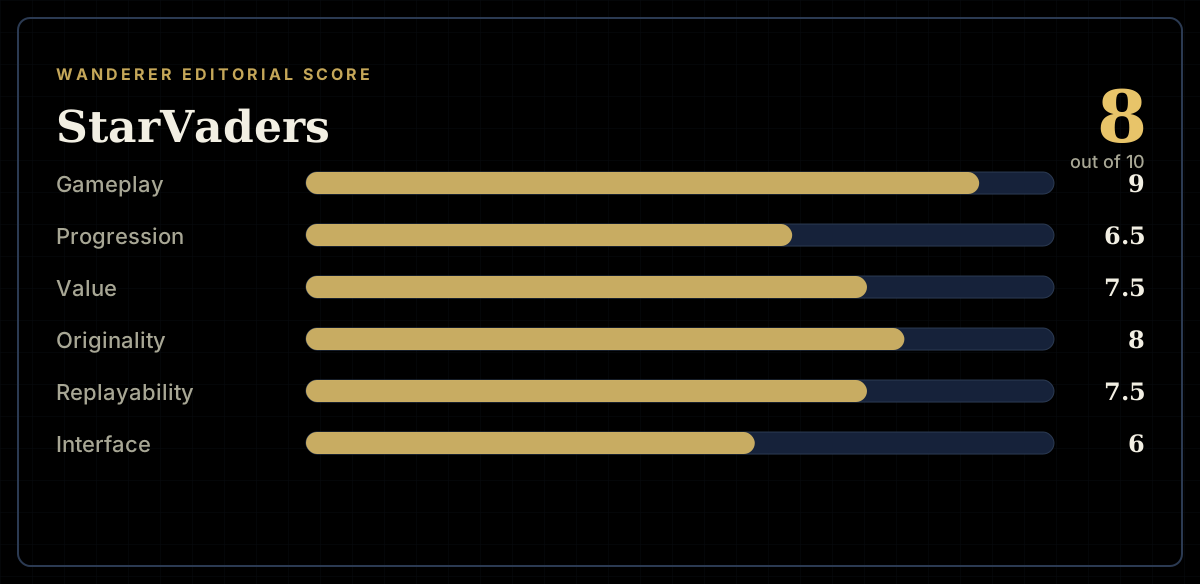
How the review scores each part of the gameWanderer Editorial -
The short versionWanderer Editorial