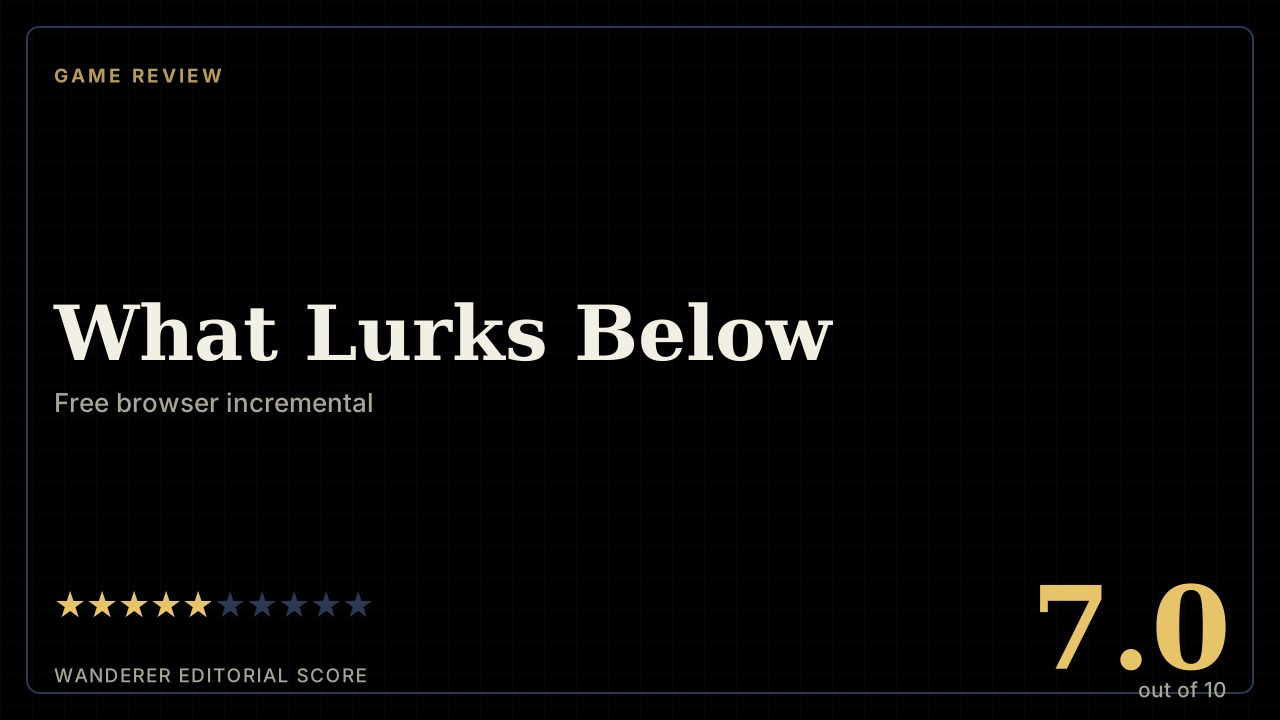
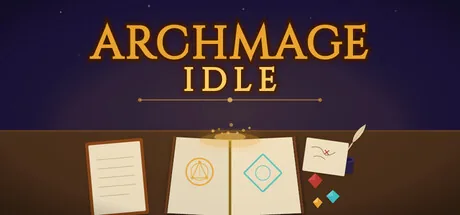
A minimalist incremental where every life is a countdown to a death that actually matters — the queue you plan, the story chapter you're on, and the instincts you've earned all carry forward, right up until the game itself stopped moving forward three years ago.
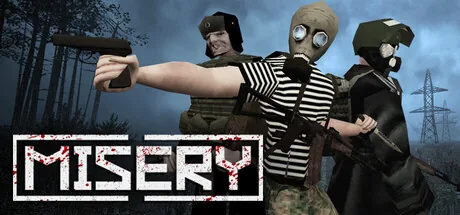
A chaotic, genuinely addictive co-op survival game set in a STALKER-flavoured nuclear exclusion zone, praised by players for its dark comedy and bunker-crawling tension even as a substantial share of the same review sample argues its "1.0" label is misleading for content this thin — and whose launch was briefly overshadowed by a real, well-documented DMCA dispute with STALKER 2 developer GSC Game World and an admitted offensive Discord incident from a member of the small development team.
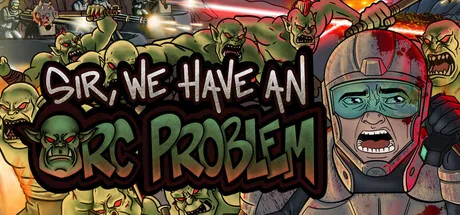
A tower defense game that treats its orc horde as a fluid rather than a queue of sprites, wrapped in a tight play-lose-upgrade loop that runs out of levels well before it runs out of ideas.
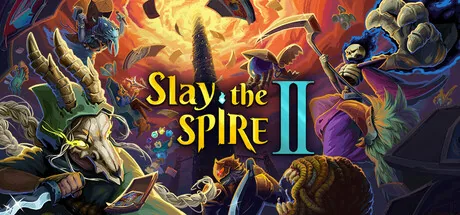
Mega Crit's sequel to one of the most acclaimed deckbuilders ever made adds co-op, two new classes and a rebuilt Ascension ladder, then spends its first five months in Early Access getting hammered by its own veteran players over balance whiplash, a boss nobody could agree on, and a genuine RNG bug a fan had to prove existed.
A ten-year-old space sandbox that still earns a Very Positive rating on the strength of its crafting-and-exploration loop and its modding scene — until you check the dates and find the developer has shipped one hotfix since 2019, then marked the tenth anniversary of its 1.0 launch with a vinyl record instead of an update, which is currently tanking the recent-review score in real time.
A decade-old 4X space strategy game beloved enough to produce reviewers with 2,000+ hours logged — and, since 2024, a wave of those exact same veteran players turning against Paradox over DLC pricing, a specific performance regression, and player-reported AI-generated content.
A free incremental with one reviewer clocking 31,732 hours and a persistent complaint from the rest — that a game with "idle" in its title keeps asking you to click.
A faithful, ambitious remake of the 1993 BBS door game Usurper — text-only dungeon crawling in a persistent world of autonomous NPCs who marry, betray and die whether you're logged in or not — built by a solo developer whose speed wins loud praise, while the game's single most-upvoted review raises real, detailed concerns about development stability.
A solo developer's debut that welds an automated turret to a twin-stick Asteroids clone, then closes the whole arc out in an afternoon — a sharp, cheap hook let down by a mouse-hostile upgrade screen and a progression curve that peaks right as the credits roll.
A free browser incremental built for a 2025 game jam, about hauling a strange substance up out of a mining town's collapsing depths — deliberately short, unusually confident about its Lovecraftian ending, and patched several times since launch to fix the rough edges that shipped with it.
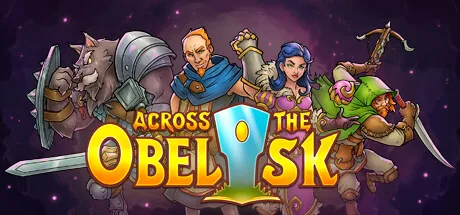
A four-player co-op deckbuilder that solves the genre's most obvious gap — playing Slay the Spire-style card combat as an actual shared party instead of a shared seed — and then spends the years after its Paradox acquisition undermining that achievement with DLC pricing its own community calls predatory.
A free-to-play idle RPG built around a wizard guild where every skill quietly multiplies every other skill — a genuinely clever synergy system undercut by a one-worker-at-a-time bottleneck and a VIP purchase ladder players have to climb tier by tier.
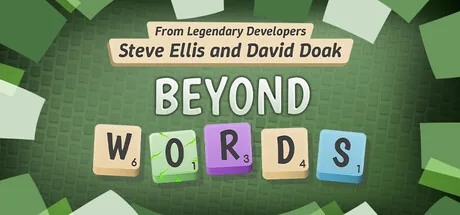
A roguelike deckbuilder that fuses Scrabble with Balatro, from GoldenEye and TimeSplitters veterans — genuinely praised for its core idea, and shadowed by an AI-art controversy the developers walked back after launch-week backlash.
A genuinely deep idle civilization builder — a hundred-plus technologies, era-spanning wonders, a real global trading market — undercut by a headline feature that's been advertised for over a year without actually existing.
A staggeringly deep grand strategy sandbox spanning nearly four centuries of world history, and the game most responsible for Paradox's reputation as the industry's most aggressive DLC seller — with thousands of hours logged by reviewers giving it a thumbs-down on principle alone.
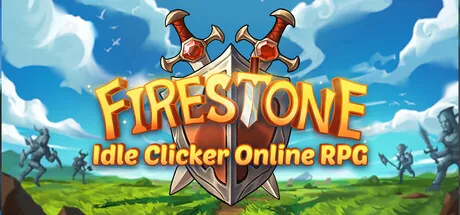
A hero-collecting idle RPG with real longevity behind it — five years in Early Access, fifteen-plus progression systems and no priced Steam DLC — undercut by a currency count that outgrows the player's patience and a guild structure that quietly punishes anyone without an active group.
A solo-developed BL suspense visual novel about cannibalism, class and a very literal kind of appetite, two days into Early Access with zero Steam reviews yet — reviewed on the developer's own Early Access FAQ, patch history and a genuinely positive 18-month demo record.
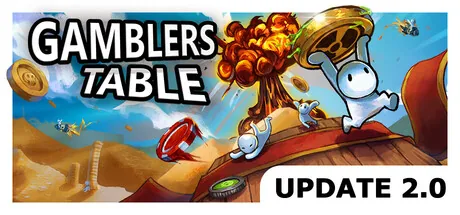
A coin-flipping incremental that dresses up Cookie Clicker's core loop in casino iconography, then undercuts its own momentum with a broken mid-tier economy and a prestige system that punishes curiosity.
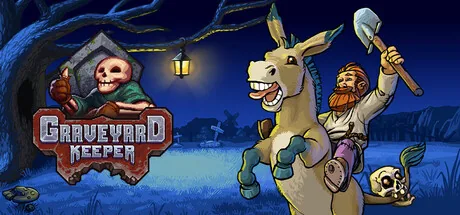
A medieval cemetery sim with a tech tree the size of a small factory game and a sense of humour about corpse disposal. Also the only game I've reviewed where a player says they finished it out of hatred — and where the community's fix is a mod list that removes the walking.
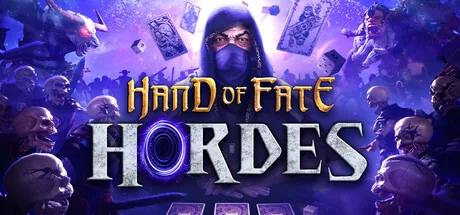
The Dealer returns, and this time he's dealing cards over a bullet heaven. The card layer is the most interesting thing in the genre right now; the horde layer underneath it hasn't worked out how to make you feel powerful yet — and the deckbuilding in its own tagline is still on the roadmap.
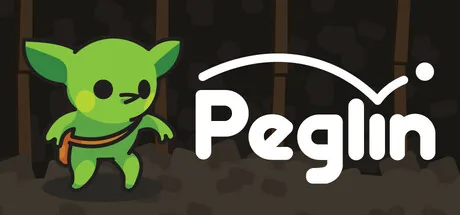
A genuinely inventive Peggle-meets-roguelike hybrid whose own fans keep landing on the same specific complaint — the PC price doesn't yet match the amount of content on offer, and the identical mobile version is consistently cited as the better deal.
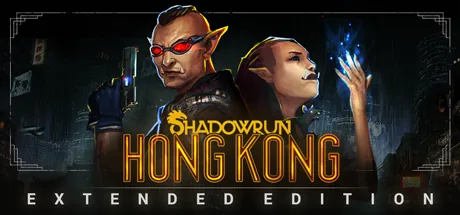
The third and final Harebrained Schemes Shadowrun tactical RPG, and the trilogy's most divisive entry — some players call it a masterpiece with a thousand-plus hours to back it up, others say the Matrix hacking minigame and murky pacing undo what Dragonfall got right.
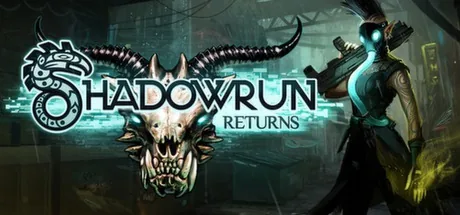
The Kickstarter campaign that brought cyberpunk-meets-fantasy Shadowrun back to video games — a genuinely well-written tactical RPG that its own developer, and most of its fans, would go on to surpass twice over with the sequels it made possible.
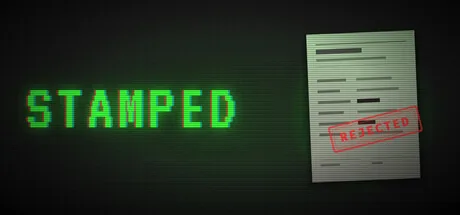
A psychological-horror bureaucracy sim that asks you to cross-check contradictory paperwork against a company terminal and stamp APPROVED or REJECTED — Papers, Please's mechanic wearing a haunted-office coat, from a developer who shipped two other small horror games the same fortnight.