
Game review
Tap Ninja - Idle game
7 / 10
- Developer
- Broken Glass
- Publisher
- Broken Glass
- Released
- 17 March 2022
- Platforms
- Windows, macOS, Linux
- Genre
- Idle RPG
- Monetisation
- Free to play with in-app purchases, including premium skins and progression conveniences.
- Players
- Single-player, with seasonal leaderboard events
The short version
The single most striking number in this review isn't a score. It's a playtime: the most invested critical reviewer of Tap Ninja has 31,732 hours logged, and the median across the hundred most-helpful English negatives is 397 hours. This is a free game people leave running for years.
What they argue about is the name. "Idle" is in the title, and 41 of those hundred negative reviews take issue with how much clicking the game actually wants — progression, several say, stalls unless you're there tapping. The second argument is about updates: reviewers with hundreds of hours report patches that increase the grind and, in some cases, take back progress they'd already earned.
Biggest strengths
- Free, with years of content and a genuinely generous amount of game for no money
- Seasonal events give a long-running incremental a reason to come back, still shipping in 2026
- Charming presentation, village-building and a pet collection that give it more character than most incrementals
Biggest weaknesses
- Reviewers repeatedly argue it isn't really an idle game — active clicking drives progression
- Updates are accused of increasing grind and removing progress players had already earned
- Monetisation pressure is described as growing with each update by long-term players
Who it's for: Incremental players who don't mind an active clicking layer and enjoy a long seasonal structure. If your definition of "idle" is a game that plays properly while closed, calibrate before installing.
Our recommendation: Free, well made, and worth a look if you like the genre — just know it's a clicker with idle elements rather than the reverse, and that the economy has been tightened over time in ways long-term players resent.
7 / 10
Somebody has 31,732 hours in Tap Ninja. That's about three and a half years of wall-clock time, and they left a negative review.
That number is the genre in one line. Idle games are the only category where a game can accumulate more playtime than the reviewer has been alive-and-awake for, and where the person who did it still has notes. The median playtime across Tap Ninja's hundred most-helpful English negative reviews is 397 hours. Nobody here is a tourist.
The argument about the title
The game is called Tap Ninja - Idle game, and 41 of those hundred negative reviews mention the word "idle" — almost always to dispute it.
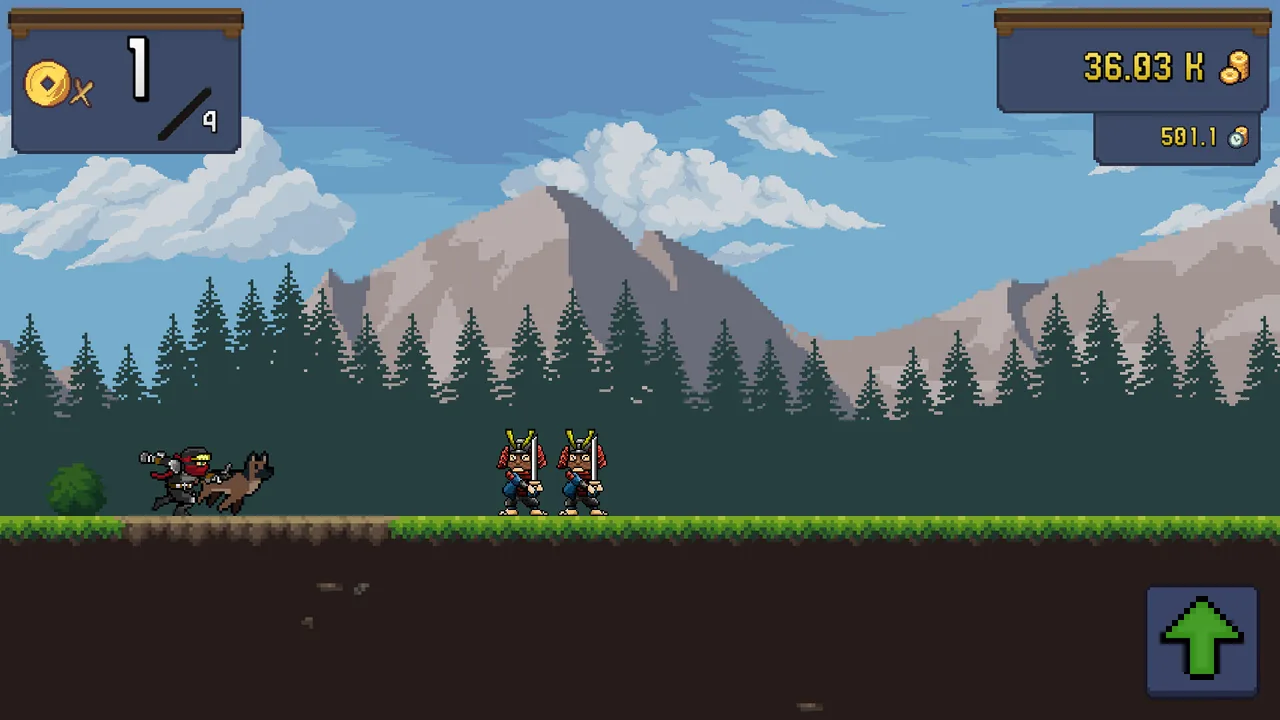
The clearest statement is a 113-vote review from a few days after launch: "No way is this an idle game — progression requires active clicking. If you're looking for an idle game, skip this." The mechanic is an endless-runner layer where your ninja advances and you click to strike enemies as you reach them; there's automation, and you control when it happens, but reviewers who wanted a game that plays properly while minimised report progress stalling without them.
This matters more than a naming quibble, because "idle" is a promise about what the game does with your absence. Wanderer's readers know the distinction well: Melvor Idle and Cycle Idle RPG genuinely progress while closed; a clicker asks for your hands. Tap Ninja sits closer to the clicker end than its title suggests, and a meaningful share of its critical reviews are people who found that out after installing.
To be fair to Broken Glass, the store page describes it as an incremental and the tapping is right there in the name. But the subtitle does the opposite work, and that's what people are reacting to.
The updates argument
The second theme is more serious and comes from the long-haul players.
Thirty-six of the hundred negatives mention updates and twelve mention nerfs, and the pattern they describe is consistent: patches that increase the grind, reduce output, or claw back things already earned. A 51-hour reviewer in 2023 reports an update that "massively increased the grind a player faces whilst taking away the perks and points I had spent hours and days grinding towards." A 991-hour player puts it more bleakly: updates "keep making game harder, they can also take your resources that were previously collected," with monetisation emphasis "growing with each update."
Two separate reviewers, in March and July 2025, filed near-identical complaints about a specific update breaking achievements and cutting gold-per-second while adding longer grinds.
I'd read that as the central risk of a free incremental with a live economy. In a paid game, balance changes are just balance changes. In a free one with purchasable conveniences, every tightening looks like a nudge toward the shop — whether or not that's the intent — and players with hundreds of hours invested are exactly the ones who notice.
One reviewer also alleges the developer removed critical discussion threads. That's a single unverified claim about moderation and I'm not going to present it as fact, but it's part of why the long-term reviews read as adversarial rather than disappointed.
What's genuinely good
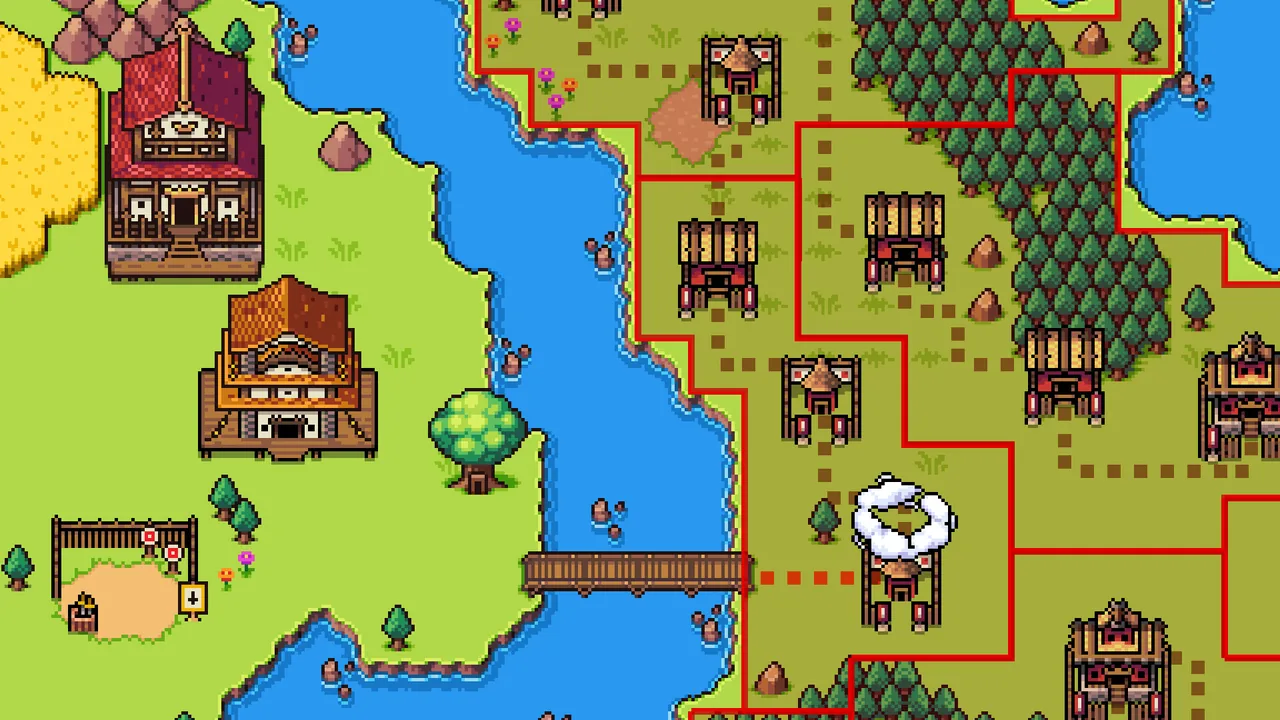
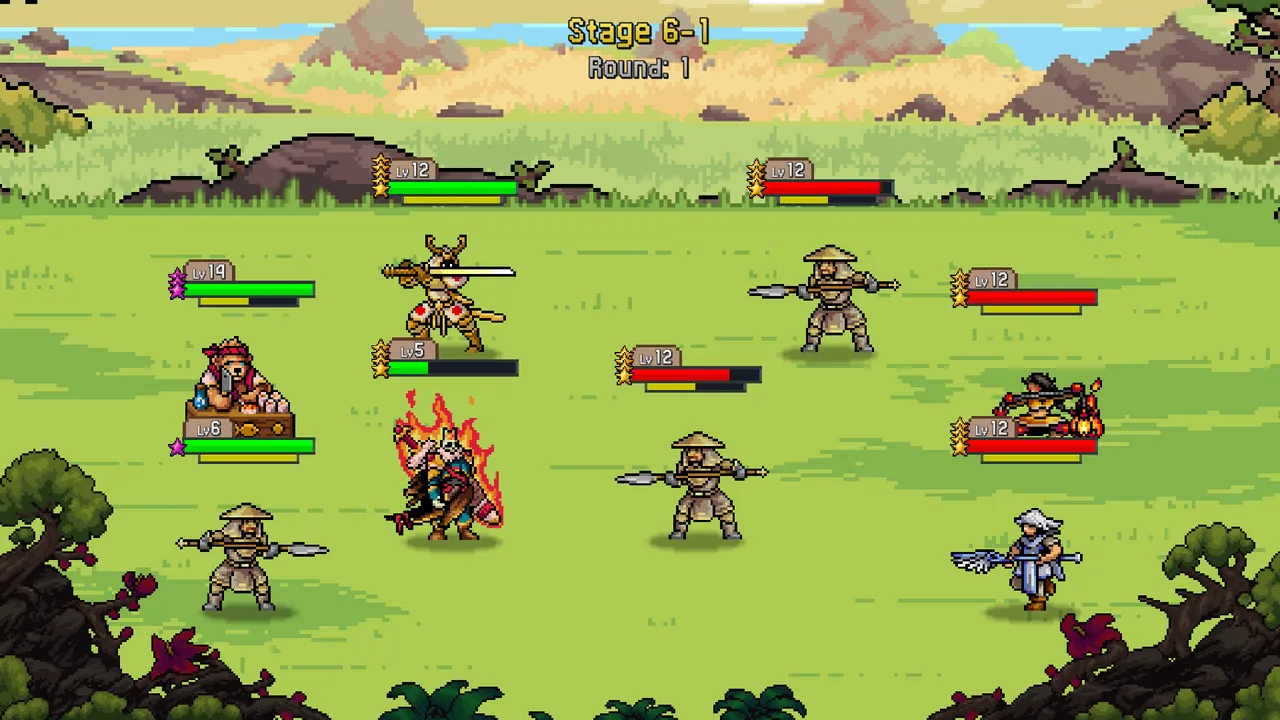
It's free, and it is a lot of game for nothing. There's a village to build, a research tree, heroes to recruit for province-conquering missions, and a pet collection with bonding mechanics — more texture than most incrementals bother with, and the art is pleasant rather than functional.
The support record is strong. Four years on, Broken Glass are still shipping: seasonal events launched in January, March and June 2026, with version updates in between and an art contest running this month. The seasons give a long incremental something most lack — a reason to return on a schedule rather than drifting away — though they do add another layer of resetting to a genre already built on resets.
And it runs on Windows, macOS and Linux, which almost nothing in this category does.
The numbers
Overall it sits Very Positive at 85.1% across 9,716 reviews, but that figure is carried by non-English players: Russian is 89.4% and German 85.2%, while English is 78.7% of 2,806 and Simplified Chinese 75.4%. As with several games in this library, the badge and the English-speaking experience aren't quite the same thing — cite the lower number.
Current sentiment is stable rather than recovering: 76 of the last 100 English reviews are positive, across four months, at an 82-hour median. The negatives are spread evenly across every year since launch — 15, 36, 19, 20, 10 — which, as with TUNIC, signals a persistent expectation mismatch rather than a patchable defect.
The verdict
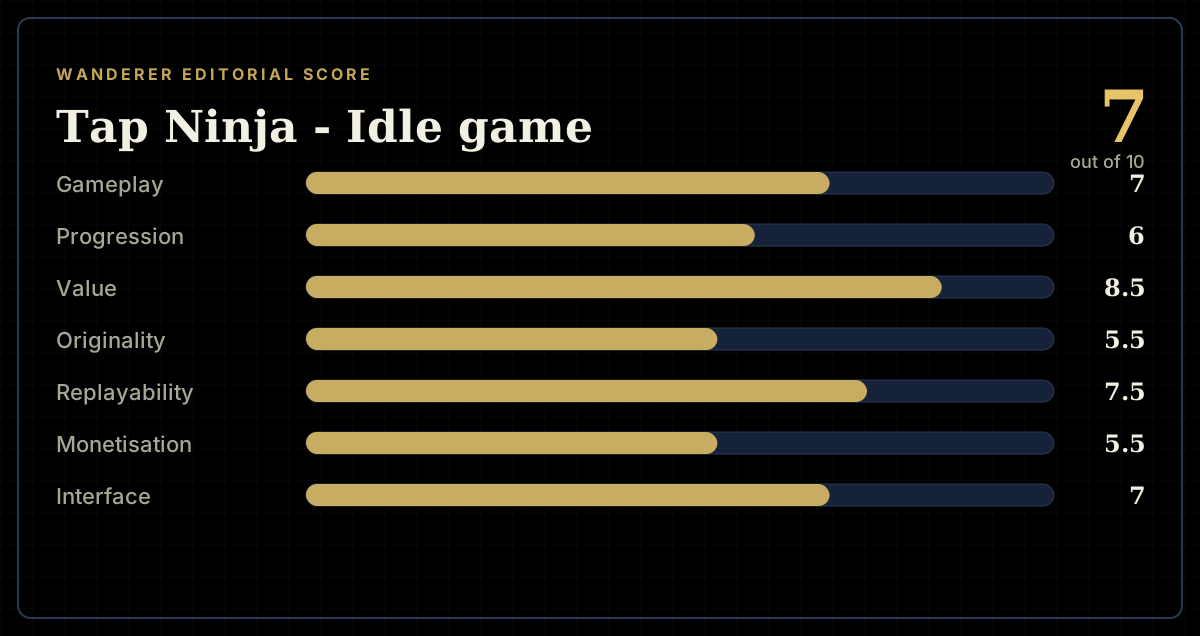
Tap Ninja earns a 7. For a free game from a small developer it's generous, well-presented, still actively supported four years in, and capable of holding people for hundreds of hours — the 31,732-hour reviewer is an outlier, but the 397-hour median is not.
It sits at 7 rather than higher for two reasons its own players keep raising. The first is honesty of positioning: a game titled "Idle game" that rewards constant clicking will keep collecting reviews from people who wanted the other thing. The second is trust: an economy that has been repeatedly tightened, in a game that sells convenience, wears down the goodwill of exactly the players who stay longest.
Install it if you like clickers and want a free one with real depth. If what you actually want is progress that accrues while you're not there, that's a different shelf — and it's the one Wanderer is built on.
Pros and cons
Pros
- Free, with years of content and a genuinely generous amount of game for no money
- Seasonal events give a long-running incremental a reason to come back, still shipping in 2026
- Charming presentation, village-building and a pet collection that give it more character than most incrementals
- Four years of continuous development from a small developer, with regular patch notes
- Runs on Windows, macOS and Linux, which is rare in this genre
Cons
- Reviewers repeatedly argue it isn't really an idle game — active clicking drives progression
- Updates are accused of increasing grind and removing progress players had already earned
- Monetisation pressure is described as growing with each update by long-term players
- The seasonal structure adds reset fatigue on top of the usual prestige resets
- Reviewers draw unfavourable comparisons with Idle Slayer on originality
Screenshots
-
Tap Ninja - Idle gameImage: Broken Glass via Steam -
Tap Ninja - Idle gameImage: Broken Glass via Steam -
Tap Ninja - Idle gameImage: Broken Glass via Steam -
How the review scores each part of the gameWanderer Editorial -
The short versionWanderer Editorial