A Kickstarter-backed, pro-player-built sci-fi RTS that arrives in Early Access as the most credible StarCraft successor in years, welded to a commander RPG layer that mostly earns its place — if you're still willing to relearn macro from scratch.
A four-player co-op deckbuilder that solves the genre's most obvious gap — playing Slay the Spire-style card combat as an actual shared party instead of a shared seed — and then spends the years after its Paradox acquisition undermining that achievement with DLC pricing its own community calls predatory.
Hazelight Studios' prison-break co-op predecessor to It Takes Two and Split Fiction remains Very Positive across more than 102,000 Steam reviews for its inventive, purely two-player design — but this review can confirm a real, still-current complaint It Takes Two eventually resolved: A Way Out's mandatory EA App launcher continues to cause connection failures, crashes and Steam-invite friction in reviews dated as recently as August 2025, with no fix announcement found anywhere in the developer's own Steam communications.
EA's biggest Battlefield launch in franchise history — 20 million units sold, record concurrent players, genuinely praised gunplay and an unusually stable launch — undercut by a widely repeated "bait and switch" narrative in which an acclaimed beta gave way to aggressive post-launch monetisation, and shadowed by a real, independently verified wave of layoffs across the studios that built it just months after that record-breaking success.
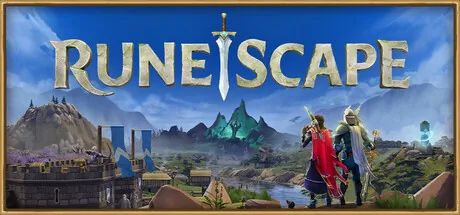
An ambitious single-world MMO crafting sandbox from the studio behind SpacetimeDB, built around a genuinely deep, RuneScape-inspired grind that its own biggest fans openly embrace — undercut by a real tension between its "idle-friendly" marketing and punishing stamina systems, rampant player-on-player griefing the developers are criticised for under-policing, and a disclosed but under-communicated plan to wipe progress and convert to free-to-play after Early Access.
A ten-year-old pixel dungeon-crawler that never quite decided whether it wants you clicking through fights or leaving them to auto-battle, held together by a four-currency stamina economy that structures every session it doesn't quietly monetise.
A first-person co-op roguelite where up to four cats sneak past dogs to rescue kittens, spend break-in cash on crossbows and grenades between runs, and try to outlast an escalating house — priced at $2.99 and one day old, with a single user review and no achievement list yet to check its own claims against.
Relic's standalone wave-defence spin-off is the rare Mixed rating where both sides agree the game is fun. The fight on its review page is entirely about the price tag — a full-expansion ask for five maps, four factions and a perk tree.
A brutal, deeply detailed survival sandbox set in Robert E. Howard's Hyboria that's held a genuinely devoted following since 2018, now carrying real, current frustrations over monetisation additions and mandatory online requirements introduced since Funcom's acquisition by Tencent.
The game that arguably invented the modern survival genre from an ARMA 2 mod is still running, still brutal, and still dividing its own reviews between people who lived through its infamous five-year alpha and people just discovering how unforgiving it remains today.
A short, stylish drift-racing game about a bomb-strapped monkey mail truck, loved by fans who call its unforgiving handling a fair skill curve and criticized just as forcefully by players who call the same physics broken — with a verified, punishing completion curve and three and a half months of developer silence underneath the debate.
Arkane's stylish time-loop shooter won Game of the Year honours from multiple outlets in 2021, but sits Mostly Positive across more than 30,000 Steam reviews — a notably wider gap between critical acclaim and player reception than sibling title Dishonored 2, driven by a real, detailed "undershoots Dishonored and Prey" complaint from longtime Arkane fans, and by a persistent Denuvo DRM and mandatory-online requirement this review can confirm, unlike Dishonored 2's, has not been removed even five years after launch.
A generous, well-made free shooter whose most-upvoted review isn't about the shooting at all — it's about the kernel-level anti-cheat that reviewers say keeps running after the game is uninstalled.
The best-feeling shooter ever made, attached to the most punishing content model in mainstream gaming. Its harshest reviews come from players with two thousand, five thousand, ten thousand hours logged — and the phrase they keep reaching for is "the best game I can't recommend".
A free, chaotic co-op dig-and-defend game where up to four friends mine for loot by day and fend off zombies by night — reviewed on its complete English review sample, which reads as a genuinely fun prototype whose launch-week bugs a solo developer has been patching almost daily.
A gorgeous arena fighter sitting at 85% lifetime — and 30% across its last hundred reviews, because a DLC released six days ago has Ultimate Edition owners saying they're being charged twice.
A staggeringly deep grand strategy sandbox spanning nearly four centuries of world history, and the game most responsible for Paradox's reputation as the industry's most aggressive DLC seller — with thousands of hours logged by reviewers giving it a thumbs-down on principle alone.
A hero-collecting idle RPG with real longevity behind it — five years in Early Access, fifteen-plus progression systems and no priced Steam DLC — undercut by a currency count that outgrows the player's patience and a guild structure that quietly punishes anyone without an active group.
A brutally tense, atmospheric co-op horror shooter built entirely around four-player coordination — undercut for years by the one thing it never properly solved: no server browser or real matchmaking, leaving solo players locked out unless they already have a premade squad.
A genuinely distinctive, hardcore 100-player WWII shooter built around resource-based meta-strategy and a dynamically shifting front line, still Very Positive across nearly 150,000 Steam reviews five years on — undercut by a real, sustained, multi-year complaint that Team17's 2023 acquisition of the game brought a persistent decline in update quality, and a genuine, currently active cheating problem several reviewers describe as severe enough to have driven entire dedicated communities away.
A co-op horror-comedy about hauling wrong-looking wildlife through a national park that shouldn't exist, held back from the genre's top table by a punishment mechanic that erases a night's work for reasons the player often can't see coming.
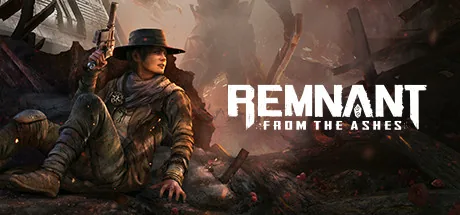
A tense, atmospheric PvPvE bounty-hunting shooter that rebuilt itself on a new engine and a fixed 1896 setting — and split a deeply devoted, thousand-hour community right down the middle over whether the relaunch was a genuine improvement or a betrayal of what made the original special.
An idle RPG that swaps the genre's usual real-time clock for something stranger — your knight levels up from the mouse clicks and keystrokes you make in other programs entirely.
A tense, punishing tactical shooter with genuinely excellent gunplay, now navigating the real aftermath of its developer's confirmed 2023 layoffs and subsequent ownership changes — a corporate instability story its own players have watched unfold in real time.