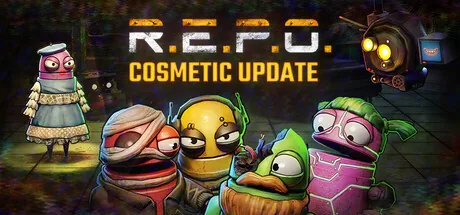
Game review
R.E.P.O.
7.5 / 10
- Developer
- semiwork
- Publisher
- semiwork
- Released
- 26 February 2025
- Platforms
- Windows
- Genre
- Co-op Horror
- Monetisation
- Premium, one-off purchase — no in-game purchases
- Players
- Online co-op, up to six players; Steam friends only, no public matchmaking
The short version
R.E.P.O. sends a crew of up to six into haunted, monster-filled environments to extract valuable objects with a physics-based grabbing tool — heavy pianos, fragile ceramics, whatever a mysterious computer intelligence wants hauled out intact — and it leans harder into slapstick physics than its clearest ancestor, Lethal Company, while adding a real upgrade and progression system on top. A near-universal running joke in its own reviews is that its emoji store banner makes it look like shovelware; the game underneath is anything but.
What keeps it from a higher score is a cluster of real, frequently repeated complaints: clunky item-grabbing and movement, difficulty balance that swings between "too easy in a group" and "unplayable solo," no public matchmaking at all, and a long-term content ceiling that shows up in reviews well before most players are ready to stop having fun.
Biggest strengths
- Physics-based extraction and monster interactions produce constant, genuinely funny emergent moments, more so than most games in this now-crowded subgenre
- A real upgrade and progression system, spending hard-earned cash on gear and enhancements, gives runs a sense of building toward something Lethal Company's loop doesn't quite match
- Extremely cheap for the amount of chaotic co-op fun on offer, especially split across a full crew of friends
Biggest weaknesses
- No public matchmaking of any kind — you can only play online with people already on your Steam friends list, which is a real barrier for anyone without a ready-made group
- Movement and item-grabbing are frequently described as clunky, particularly when handling large or awkward objects with a team
- Difficulty balance draws consistent complaints in both directions: some monsters are reportedly near-unplayable solo, while full teams can find later maps too easy or too frustratingly padded
Who it's for: Co-op groups who liked Lethal Company's chaos and want a version with deeper progression and even more physics comedy — best enjoyed with a full Steam-friends crew rather than solo or with strangers, since there's no way to matchmake with the latter.
Our recommendation: Buy it with friends already in mind — the price is negligible and the fun with a full crew is real, but there's no public lobby system, so going in without people to play with is the one scenario this review can't recommend.
7.5 / 10
Every genre eventually produces a game so successful it spawns its own subgenre, and Lethal Company's quota-based scavenging horror is currently having exactly that moment. R.E.P.O. is the clearest and most successful of the games that followed it, and it earns that distinction by not just copying the formula — it leans harder into physics-based comedy, adds real long-term progression, and builds an identity distinct enough that comparisons to its obvious ancestor read as a compliment rather than a knock, which is exactly how a huge share of its own reviews frame it.
Extraction, weighed down by Newton's laws
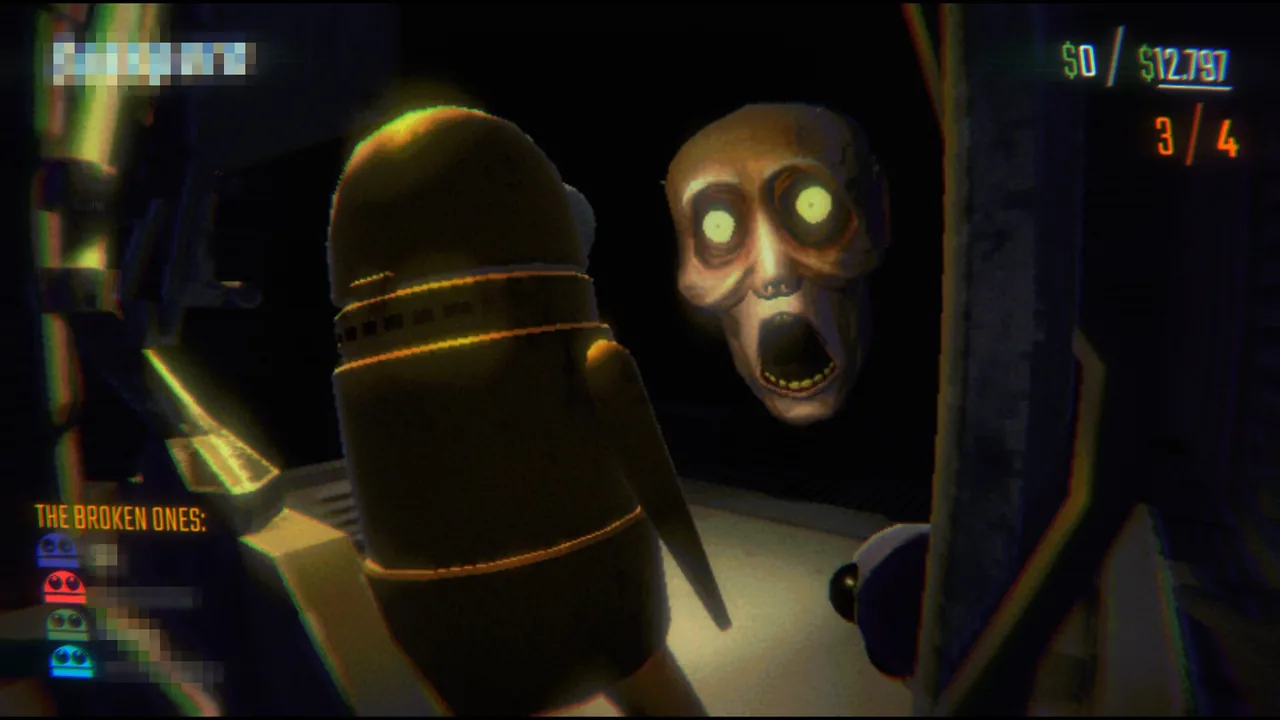
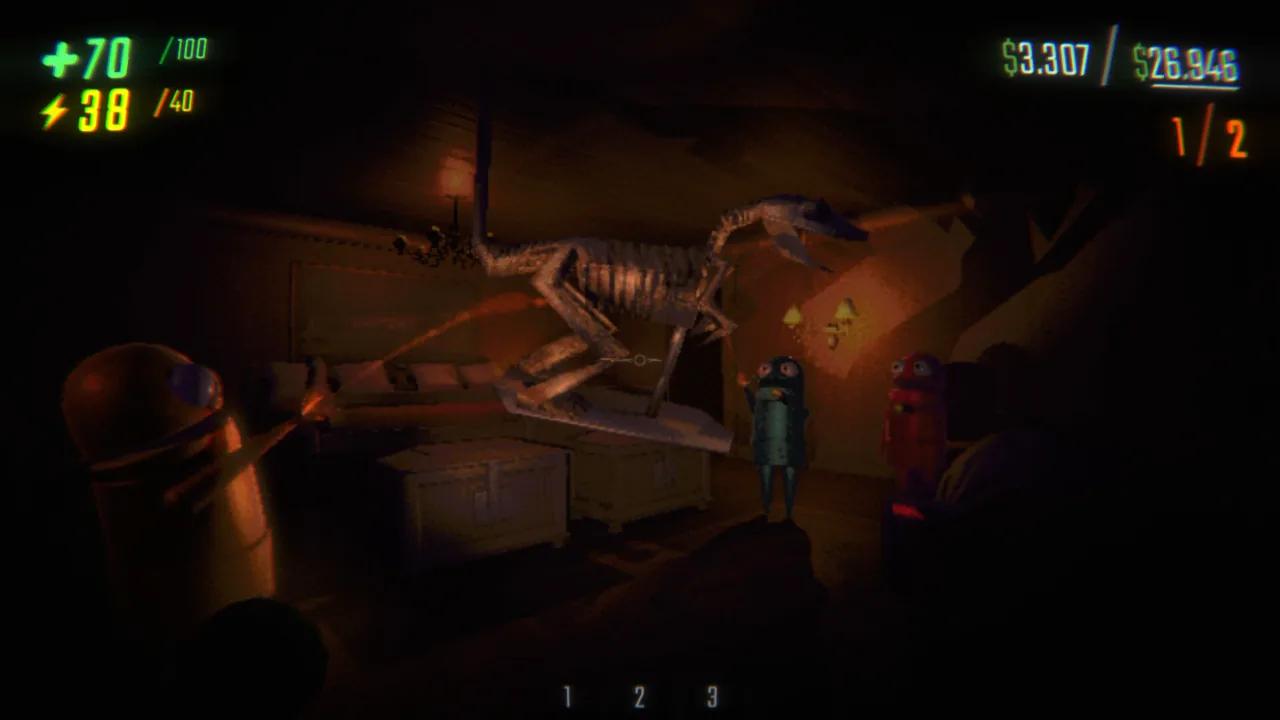
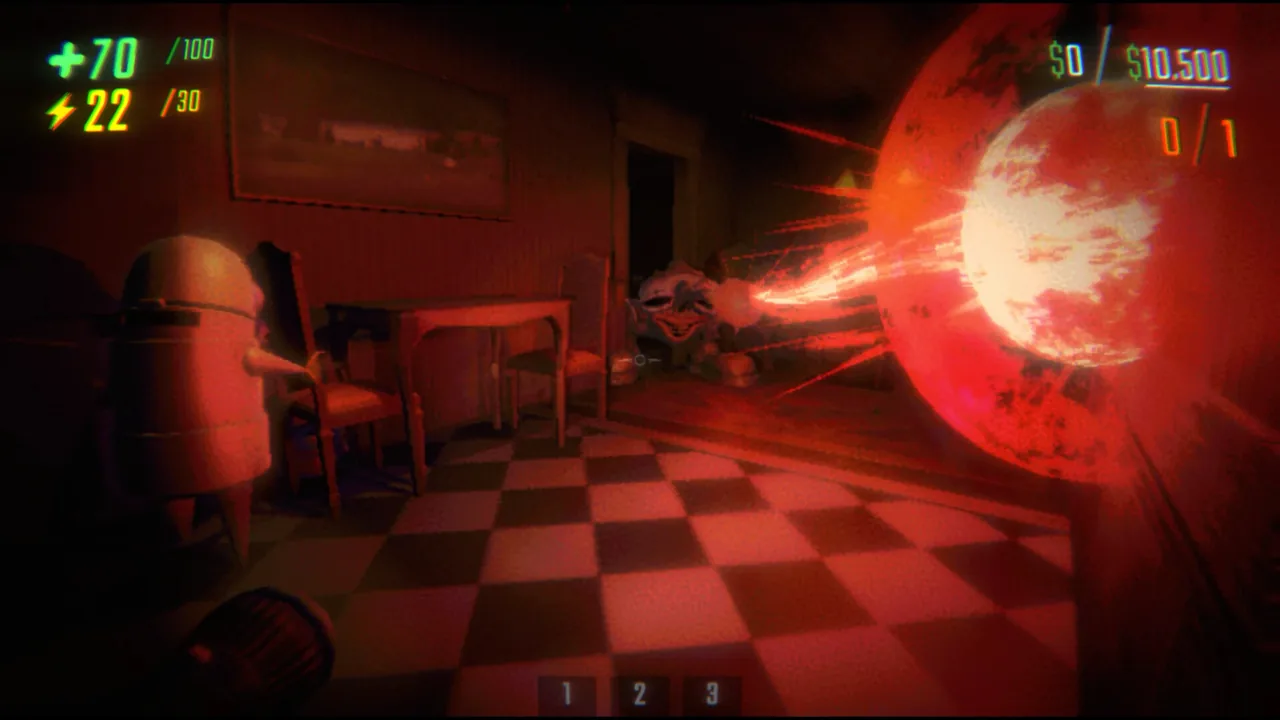
The pitch is straightforward: working for a mysterious computer intelligence, you and up to five friends venture into haunted environments to locate, transport and extract valuable objects using a physics-based grabbing tool, all while proximity voice chat lets the monsters — themselves subject to the same physics as everything else — hear exactly how badly things are going. Hauling a piano or a fragile vase across a level while a creature closes in is a fundamentally different kind of tension than simply running for an exit, and it's where R.E.P.O.'s comedy and its horror constantly collide. Cash earned from successful extractions buys upgrades and gear from your "heartless, generous" employer, and that spending loop gives runs a sense of building toward something concrete in a way the genre's earlier entries didn't offer as clearly.
The banner that almost sank its own reputation
One of the more charming quirks in R.E.P.O.'s reception is how many reviews open by addressing the store page itself rather than the game. The banner art uses a simple emoji as its central image, and a striking number of reviewers say this alone nearly talked them out of buying it, reading as exactly the kind of low-effort shovelware warning sign this site tells readers to watch for. The consistent follow-up is relief: past that banner is a genuinely well-made, clearly loved-by-its-developers game, and the gap between the packaging and the product has become something of an inside joke within the game's own community rather than a real mark against it.
Where the friction actually lives
The complaints that matter more are mechanical. Movement and the core grabbing tool are frequently described as clunky, particularly once a team is wrestling a large or oddly-shaped object between them, and difficulty balance draws criticism from both directions — several reviewers report specific monsters that are close to unplayable solo, while others say full teams eventually find later content too easy or padded out with repetition rather than genuinely new challenge. Long-term motivation is the other recurring thread: a meaningful share of players describe losing interest once the initial novelty fades, a familiar shape for this subgenre but still worth knowing before buying in expecting dozens of hours guaranteed.
The single most consequential limitation, though, is structural rather than a bug: there is no public matchmaking at all. Online co-op only works with people already on your Steam friends list, which several reviews flag directly as the biggest barrier to trying the game — buying it without a group already assembled means playing solo against content that, by many accounts, isn't well-tuned for that.
A reception that's held, and even grown
Despite all of that, R.E.P.O.'s standing has been remarkably stable. It sits at Overwhelmingly Positive across more than 414,000 reviews, and the 100 most recent English reviews run slightly ahead of that lifetime figure at 97% positive — the shape of a game whose reputation is still climbing rather than fading, a year and a half into Early Access.
Final verdict
R.E.P.O. takes Lethal Company's quota-based scavenging horror and adds enough of its own — heavier physics comedy, a real progression system, its own distinct sense of humour — to stand as more than an imitator. It settles at 7.5 rather than higher because the friction is real and well-documented: clunky controls, inconsistent difficulty tuning, thinning long-term content, and a total absence of public matchmaking that puts a hard ceiling on who can enjoy it without a pre-existing group. Gather that group first, though, and this remains one of the best examples of its now-crowded subgenre.
Price and review data checked 5 August 2026.
If you'd rather your progression didn't depend on assembling a group of friends every session, Wanderer is built to be enjoyed entirely on your own schedule.
Pros and cons
Pros
- Physics-based extraction and monster interactions produce constant, genuinely funny emergent moments, more so than most games in this now-crowded subgenre
- A real upgrade and progression system, spending hard-earned cash on gear and enhancements, gives runs a sense of building toward something Lethal Company's loop doesn't quite match
- Extremely cheap for the amount of chaotic co-op fun on offer, especially split across a full crew of friends
- Reception has held remarkably steady and even improved slightly since launch, with recent reviews running ahead of the lifetime score
Cons
- No public matchmaking of any kind — you can only play online with people already on your Steam friends list, which is a real barrier for anyone without a ready-made group
- Movement and item-grabbing are frequently described as clunky, particularly when handling large or awkward objects with a team
- Difficulty balance draws consistent complaints in both directions: some monsters are reportedly near-unplayable solo, while full teams can find later maps too easy or too frustratingly padded
- Long-term content runs thin for a meaningful share of players, who report losing motivation once the novelty of the core loop wears off
Screenshots
-
R.E.P.O.Image: semiwork via Steam -
R.E.P.O.Image: semiwork via Steam -
R.E.P.O.Image: semiwork via Steam -
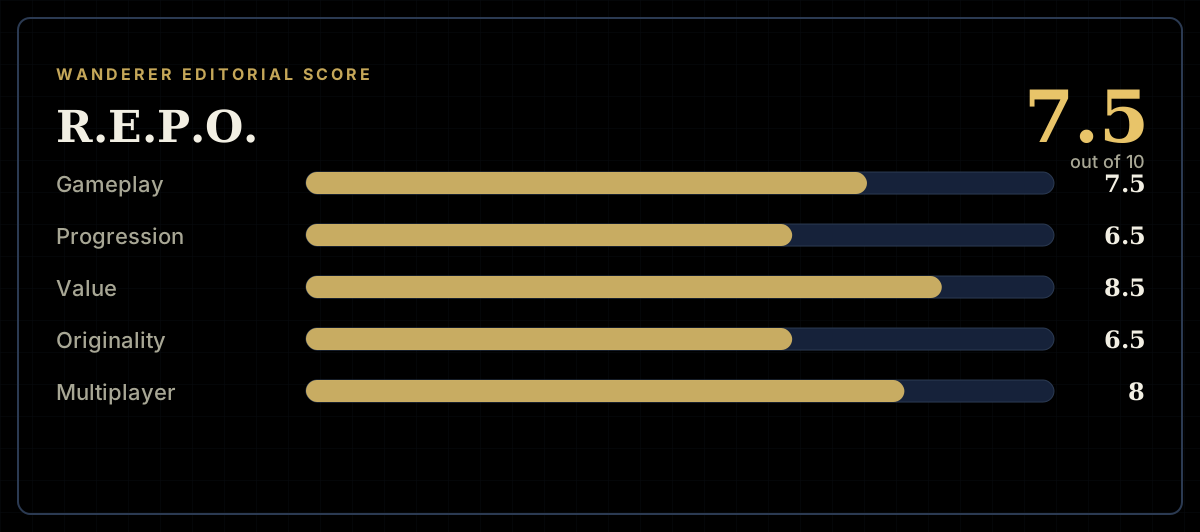
How the review scores each part of the gameWanderer Editorial -
The short versionWanderer Editorial