Game review
Lethal Company
7.5 / 10
- Developer
- Zeekerss
- Publisher
- Zeekerss
- Released
- 23 October 2023
- Platforms
- Windows
- Genre
- Co-op Horror
- Monetisation
- Premium, one-off purchase — no in-game purchases
- Players
- Online co-op, up to four players
The short version
Lethal Company's premise is simple and nearly perfect: haul scrap off abandoned, monster- infested moons to hit a corporate profit quota, using cheap tools, a radar and whatever courage your crew has left. What actually makes it work is everything built on top of that — physics-based chaos, a bestiary of genuinely unsettling and often very funny creatures, and emergent moments between friends that no scripted horror game can plan for.
Two years in, the single loudest complaint in its own review corpus isn't about any of that — it's about the pace of updates from a developer who became very wealthy very quickly and, by a large and consistent share of player accounts, has visibly slowed down since. That's a real, well-documented tension sitting underneath a game that's still, mechanically, one of the best co-op horror experiences available.
Biggest strengths
- The core loop — scavenge, meet quota, survive the moon and each other — is tense, funny and endlessly replayable with a group that communicates
- A genuinely unsettling and varied creature bestiary, backed by sound design that does most of the game's scares without needing jump-scare scripting
- Physics-based mishaps and emergent, unscripted moments between friends are the game's real engine, and no two sessions play out the same way
Biggest weaknesses
- The single most repeated complaint in the review corpus is the pace of updates slowing dramatically after the game's commercial success, with many reviewers describing it as effectively abandoned in an Early Access state
- Difficulty doesn't scale down for smaller crews, so a two-player lobby faces the same threats balanced around a full team of four
- No permanent progression between runs — dying mid-expedition can mean losing everything you were carrying, which several players find discouraging rather than tense
Who it's for: Groups of two to four friends who want horror that leans into slapstick chaos as much as dread, and who are comfortable buying an Early Access game on the strength of what's already here rather than a promise of what's still coming.
Our recommendation: Buy it for the price of a couple of coffees and play it with friends — the core loop earns its reputation completely. Go in aware that meaningful new content has slowed considerably since launch, and that "Early Access" here has come to mean something closer to "finished, mostly" than "actively growing," whatever the label still says.
7.5 / 10
Lethal Company's pitch fits in a sentence, and that's part of why it became one of the defining co-op games of its era: you work for The Company, and your job is to land on abandoned, monster-infested moons and haul out enough scrap to meet a rising profit quota before your crew runs out of time, courage, or bodies. A single developer, working under the name Zeekerss, built that pitch into a genre-defining hit almost entirely on word of mouth, and two years later it's still one of the best reasons to gather three friends and a microphone on a weeknight.
Quota, courage and everything that goes wrong
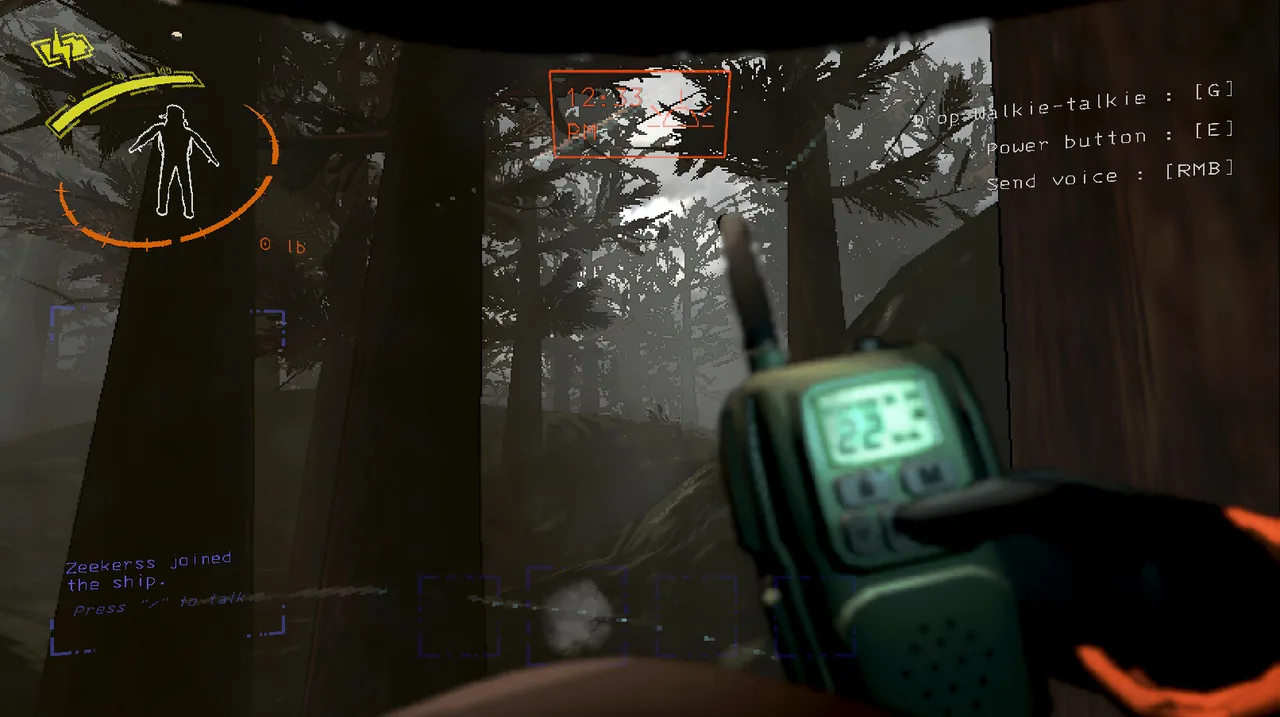
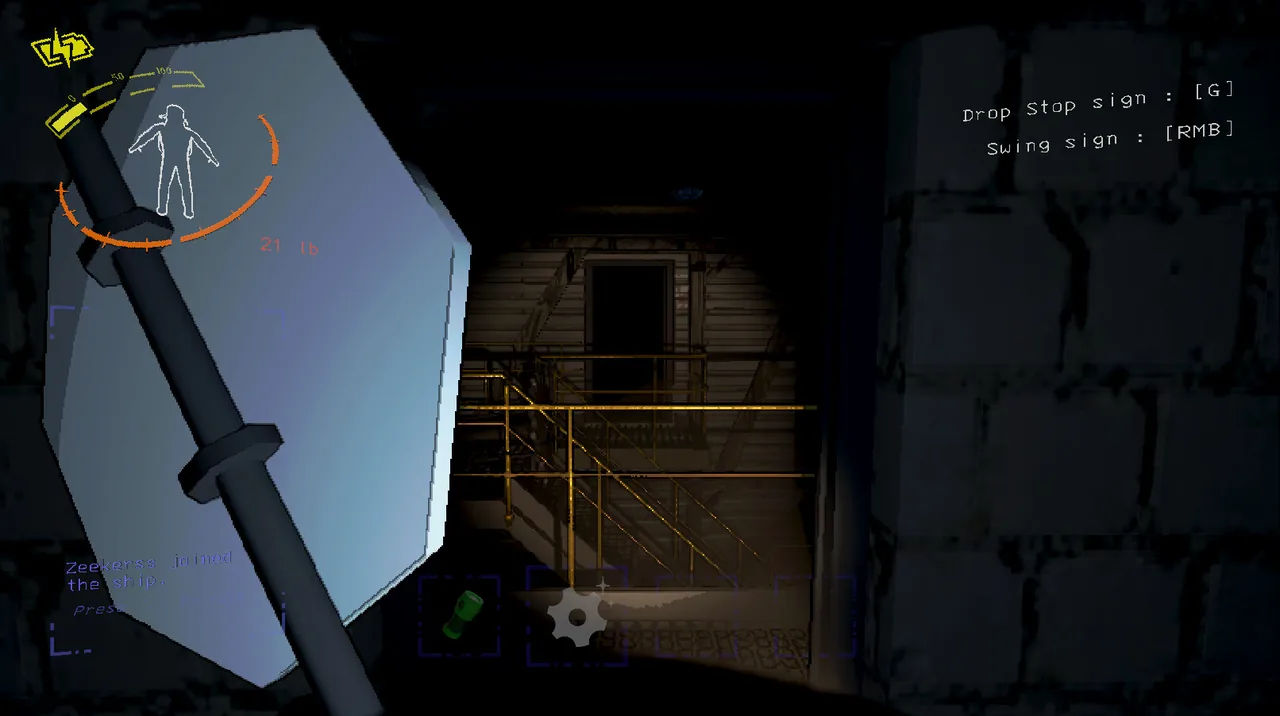
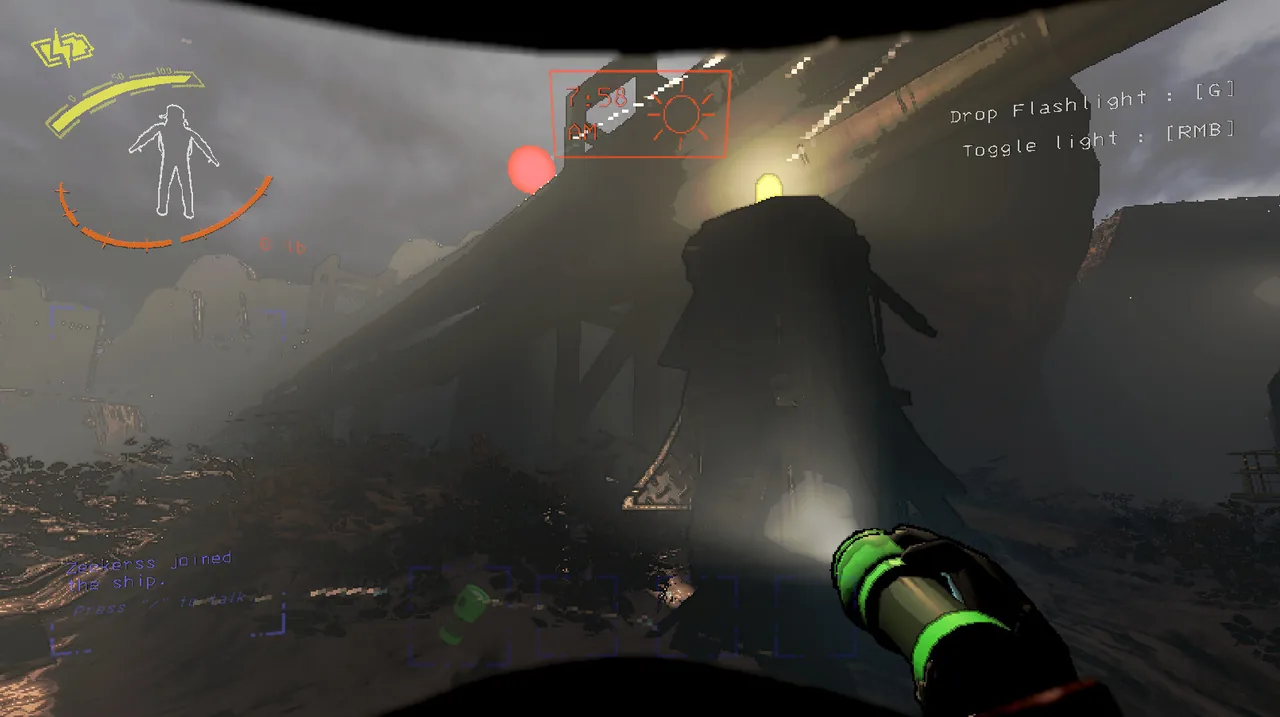
The moment-to-moment loop is simple by design: land, split up or stick together, find valuable scrap in a derelict facility or out in the open, and haul it back to the ship before the moon's dangers or the encroaching night catch up to you. What makes it sing is everything layered around that simplicity. The tools are cheap and a little unreliable — flashlights, shovels, walkie talkies, stun grenades — and physics governs almost everything, so a panicked sprint down a stairwell or a poorly aimed shovel swing is just as likely to end a run as any monster is. Players guiding teammates from the ship, calling out threats over radar and popping remote doors, adds a second layer of tension entirely separate from whoever's actually inside the facility. It's a game built for things to go wrong in ways nobody scripted, and that's exactly what its reputation is built on.
A bestiary that does the scaring properly
The creature roster is the game's other pillar, and it earns the praise it gets: genuinely unsettling designs backed by sound work that does most of the heavy lifting, since Lethal Company leans on dread and audio cues rather than cheap jump-scares. Just as importantly, a lot of that horror curdles into comedy almost immediately once you're playing with friends — the same monster that terrified you solo becomes the setup for a story you're still telling a week later once someone's sacrificed themselves for a joke or panic-jumped off a ledge trying to escape something that wasn't actually chasing them. That tonal flexibility, scary alone and hilarious with company, is rare, and it's the single biggest reason this game crossed over from a niche horror audience to something much broader.
The complaint that's louder than any monster
Strip away the moment-to-moment praise, though, and the dominant theme running through Lethal Company's negative reviews isn't about ghosts or scrap quotas at all — it's about the developer. A large and consistent share of reviews describe a game that became enormously commercially successful very quickly and has, by their account, slowed its development pace dramatically since: patches described as minor value tweaks rather than new content, long stretches with no major additions, and a listing that still reads "Early Access" without the update cadence that label usually implies. Some reviewers frame this bluntly as the game being effectively abandoned; others are more measured, recommending it while noting the content on offer today is close to what you'll get regardless of how long you wait. Either way, this isn't a fringe complaint or a single loud voice — it's the throughline connecting a large share of the negative review pile, and it's worth knowing as a buyer that "Early Access" here reads, to a meaningful part of the playerbase, as closer to a permanent state than a promise of more to come.
Where the design itself could still grow
A smaller, more specific set of complaints sits alongside that bigger one. Difficulty doesn't scale down for a smaller crew, so two players face threats tuned around a full lobby of four, which several reviewers single out as needlessly punishing rather than a fair challenge. There's also no permanent progression between expeditions — dying with a full haul can mean losing everything, and more than one review specifically asks for some kind of persistent unlock or stakes-softening system to make failure sting less randomly. Lobby and connection reliability come up often enough to be a real practical annoyance rather than an isolated report, and the game ships with no Steam achievements at all, which won't bother everyone but will disappoint completionists looking for a structured way to track what they've done.
Reception that's held remarkably steady
None of this has meaningfully moved the needle on how the game is received. Lethal Company sits at Overwhelmingly Positive across more than 510,000 reviews, and pulling the most recent 100 English reviews shows 93 positive — a small dip from the lifetime figure, consistent with the update-pace complaints becoming more prominent over time, but nowhere near the kind of collapse a genuinely broken or abandoned game would show. Most players, even many of the ones raising the development-pace concern, are still recommending it.
Final verdict
Lethal Company remains one of the best co-op horror experiences on Steam, built by one person around an idea simple enough to explain in a sentence and rich enough to still be generating new stories two years after launch. It settles at 7.5 rather than higher because the game's own review corpus makes a strong, well-corroborated case that its Early Access development has slowed far more than its price tag or its "Early Access" label would suggest, alongside real design gaps around difficulty scaling and permanent progression that a genuinely active development cycle would likely have addressed by now. None of that erases what's already here — for the price of a couple of coffees, split across a lobby of friends, it's still an easy recommendation on the strength of what exists today alone.
Price and review data checked 5 August 2026.
If you'd rather your progression persisted quietly between sessions instead of resetting on a bad night, Wanderer takes that steadier, more forgiving approach instead.
Pros and cons
Pros
- The core loop — scavenge, meet quota, survive the moon and each other — is tense, funny and endlessly replayable with a group that communicates
- A genuinely unsettling and varied creature bestiary, backed by sound design that does most of the game's scares without needing jump-scare scripting
- Physics-based mishaps and emergent, unscripted moments between friends are the game's real engine, and no two sessions play out the same way
- Extraordinarily cheap for what it delivers, especially split across a full lobby of friends
Cons
- The single most repeated complaint in the review corpus is the pace of updates slowing dramatically after the game's commercial success, with many reviewers describing it as effectively abandoned in an Early Access state
- Difficulty doesn't scale down for smaller crews, so a two-player lobby faces the same threats balanced around a full team of four
- No permanent progression between runs — dying mid-expedition can mean losing everything you were carrying, which several players find discouraging rather than tense
- Lobby and connection issues are a recurring practical complaint, and the game ships without Steam achievements of any kind
Screenshots
-
Lethal CompanyImage: Zeekerss via Steam -
Lethal CompanyImage: Zeekerss via Steam -
Lethal CompanyImage: Zeekerss via Steam -
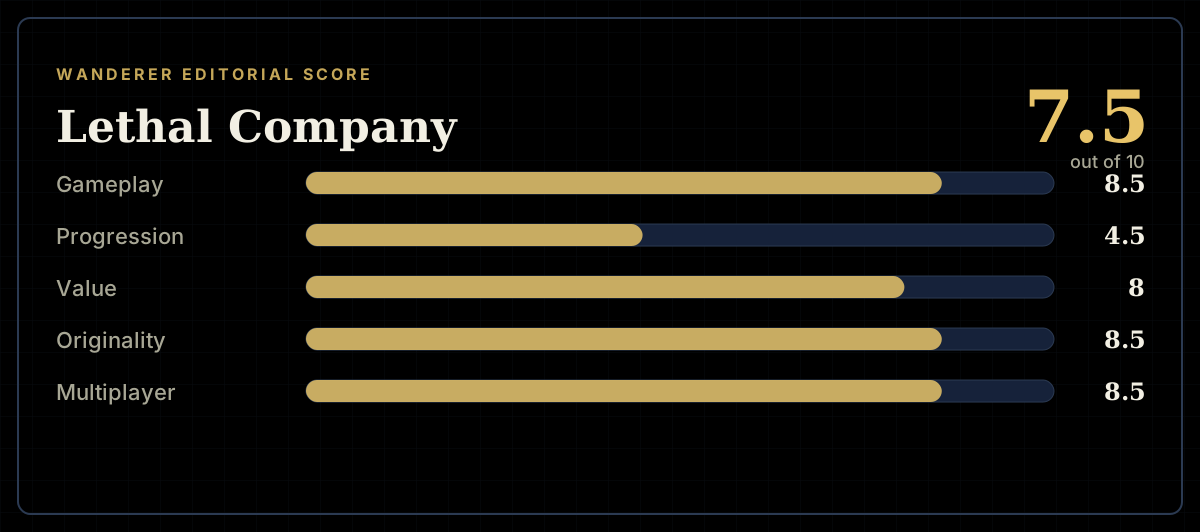
How the review scores each part of the gameWanderer Editorial -
The short versionWanderer Editorial