Game review
Escape the Backrooms
7.5 / 10
- Developer
- Fancy Games, Blackbird Interactive
- Publisher
- Secret Mode
- Released
- 11 August 2022
- Platforms
- Windows, PlayStation 5, Xbox Series X|S, Nintendo Switch 2
- Genre
- Co-op Horror
- Monetisation
- One-time purchase, no DLC, no in-game store.
- Players
- Online co-op is the game's defining mode — most positive reviews specifically describe playing it with friends rather than solo.
The short version
Escape the Backrooms turned an internet horror meme into a genuinely well-atmosphered co-op survival game, and four years on it's still receiving real support — a publisher partnership, console ports, and patches landing as recently as this month. The atmosphere and the co-op scares are the draw, and both hold up. What keeps it from a higher score is a level design that leans on padding rather than tension in its weaker stretches, and a run of recent controversies — a console-driven profanity filter that a large, vocal minority call unwanted censorship, and VR support that was quietly dropped after being advertised — that a buyer should know about going in.
Biggest strengths
- Genuinely unsettling liminal-space atmosphere that reviewers across three years consistently single out as the game's strongest element
- Co-op is where the game shines — nearly every top-voted positive review describes playing it with friends
- Four years of continued, active development, including a 2025 publisher partnership and 2026 console ports rather than a quiet abandonment
Biggest weaknesses
- Several levels are criticized for padding playtime with repetitive corridors and puzzles rather than building tension
- VR support was advertised during Early Access and has since been removed, which multiple buyers call misleading
- A 2026 update added a profanity filter that blurs swear words in what is an adult-rated game, and it is currently the single most-upvoted negative review the game has
Who it's for: Horror fans who want something scary to play with friends rather than alone, and anyone curious about the Backrooms concept who wants the version with the most sustained development behind it.
Our recommendation: A cheap, genuinely fun co-op horror game that's earned its Very Positive score honestly, with real caveats worth knowing: VR was removed after being marketed, and a 2026 update added profanity filtering that a loud portion of the community strongly dislikes.
7.5 / 10
The Backrooms started as a single unsettling photo posted to an internet forum in 2019 — an empty, fluorescent-lit office space that shouldn't exist — and grew into one of the decade's most durable horror concepts almost entirely through crowdsourced lore. Escape the Backrooms was one of the first serious attempts to turn that concept into an actual game, entering Early Access in August 2022 right as the trend was peaking, and it's one of the few Backrooms games that's still being meaningfully developed four years later rather than left to rot once the meme moved on.
What holds up
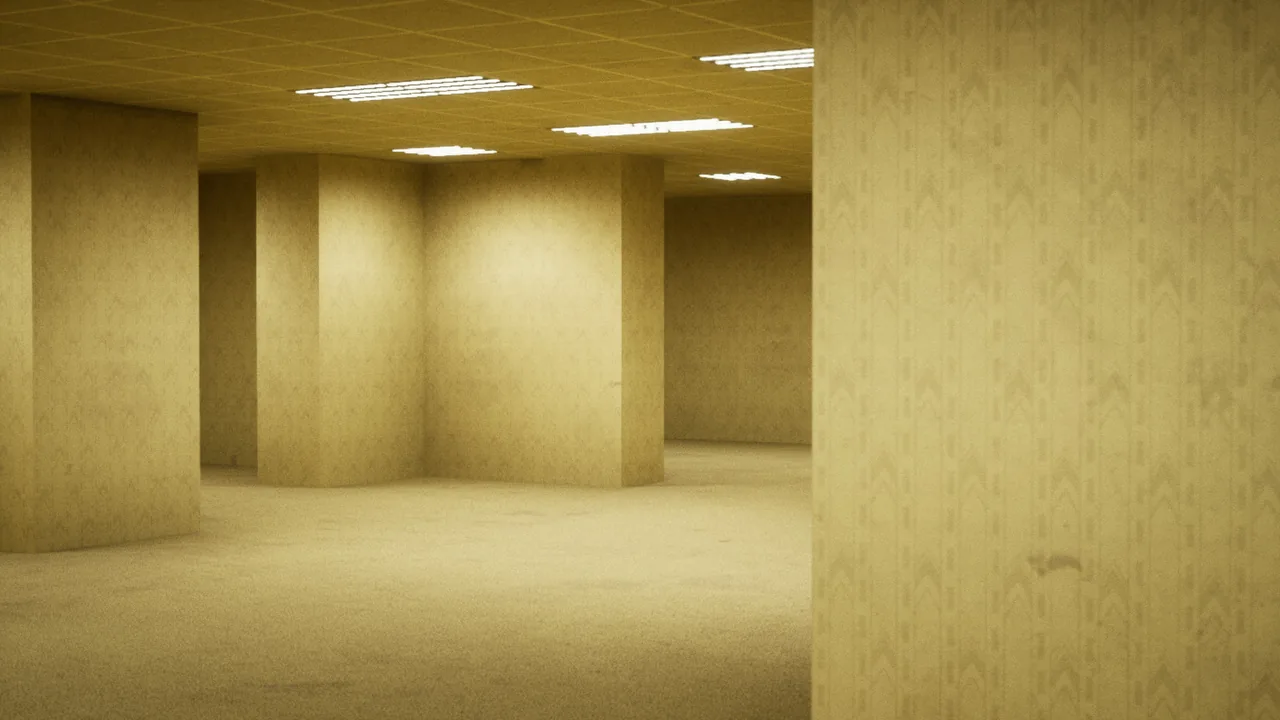
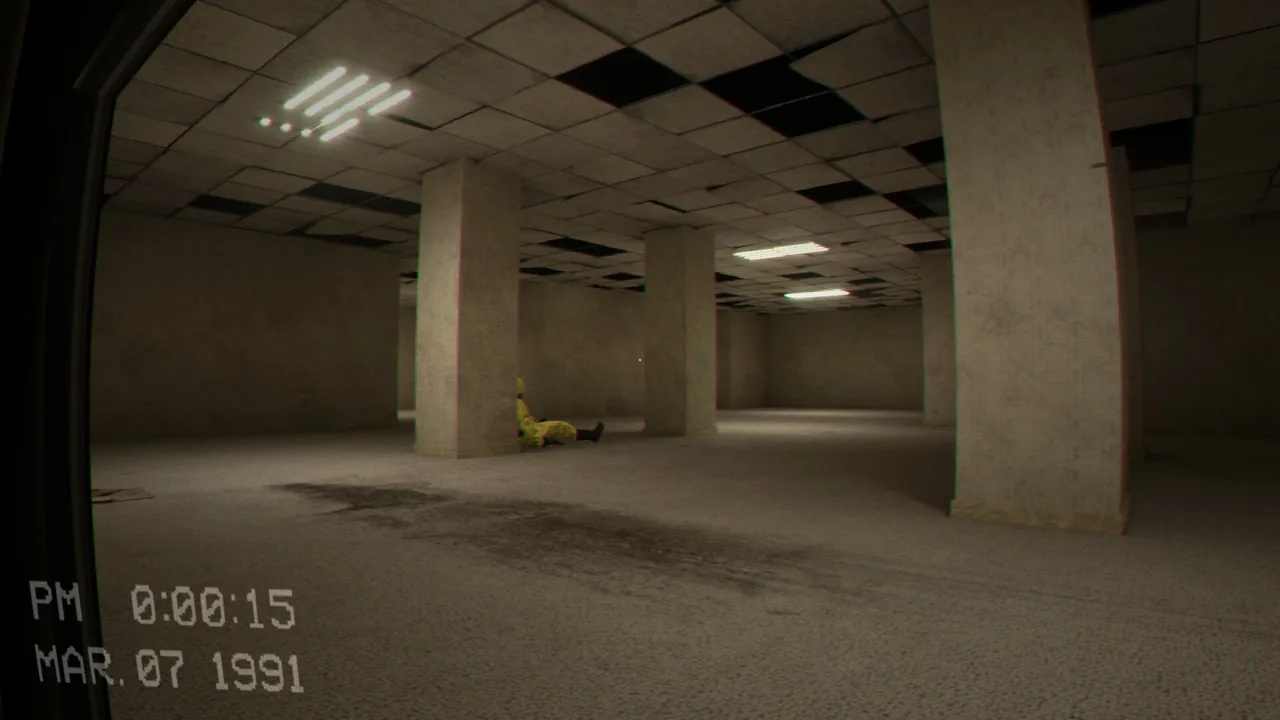
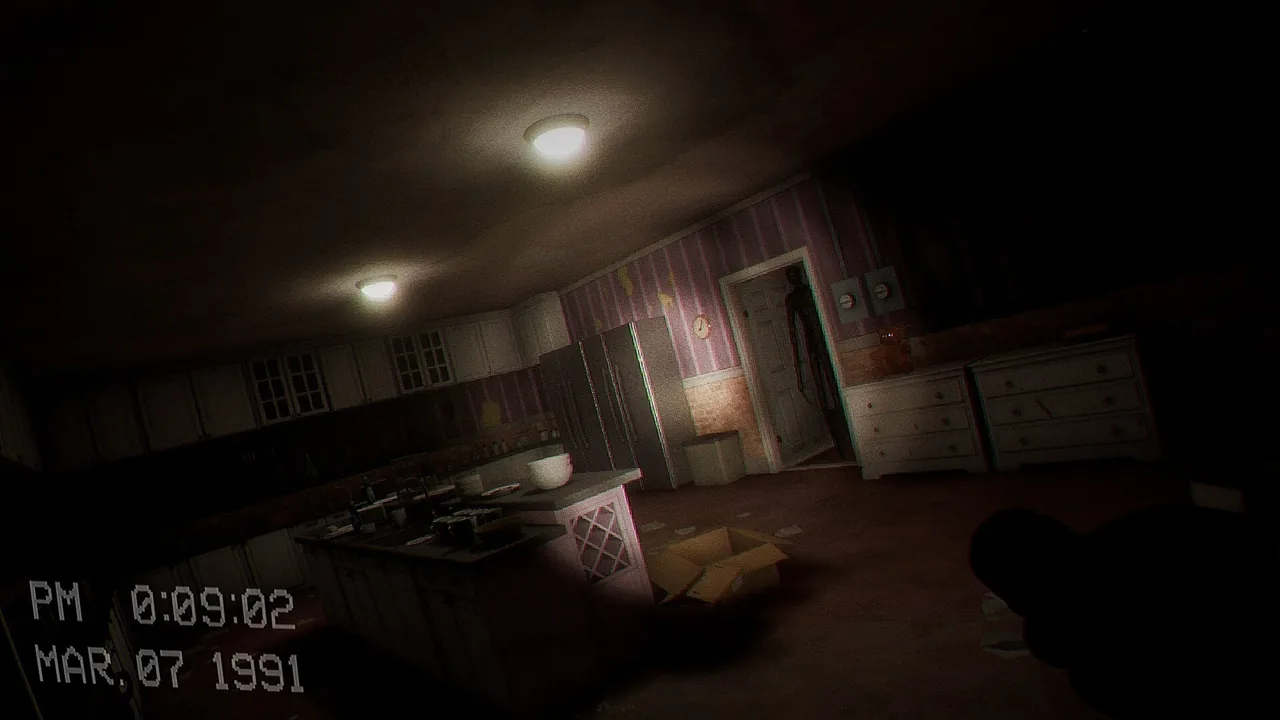
The atmosphere is the game's real achievement, and it's held up across three-plus years of reviews without much erosion. Endless beige corridors, flickering fluorescent lights, that specific "you are somewhere you shouldn't be" wrongness the source material is built on — reviewers from launch week through this year single out the same thing: it feels like the Backrooms, not a generic horror level wearing the aesthetic. Twenty-six official screenshots back that up with a genuinely varied set of themed levels rather than one corridor reused with different lighting.
The other consistent strength is co-op. This is fundamentally a game about being scared alongside other people, and nearly every highly-upvoted positive review describes it that way rather than as a solo experience — screaming with friends, laughing afterward, one review's entire text reduced to "buy game, forget for 4 years, find out a friend has the game, play, fun, sleep schedule disrupted." That's not a deep critical argument, but it's an honest and extremely common one, and it's the reason the game has sustained an audience this large this long.
Where the padding shows
The recurring design criticism, present from the very first week of Early Access through today, is that several levels stretch playtime with repetition rather than earning it with tension. The sharpest version of this complaint, from launch week, points at a specific and easily verified example: one level requires climbing a spiral staircase for 60 to 100 floors, taking roughly half an hour with nothing to break up the climb. A separate early review is blunter about the motive, suggesting some of the padding exists specifically to keep playtime past Steam's two-hour refund window. Whether or not that was the intent, the complaint about padded pacing recurs steadily across years of reviews rather than clustering only at launch, which suggests it was never fully addressed even as the game grew.
VR, advertised then removed
A smaller but persistent thread of negative reviews describes buying the game specifically for VR support and then discovering it had been dropped — one 2024 review calls it "predatory marketing" directly. The current storefront's feature list no longer lists any VR support category, which is consistent with what those reviews describe. This isn't a case of players misremembering a feature that never existed; it's a feature that existed during part of Early Access and was later removed, and anyone buying today specifically for VR should know it isn't there.
The current controversy: a profanity filter tied to console launch
The single most-upvoted negative review the game has ever received — over 1,000 votes, posted in May 2026 — isn't about a bug or missing content. It's about a patch that blurs profanity in on-screen and voice-adjacent text, in a game the reviewer points out is already adult-rated. That patch lines up precisely with the developer's own news post from 28 May 2026 announcing the game's console launch and a simultaneous Steam patch, which strongly suggests the filter exists to satisfy console certification requirements rather than being an arbitrary creative choice. That context matters, but it doesn't change what a substantial number of existing PC players are experiencing: a feature they associate with censorship, added to a version of the game they already owned, seemingly to serve a platform they don't use. It's the freshest and, right now, loudest complaint attached to the game.
A game that kept getting worked on
What separates Escape the Backrooms from most horror games that rode a specific internet trend is that development didn't stop when the trend cooled. Secret Mode signed on as publisher in August 2025 specifically to support the run-up to 1.0, which launched that October with a public post-launch roadmap. Since then: a festive free update in December 2025, a Chinese New Year content update in February 2026, cross-platform matchmaking work through May 2026, and a Nintendo Switch 2 launch as recent as July 2026. There was a real gap in 2025 — one review counts 18 months between meaningful updates and calls the eventual patch smaller than expected — but measured against the last twelve months specifically, this is an actively supported live product, not an abandoned Early Access shell coasting on an old meme.
Recent sentiment reflects that continued investment more than it reflects the profanity-filter backlash: the 100 most recent English reviews, all from 2026, run 88% positive, close to the 88.4% lifetime English figure. The controversy is real and it's the loudest single review on the page, but it hasn't dragged the broader reception down with it.
Sound and the entities themselves
The audio design draws a more mixed response than the visuals. Several reviewers, including some who otherwise recommend the game, describe entity sound cues as repetitive and grating over long sessions rather than genuinely frightening — one 2026 review calls the audio used for the entities "obnoxious" specifically, distinct from the level ambience, which continues to get praised. That's a meaningful distinction: the environmental sound design that builds dread in the empty corridors is doing its job years after launch, while the creature-encounter audio that's supposed to deliver the actual scares hasn't aged as well and shows up as a specific, recurring complaint rather than a vague one. Enemy AI draws similar criticism — a handful of 2026 reviews describe entities as predictable once you've learned their patterns, which flattens tension on repeat playthroughs more than it does on a first run with friends who don't know what's coming.
Value
At NZ$14.99 with no DLC and no in-game store, Escape the Backrooms is priced to make its flaws easy to forgive. Twenty-six levels' worth of content, four years of updates, and console availability now included in the same purchase make it comfortably good value even accounting for the padding complaints — you're not paying much for the corridors that overstay their welcome.
Verdict
This is a horror game that earned a large, durable audience on real atmosphere and genuinely fun co-op scares, and kept a publisher and development team invested in it years past the point most trend-driven horror titles get abandoned. A 7.5 reflects that real strength, weighed against level padding that's never fully gone away, a VR feature that quietly disappeared after being advertised, and a recent, well-documented controversy over console-driven content filtering that a meaningful slice of its existing audience is actively unhappy about. Buy it for a scary night with friends at a fair price — just don't buy it for VR, and know the profanity filter is there if that matters to you.
Pros and cons
Pros
- Genuinely unsettling liminal-space atmosphere that reviewers across three years consistently single out as the game's strongest element
- Co-op is where the game shines — nearly every top-voted positive review describes playing it with friends
- Four years of continued, active development, including a 2025 publisher partnership and 2026 console ports rather than a quiet abandonment
- Twenty-six official screenshots and a large, varied level roster back up genuine content depth for a NZ$14.99 game
- Cheap enough that the padding complaints below don't sting nearly as much as they would at full price
Cons
- Several levels are criticized for padding playtime with repetitive corridors and puzzles rather than building tension
- VR support was advertised during Early Access and has since been removed, which multiple buyers call misleading
- A 2026 update added a profanity filter that blurs swear words in what is an adult-rated game, and it is currently the single most-upvoted negative review the game has
- Entity and ambient sound design is called repetitive and grating by a portion of longer-term players
- A period in 2025 where updates were posted to Discord rather than Steam frustrated players who don't use the former
Screenshots
-
Escape the BackroomsImage: Secret Mode via Steam -
Escape the BackroomsImage: Secret Mode via Steam -
Escape the BackroomsImage: Secret Mode via Steam -
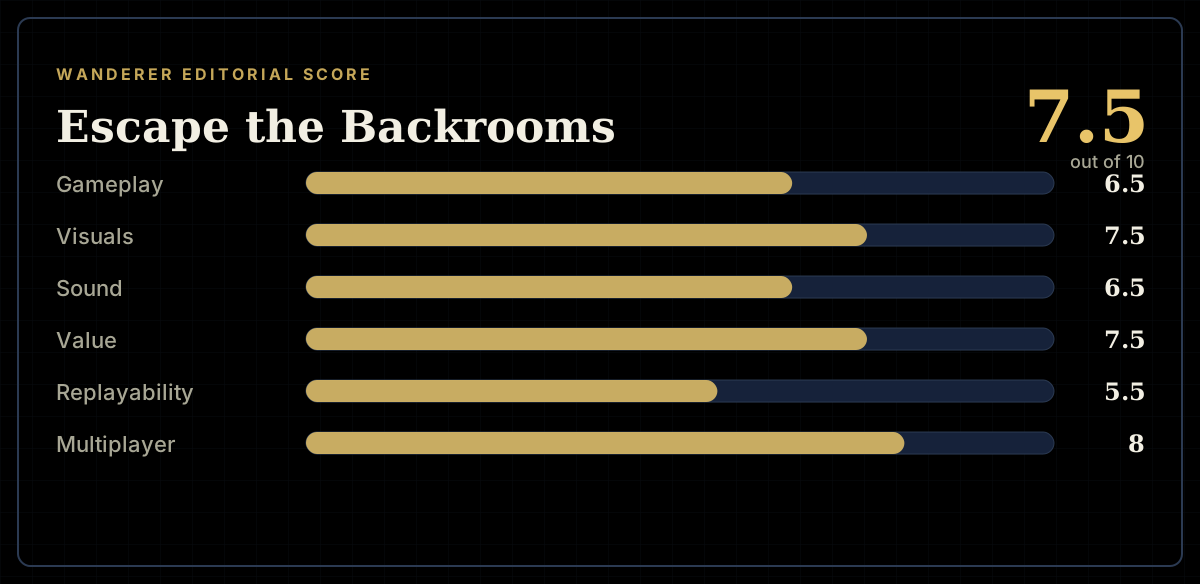
How the review scores each part of the gameWanderer Editorial -
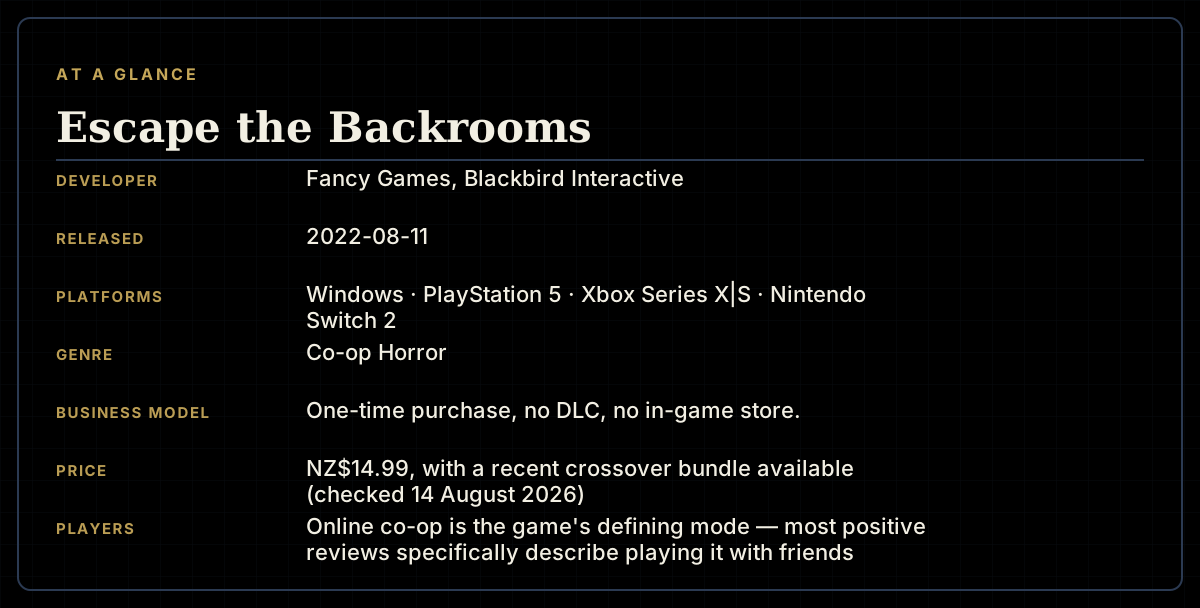
The specsWanderer Editorial -
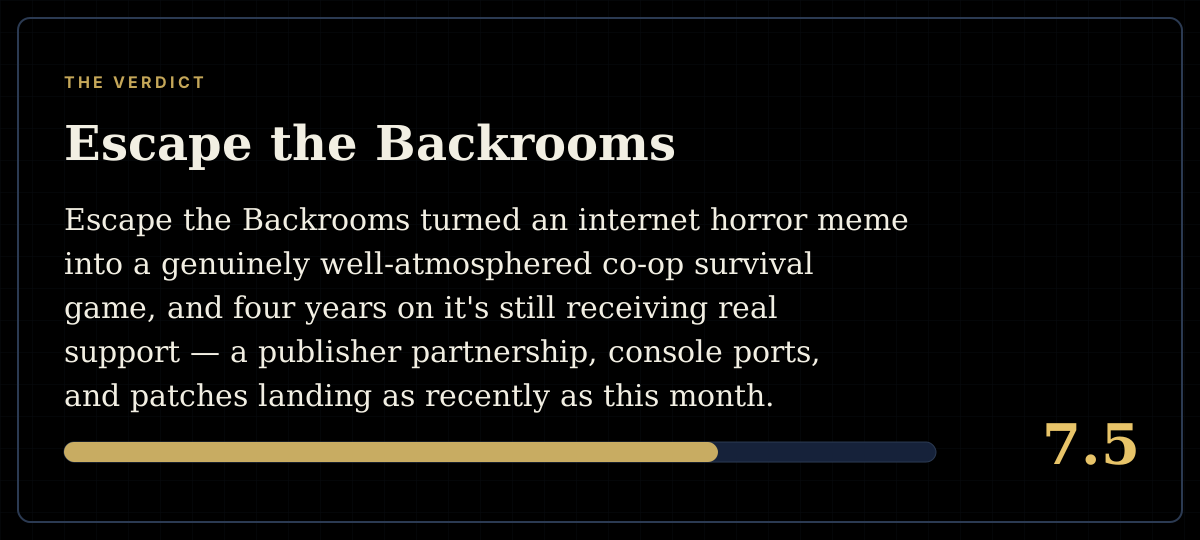
The short versionWanderer Editorial