Game review
Phasmophobia
7 / 10
- Developer
- Kinetic Games
- Publisher
- Kinetic Games
- Released
- 18 September 2020
- Platforms
- Windows
- Genre
- Co-op Horror
- Monetisation
- One-time purchase, NZ$29.99. Also offered as a recurring monthly subscription (NZ$28.99 first month, then NZ$17.59/month) directly through Steam checkout, an unusual option for a premium game. Optional cosmetic customisation exists in-game.
- Players
- Online co-op, up to 4 players
The short version
Phasmophobia turned a simple pitch — investigate a haunted location with friends, gather evidence, identify the ghost type before it kills you — into one of the defining co-op horror experiences of its generation, and 94.4% positive across 836,172 reviews reflects genuine, sustained mass affection built almost entirely on word-of-mouth and shared scare stories since 2020.
It's also, right now, absorbing real backlash. Fifty-five of the 100 most-upvoted negative reviews in the game's history are dated 2026, overwhelmingly about a character customisation update that reviewers with hundreds and even over a thousand hours logged call janky, poorly tested, and a genuine step backward for a game that had, until then, an unusually strong reputation for competent development. Kinetic Games has responded with a visible run of hotfixes and quality-of-life patches since, which this review treats as an active, ongoing situation rather than settled history.
Biggest strengths
- A genuinely tense, emergent co-op loop built around real investigation and evidence-gathering rather than scripted scares
- Consistently praised sound design and ghost AI that produce the kind of spontaneous, shareable horror stories that built the game's reputation
- Massive, sustained cultural reach for an originally solo-developed indie title, including a reported film adaptation in development
Biggest weaknesses
- A May 2026 character customisation update drew a severe, still-fresh backlash — the top negative review in the game's history, from this update, simply asks the developers to revert it
- Multiple detailed 2026 reviews from extremely high-playtime players (1,204 to 1,770 hours) describe the update's animations, presentation and monetised cosmetics as a real regression from what the game used to be
- An unusual recurring-subscription purchase option exists alongside the standard one-time purchase, worth understanding clearly before choosing it over outright ownership
Who it's for: Groups of friends who want genuinely tense, chaotic, story-generating horror rather than scripted jump scares — this is built for co-op specifically and loses much of its magic solo. Less suited to anyone buying purely for the current build's polish, given the real, recent technical and presentation complaints.
Our recommendation: Buy the one-time purchase rather than the subscription unless you're certain you only want short-term access — owning the game outright is the standard and safer choice for something this replayable. Go in aware that a controversial May 2026 update is still being actively patched; check recent reviews or patch notes for the current state before assuming the game plays exactly as its older, glowing reviews describe.
7 / 10
Few indie games have reached the cultural saturation Phasmophobia has: 836,172 Steam reviews, an estimated 25 million copies sold, and a film adaptation reportedly in development, all built from a premise a solo developer could pitch in one sentence — investigate a haunted house with friends, gather evidence, work out what kind of ghost is trying to kill you before it does. Six years later, that premise still works. What's changed is the confidence with which reviewers describe the studio executing it.
What built the phenomenon
The core loop's appeal is almost entirely emergent. Reviewers don't describe scripted set-pieces; they describe specific, personal moments the game's systems generated for them. "Teammates left me in a room, saw a deformed child running at me and disappear, spent the next five minutes sitting in a corner with a crucifix," reads one of the most-upvoted reviews in the game's history. Another recounts a full conversation with a ghost through a spirit box, ending in being strangled to death in front of friends taking photos of the corpse. This is horror built for co-op specifically — shared, chaotic, and genuinely unpredictable — and it's the reason the game's reputation spread by word of mouth rather than marketing.
A very recent, very sharp backlash
Here's what's essential to understand about buying this game today: the negative-review corpus has a clear, dated fracture point. Fifty-five of the 100 most-upvoted negative reviews in the game's entire six-year history are dated 2026, and the top one of all — over 2,400 votes — is a single-line plea: "Please just revert this update and pretend it never happened." The trigger was a character customisation overhaul, and the criticism is specific rather than vague. A reviewer with 449 hours pre-update calls the new customisation options worse than the defaults they replaced, with janky animations. Another, with 1,204 hours, writes at length that the update reflects a studio failing to respect "their own game" and the players in it. Perhaps most tellingly, one of the game's own most-upvoted positive reviews — still recommended, still thumbs-up — opens with "What the ACTUAL hell did you do to this game?", suggesting even reviewers unwilling to withdraw their overall recommendation are genuinely unhappy with this specific change.
This is a live situation rather than closed history. Steam's own patch feed shows Kinetic Games responding with a steady run of hotfixes and quality-of-life updates through July 2026, alongside a public "2026 and Beyond" roadmap post and a Double XP event that landed shortly after the backlash peaked — the kind of response pattern that suggests the studio is actively working through the criticism rather than ignoring it. Whether that's resolved the specific complaints by the time you read this is worth checking against current reviews rather than assuming from this snapshot.
An unusual purchase option worth understanding
Separately from the controversy, it's worth flagging a genuine oddity in how this game is sold: alongside the standard NZ$29.99 one-time purchase, Steam's checkout also offers a recurring monthly subscription at NZ$17.59 after an introductory month. This structure is uncommon for a premium, non-live-service game, and buyers should understand clearly what a subscription does and doesn't guarantee — ongoing access tied to continued payment — before choosing it over outright ownership.
Reading the completion data
The achievement curve shows a game that hooks the overwhelming majority of buyers immediately. Completing a first contract sits at 59% of the player base, an unusually high figure for any game's top achievement. The rarest achievements, tied to advanced Hunter-tier mastery, fall to around 1.2-1.5%, the expected long tail for a game whose replayability depends on chasing increasingly difficult self-imposed challenges.
7 out of 10. Phasmophobia earned its status as one of the defining co-op horror games of its era honestly, through genuinely emergent, shareable scares and years of steady development from a studio that built enormous goodwill. The score reflects a real, current dip in that goodwill: a 2026 update that a large and vocal share of its most invested players call a genuine step backward, still being actively patched as this review is written. The foundation underneath remains excellent. Buy it for that foundation, check the current state of the customisation system before you do, and prefer outright ownership to the subscription unless you have a specific reason not to.
Pros and cons
Pros
- A genuinely tense, emergent co-op loop built around real investigation and evidence-gathering rather than scripted scares
- Consistently praised sound design and ghost AI that produce the kind of spontaneous, shareable horror stories that built the game's reputation
- Massive, sustained cultural reach for an originally solo-developed indie title, including a reported film adaptation in development
- Active, ongoing development six years after release, with a visible and frequent 2026 patch cadence
- Genuinely accessible to new groups, with achievement data showing most buyers get well into their first contracts
Cons
- A May 2026 character customisation update drew a severe, still-fresh backlash — the top negative review in the game's history, from this update, simply asks the developers to revert it
- Multiple detailed 2026 reviews from extremely high-playtime players (1,204 to 1,770 hours) describe the update's animations, presentation and monetised cosmetics as a real regression from what the game used to be
- An unusual recurring-subscription purchase option exists alongside the standard one-time purchase, worth understanding clearly before choosing it over outright ownership
- Long-standing complaints since 2023 about grind-heavy progression and performance dips after major updates recur across multiple years, independent of the 2026 controversy specifically
Screenshots
-
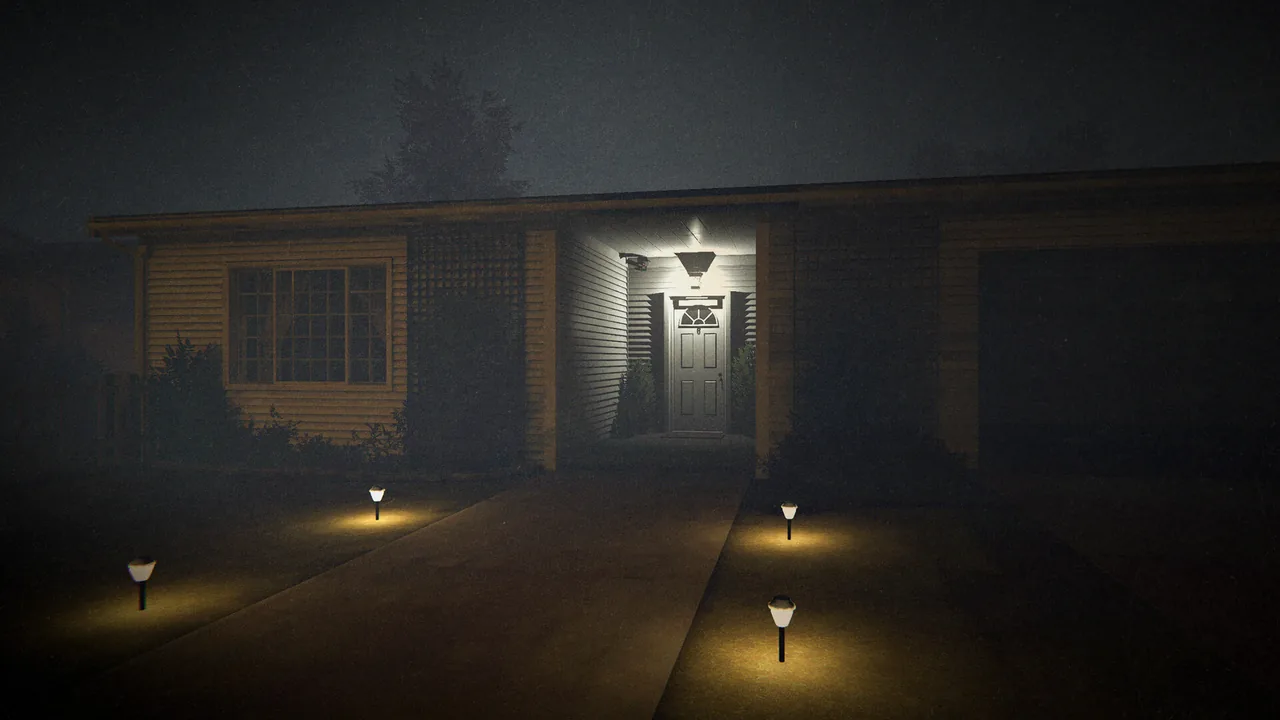
PhasmophobiaImage: Kinetic Games via Steam -
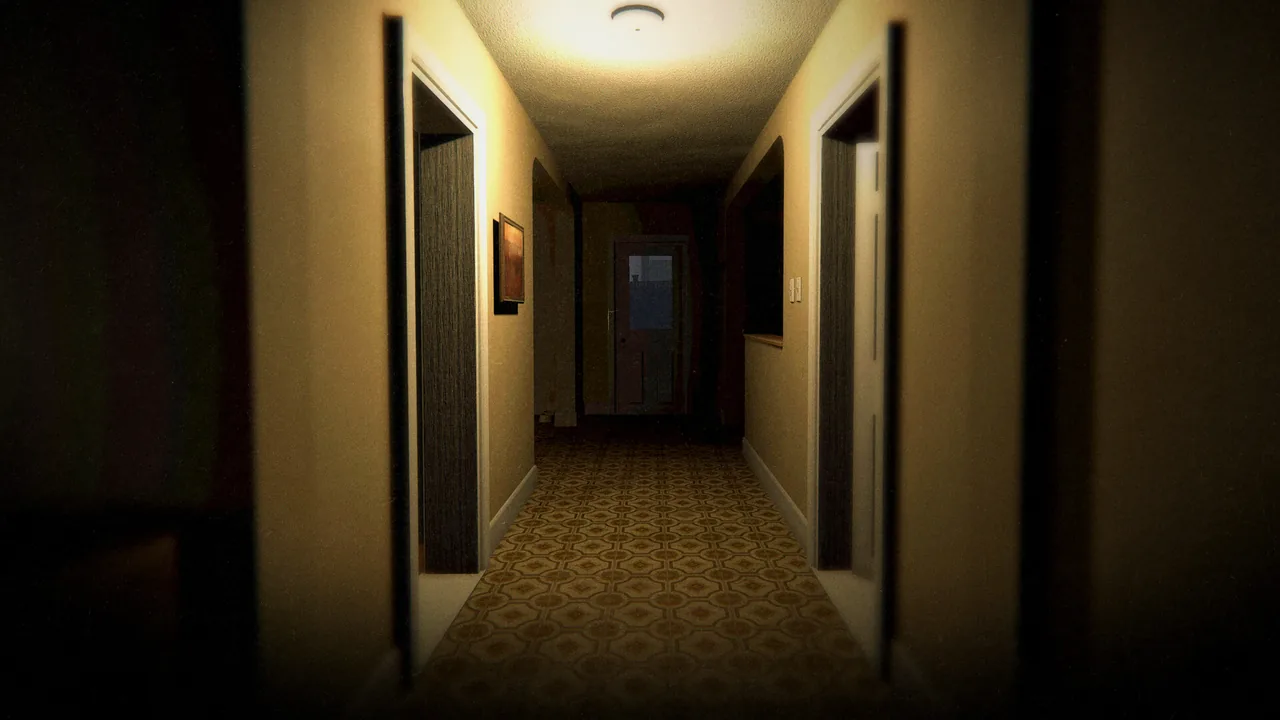
PhasmophobiaImage: Kinetic Games via Steam -
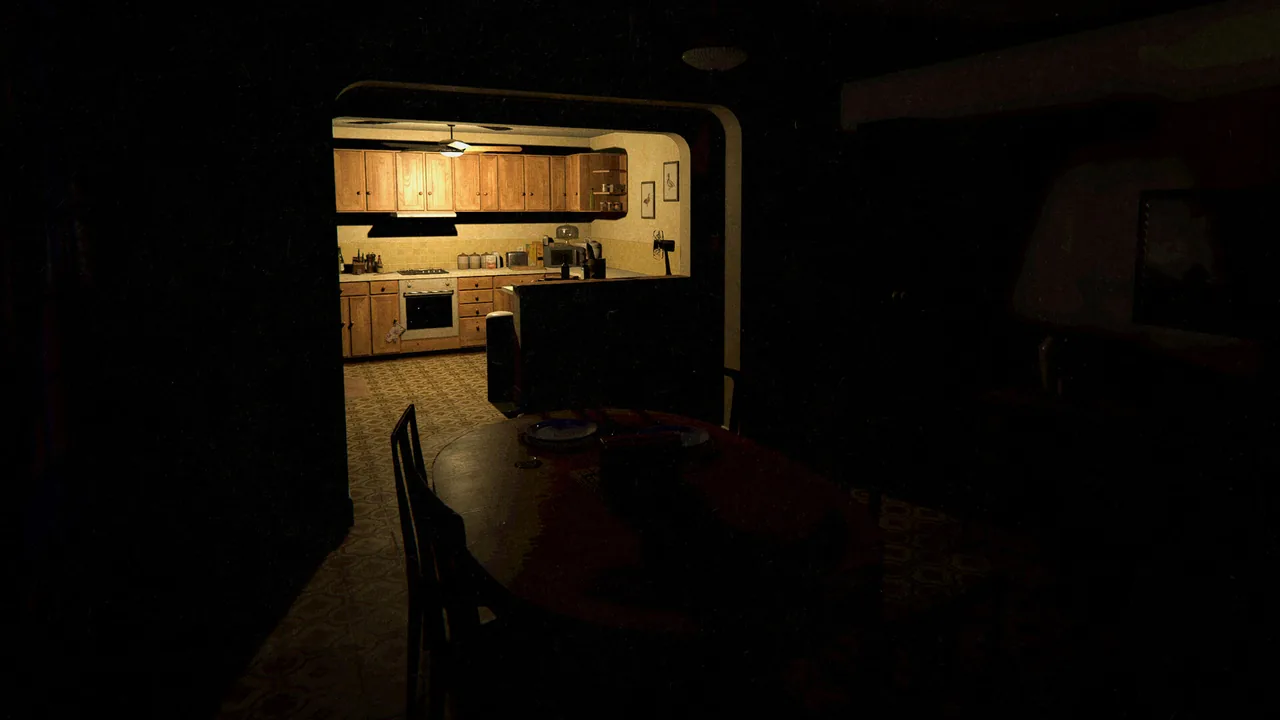
PhasmophobiaImage: Kinetic Games via Steam -
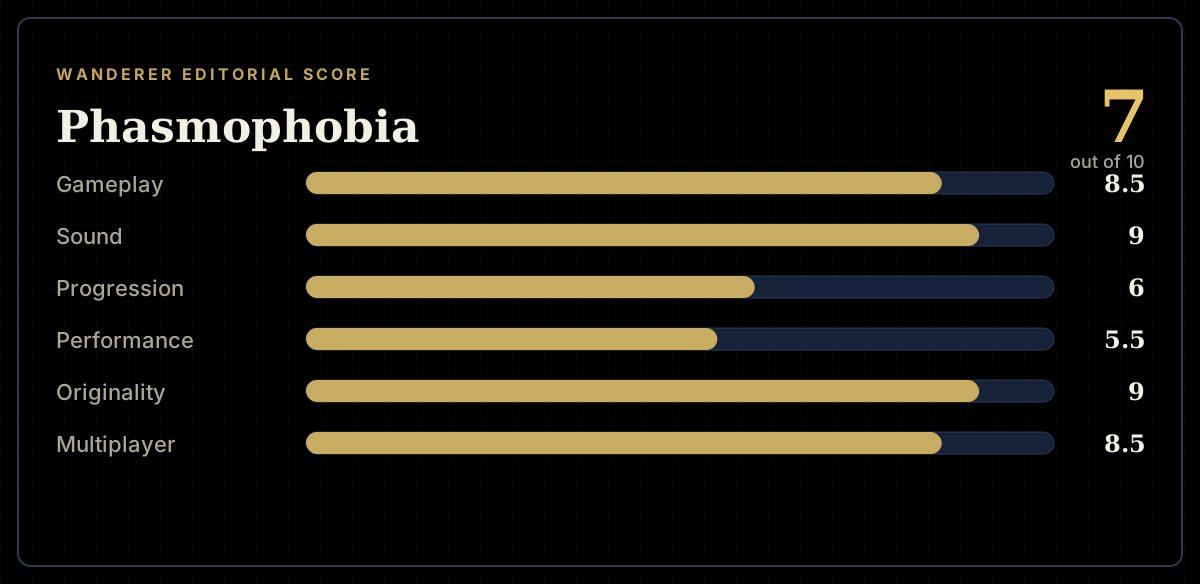
How the review scores each part of the gameWanderer Editorial -
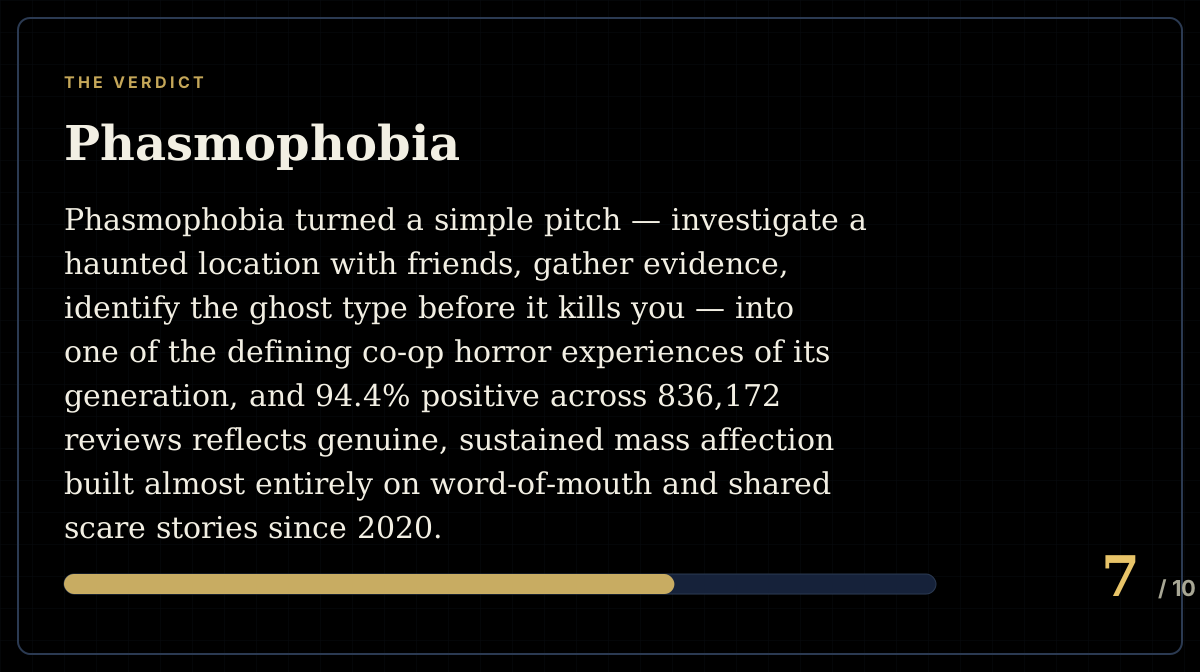
The short versionWanderer Editorial