Idle Heroes
A decade-old idle gacha RPG whose real currency was never gold, it was your own heroes — and the star-fusion system that consumes them is both the smartest thing about the game and the reason its economy is so hard to defend.
6 / 10
Browse by genre
217 Idle & Incremental games reviewed and scored, best first.
217 reviews
A decade-old idle gacha RPG whose real currency was never gold, it was your own heroes — and the star-fusion system that consumes them is both the smartest thing about the game and the reason its economy is so hard to defend.
6 / 10
A free chemistry-themed incremental from a solo mobile developer, with real scale on Android and iOS and a stalled, near-invisible Steam release that has sat in Early Access for four years while its developer's attention has moved to an unannounced sequel.
6 / 10
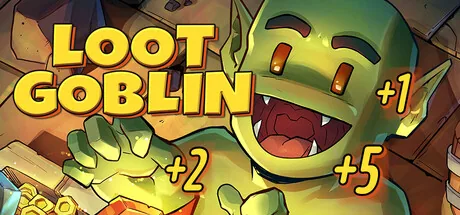
A turn-based idle grinder built around hiring the monsters you've just killed, with a genuinely clever risk-versus-reward twist buried under a spreadsheet-dense interface and a release so quiet that Steam has barely registered it exists.
6 / 10
A free-to-play incremental about growing a one-person garage venture into a tech empire, with a genuinely honest monetisation model let down by a midgame economy that stops making sense and a content well that runs dry fast.
6 / 10
A one-person incremental RPG with genuinely deep systems — talents, ascension, raids, an enemy Codex that levels up the things you farm — that launched with real momentum and then went quiet for over a year without a single Steam review to its name.
6 / 10
A dense, genuinely deep idle RPG from solo Japanese developer Hapiwaku that gives six heroes real class and skill decisions, then buries a chunk of its quality-of-life behind a premium coin store steep enough to have turned a chunk of its own audience against it.
6 / 10
A solo-developed, node-based automation game that scratches the Factorio itch without Factorio's build-everything-yourself demands, still in Early Access two and a half years in and still being actively rebalanced — most recently to remove the exact progression walls its players have been complaining about since launch.
6 / 10
A five-dollar desktop-companion idler built around a skill tree that never stops growing — and a set of decisions that stop mattering long before it does.
6 / 10
A clicker-and-tower-defense hybrid that hands you a kingdom, a skill tree and a cursor to slaughter with — engaging for its first couple of hours, then undercut by a skill tree that finishes long before the fighting does.
6 / 10
A bigger sequel to a well-liked incremental that fell twelve points in the ratings — because it doubled the length without fixing the thing that made the first game's back half a chore.
6 / 10
A chibi idle RPG about a mushroom regaining its human form, built on a gear-collecting loop that hooks fast and monetises harder the longer you stay.
6 / 10
A cheap, genuinely ambitious idle RPG that grafts a Path of Exile-style sprawling skill tree onto auto-battling incremental progression — undercut by translation quality bad enough that even native Chinese-speaking players describe needing to "translate Chinese into Chinese," erratic balance, and a build-nerfing pattern that frustrates players in a game with no PvP to justify it.
6 / 10
A retro-desktop incremental where you grow a Brooklyn bodega into a global chain through loans, tax bills and an IPO prestige loop. The 90s operating-system framing is doing more work than the economy underneath it, and five days of Steam achievement data already shows where players stop.
6 / 10
The factory-building sequel to NGU Idle swaps rebirth layering for conveyor belts and work orders, builds a genuinely interesting system out of it in its first six weeks, and then stops. It has been Early Access, unfinished, since April 2021.
6 / 10
An idle horde-survival RPG with a genuinely distinctive structure — a defined ending rather than an endless grind — undercut for a meaningful share of players by scripted, low-choice progression, a "no offline progress" design that sits oddly for an idle game, and a pattern of developer replies to negative reviews that multiple players independently describe as combative.
6 / 10
An incremental dressed up as a slot machine parlour — pull the lever, earn virtual cash, automate your way out of debt — that most early reviewers finish in a single sitting, with the flattening mid-game progression curve as the main point of disagreement.
6 / 10
A free auto-battler RPG that runs as a tiny window pinned to your taskbar, built on a six-class roster and a stack-nine-to-rank-up loot system — undercut by a storefront that sells two more classes and the extra bag space its own item design is engineered to demand.
6 / 10
A free idle RPG that lives in your taskbar became a genuine phenomenon — peaking at over 360,000 concurrent players, briefly outranking everything on Steam except Counter-Strike 2 and Dota 2 — before its own server infrastructure buckled under that success and started eating players' item collections.
6 / 10
Proton Studio put a first-person gun in the clicker genre's most abstract hand, turning "tap the cookie" into "shoot the cube wall." The framing genuinely changes the opening hours, but the studio moved on to two spiritual successors years ago and hasn't touched this one since a December 2021 holiday event.
6 / 10
A ten-dollar guild-management tactics RPG with a genuinely clever idea — your weapon determines your class — sitting behind a 90% Steam rating that doesn't survive close inspection. The game is decent. The review page is the story.
6 / 10
An idle game about writing software that picks the smartest possible theme for the genre — and then hits a scaling wall a few tiers in, while its design is still being rewritten in public.
6 / 10
Read review of Yet Another Incremental Game (but this time about coding)
A free-to-play, Clicker Heroes-style idle mining game from a solo developer, split almost exactly down the middle — praised for being addictive and free, criticised by several independent reviewers for a progression curve that breaks within the first hour.
5.5 / 10
An idle incremental RPG wrapped around a genuinely creepy generational-horror premise — die, pass your DNA to the next generation, grow stronger, discover who's really benefiting — undercut by a specific, well-corroborated complaint from two independent reviewers that the core power fantasy runs backwards.
5.5 / 10
The mobile half of a decade-old hero-collector empire, reviewed under the name it actually ships with today — a competent auto-battler with a genuinely flexible manual/auto combat switch, buried under the industry's most notorious ad campaign and a monetisation stack that never really lets up.
5.5 / 10