Game review
Project P.I.T.T. Review
7 / 10
- Developer
- Froke
- Publisher
- Pretty Soon
- Released
- 19 August 2026
- Platforms
- ["Windows"]
- Genre
- First-Person Physics Automation
Feed the Hole, Question Everything
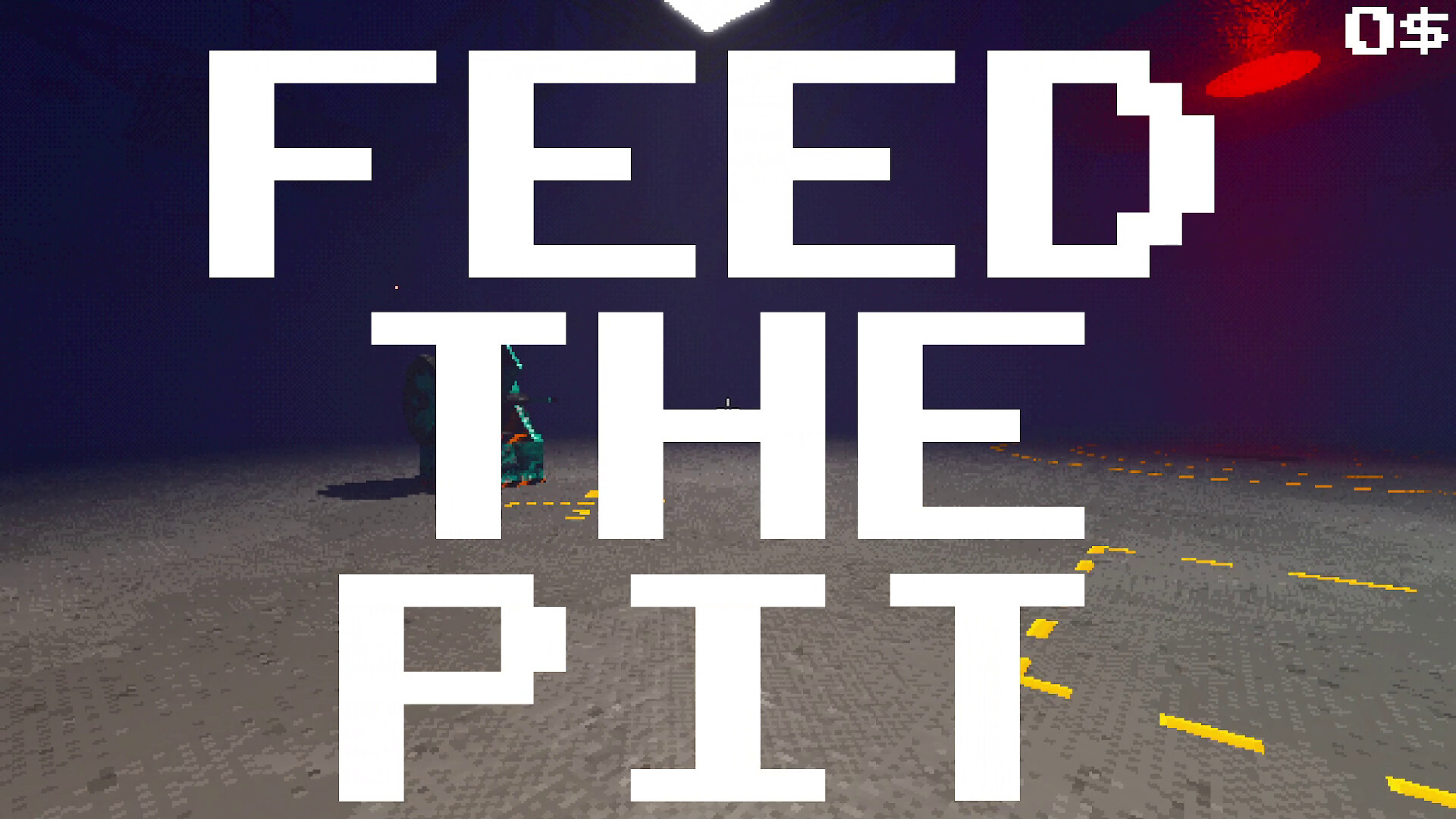
Project P.I.T.T., from solo developer Froke and publisher Pretty Soon, launched on August 19, 2026, after a well-attended Next Fest demo the previous June. Its premise is deliberately absurd: you play a corporate employee whose entire job is feeding rubber ducks, and eventually pinatas, cash registers, and stranger objects, into a bottomless, brutalist void called the Maw, using an ever-expanding toolkit of physics-based panels, fans, and conveyance tricks rather than any straightforward conveyor belt. At 663 English-language reviews and 82% positive, "Very Positive," it's a modest but well-received launch for a game that wears its Sisyphean absurdity, part automation game, part deadpan corporate horror, right on its sleeve.
A Genuinely Fresh Physics Hook
What sets Project P.I.T.T. apart from the crowded incremental-automation genre is its total commitment to physics-first logistics. There are no conveyor belts, no simple drag-and-snap factory grids; instead, players build ramps, fan-powered wind tunnels, and magnet-assisted chutes out of oddly-shaped physical panels to funnel a growing menagerie of products toward the Maw. Reviewers consistently single this out as the game's most distinctive strength, several comparing the appeal to logistics roleplay in Space Station 13 or the satisfying mess of a Besiege contraption, and many describe hours disappearing while they iterate on a single automated setup. The satirical corporate-horror dressing, complete with an unsettling void that grows hungrier as the game progresses, gives the loop a tonal hook that a plainer automation game wouldn't have, and it clearly landed: numerous reviewers explicitly praise the atmosphere and the secret-ending mystery layered underneath the number-go-up core.
Fiddly Building, a Slog by Late Game
Set against that fresh hook, the single most repeated complaint across the review pool, appearing in a large share of both positive and negative reviews, is that the actual act of placing and snapping physics panels together is clunky and frustrating, especially at odd angles, and that later phases (the game's content is split into four escalating phases) demand tedious, repetitive manual crafting that the earlier automation tools don't meaningfully solve. Multiple reviewers describe being forced to tear down and rebuild entire production lines from scratch to progress, only to be met with new item types that reward the exact same handful of dominant strategies, chiefly slick floors and fans, making the expanding toolkit feel like padding rather than meaningful choice. A smaller number of reviewers report late-game frame drops and occasional crashes tied to heavy physics collisions.
A Developer Who Visibly Listens
One specific, heavily corroborated story runs through the review pool: at the start of Phase 3, a scripted in-game event once destroyed players' painstakingly built automation setups and left immovable debris blocking their factory floor, with no warning beforehand. A large number of reviewers describe leaving an initial negative review over exactly this, only to update or flip it to positive after Froke shipped a patch removing the debris and softening the event within days of launch. That pattern, a specific, well-documented player grievance met with a fast, targeted fix, and then explicitly acknowledged by the reviewers it affected, is about as clean a developer-responsiveness signal as a review pool provides, and it's clearly done real work in shaping the current 82% score.
Verdict
Project P.I.T.T. is a small, weird, genuinely original take on the automation genre that trades conveyor-belt tidiness for physics-based chaos, and that trade mostly pays off. The premise is funny and a little unsettling in the right measure, the core loop of engineering an ever-more-elaborate duck-and-debris pipeline is satisfying when it clicks, and the developer's rapid response to the Phase 3 debris controversy earned real goodwill from a review pool that clearly noticed. Its rough edges, chiefly a building system that fights the player more than it should and a back half that leans on repetitive manual grinding rather than deeper systems, are real and worth going in aware of, but they're the kind of growing pains a $9.99 solo-developer debut can be forgiven for, especially with the studio still patching within weeks of launch.
Anyone burned out on traditional factory and idle games specifically because of their sameness should find something worth trying here; the physics-first approach genuinely changes how automation puzzles feel to solve, even when the placement tools themselves need more polish. Just go in expecting the back half of the four-phase structure to ask more patience than the charming, fast-paced opening promises, and know that a meaningful chunk of the review pool that initially bounced off Phase 3 came back around once the worst of its friction was patched out. For genre fans willing to tolerate some jank in exchange for a premise nobody else on Steam is currently attempting, Project P.I.T.T. earns a cautious but genuine recommendation.
It's also worth sizing up what this game is not trying to be. There's no sprawling tech tree, no multiplayer, and no pretense of the scale a Satisfactory or Factorio player might expect; several reviewers explicitly frame it as a tight, single-sitting-friendly curiosity rather than a hundred-hour factory sim, and the low completion rates on its two endings suggest most players see one and move on satisfied rather than chasing full completion. That modesty is a feature, not a bug, for a ten-dollar solo project: the physics-toy core is strong enough to carry four escalating phases without desperately needing a fifth, and the game seems to know exactly how long its central joke, feeding an ever-hungrier hole, can sustain itself before it would start wearing thin. Given how actively Froke has continued patching complaints since launch, from the Phase 3 debris fix to smaller quality-of-life passes reviewers mention piecemeal throughout September, the version available today is already a noticeably better one than the version that shipped in August, and that trajectory alone is a reasonable argument for picking it up now rather than waiting.
Screenshots
-
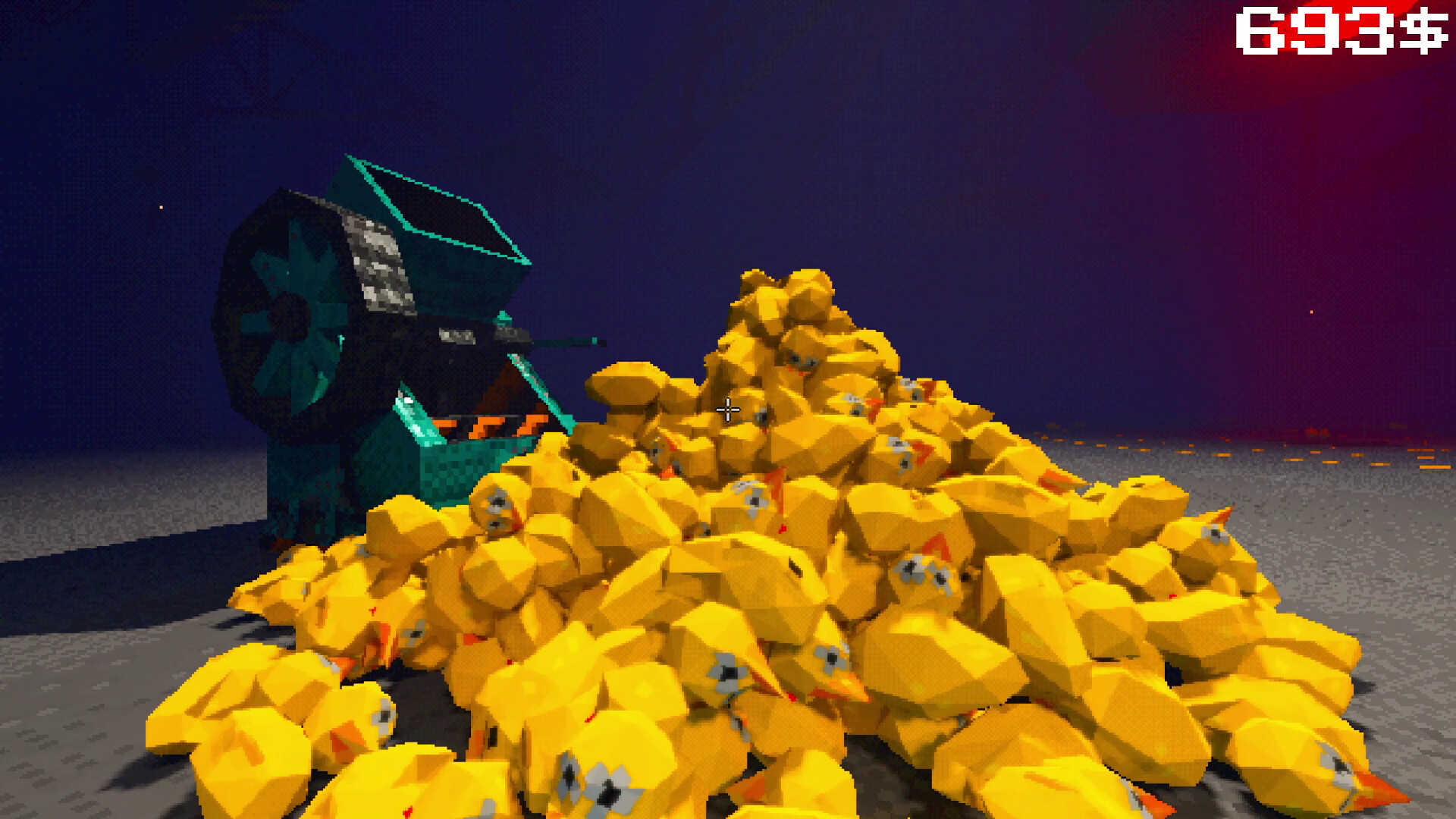
One of the game's physics-panel contraptions disgorging a mountain of rubber ducks toward the Maw.Image: Pretty Soon via Steam -
A later-phase cash register jam mid-collapse, with the combo chain and running total climbing into the tens of millions.Image: Pretty Soon via Steam -
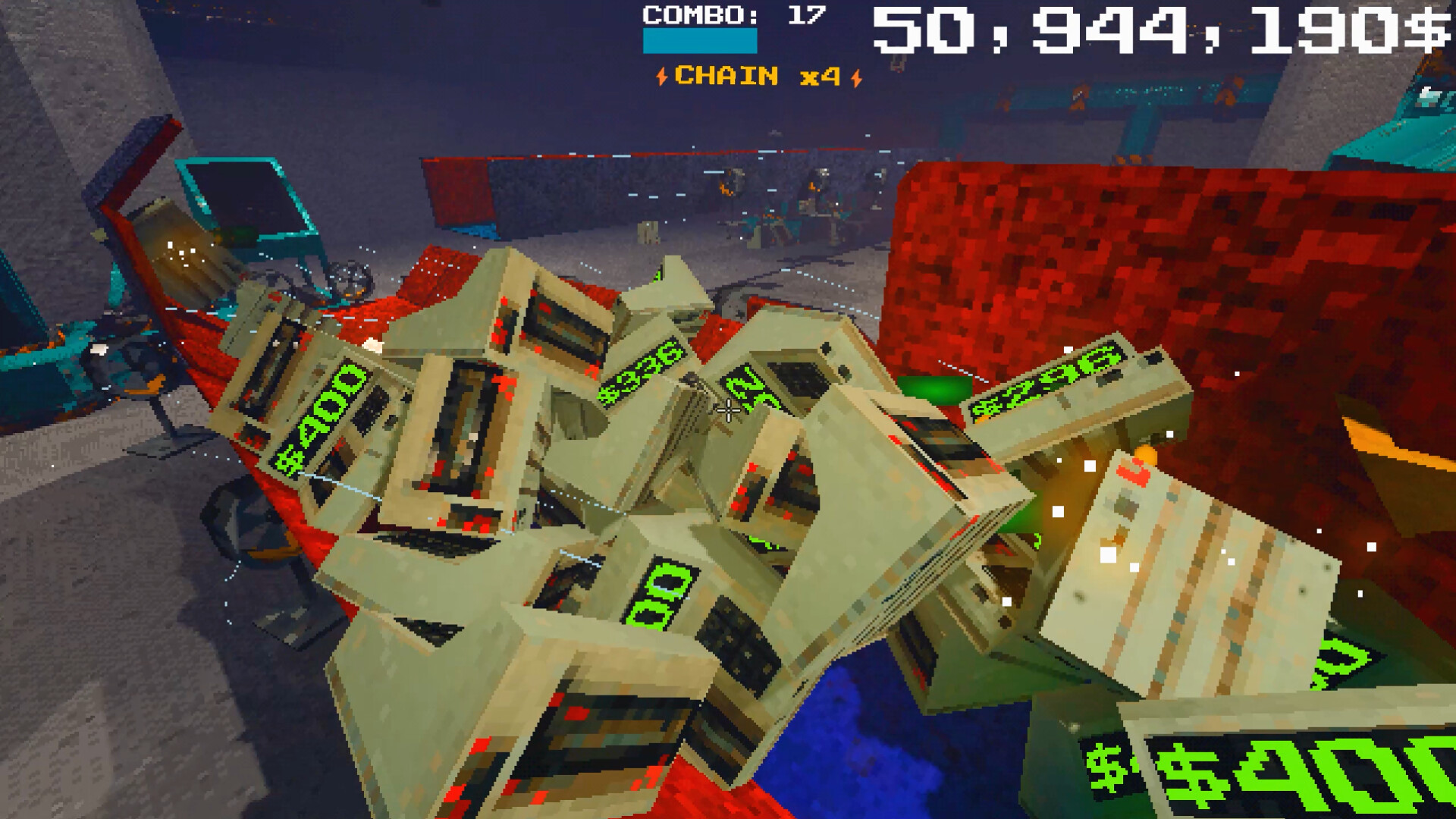
A later-phase cash register jam mid-collapse, with the combo chain and running total climbing into the tens of millions.Image: Pretty Soon via Steam