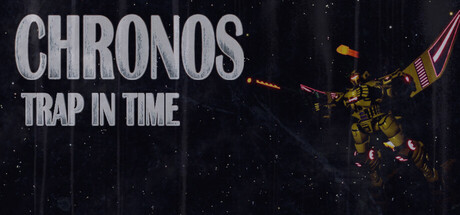
Chronos Trap in Time Review
Zeus Needs A Mech Pilot, And Only You Will Do Chronos Trap in Time is a $12.99 vertical shoot-em-up roguelite from Swedish studio SCS Ogonvard AB, released clean on Steam on March
8 / 10
Browse by genre
1610 Action games reviewed and scored, best first.
1610 reviews
Zeus Needs A Mech Pilot, And Only You Will Do Chronos Trap in Time is a $12.99 vertical shoot-em-up roguelite from Swedish studio SCS Ogonvard AB, released clean on Steam on March
8 / 10
A Solo Developer's Love Letter to a 25-Year-Old Platformer Connie and the Essence of Chaos launched on Steam on August 6, 2026 at $19.99, the latest game from Ryemanni, a devel
8 / 10
A visually spectacular sequel to a beloved mobile-turned-PC crafting RPG that Butterscotch Shenanigans has supported with an unusually relentless year of updates, held back at launch by mobile-first controls and a text-heavy script that its own most detailed critics — many of them the original's biggest fans — argue buried the sequel's real improvements.
8 / 10
A roguelite dungeon crawler and a cult-management sim share one save file, and the question that actually matters almost four years on is whether they're still lending each other strength or just taking turns.
8 / 10
A two-person studio's isometric action-adventure about a soul-collecting crow, nominated for two BAFTAs and named Golden Joystick's Best Indie Game of 2021 -- Very Positive on Steam five years on, with one specific design choice, a total absence of any map, dividing even its fans.
8 / 10
A roguelike that fuses bullet-hell dodging with Slay the Spire-style deckbuilding, released after years of public betas on GX Games with a devoted community, praised almost unanimously for its unique genre blend and replayability despite thin story content and a few progression-breaking quest bugs.
8 / 10
A Zelda-shaped action-RPG about dungeon crawling as an extreme sport, set in a magical-realist Austrian ski resort where the real hook is who you meet between dungeons, not what you fight inside them.
8 / 10
A genuine, widely-acclaimed reinvention of KOEI TECMO's long-running hack-and-slash series — praised by veteran fans as the best entry in over a decade for its overhauled combat — built around a deliberate, controversial trade-off that a large share of the same fanbase argues cost the series something real: a single silent protagonist replacing the roster of dozens of playable historical officers, and a story that stops at the Battle of Chibi, leaving half the classic Three Kingdoms tale untold at launch.
8 / 10
Ancient Corporation and legendary composer Yuzo Koshiro return to their Genesis-era roots with a horizontal shoot-'em-up built to run natively on real 16-bit hardware, earning "Very Positive" reviews for a soundtrack and pixel-art presentation reviewers call some of the finest the genre has ever produced.
8 / 10
River End Games' isometric narrative stealth-adventure sends a young woman through a gorgeous Nordic city hunting her missing brother, earning an "Overwhelmingly Positive" reception for its cinematic presentation even as a sizeable minority balks at its rigid, one-solution puzzle design and steep price for a short campaign.
8 / 10
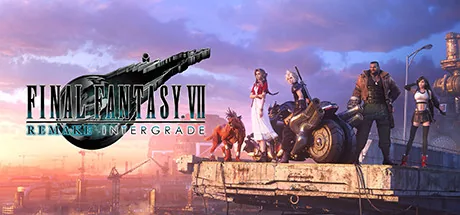
The second act of the Remake trilogy trades Midgar's corridors for open regions, a deep Synergy-and-Folio combat system and a genuinely excellent card game — then buries a chunk of it under checklist busywork and a PC port that still stutters a year on.
8 / 10
A spectacular retelling of the first five hours of a 1997 classic, stretched to forty — and a PC port whose launch grievances have quietly been fixed while the argument about the story hasn't gone anywhere.
8 / 10
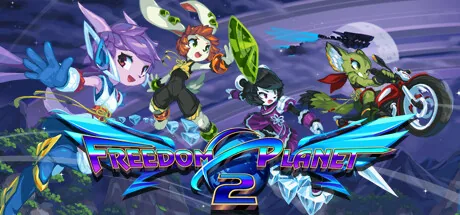
A seven-years-in-development sequel to a beloved Sonic-inspired indie platformer, whose refined movement and combat draw near-universal acclaim even from disappointed fans, while a smaller but detailed minority documents real bugs, readability issues and a story several call bloated compared to the tighter original.
8 / 10
The free open world is good enough to carry a full-price game on its own — climbing, gliding and elemental combat form one of the best traversal systems in the genre. What you pay for is everything above the story campaign, and the review is really about where that line sits.
8 / 10
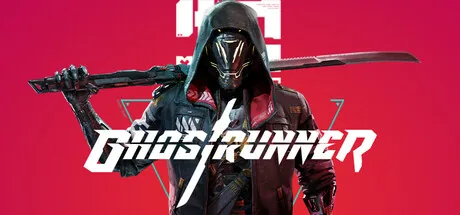
A stylish cyberpunk first-person parkour game built around instant one-hit deaths on both sides — reviewers on both sides of the score agree the movement and combat feel incredible when mastered, but a genuine, decade-consistent complaint about brutal, trial-and-error difficulty recurs in every year sampled, corroborated directly by achievement completion data.
8 / 10
A brutally difficult, Nintendo-Hard-inspired 2D precision platformer starring a fixed-arc-jumping Kamaitachi, praised almost unanimously for its charming pixel art, tight soundtrack, and genuinely fair-feeling difficulty curve, though a few sharp-edged design choices trip up even its fans.
8 / 10
Four Dollars, No Filler, Just Titans GOLIATH strips the boss-rush genre down to exactly what its name promises: a twin-stick bullet hell where every encounter is a Titan-sized figh
8 / 10
A faithful, expanded rebuild of one of open-world RPG history's most influential games — the 2001 original that reviewers credit as a direct forerunner to The Witcher — that returned to the Colony to Very Positive reception and 500,000 copies sold, undercut at launch by genuine, severe bugs and softlocks that the developer has since addressed through a rapid, transparent patch cadence.
8 / 10
Obsidian shrinks you to the size of an ant and lets that single premise reshape exploration, combat and crafting all at once. Nearly four years after 1.0, the backyard is still one of the smartest survival maps in the genre — even as Obsidian's attention has visibly moved on to the sequel.
8 / 10
Chasing Carrots dressed a Vampire Survivors loop in Diablo's dark isometric skin and then buried it under one of the deepest meta-progression trees the survivor-like genre has — a review of what that unlock grind buys you, and what happens to the screen once it pays off.
8 / 10
A solo developer's early-2000s-styled horror PvP and co-op shooter, framed as a cursed childhood game whose servers mysteriously reopened — reviewed on a complete, entirely positive 25-review sample spanning English and a notably large Spanish-speaking fanbase.
8 / 10
A completely free, unofficial Hololive fan-game that stands with the best Vampire Survivors-likes on genuine build diversity and challenge alone — increasingly weighed down by grindy side content and one mandatory platforming gauntlet reviewers near-unanimously dislike.
8 / 10
A widely loved open-world action RPG about hunting robotic beasts in a fallen future — whose PC negative sample carries three distinct, well-documented controversies: a 2020 launch plagued by crashes, a fiercely objected-to data-collection agreement with no real opt-out, and a 2024 delisting tied to a PSN account requirement that blocked some regions from buying either version.
8 / 10
A one-day-old arena shooter played almost entirely in the dark, where a pulsing heartbeat is your only light source — reviewed on a genuinely complete sample of its first sixteen reviews, every single one of them positive.
8 / 10