
Game review
Gin - The Silver Wind
8 / 10
- Developer
- Jackal In A Box
- Publisher
- Jackal In A Box
- Released
- 22 June 2026
- Platforms
- Windows
- Genre
- Action, Indie
- Monetisation
- paid
- Players
- false
The short version
Biggest strengths
- A genuinely fair, well-tuned difficulty curve that multiple reviewers specifically praised for making deaths feel like player error rather than cheap design
- Charming, expressive pixel art and character animation that reviewers repeatedly singled out as elevating the whole package
- A strong, level-appropriate soundtrack that reviewers described as fitting each stage and boss fight specifically rather than blending together
Biggest weaknesses
- A restrictive fixed jump arc that several reviewers said takes real time to adjust to, even among players who ultimately loved the game
- A specific, detailed complaint about one mid-game enemy's undocumented instant-kill attack and indestructible projectiles that break the game's own established rules
- A lives system that one reviewer argued actively punishes players for dying in ways that feel redundant given the game's already unforgiving difficulty
Who it's for: Fans of punishing, precise action platformers like Ninja Gaiden, Mega Man, or Super Ghouls 'n Ghosts who want their difficulty to feel earned, not recommended for anyone who dislikes fixed-arc jumping, lives systems, or games that expect repeated failure as part of learning
Our recommendation: recommended
8 / 10
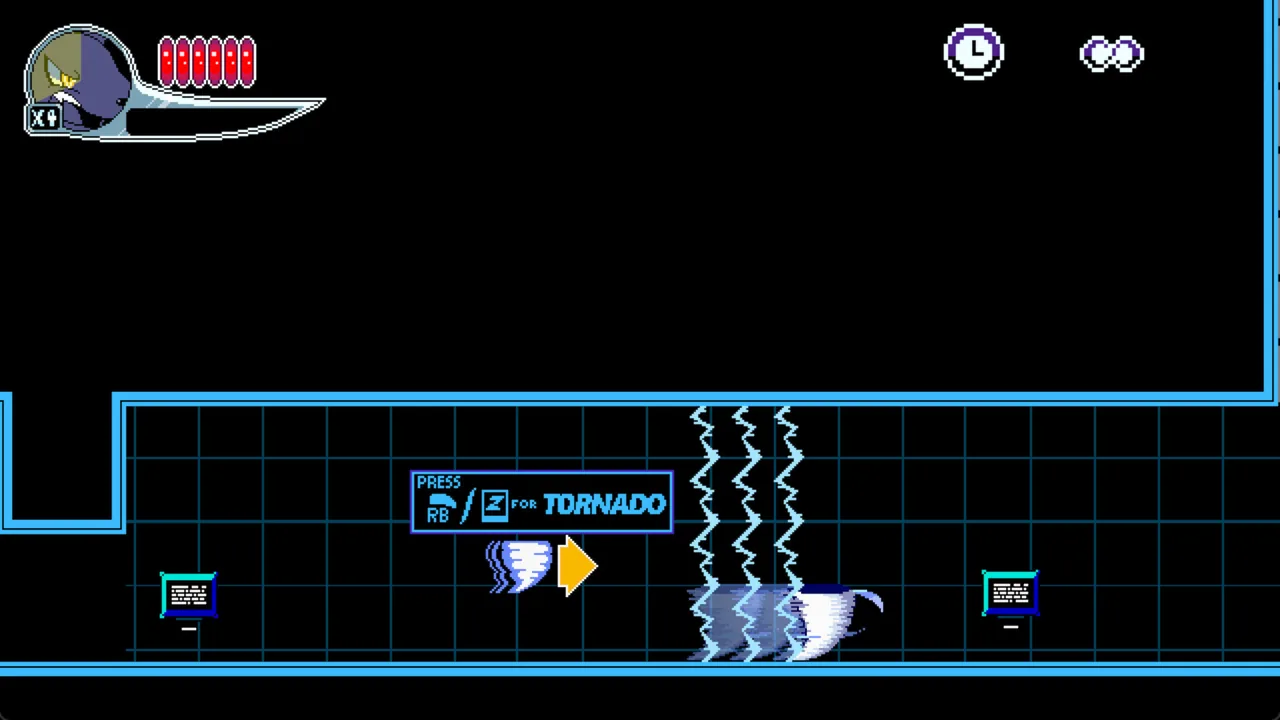
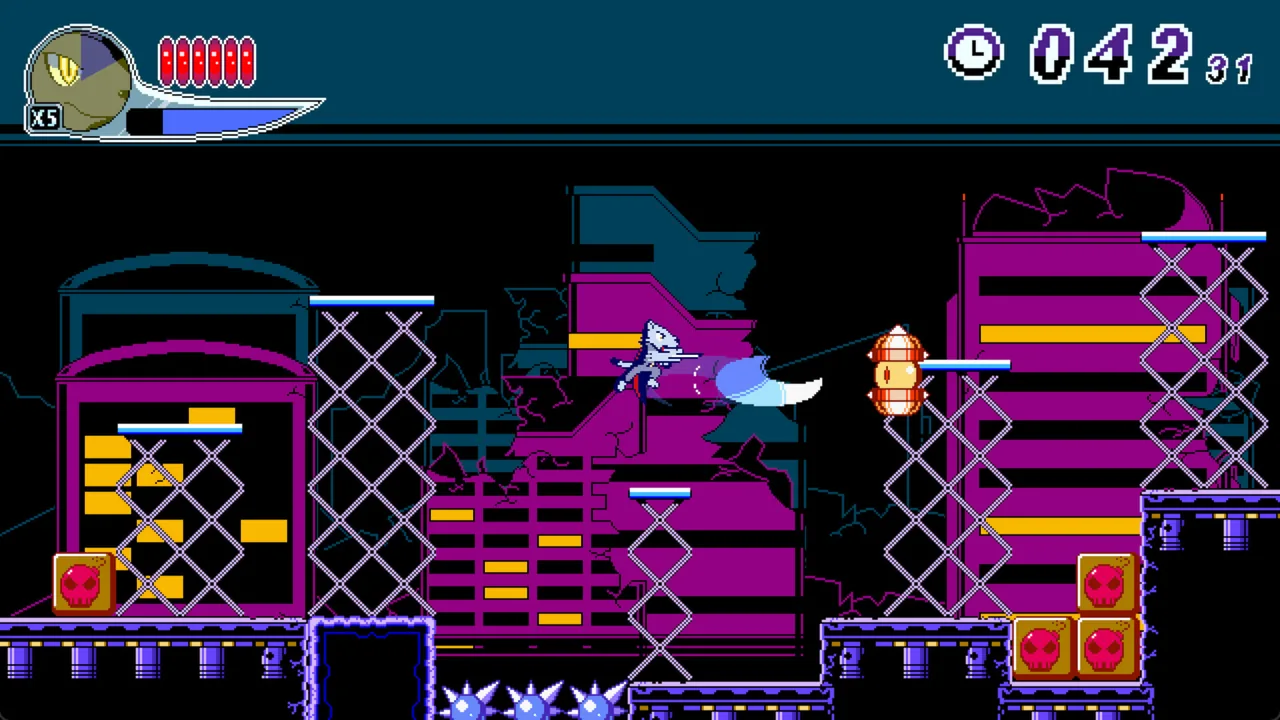
Gin - The Silver Wind released in full on Steam on June 22, 2026, from debut solo-turned-small studio Jackal In A Box, a $7.99 2D precision platformer starring a Kamaitachi (a weasel-like yokai) who cannot change direction mid-air, forcing players to master fixed jump arcs, a limited dash, and a powerful tornado move to fight through a gauntlet of NES-hard levels and bosses. Its 16-review English pool sits at Positive (15 up, 1 down, 94%), and the reviews describe a game that earns comparisons to Mega Man, Ninja Gaiden, and Super Ghouls 'n Ghosts, both for its unforgiving difficulty and, more importantly, for feeling fair enough that players keep coming back for more punishment.
The difficulty curve and its fairness dominate the pool's praise, with reviewers going out of their way to distinguish "hard" from "cheap." One reviewer wrote that "getting used to the jumps and controls makes every death feel more like you messed up rather than the game cheated or did something unfair," while another put it even more directly: "the difficulty in this ramps up beyond what you could ever imagine, but in a way where you always feel like you're getting better the more you play." A third reviewer, who had played the game's demo years earlier, praised how "the devs knew how to balance difficulty with good risk/reward moments throughout levels," concluding that "things feel very tight and very solid." One especially enthusiastic review captured the whole appeal in a single line: the game "will chew you up, spit you out, dope slap you, and demand you get back on your feet and fight harder and smarter than before," calling it "one of the most rigorous yet rewarding precision platformers I've played this decade."
The fixed-arc jump, the game's central and most divisive mechanic, gets consistent acknowledgment as a real adjustment even from players who ended up loving it. One reviewer admitted "restricted, methodical movement like this could easily get very annoying," but credited the level design and moveset for giving players "enough breathing room... to slowly learn the best techniques to move around." Another wrote that "it may take a bit to get used to the fixed arch once you jump," but found that "the game more than gives you enough tools to maneuver yourself in the air making it extremely satisfying once you get used to it." A reviewer who logged only an hour so far still praised the design directly: "with movement that you get used to and easy to understand, but so far with my time... is hard to master. Pulling off certain movements successfully and clearing certain parts fastly is a super rewarding feeling."
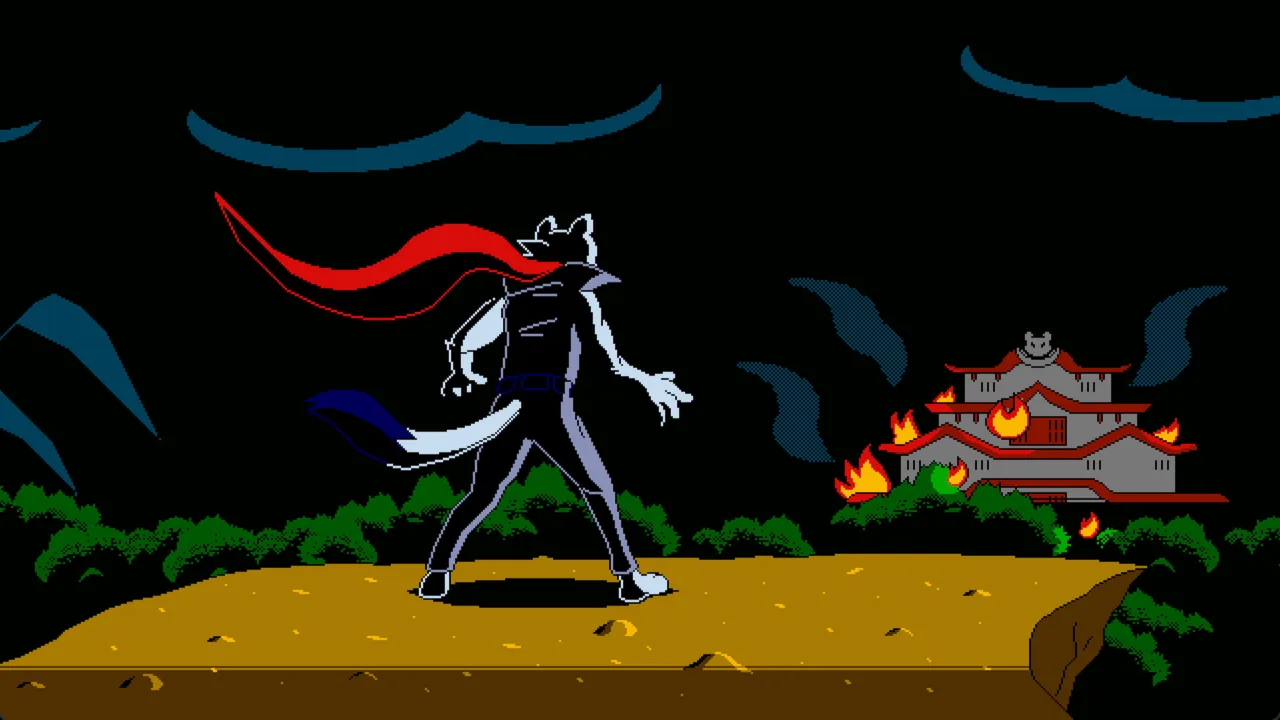
Presentation is the pool's other near-universal strength, with reviewers repeatedly crediting the art and music as more than just a coat of paint on the difficulty. One reviewer called out "the charming character designs, beautiful pixel art and unique soundtrack," adding that "the music fits very well with each level and is fantastically composed." Another simply wrote "the graphics are adorable, the music is catchy and upbeat, the challenge is through the roof," while a third specifically praised "excellent sprite work in the animations, backgrounds, and cutscenes" alongside "a serious character with moments of silliness when damage is taken." Boss fights earned pointed praise too, with one reviewer who finished the main game and postgame content calling them "probably the highlight of Gin for me."
Against that near-unanimous praise, the pool's most detailed critical review raises specific, concrete design complaints worth taking seriously rather than dismissing as difficulty-averse grumbling. That reviewer, who still recommended the game overall, flagged that "your tornado move doesn't make you invulnerable [like] the tanuki stomp move despite it making you invulnerable to everything else," and that a specific mid-game enemy has an undocumented insta-kill attack along with indestructible missiles, breaking the game's otherwise consistent rule that "every other explosive [is] something you can either destroy or at least redirect." The same reviewer criticized checkpoint placement, noting some checkpoints sit "after long stretches of platforming and a mini boss," and specifically questioned the lives system, arguing that "if you die several times in a run you're penalized for it but you can gain extra lives in the level," which punishes getting good at exploration rather than rewarding it. The pool's lone negative review echoes a piece of this from a harsher angle, calling out "time limits, uncontrollable jumping, and limited lives" as "the worst ideas from the NES era," concluding the difficulty tips into frustration rather than challenge for anyone who isn't "the absolute hardcore gamers."
Content length and replayability round out the discussion, with reviewers consistently framing the game as short but well-structured for repeat play. One reviewer called it "not a very long game, but it's a satisfying amount of content, well priced," while another specifically praised that "once you unlock one [level] it remains available, so you don't have to do it all at once," combined with unlimited continues and per-level rankings that reward speed and no-death runs, giving completionist-minded players a real reason to replay cleared stages rather than simply moving on once the credits roll.
Taken together, Gin - The Silver Wind is a confidently made, gorgeous-looking, punishingly difficult platformer that earns its retro comparisons through genuinely careful level and difficulty design, even if a handful of specific mechanical inconsistencies, an undocumented insta-kill enemy, indestructible projectiles, an oddly punitive lives system, and sparse checkpointing, keep it from being flawless. For players who want their difficulty to feel like a fair fight rather than a cheap one, it's a strong, confident recommendation from a promising debut studio.
Pros and cons
Pros
- A genuinely fair, well-tuned difficulty curve that multiple reviewers specifically praised for making deaths feel like player error rather than cheap design
- Charming, expressive pixel art and character animation that reviewers repeatedly singled out as elevating the whole package
- A strong, level-appropriate soundtrack that reviewers described as fitting each stage and boss fight specifically rather than blending together
- High replay value through per-level rankings for speed and no-death runs, with unlocked stages remaining permanently available and unlimited continues
Cons
- A restrictive fixed jump arc that several reviewers said takes real time to adjust to, even among players who ultimately loved the game
- A specific, detailed complaint about one mid-game enemy's undocumented instant-kill attack and indestructible projectiles that break the game's own established rules
- A lives system that one reviewer argued actively punishes players for dying in ways that feel redundant given the game's already unforgiving difficulty
- Sparse, awkwardly placed checkpoints after long platforming stretches and mini-bosses that can force lengthy re-attempts
Screenshots
-
Gin - The Silver WindImage: Jackal In A Box via Steam -
Gin - The Silver WindImage: Jackal In A Box via Steam -
Gin - The Silver WindImage: Jackal In A Box via Steam